Goal
Reverse ageing and improve healthspan by restoring cellular NAD+ levels and mitochondrial-nuclear communication.
Problem
Age-related decline in NAD+ levels, mitochondrial dysfunction, and associated diseases such as cancer, type-2 diabetes, and muscle wasting.
Concept Summary
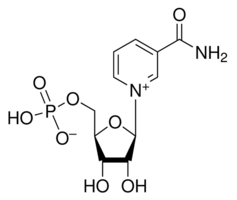
NMN, a direct precursor of NAD+, is administered to animals (and potentially humans) to boost intracellular NAD+ concentrations. Elevated NAD+ re-establishes communication between mitochondria and the nucleus, activates sirtuin genes, and mimics the beneficial effects of calorie restriction and exercise, leading to rapid improvements in muscle function and other ageing markers.
Detailed Description
University of NSW researchers injected mice with NMN at a dose of 500 mg per kilogram of body weight per day. Within one week, older mice displayed muscle performance indistinguishable from younger animals, and cellular assays showed restoration of NAD+ levels and improved mitochondrial-nuclear signaling. The underlying mechanism involves conversion of NMN to NAD+, which activates sirtuin deacetylases (SIRT1-7) and reduces the pseudohypoxic state driven by HIF-1alpha accumulation. Human trials are proposed, but the compound is currently expensive (~$1,000 / g). The invention also includes methods for modulating the NAD+ salvage pathway (e.g., NPT1, PNC1, NMA1, NMA2) to extend cellular lifespan and stress resistance.
Principles
- NAD+ supplementation
- Sirtuin activation
- Mitochondrial-nuclear communication restoration
Scientific Domains
Materials
- Nicotinamide mononucleotide (NMN)
- Nicotinamide
- NAD+
Mechanisms of Action
- Conversion of NMN to NAD+ in cells
- Activation of SIRT1-7 sirtuin genes
- Improved mitochondrial-nuclear signaling
- Mimicry of calorie-restriction and exercise effects
Applications
- Anti-aging therapy
- Treatment of age-related diseases (cancer, diabetes, muscle wasting)
- Enhancement of healthspan
Claimed Performance
500 mg kg^-^1 day^-^1 NMN reversed ageing markers in mice within one week; cost estimated at $1,000 per gram, leading to daily costs of $35-$43 k for a human adult.
Experimental Evidence
Mouse studies showed that NMN injection restored NAD+ levels, improved mitochondrial function, and made muscle performance of old mice indistinguishable from that of young mice after just one week.
Replication Status
Only pre-clinical mouse data reported; human trials have not yet begun and no independent replication is documented.
Limitations
- Very high cost of NMN
- Lack of human clinical data
- Potential unknown side effects
Red Flags
- Claims of reversing ageing may be overstated without human data
- Cost prohibitive for widespread use