Goal
Collect and store solar thermal energy in a salinity-gradient pond for low-grade heat, process heating, electricity generation, desalination and refrigeration.
Problem
Need for low-cost, large-scale renewable thermal energy storage and generation, especially in rural or developing-area contexts where conventional collectors are expensive.
Concept Summary
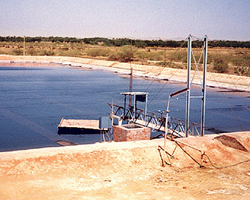
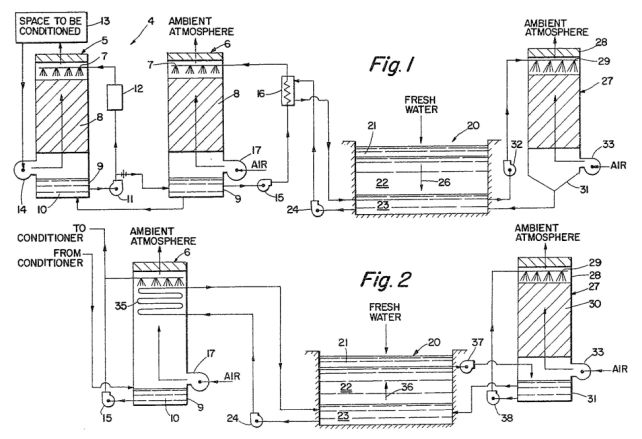
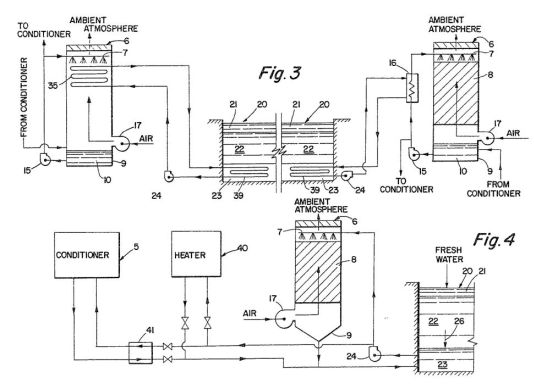
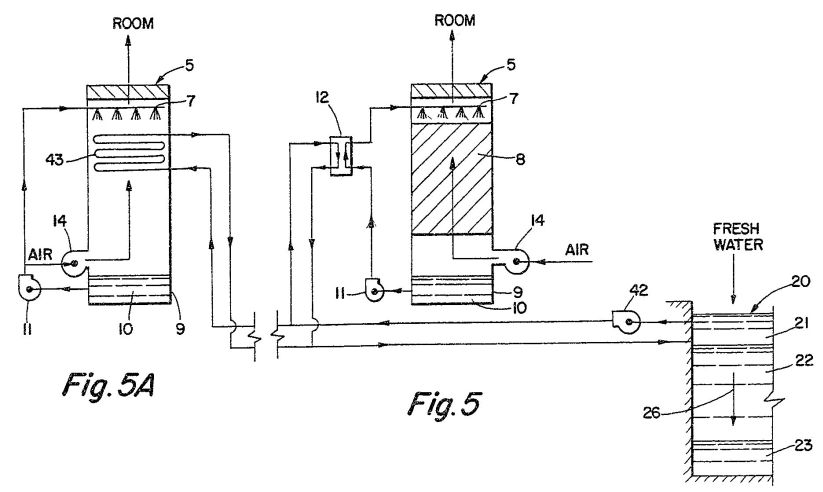
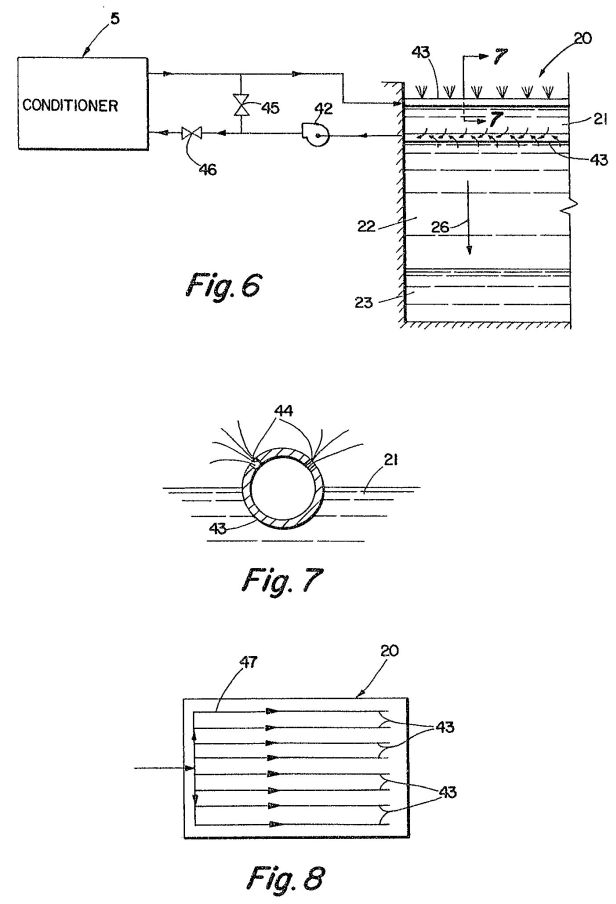
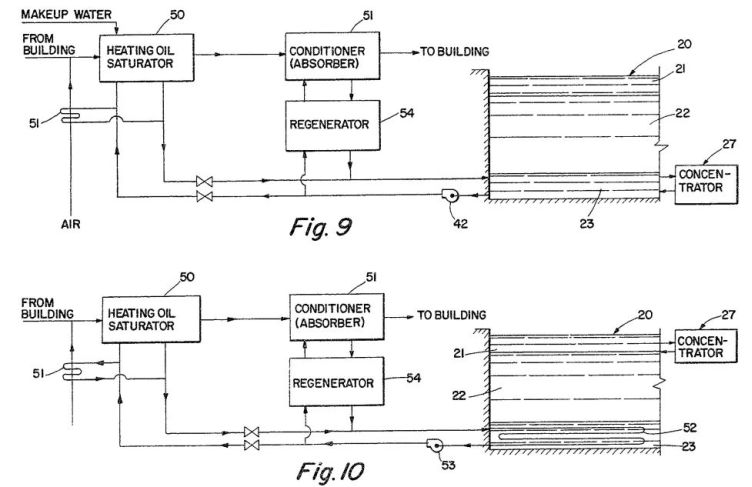
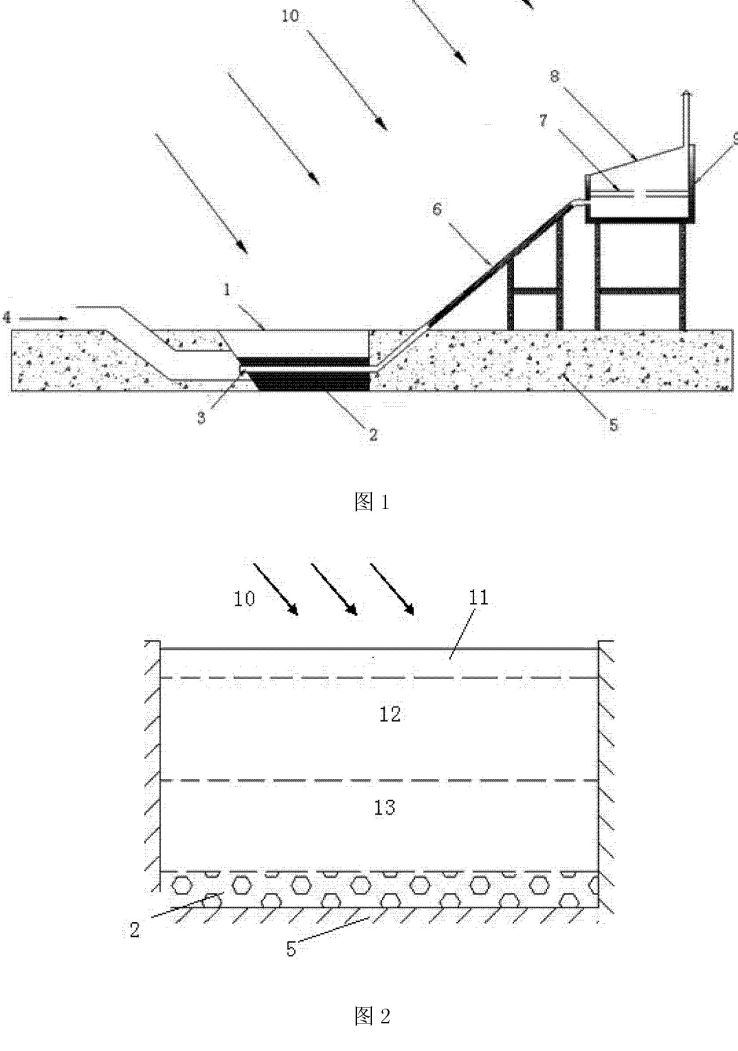
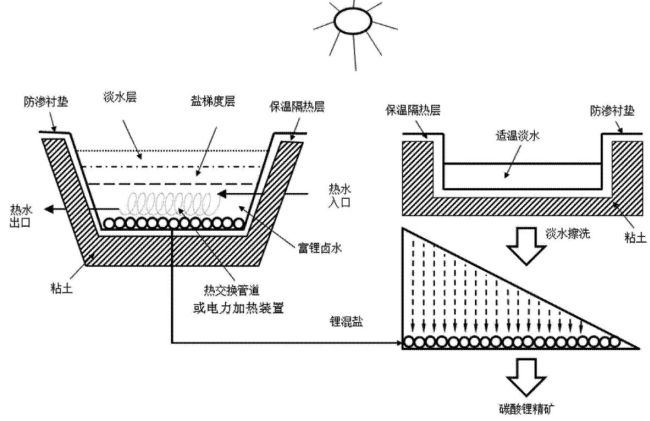
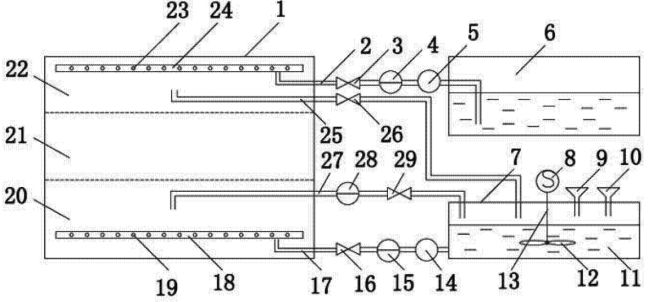
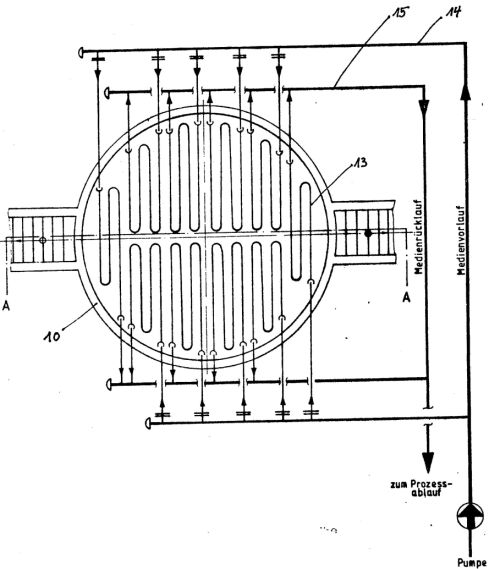
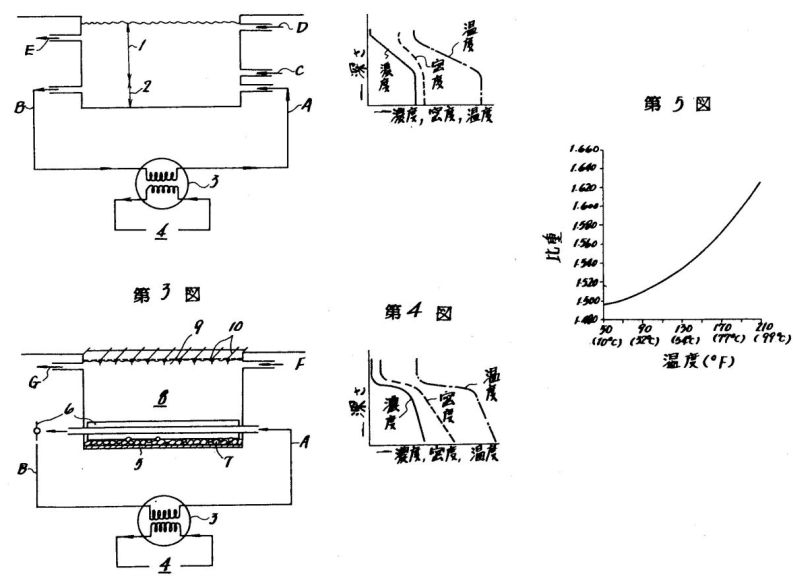
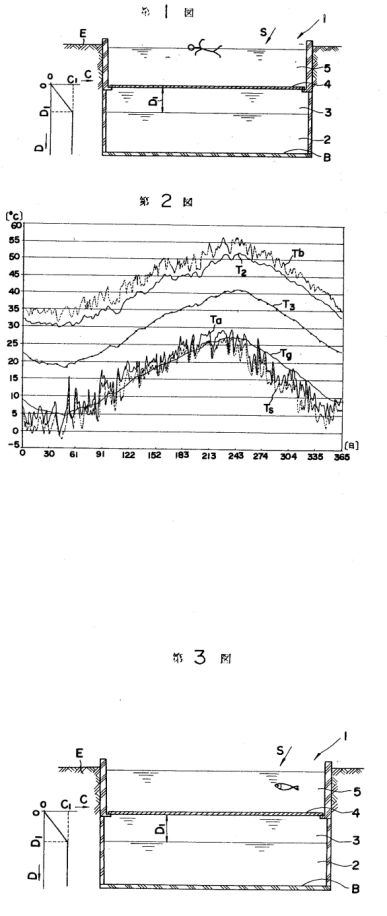
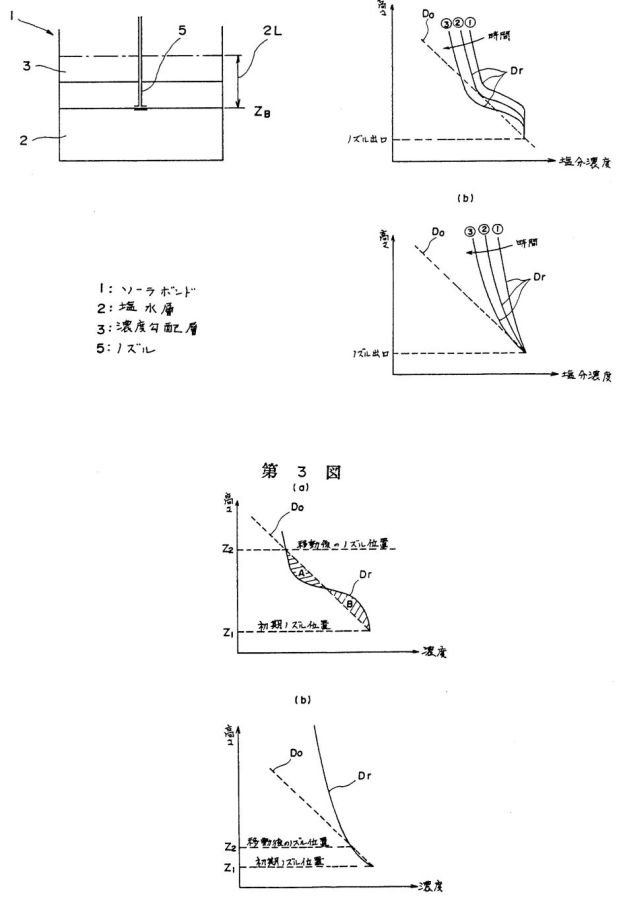
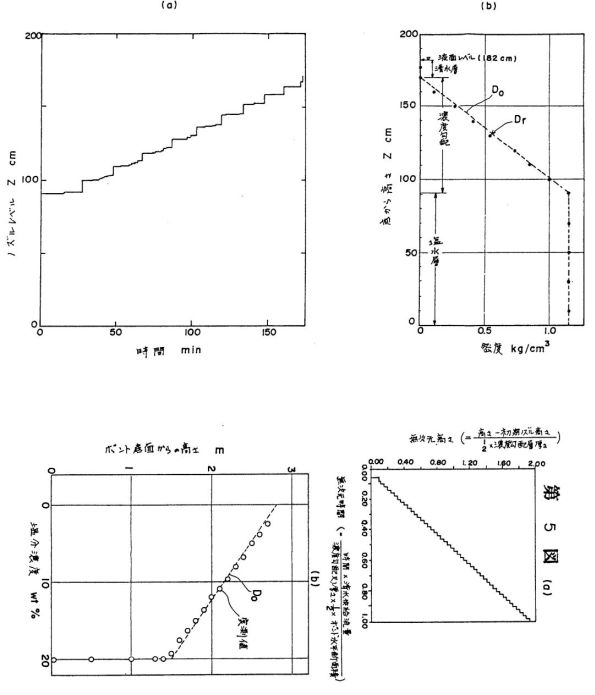
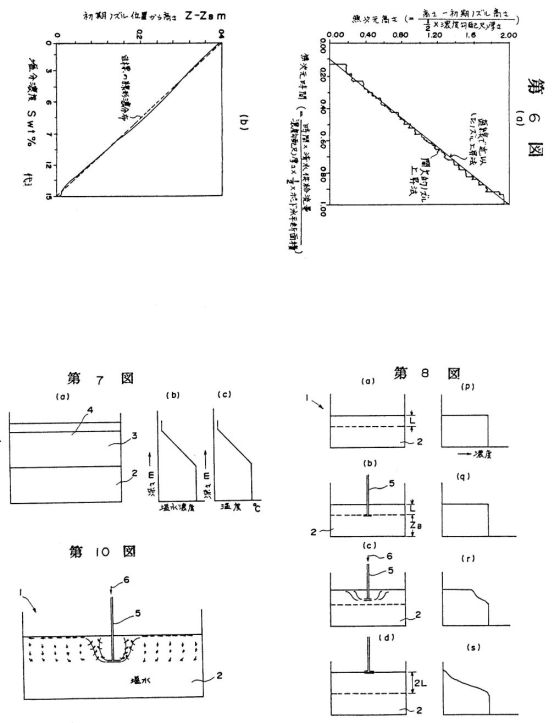
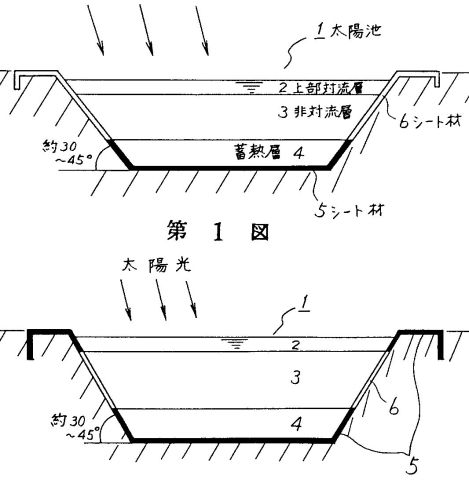
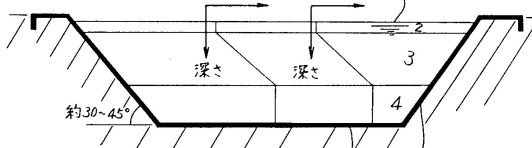
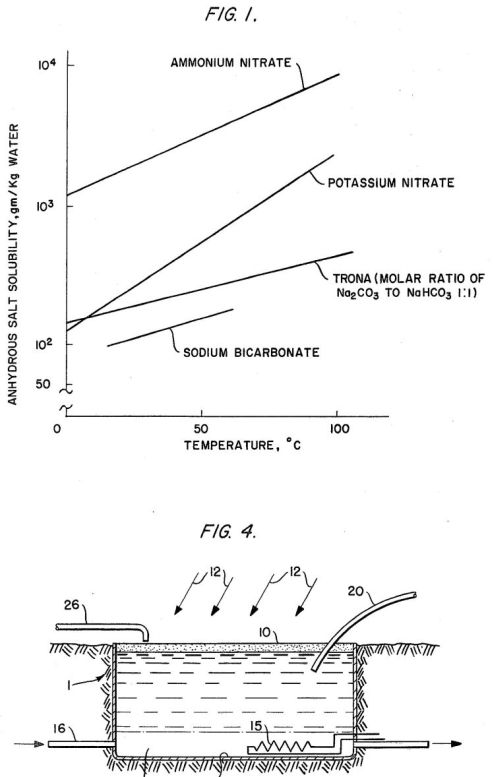
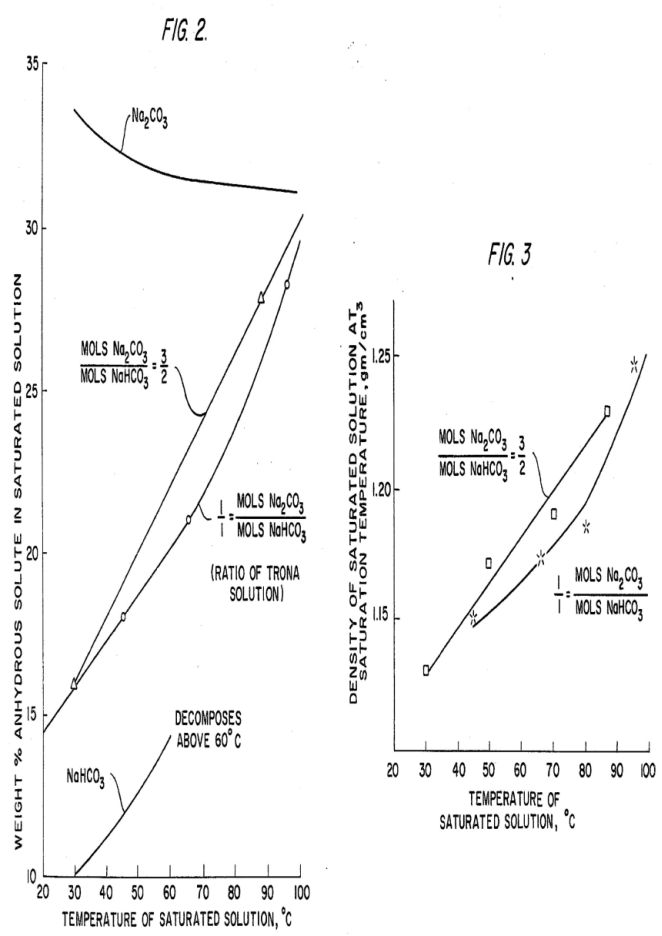
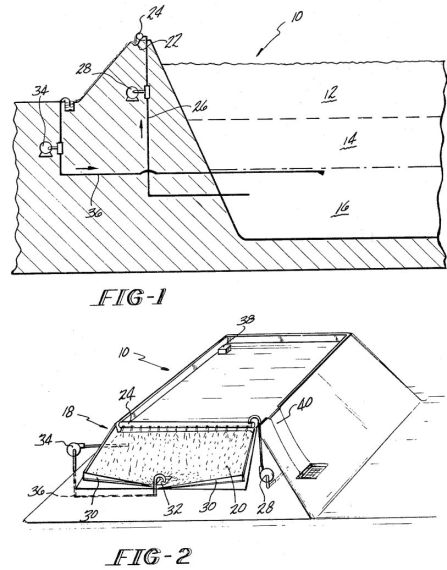
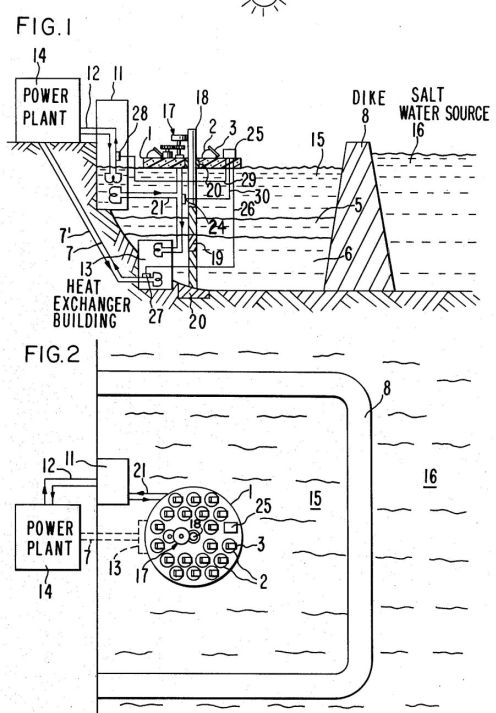
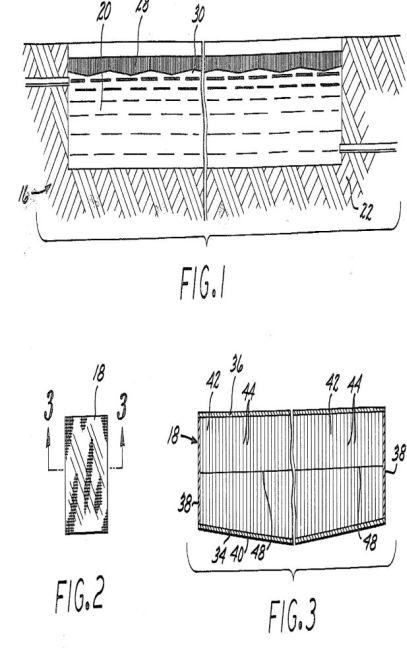
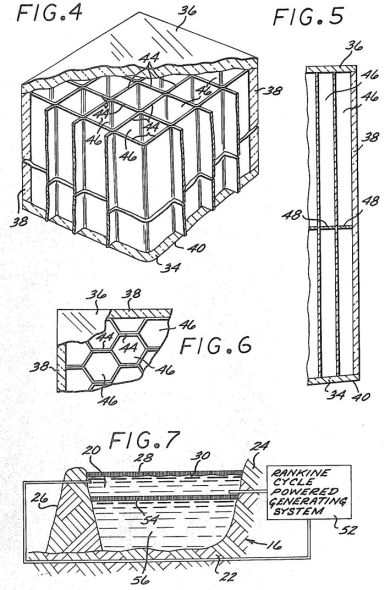
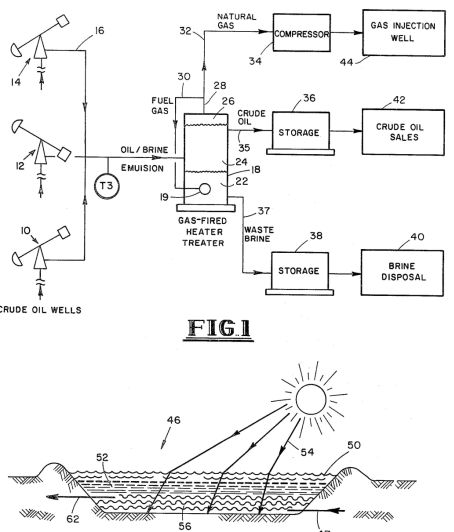
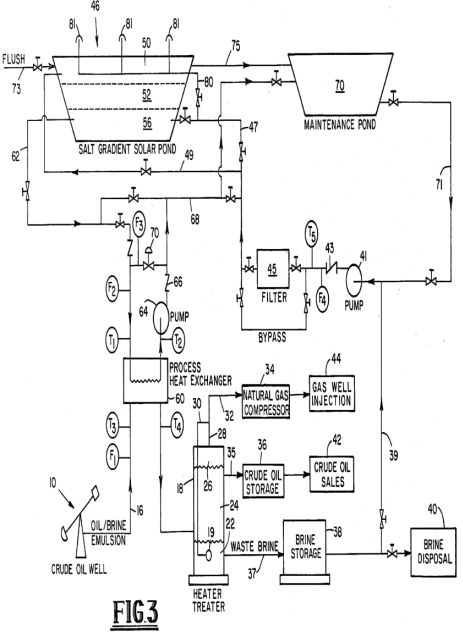
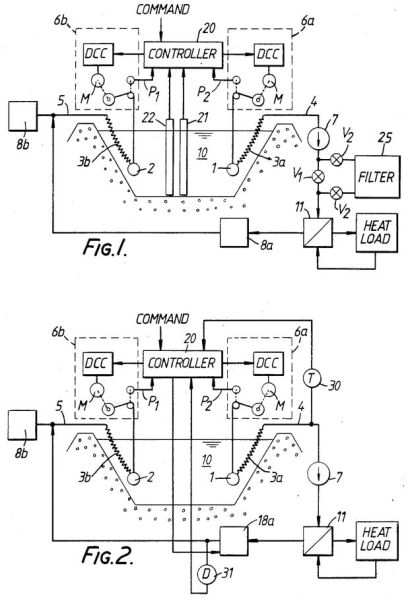
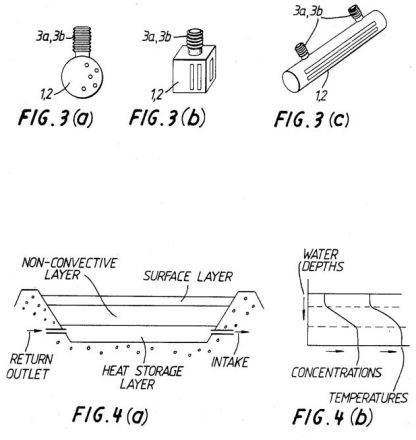
A solar pond is a shallow pool of saltwater that forms a vertical salinity gradient (halocline). The dense, high-salinity bottom layer absorbs sunlight and retains heat because the gradient suppresses natural convection. Heat is extracted from the hot brine by circulating it through external or in-pond heat exchangers, driving organic Rankine-cycle turbines, Stirling engines, or providing hot water for industrial processes.
Principles
- Solar thermal absorption
- Salinity-gradient density stratification
- Convection inhibition (non-convective zone)
- Heat storage in high-temperature brine
- Heat extraction via fluid circulation
Scientific Domains
Materials
- Saltwater (brine)
- Clay or plastic pond liner
- Polyethylene pipe (in-pond heat exchanger)
- Shell-and-tube heat exchanger
- Thin permeable membrane (optional for membrane ponds)
Mechanisms of Action
- Vertical salinity gradient creates a density gradient that counteracts temperature-driven buoyancy, preventing upward heat loss.
- Solar radiation is absorbed by the pond bottom and the overlying high-salinity layer.
- Hot brine is pumped to external heat exchangers or in-pond exchangers to deliver heat or drive turbines.
Energy Sources
Applications
- Industrial process heating
- Electricity generation (ORC, Stirling)
- Desalination of brackish/sea water
- Food-product refrigeration
- Space heating
Claimed Performance
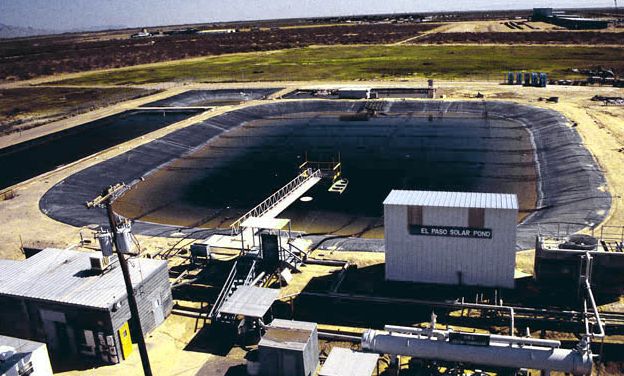
Bottom water temperature up to 99.8 deg C; electrical output 5 MW (Beit HaArava, Israel) and up to 70 kW (El Paso, USA); process heat supply of 80 000 L day^-^1 (Bhuj, India); overall thermal efficiency increase up to 55 % with gradient-layer heat extraction.
Experimental Evidence
Operational ponds in Israel (Beit HaArava), India (Bhuj), USA (El Paso, Bruce Foods), and Australia (Pyramid Hill) have demonstrated heat storage, process-heat delivery, and electricity generation. Laboratory-scale studies using polyethylene pipe heat exchangers reported up to 55 % efficiency gain.
Replication Status
Multiple full-scale demonstrations and operational plants worldwide; technology has been built, operated, and de-commissioned in several countries.
Limitations
- Evaporation losses require continuous water replenishment
- Salt crystal accumulation must be removed (maintenance cost)
- Large land area needed for high-capacity ponds
- Stability of salinity gradient over long periods
- Initial construction cost of liners and membranes