Goal
Provide a waterless, self-contained, off-grid sanitation system that converts human waste into disinfected biochar for soil amendment using solar energy.
Problem
Lack of adequate sanitation in many regions, high water and energy demand of conventional sewage treatment, and the need for carbon-sequestering waste products.
Concept Summary
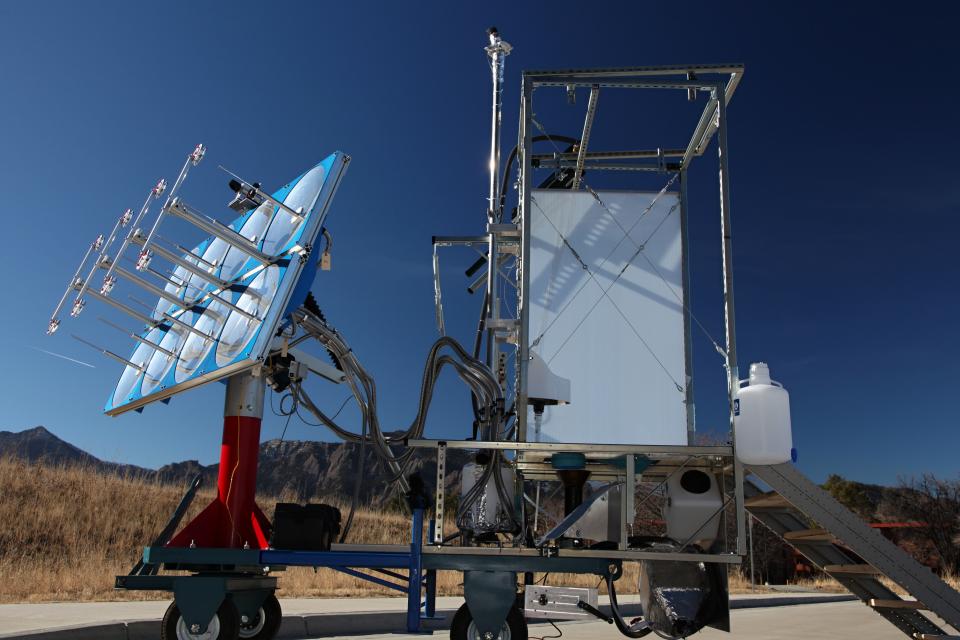
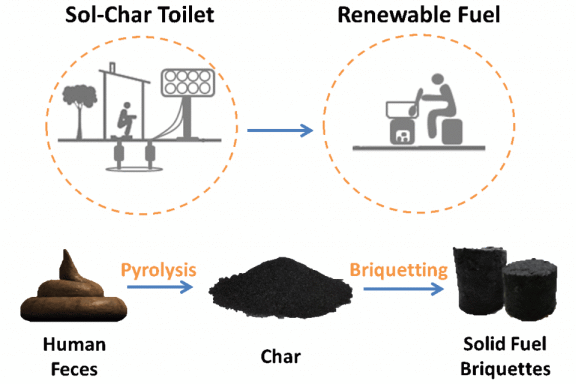
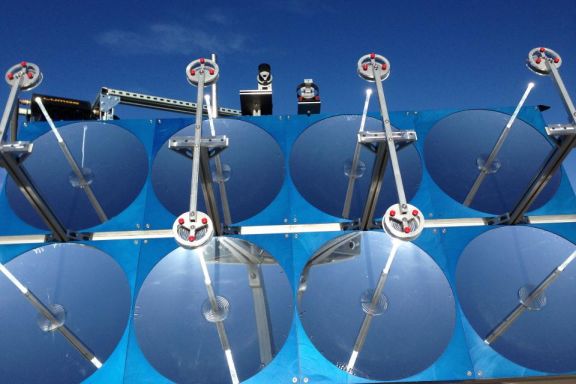
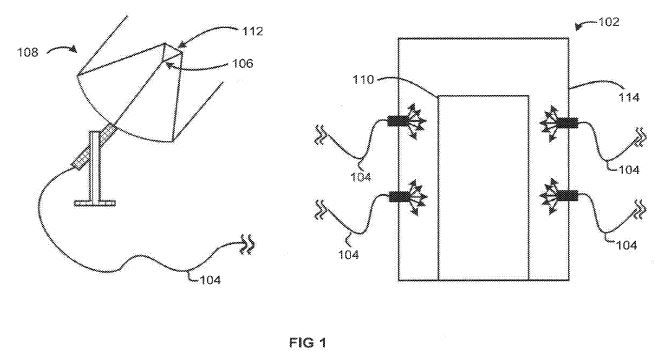
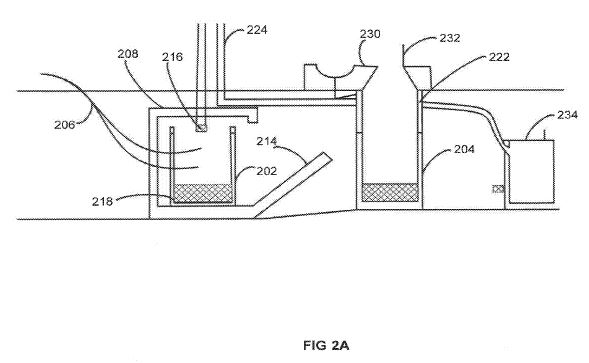
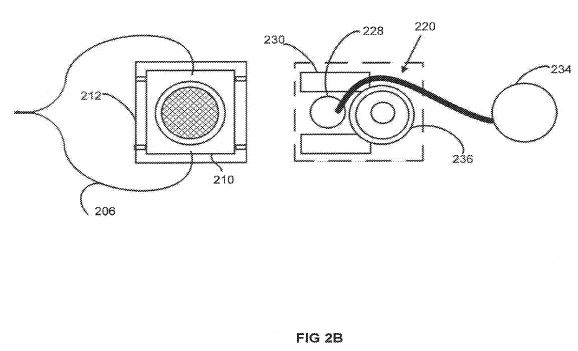
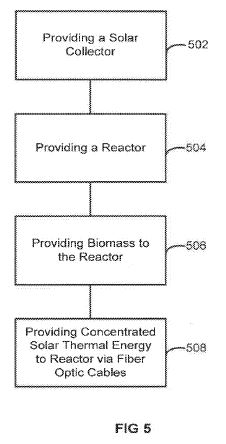
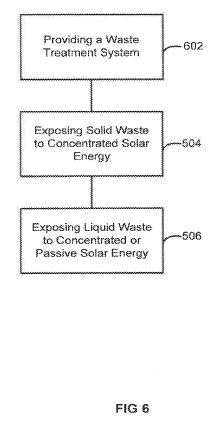
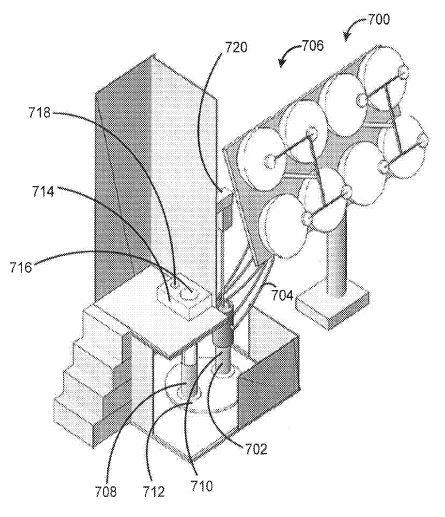
The Sol-Char Toilet uses a parabolic solar concentrator to focus sunlight (~=2000 suns) into fiber-optic bundles that deliver concentrated thermal energy to a pyrolysis reactor. A carousel alternates waste containers between a solar-heated pyrolysis zone and a collection zone, producing biochar while disinfecting waste. The system is self-contained, waterless, and can be powered entirely by solar energy.
Principles
- Concentrated solar power (CSP)
- Fiber-optic transmission of thermal energy
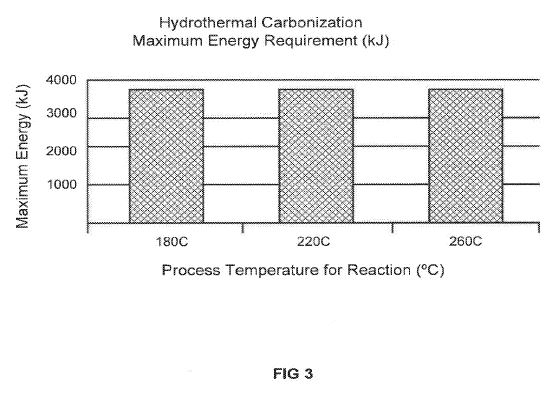
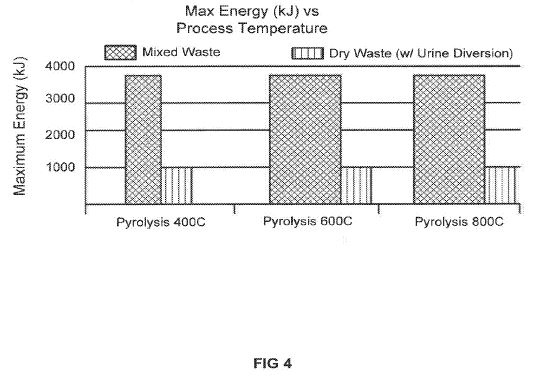
- Pyrolysis / hydrothermal carbonization
- Thermal insulation
- Rotating carousel for semi-continuous operation
- Odor control via activated-carbon filter
Scientific Domains
Materials
- Human waste (biomass)
- Biochar
- Insulating material (e.g., ceramic fiber)
- Glass fiber-optic cables
- Parabolic mirror (metal/aluminum)
- Solar hood (metal)
- Activated carbon
Mechanisms of Action
- Solar concentration raises reactor temperature to pyrolysis levels
- Fiber-optic cables transport heat to the reactor without moving parts
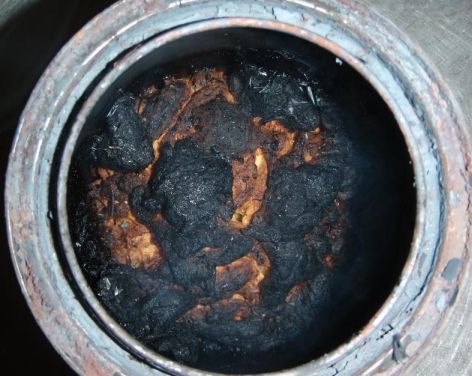
- Thermal decomposition of waste produces carbon-rich biochar
- Condensation of water vapor removes moisture
- Activated-carbon filter removes odor-causing compounds
Energy Sources
Applications
- Rural and off-grid sanitation
- Carbon-sequestering soil amendment
- Renewable-energy-driven waste treatment
Claimed Performance
Prototype operates with ~1 kW solar input, achieves high-temperature pyrolysis, produces disinfected biochar suitable for soil amendment, and functions completely off-grid.
Experimental Evidence
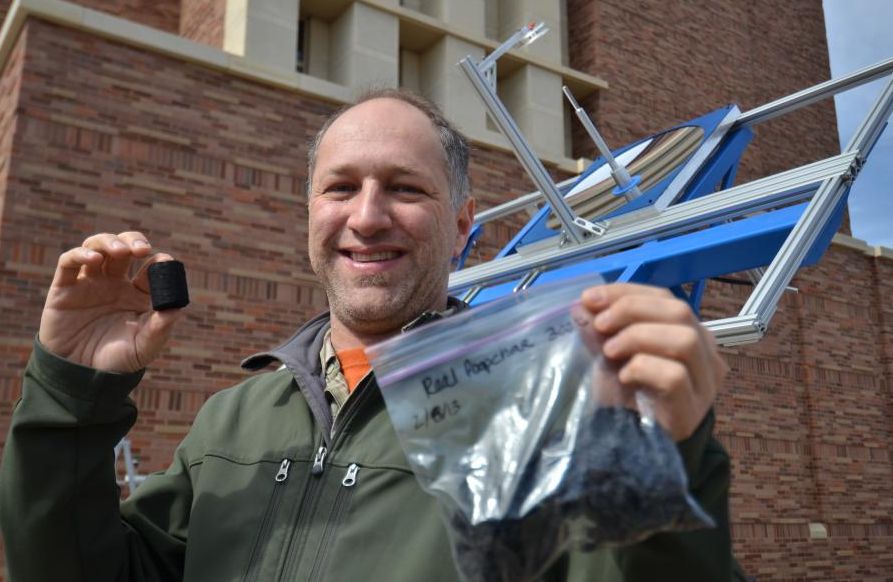
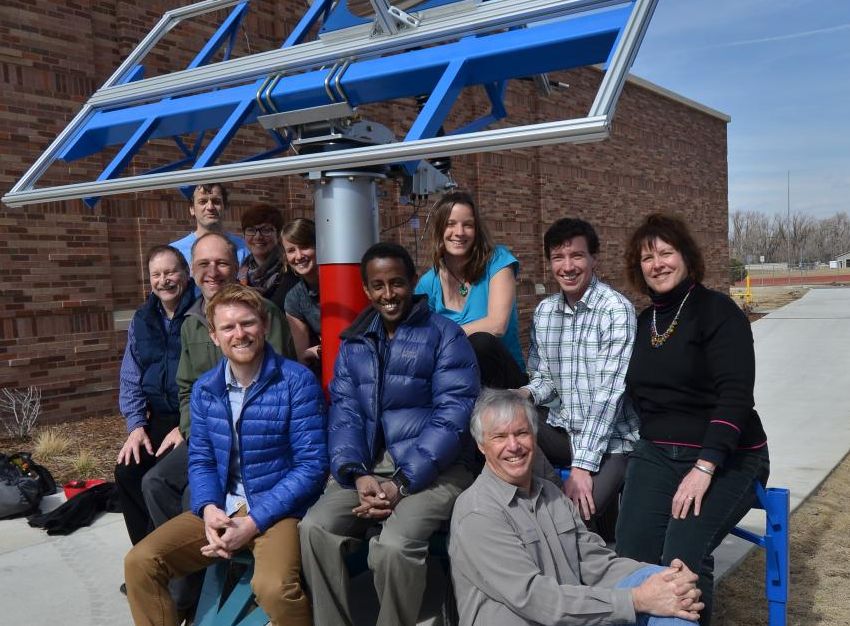
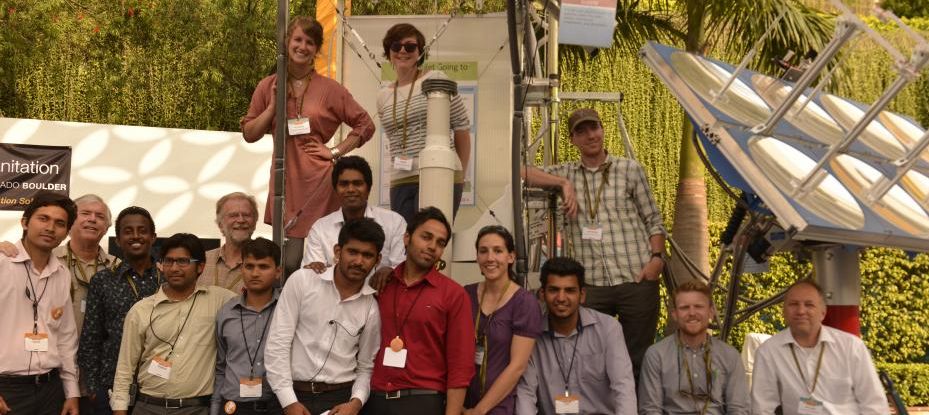
A 1 kW Sol-Char prototype was built and demonstrated at the University of Colorado Boulder, converting human waste to biochar using concentrated sunlight delivered via fiber optics. Video demonstrations and a patent filing document the system.
Replication Status
Prototype built and tested at the University of Colorado; no independent replication reported.
Limitations
- Requires sufficient direct sunlight
- Performance depends on solar concentration and insulation quality
- Potential odor management challenges
- Scale-up to multiple users needs larger solar collector area