Goal
Treat and cure cancer by selectively destroying cancer cells
Problem
Cancerous tumors and malignant cells
Concept Summary
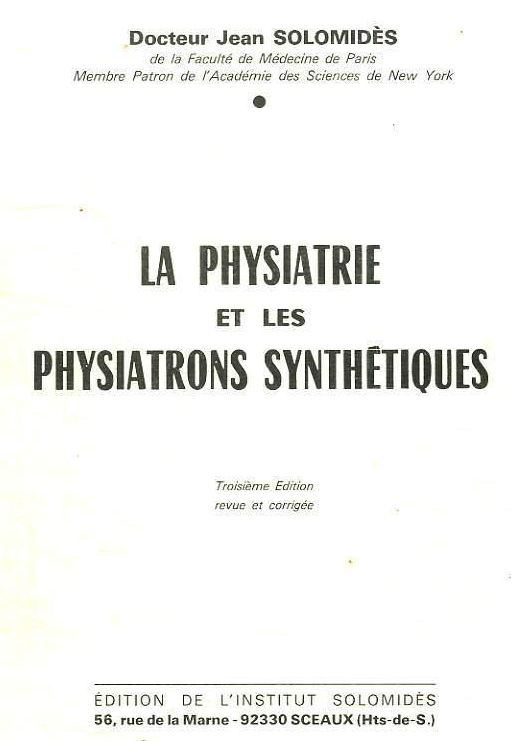
Jean Solomides claimed that synthetic peroxidases (oxidation catalysts) and certain oil/aldehyde based formulations selectively bind to cancer cell membranes and oxidize them, leading to tumor regression. He also used iodized cod liver oil and aldehydes (hexanal, heptanal, octanal, citral) as topical or injectable treatments for various cancers and skin conditions.
Detailed Description
Solomides discovered in 1947 that synthetic peroxidases could destroy cultures of tuberculous bacilli and cancer cells by oxidation, selectively fixing on their membranes. He prepared ointments and injections containing cod liver oil distillate, synthetic peroxidases, and aldehydes (hexanal, heptanal, octanal, citral) and reported anecdotal cures, such as his father's inoperable liver tumor disappearing within three weeks. He also marketed products like Gadistol (cod liver oil based) for eczema, skin cancers, and radiodermitis. The treatments were claimed to prevent tumor development, reduce suffering, and allow patients to resume normal activities, but they were never approved by regulatory agencies.
Principles
- Selective oxidation of cancer cell membranes
- Catalytic activity of synthetic peroxidases
- Membrane-binding selectivity of peroxidase complexes
- Cytotoxic effects of aldehydes on tumor cells
Scientific Domains
Materials
- Synthetic peroxidase (oxidation catalyst)
- Cod liver oil (iodized distillate)
- Hexanal
- Heptanal
- Octanal
- Citral
- Geranyl
- Urethane
Mechanisms of Action
- Oxidative damage to tumor cell membranes via peroxidase activity
- Selective binding of peroxidase complexes to cancer cells
- Aldehyde-induced cytotoxicity and inflammation modulation
Applications
- Cancer treatment
- Skin cancer therapy
- Eczema and dermatological conditions
Claimed Performance
Complete disappearance of an inoperable liver tumor in three weeks; cure of numerous skin cancers and eczema; reported remission of various internal cancers.
Experimental Evidence
Anecdotal case reports (e.g., father's liver tumor, individual skin cancer cases) and limited publications in French medical journals; no peer-reviewed clinical trials or quantitative data presented.
Limitations
- Lack of controlled clinical trials
- Unclear safety profile of synthetic peroxidases
- No regulatory approval (AMM) obtained
- Reliance on anecdotal evidence
Red Flags
- Claims of cure without quantitative data
- Legal disputes over illegal practice of medicine
- Potential for unverified toxicity