Goal
Convert solar radiation into high-temperature heat for industrial processes, power generation, and material processing.
Problem
Need for a renewable, high-temperature heat source to replace fossil fuels and enable high-temperature processes such as metal melting, steam generation, and hydrogen production.
Concept Summary
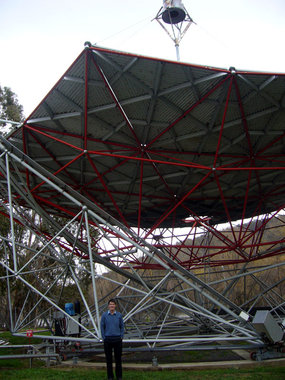
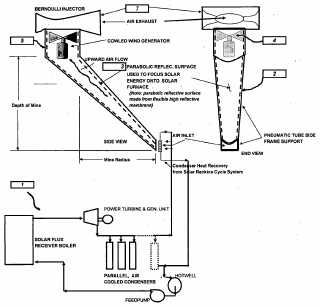
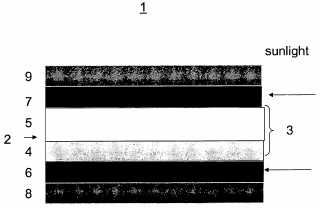
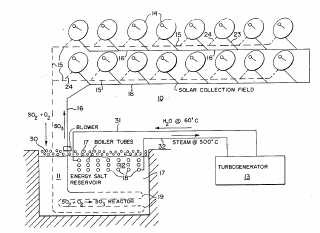
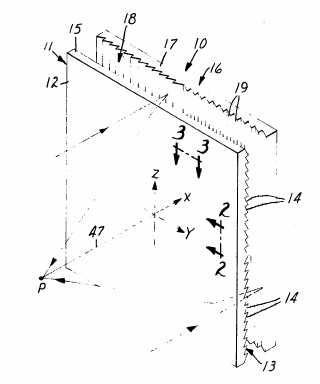
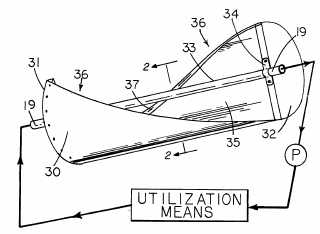
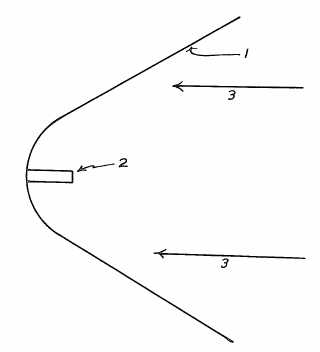
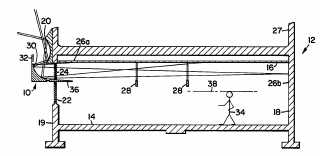
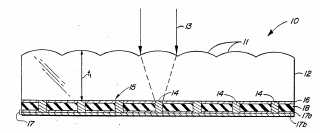
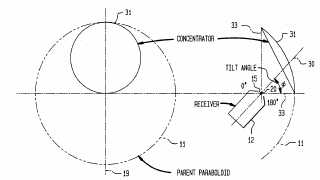
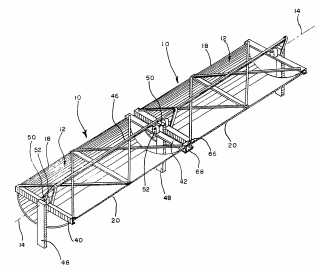
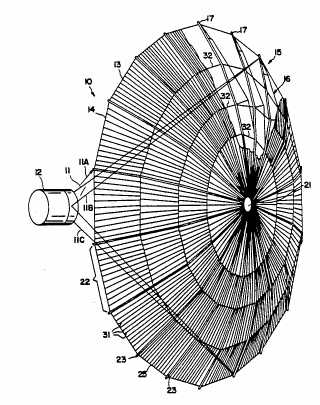
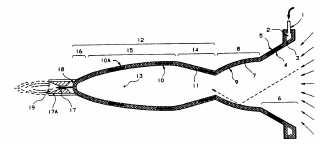
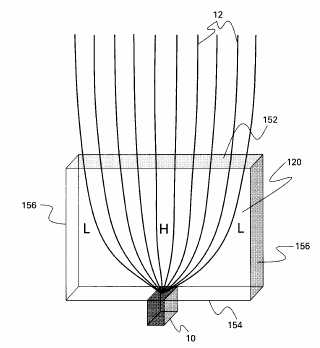
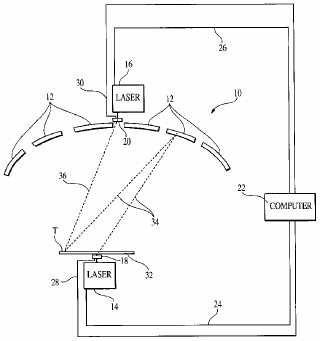
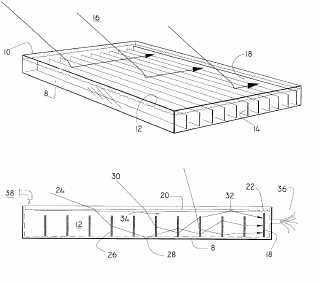
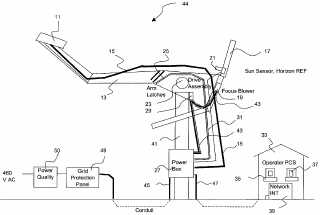
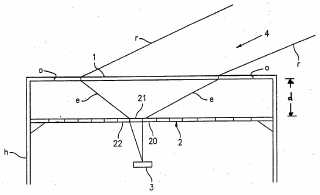
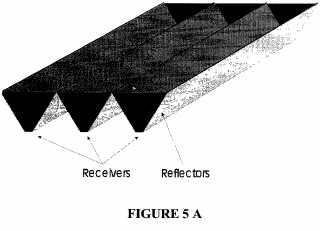
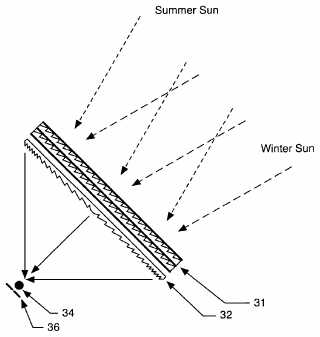
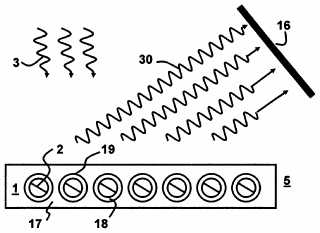
A solar furnace uses an array of mirrors, lenses or Fresnel reflectors to concentrate sunlight onto a small focal region. The concentrated radiation is absorbed by a heat-conducting element or fluid, raising its temperature to several hundred degrees Celsius. The heat can be stored in phase-change salts, transferred to water or oil for steam generation, or used to vaporize carbon for hydrogen production. Many designs incorporate rotary heat-collector elements, evacuated glass blocks with zinc coating, or fiber-glass-reinforced plastic dishes to improve efficiency and temperature capability.
Detailed Description
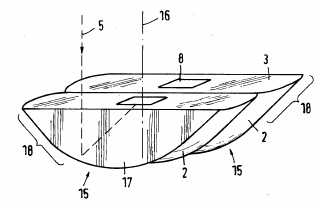
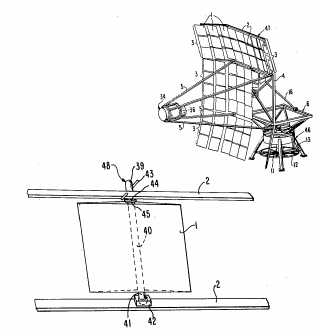
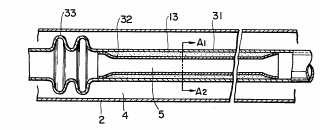
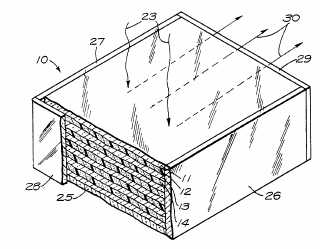
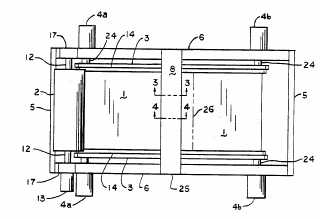
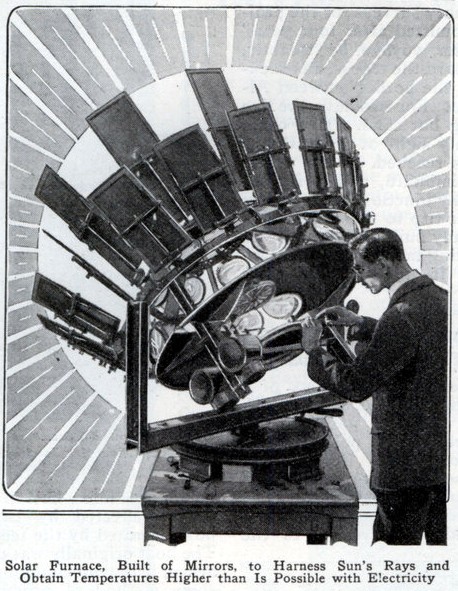
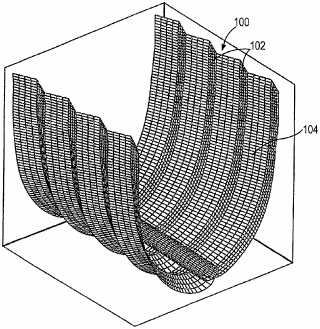
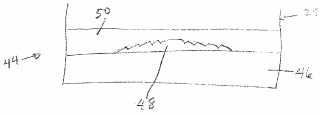
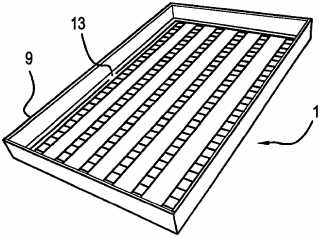
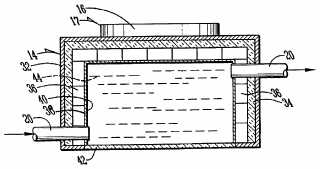
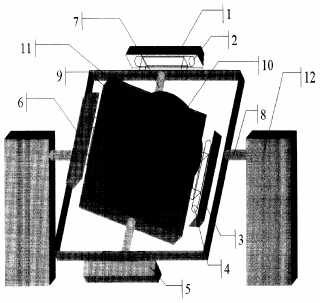
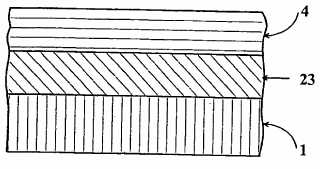
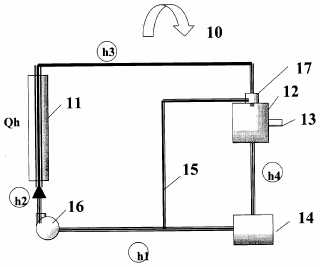
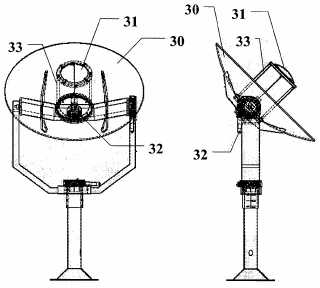
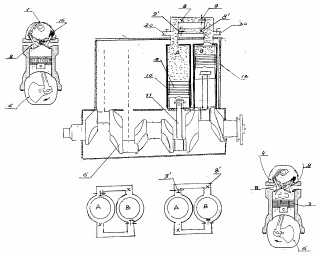
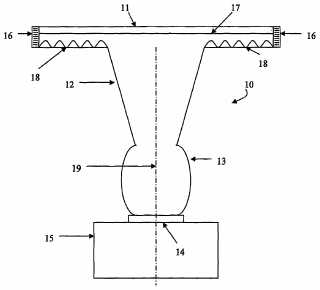
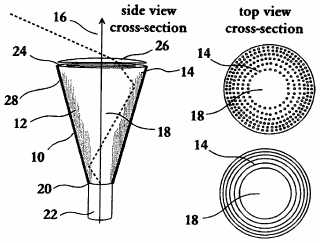
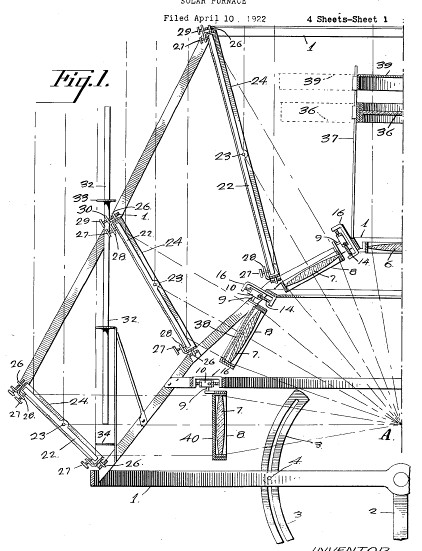
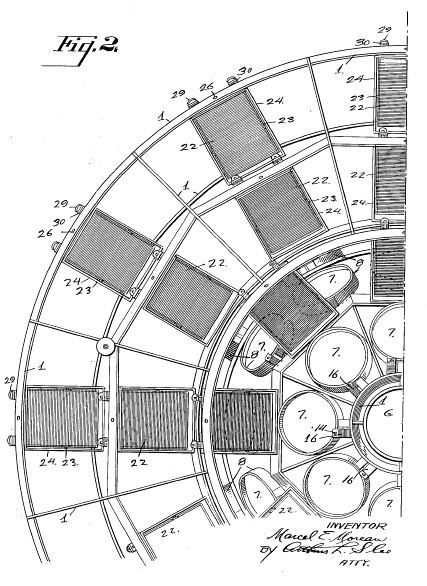
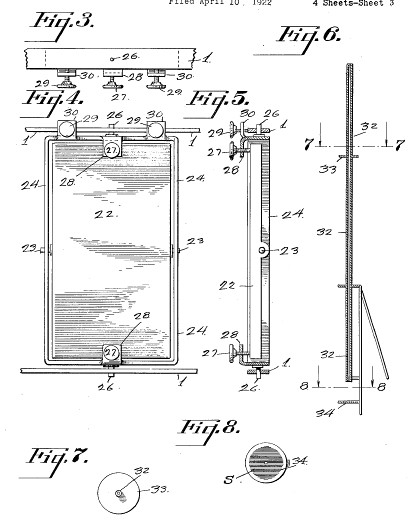
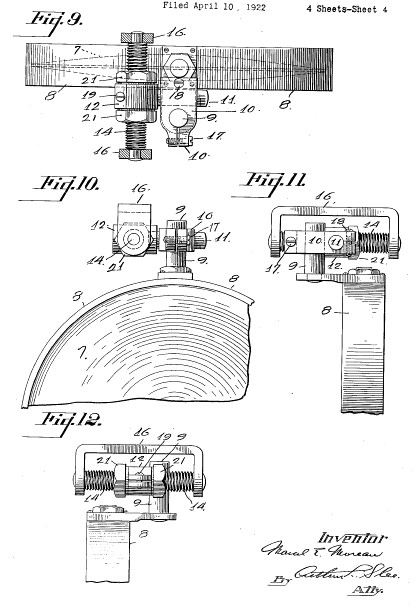
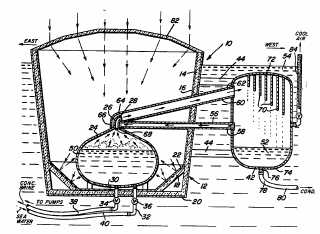
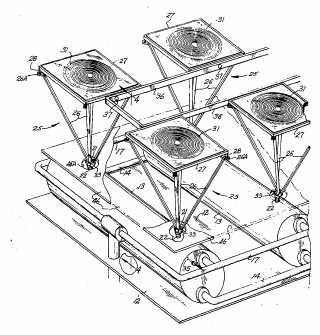
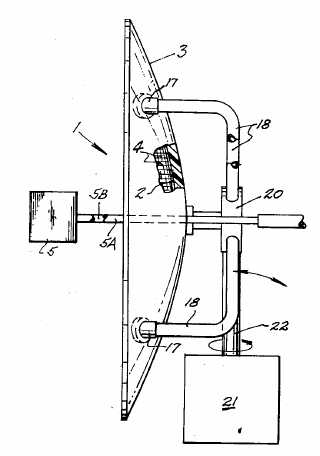
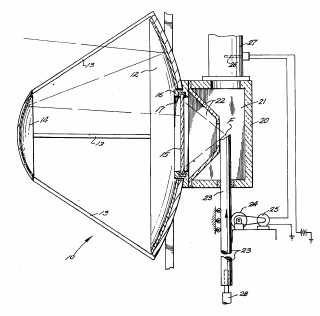
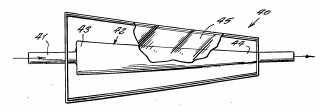
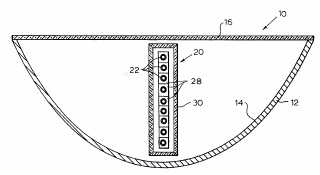
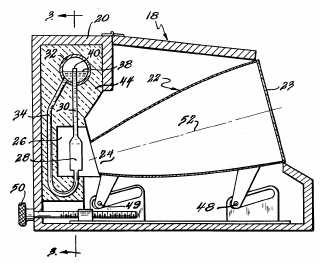
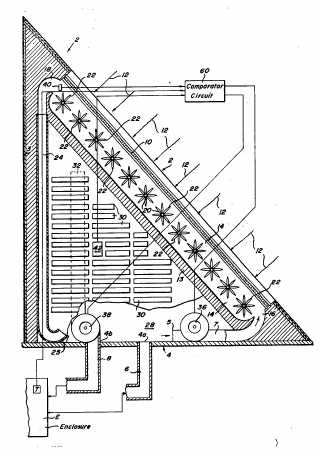
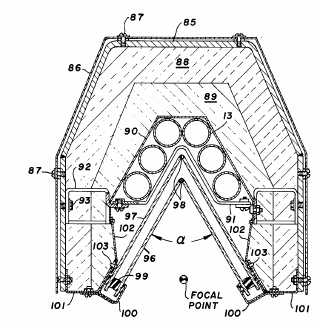
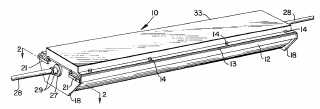
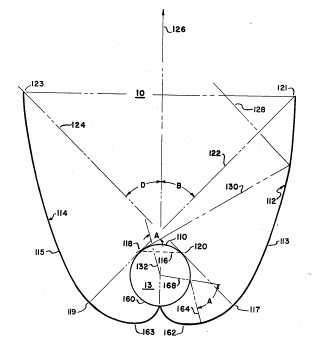
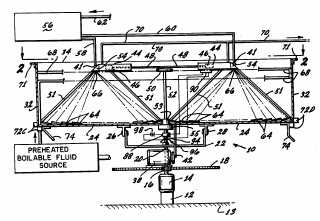
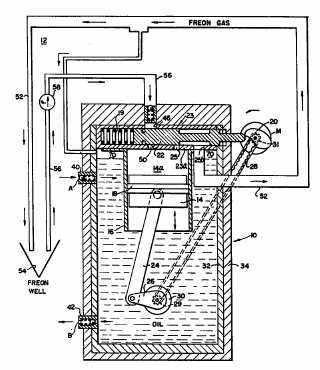
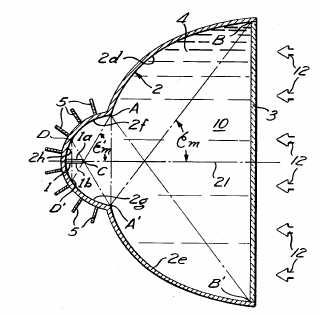
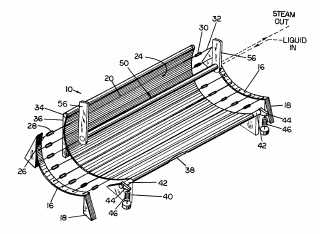
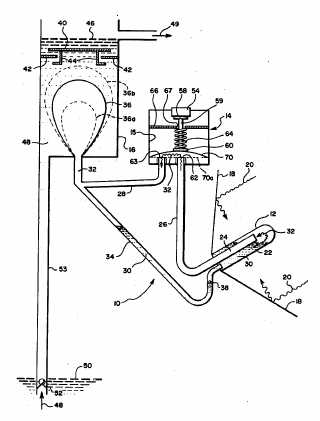
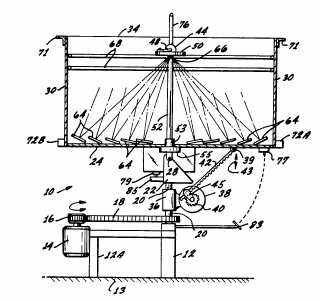
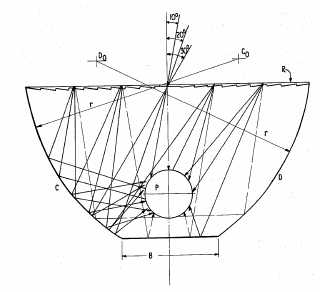
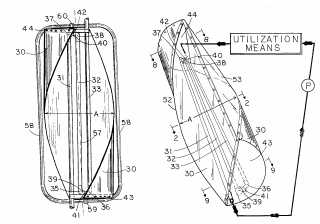
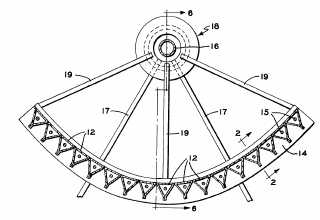
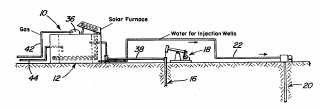
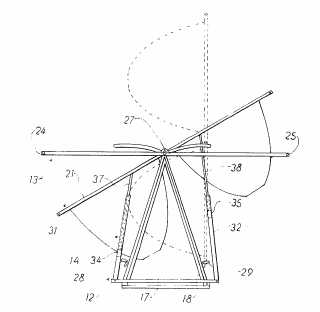
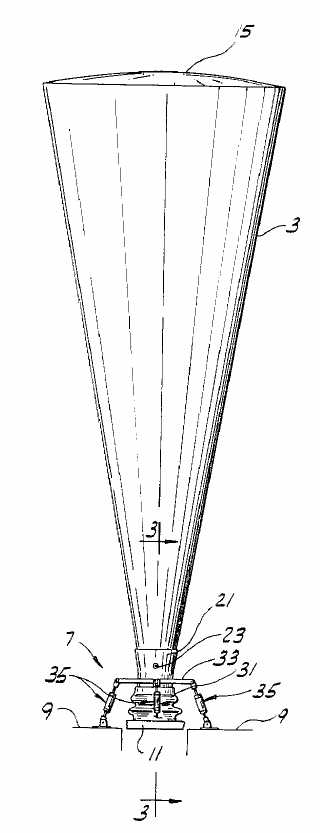
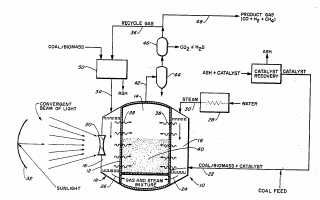
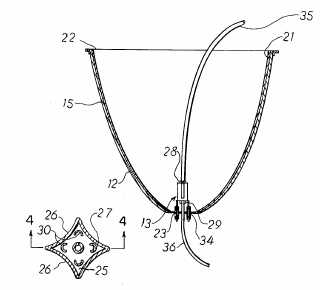
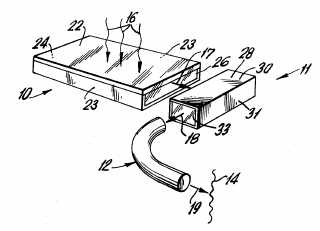
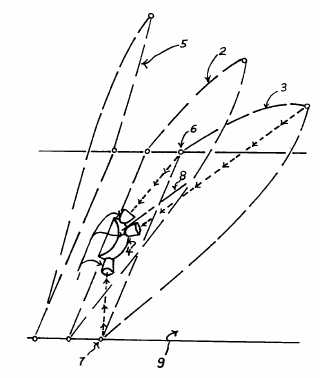
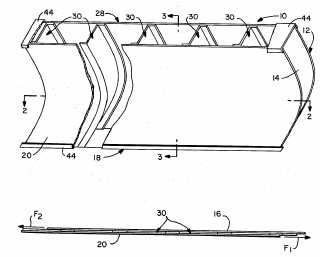
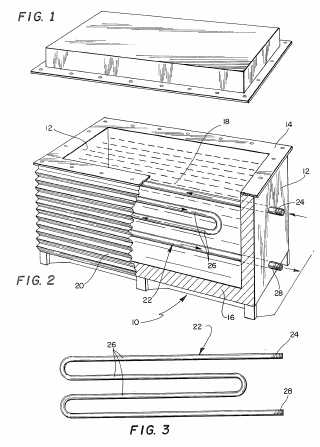
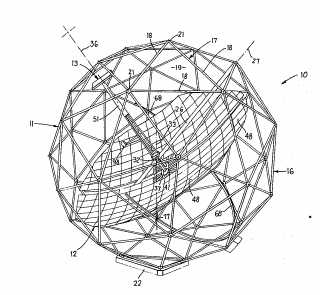
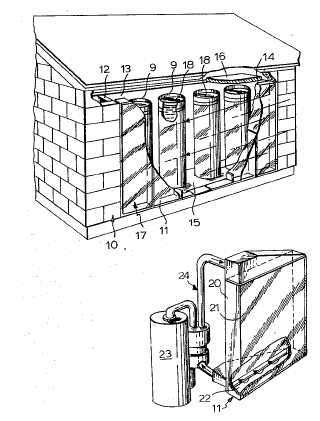
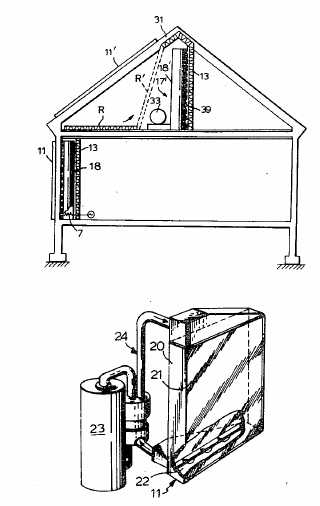
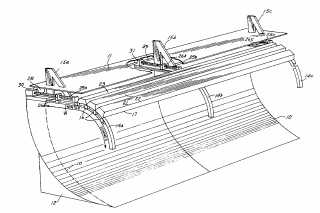
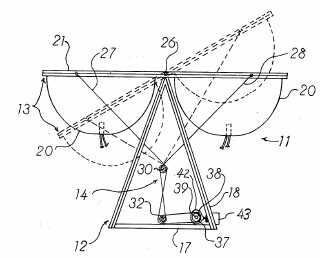
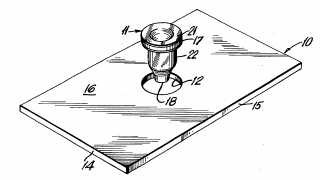
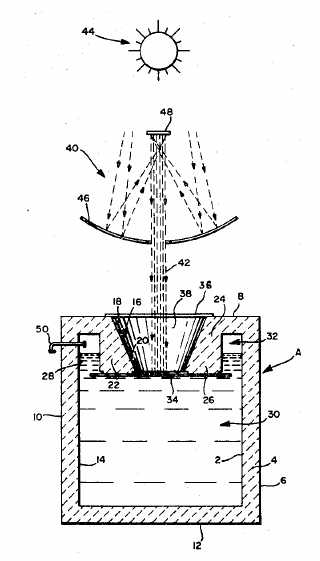
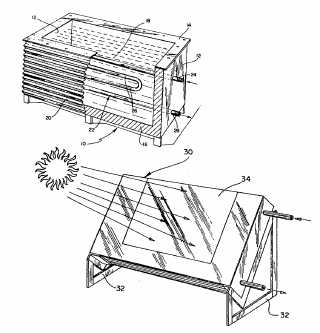
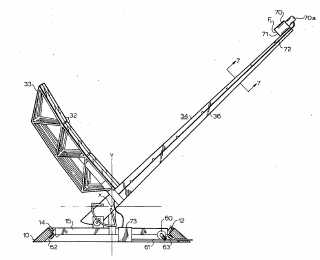
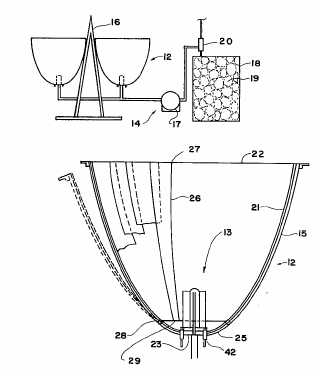
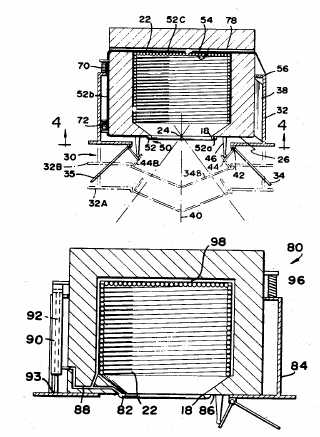
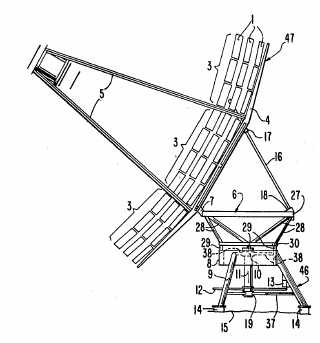
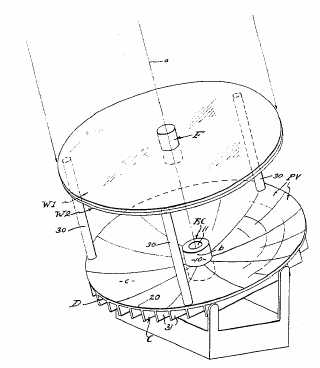
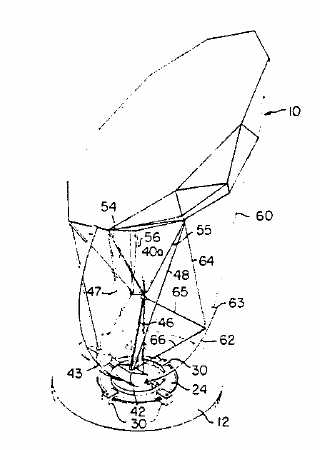
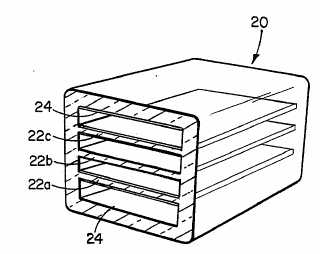
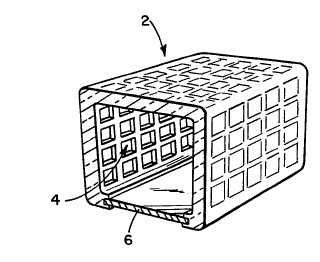
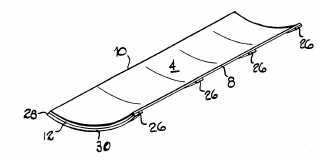
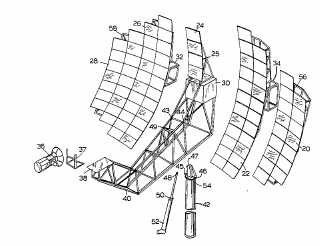
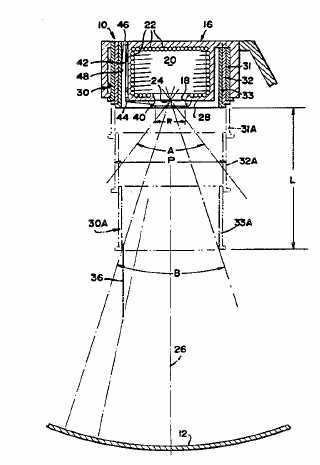
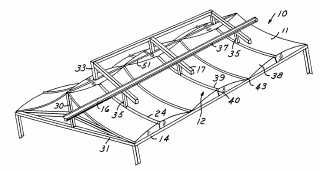
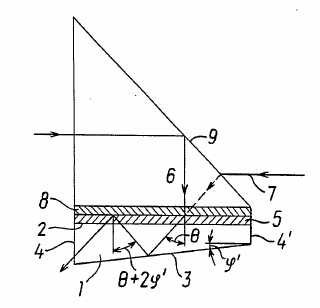
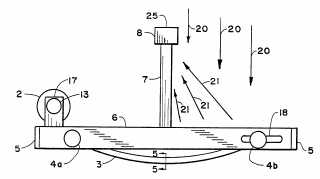
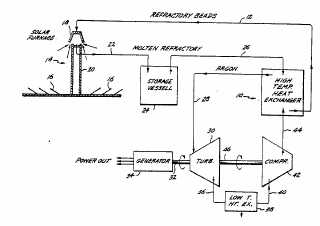
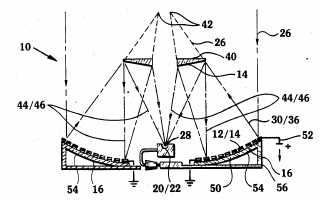
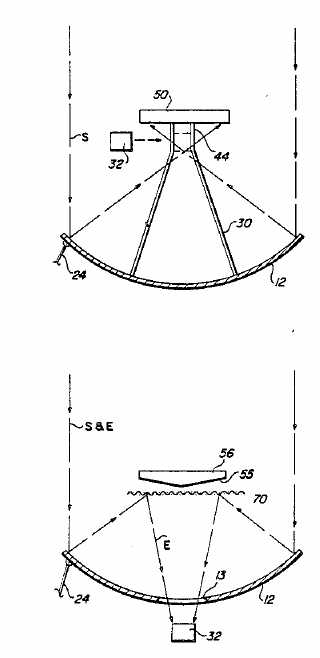
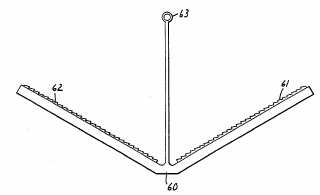
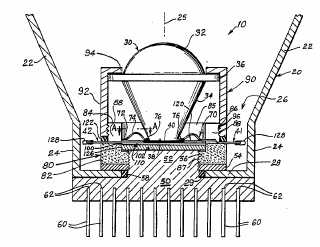
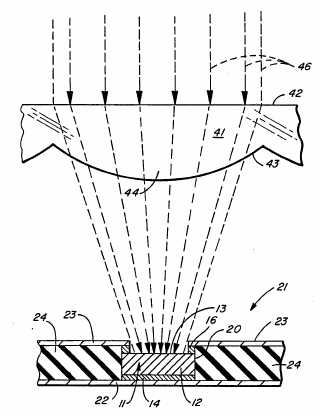
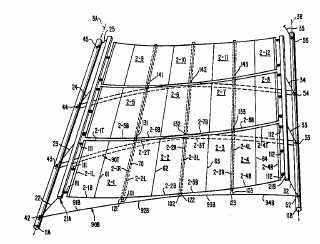
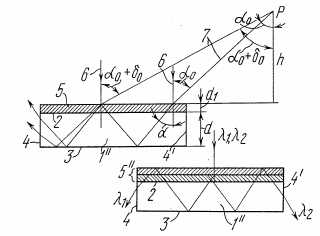
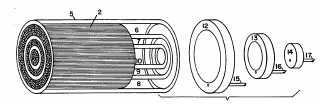
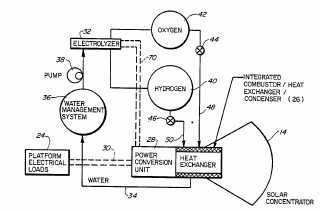
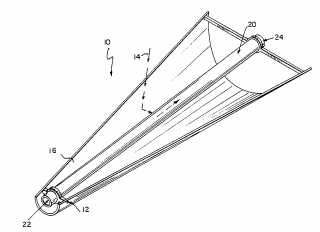
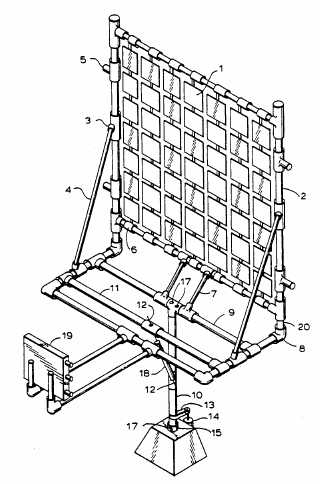
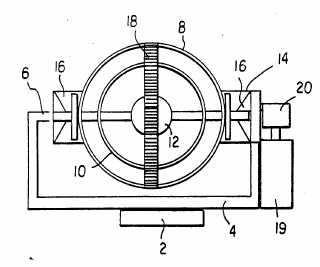
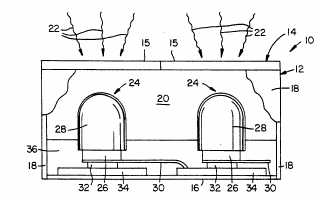
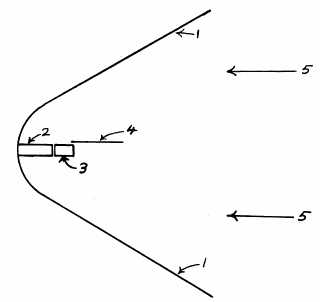
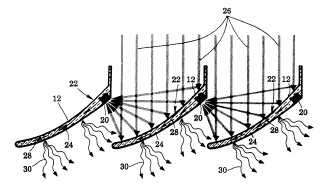
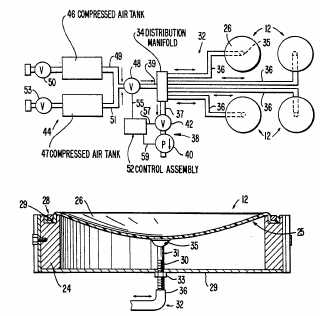
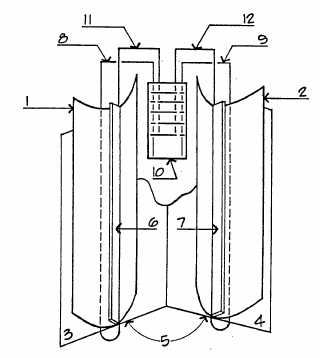
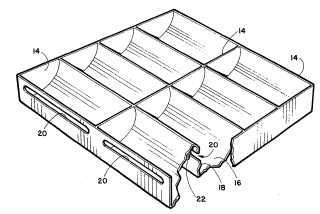
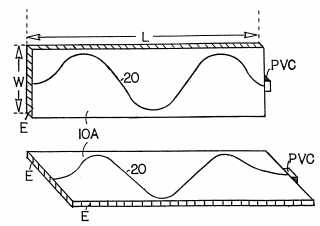
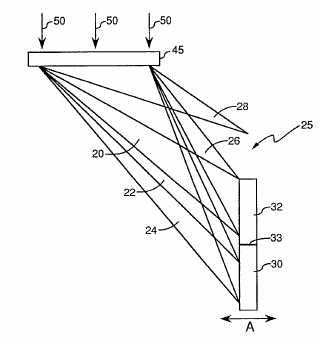
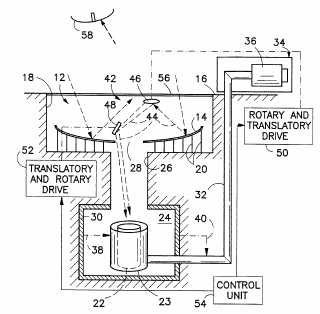
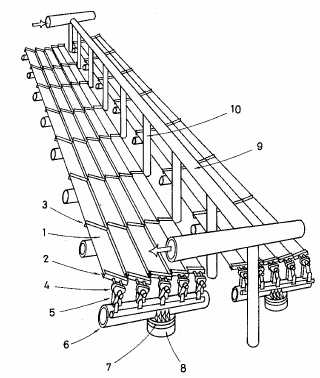
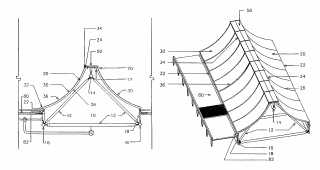
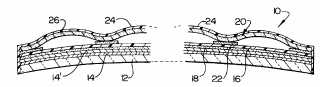
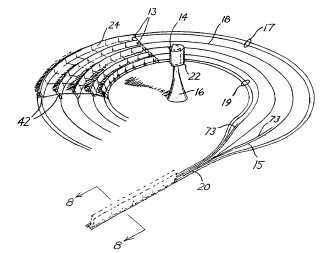
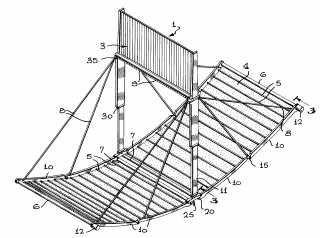
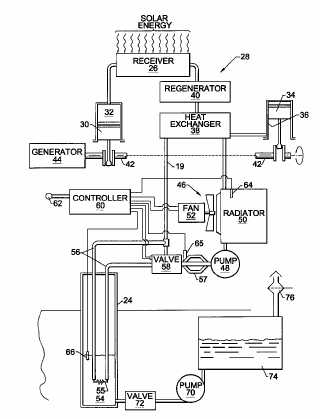
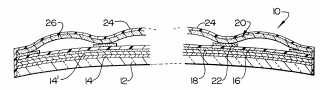
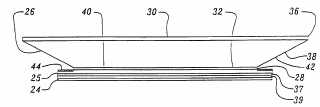
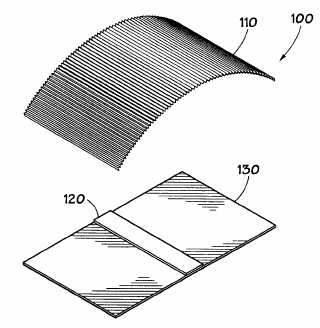
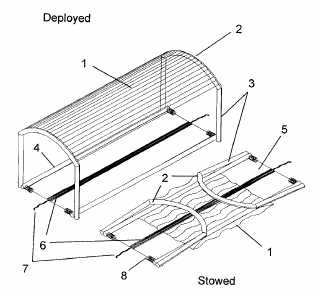
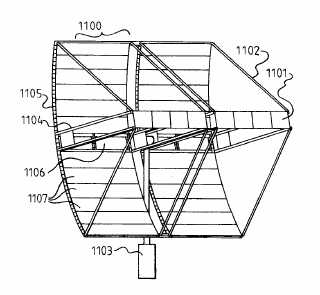
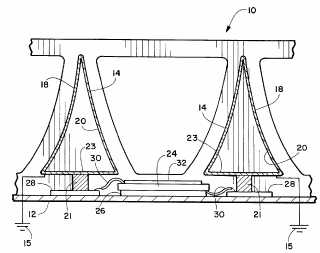
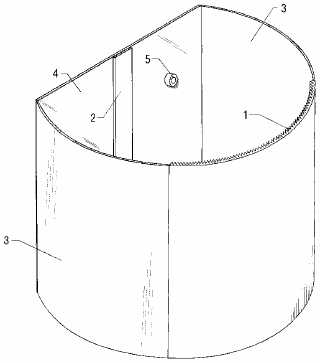
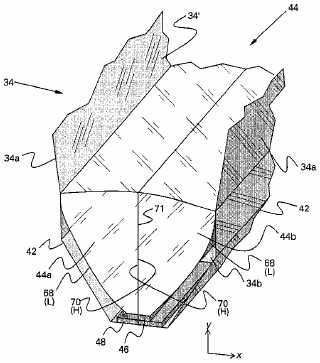
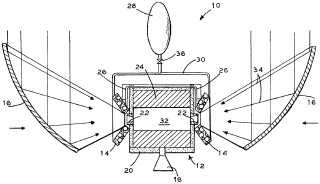
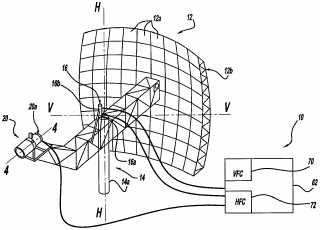
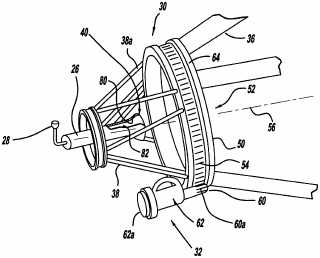
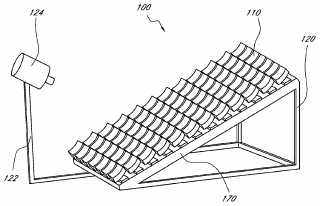
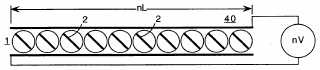
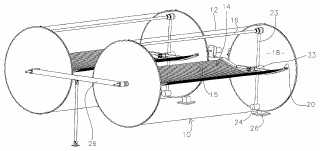
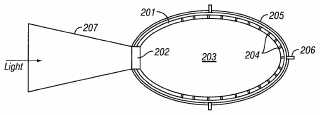
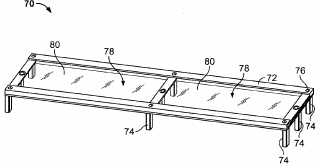
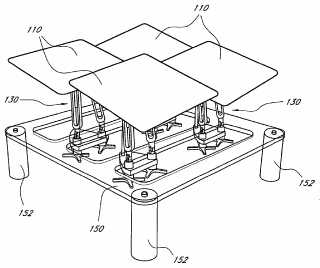
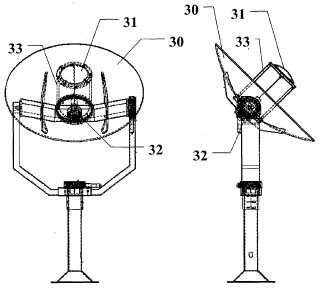
The patents describe several implementations: (1) a cone of mirrors and dome lenses focusing sunlight to a sub-inch spot that melts metals; (2) rotary vane-type heat collectors beneath a transparent wall that heat a fluid for storage; (3) a dish-shaped reflector feeding a Fresnel lens that vaporizes a carbon conduit to catalyze hydrogen; (4) a fiber-glass-reinforced plastic dish with embedded mirrors; (5) Fresnel lenses focusing on heat conductors that drive a steam turbine; (6) an internal vaporization engine where Freon is heated by a solar furnace; (7) cylindrical glass-fiber tubes filled with water or eutectic salts for building heating; (8) evacuated glass block elements with interior zinc coating achieving >300 deg C; and (9) a modular reflector-collector-fluid system with movable curved segments. All share the principle of solar concentration, thermal absorption, and heat transfer to a working fluid or solid storage medium.
Principles
- Solar concentration
- Thermal absorption
- Heat exchange
- Phase-change heat storage
Scientific Domains
Materials
- Glass
- Metal (aluminum, steel, zinc coating)
- Fresnel lenses (plastic)
- Fiber-glass reinforced plastic
- Eutectic salts
- Water
- Concrete
- Insulating glass
- Freon (refrigerant)
Mechanisms of Action
- Concentration of solar radiation using mirrors, lenses, or Fresnel reflectors
- Conversion of concentrated radiation to heat in an absorber
- Transfer of heat to a fluid or solid storage medium
- Use of phase-change materials to store thermal energy
Energy Sources
Applications
- Industrial heating
- Power generation
- Material processing
- Hydrogen production
- Building heating
Claimed Performance
Temperatures up to >300 deg C, ability to melt common metals, evaporate 489 in^3 / h of water (~=1 hp), generate steam for turbines, and produce hydrogen from carbon vaporization.
Experimental Evidence
Historical tests reported melting metals, evaporating 489 cubic inches of water per hour, and achieving temperatures sufficient to melt substances considered infusible; a patented furnace with zinc-coated evacuated glass blocks reached 300 deg C at mid-latitudes.
Replication Status
Multiple prototypes built and patented; no independent peer-reviewed replication documented.
Limitations
- Requires direct, unobstructed sunlight
- Temperature limited by material properties (e.g., zinc coating, glass)
- Scale-up complexity for large-scale power generation
- Potential thermal losses without adequate insulation