Goal
Provide safe drinking water by disinfecting contaminated water using solar energy.
Problem
Lack of reliable drinking water and electricity in developing regions, leading to water-borne diseases.
Concept Summary
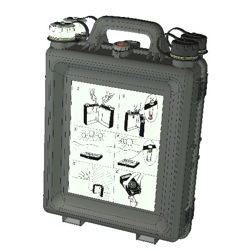
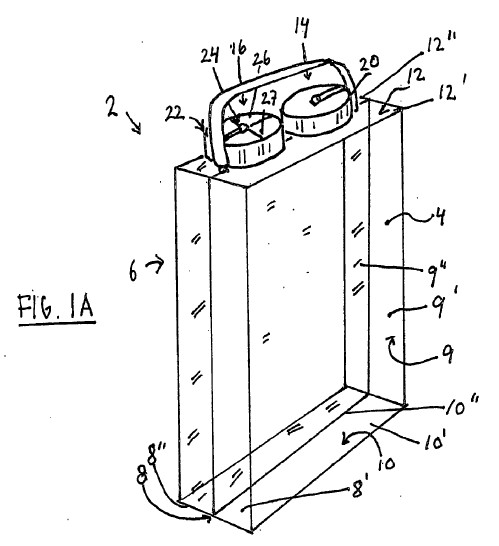
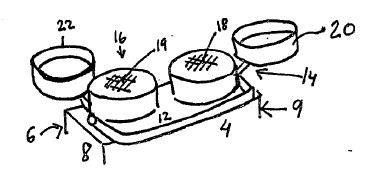
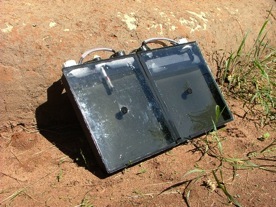
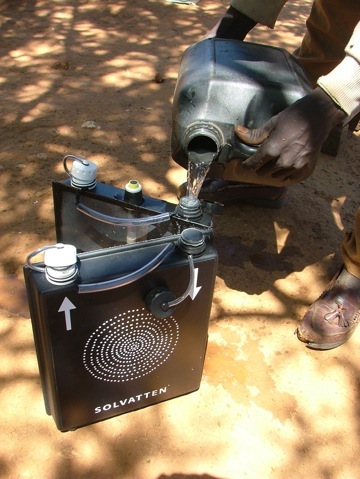
A portable 10-liter container with a transparent solar-permeable side and a black UV-absorbing side. Sunlight heats the water above 60 deg C while UV radiation inactivates microbes; built-in filters remove particulates. An indicator shows when the water has reached a safe temperature.
Principles
- Solar heating
- Ultraviolet radiation
- Physical filtration
Scientific Domains
Materials
- Transparent plastic (UV-permeable)
- Black plastic or coating (absorbing layer)
- Filter media (cloth, mesh)
Mechanisms of Action
- Heating water above 60 deg C for pasteurisation
- UV-induced microbial inactivation
- Mechanical removal of larger particles by filter elements
Energy Sources
Applications
- Rural drinking water supply
- Emergency and disaster relief
- Off-grid households
Claimed Performance
Treats 10 L of water in 3-4 hours, reaches >=55 deg C, meets WHO standard of <1 CFU/100 mL, can save up to 2 500 kg firewood per year.
Experimental Evidence
Trial in Nepal demonstrated that the device can sterilise water after several hours of sun exposure; WHO standard compliance claimed by inventor.
Replication Status
Patent granted (US2007262010) and field trials reported; no independent large-scale replication documented.
Limitations
- Ineffective in rain or prolonged cloud cover
- Requires several hours of direct sunlight
- Limited to small batch volumes (~=10 L per cycle)