Goal
Generate excess (over-unity) energy by coupling water electrolysis with gas expansion and combustion in a closed-loop system.
Problem
Low efficiency and high energy consumption of conventional water electrolysis and the need for renewable transportation fuels.
Concept Summary
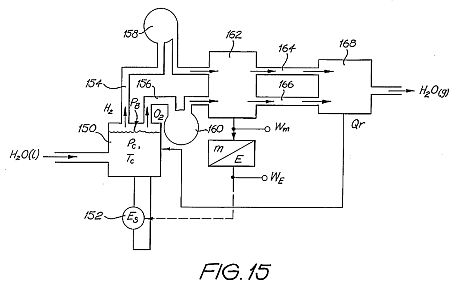
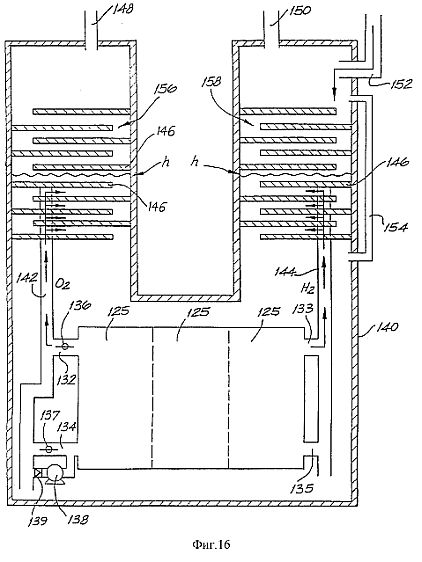
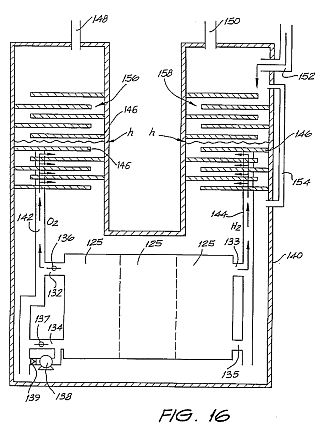
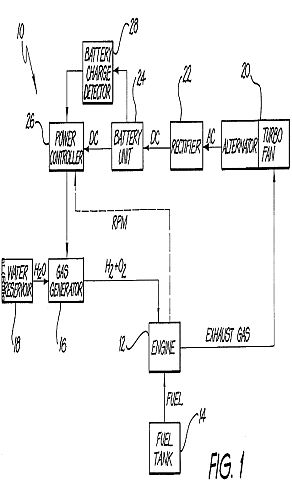
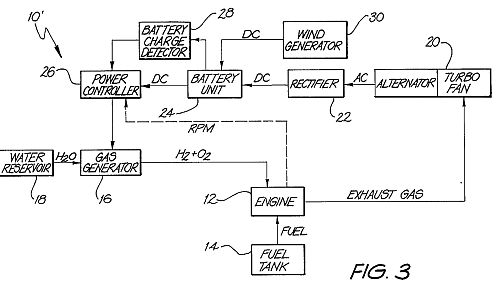
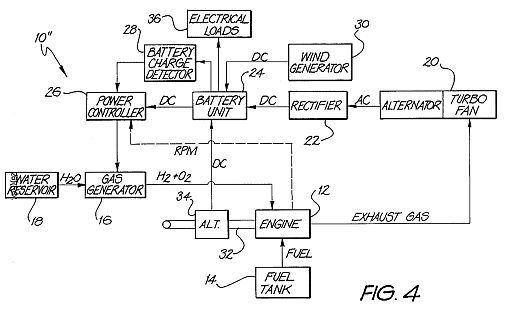
The invention describes a closed-loop system where a DC-driven electrolysis cell splits water into hydrogen and oxygen. The gases are stored, expanded to recover mechanical work, and then combusted (or fed to a fuel cell) to recover additional work. A portion of the combined expansion and combustion work is fed back to sustain the electrolysis, leaving surplus energy that can be used for external work or fuel production.
Detailed Description
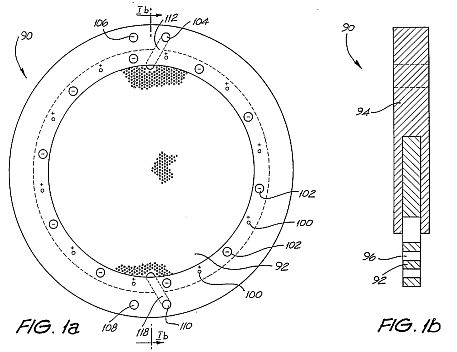
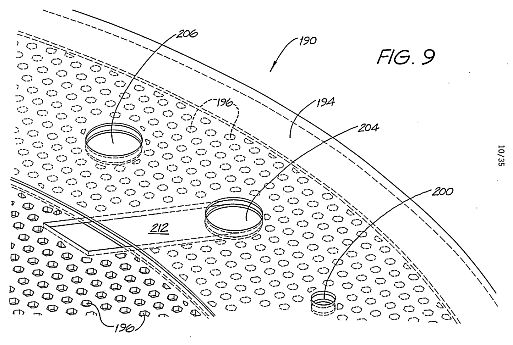
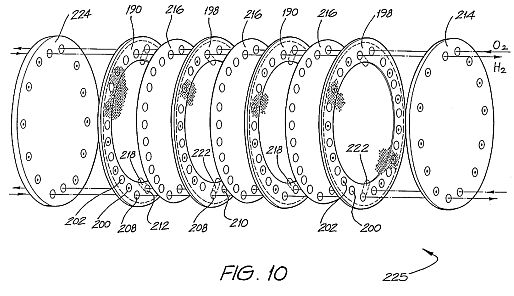
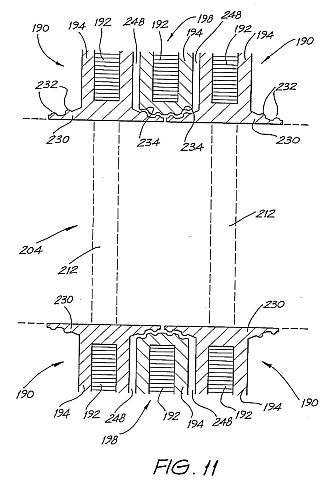
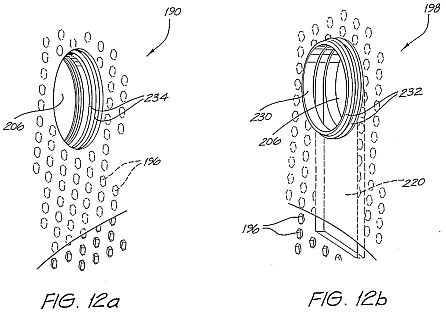
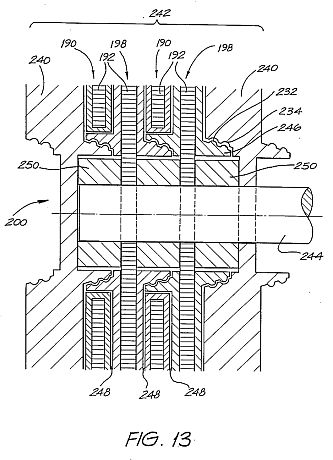
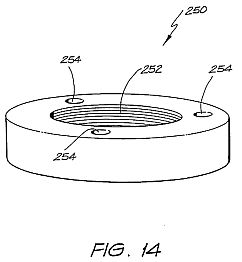
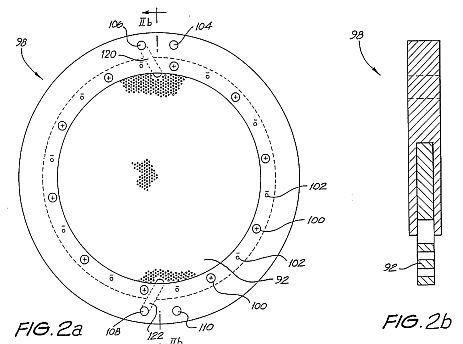
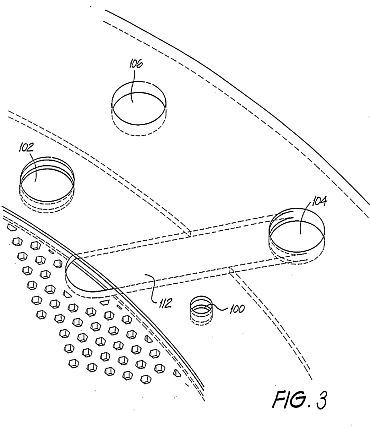
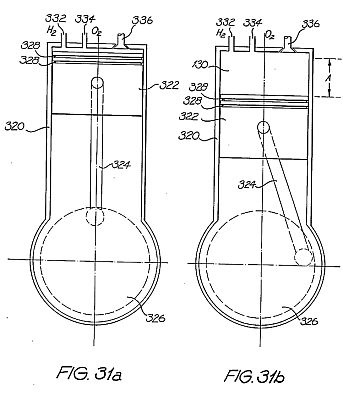
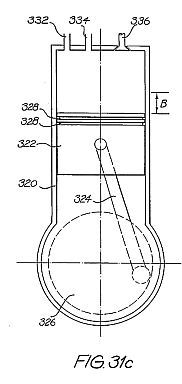
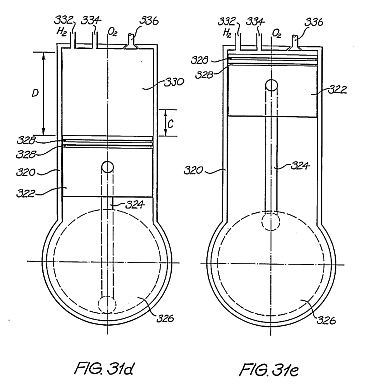
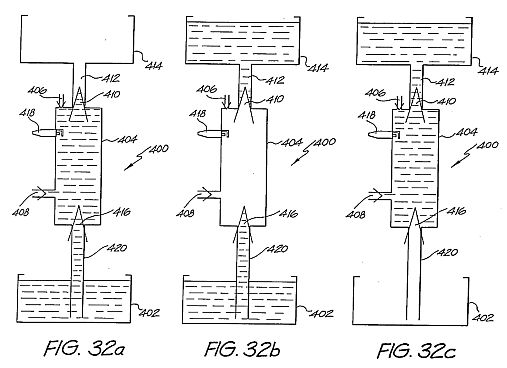
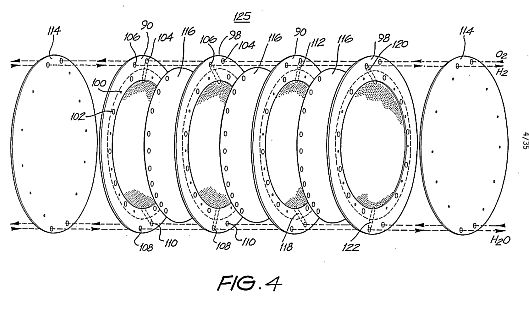
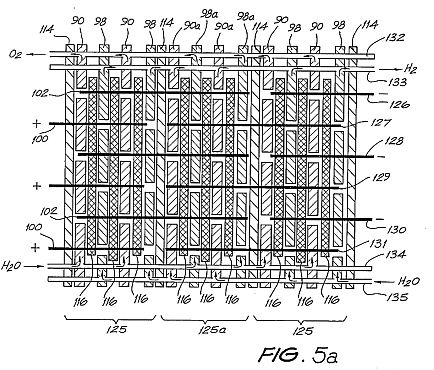
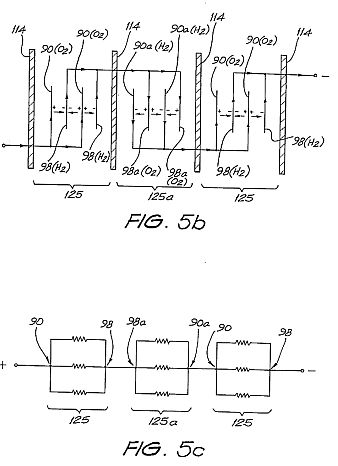
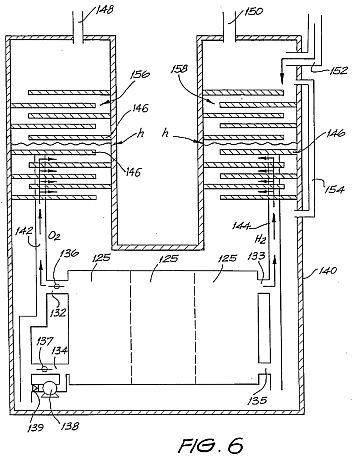
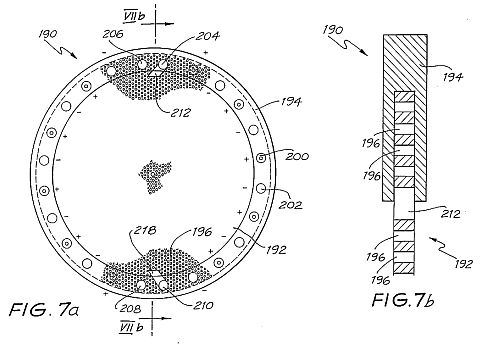
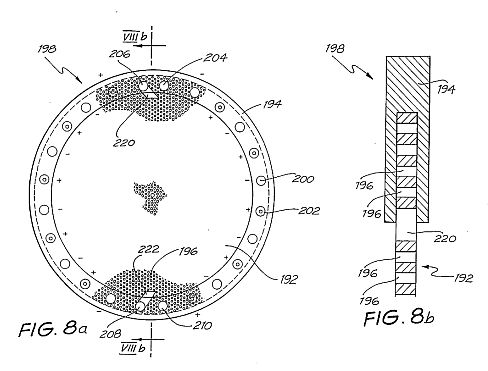
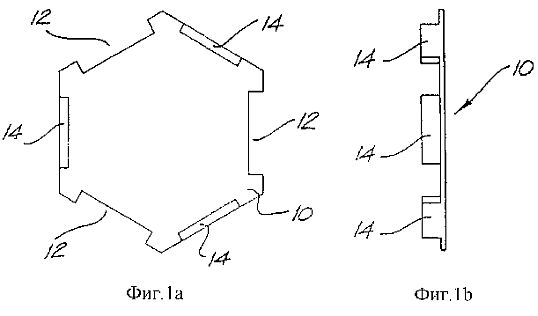
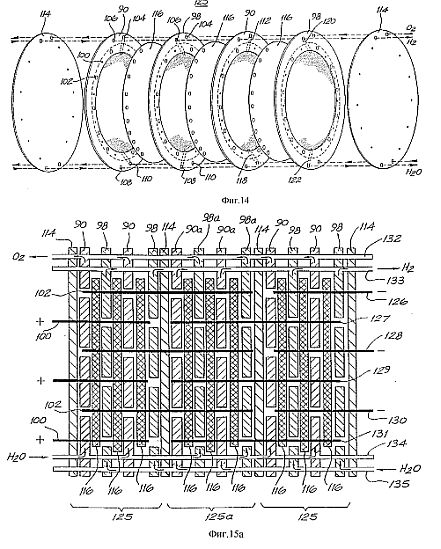
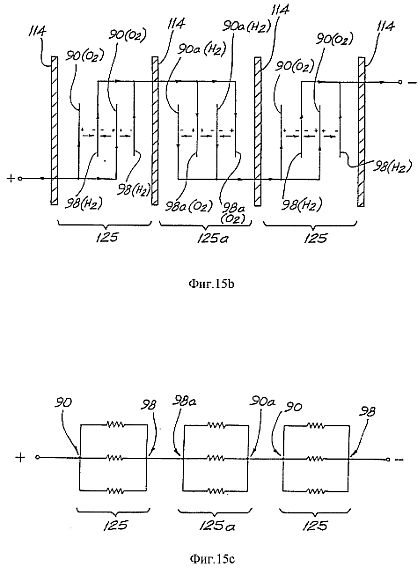
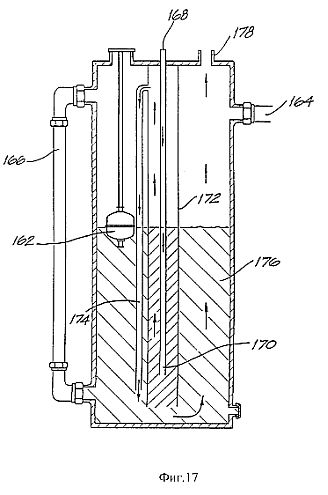
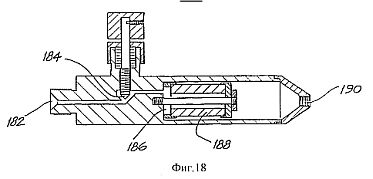
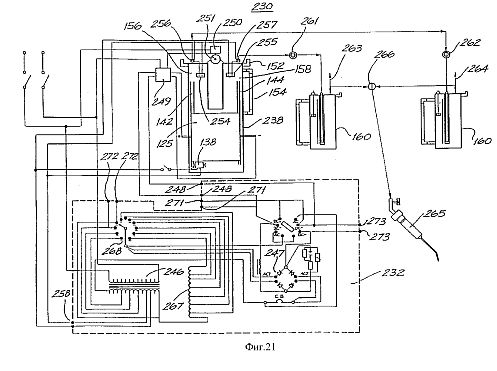
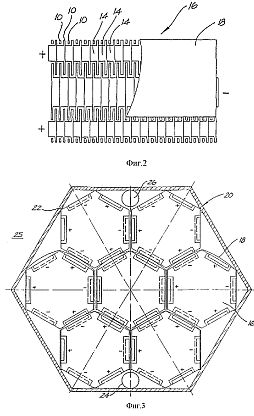
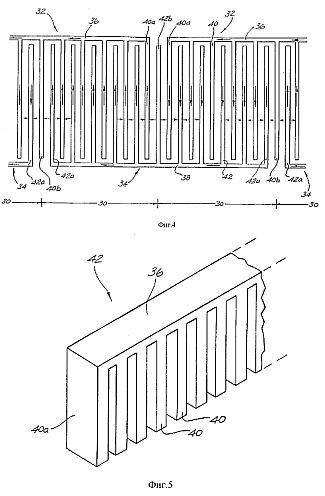
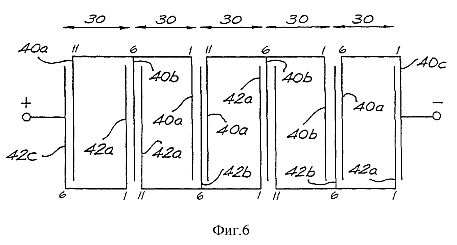
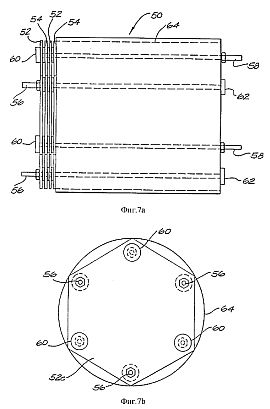
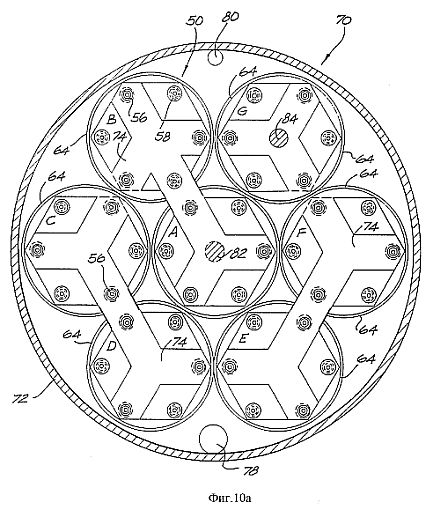
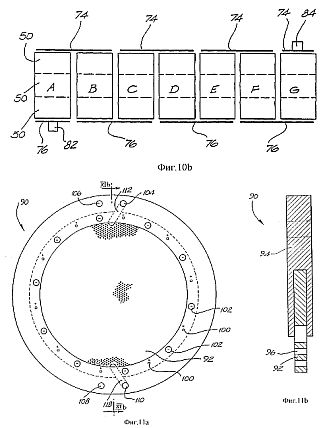
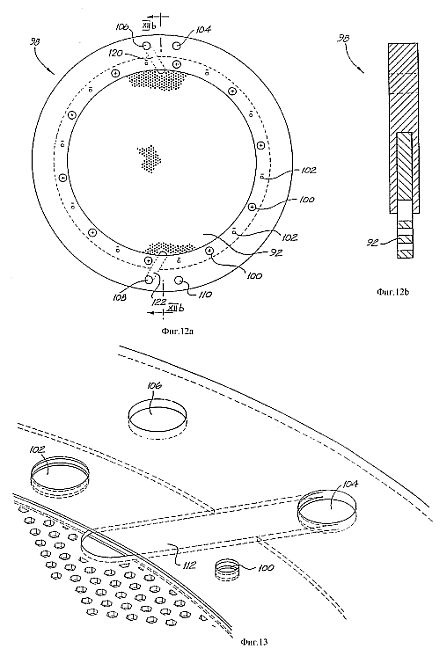
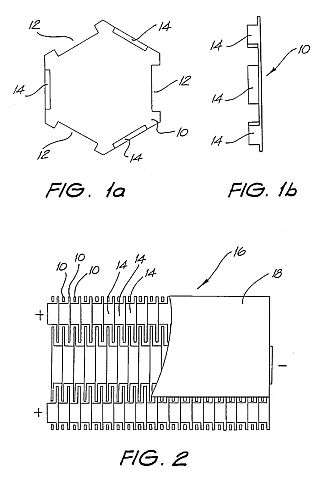
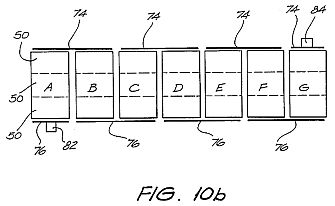
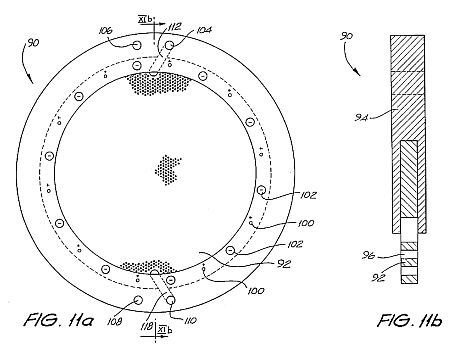
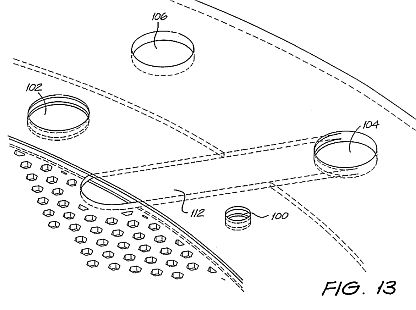
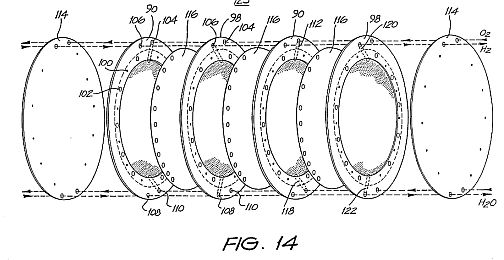
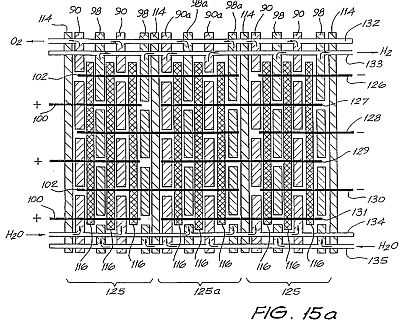
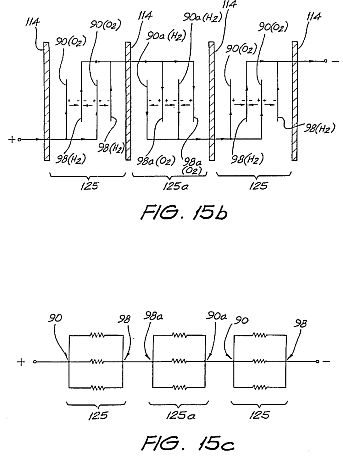
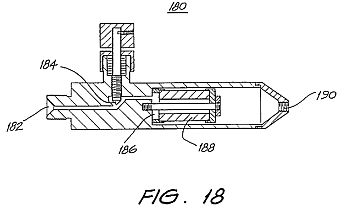
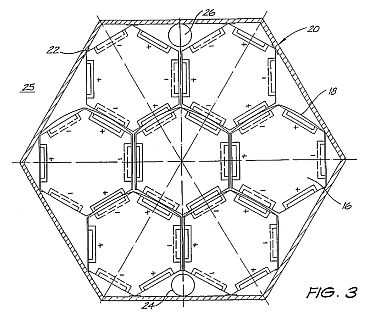
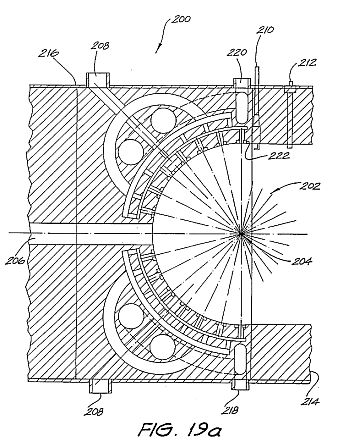
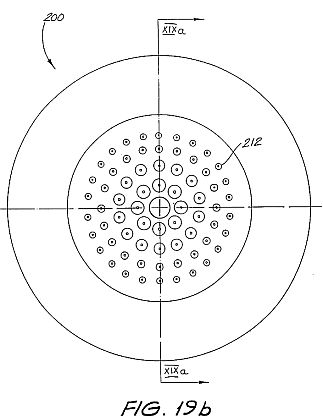
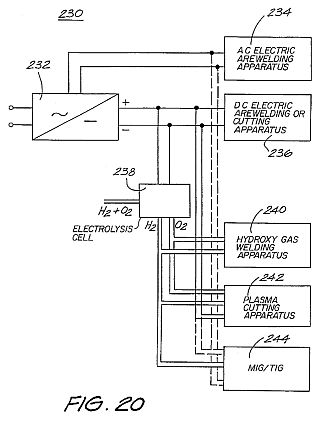
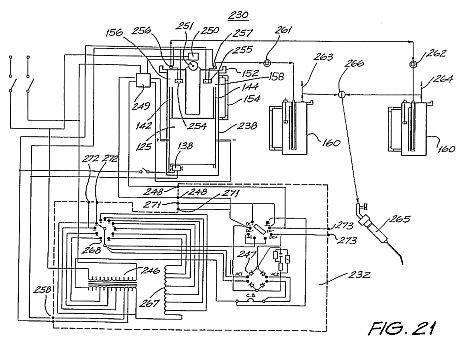
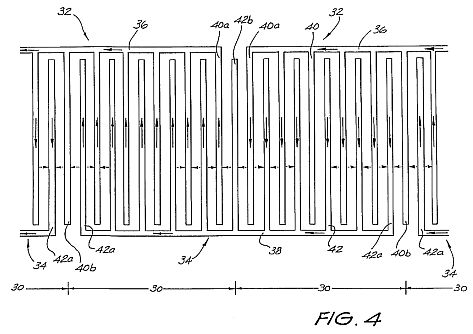
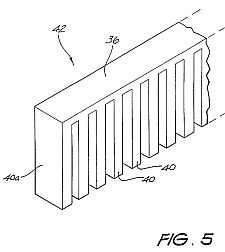
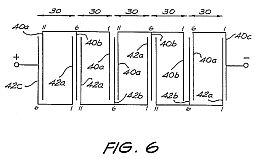
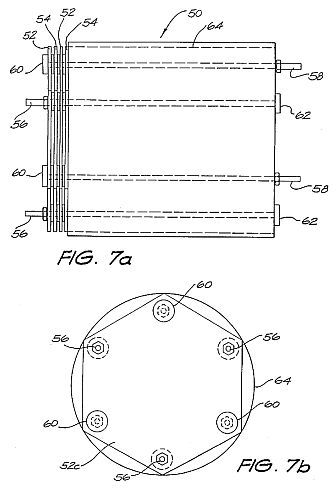
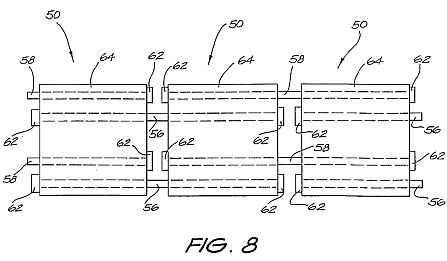
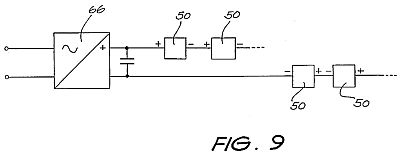
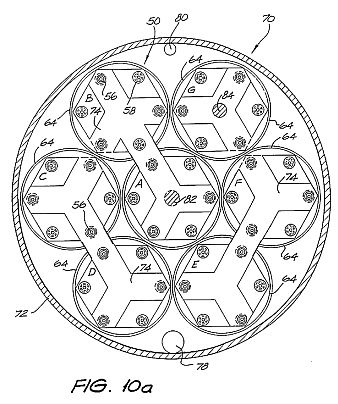
A water electrolysis cell unit receives water (and an electrolyte such as NaOH or KOH) and, under a DC voltage, produces H_2 and O_2. Separate receivers store each gas at pressure. The stored gases are expanded through a gas-expansion device to recover mechanical work. The expanded gases are then either combusted in a combustion chamber or passed through a fuel cell to recover electrical work. Part of the sum of the expansion work and the combustion/fuel-cell work is routed back to the electrolysis cell to maintain pressure and sustain operation, resulting in a self-sustaining loop with excess energy. The patent also describes applications such as a hydrogen-oxygen internal combustion engine and an implosion pump, as well as a stacked plate cell design using perforated steel/resin-bonded carbon plates with PVC sleeves and PTFE separators.
Principles
- Electrolysis
- Gas expansion work recovery
- Combustion of H_2/O_2
- Fuel-cell electrical conversion
- Closed-loop energy recycling
Scientific Domains
Materials
- steel
- resin-bonded carbon
- conductive polymer
- PVC
- PTFE
- sodium hydroxide (NaOH)
- potassium hydroxide (KOH)
Mechanisms of Action
- Water splitting by DC voltage
- Pressurized gas storage
- Expansion of gases to produce mechanical work
- Combustion of H_2/O_2 to produce thermal work
- Fuel-cell conversion of gas energy to electricity
- Feedback of recovered work to sustain electrolysis
Energy Sources
Applications
- Production of renewable alcohol-based transportation fuels
- On-board fuel generation for vehicles
- Standalone power generation using excess energy
Claimed Performance
Three forms of over-unity energy are claimed: excess work from gas expansion, excess work from combustion, and excess electrical work from a fuel cell, all sufficient to sustain the electrolysis and provide net energy output.
Experimental Evidence
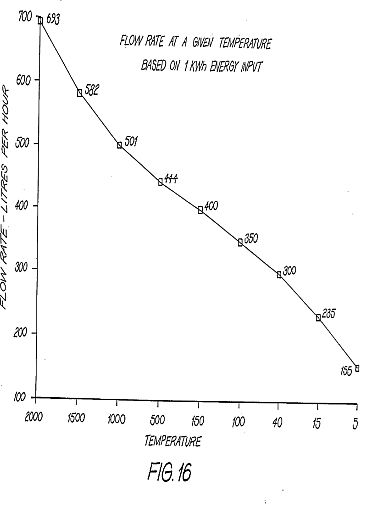
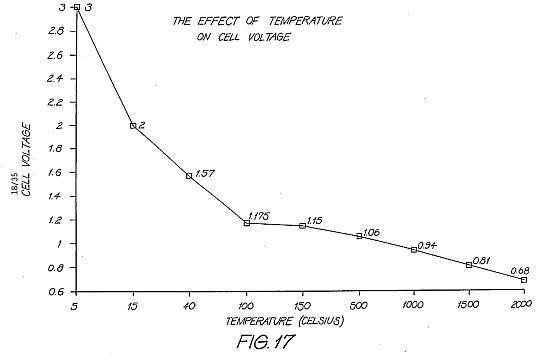
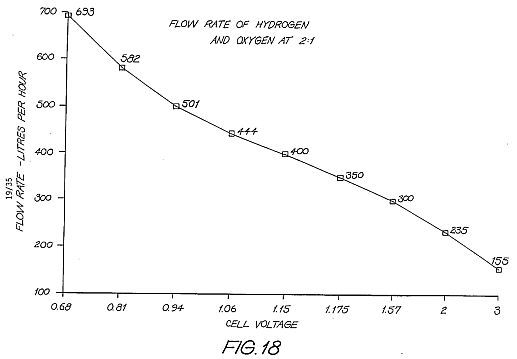
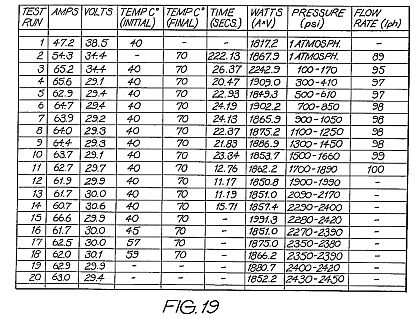
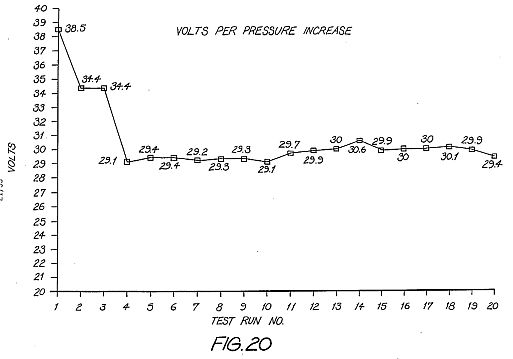
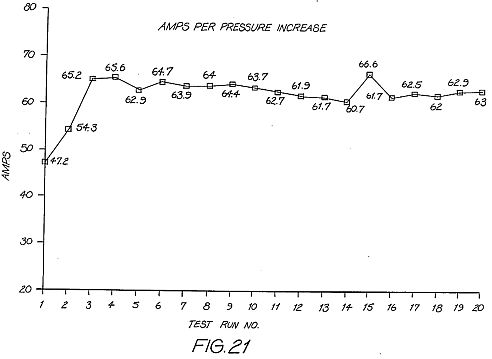
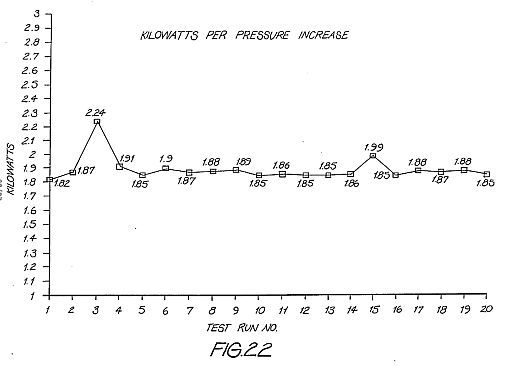
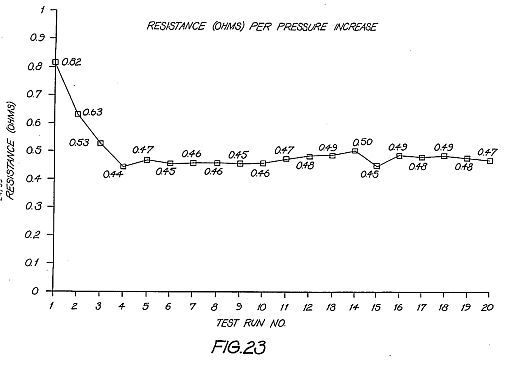
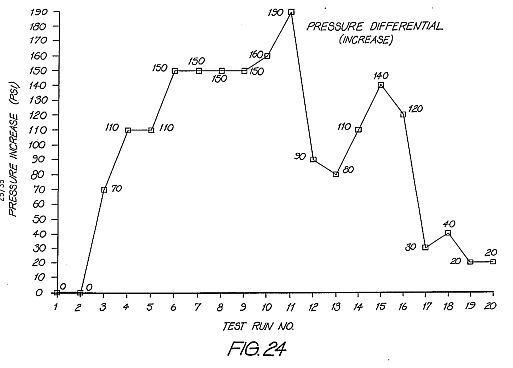
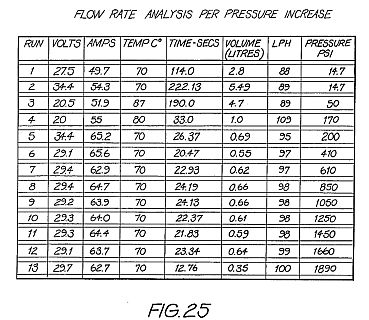
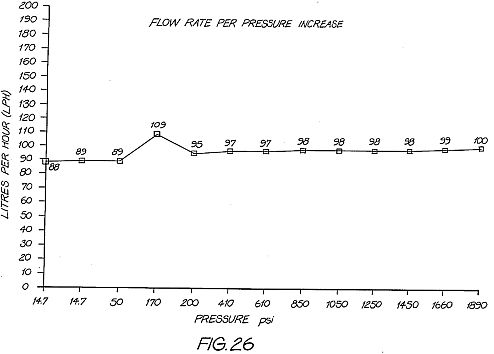
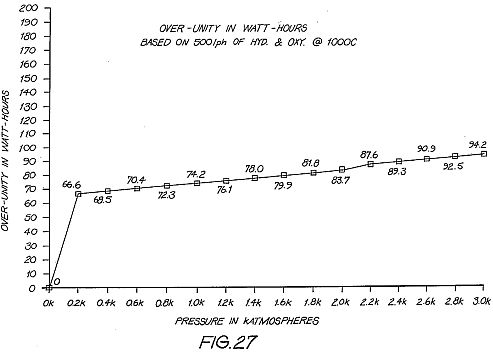
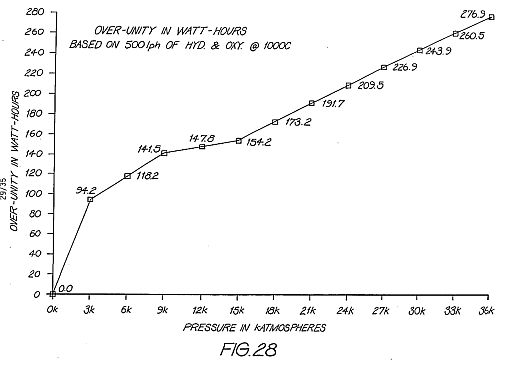
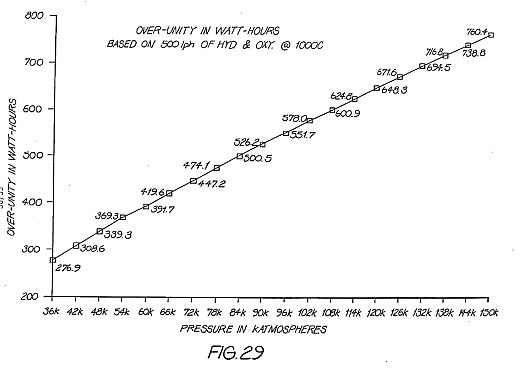
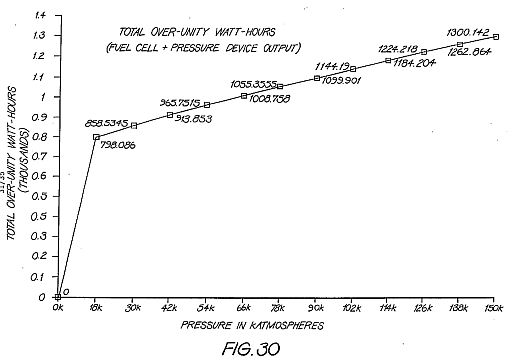
The patent references graphs (Figs. 16-30) supporting over-unity claims, but no quantitative data, peer-reviewed studies, or independent replication are provided.
Limitations
- No independent verification of over-unity performance
- Thermodynamic feasibility not demonstrated
- Scalability and durability of sealed gas storage not addressed
- Quantitative efficiency data missing
Red Flags
- Over-unity claim without peer-reviewed data
- Reliance on "free energy" terminology
- No disclosed replication or third-party testing