Goal
Provide a sustainable, protein-rich food source to address malnutrition and improve food security.
Problem
Global protein deficiency, reliance on conventional agriculture, and need for compact, high-yield food production for terrestrial and space missions.
Concept Summary
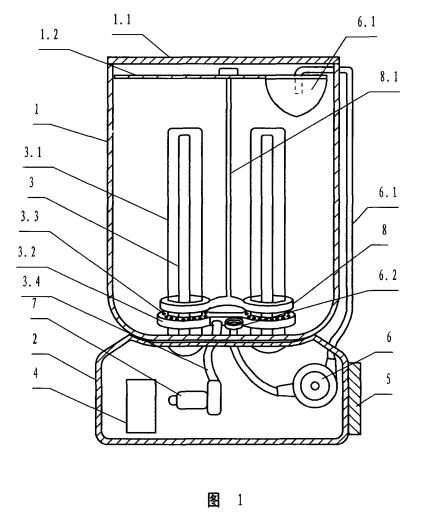
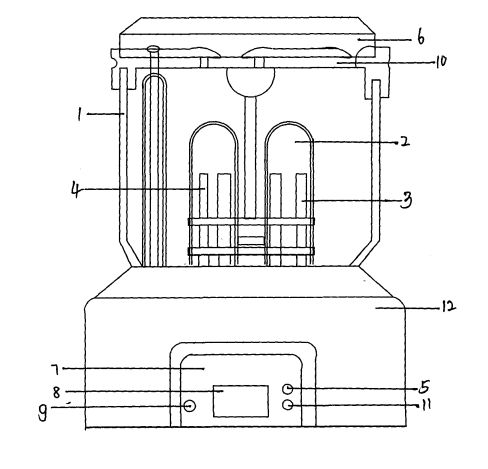
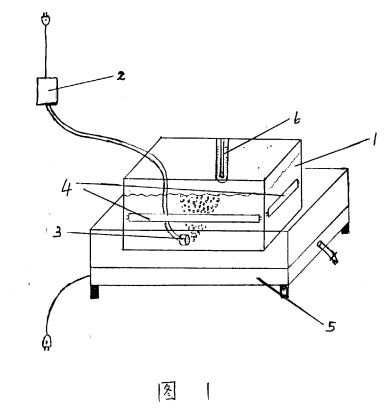
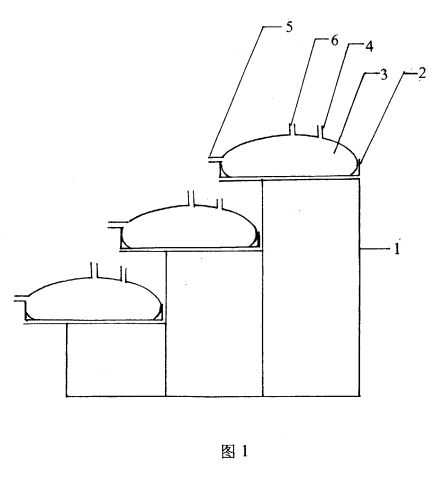
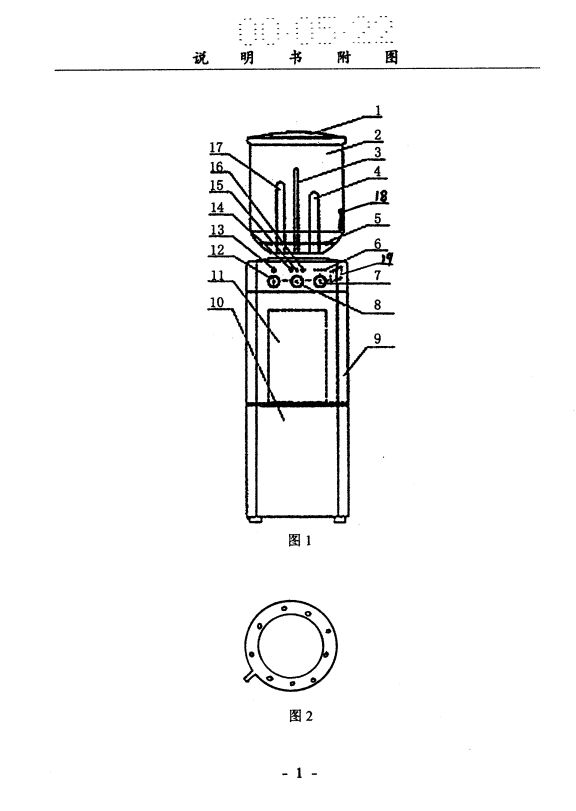
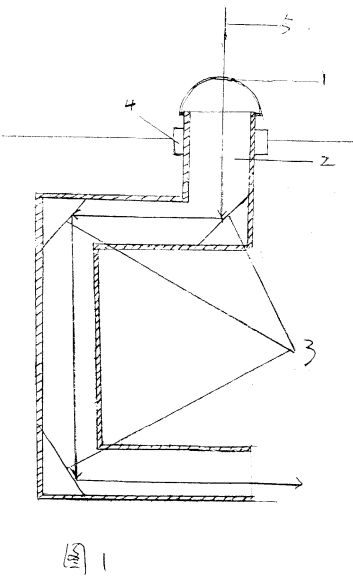
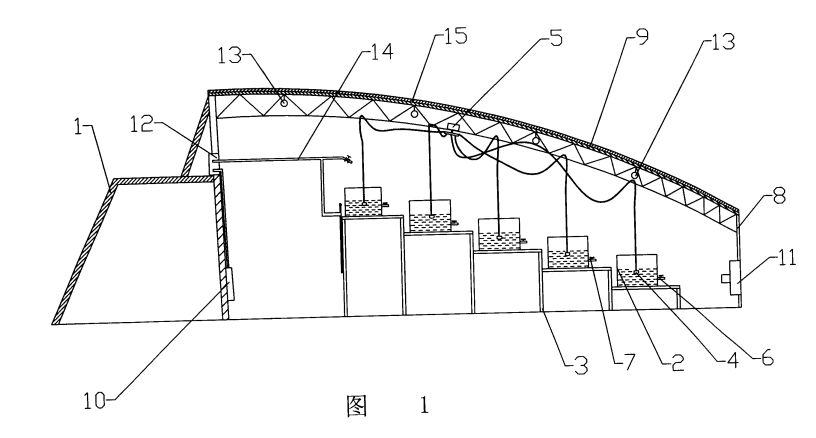
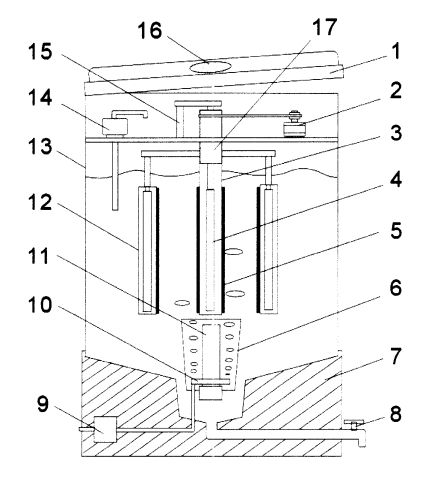
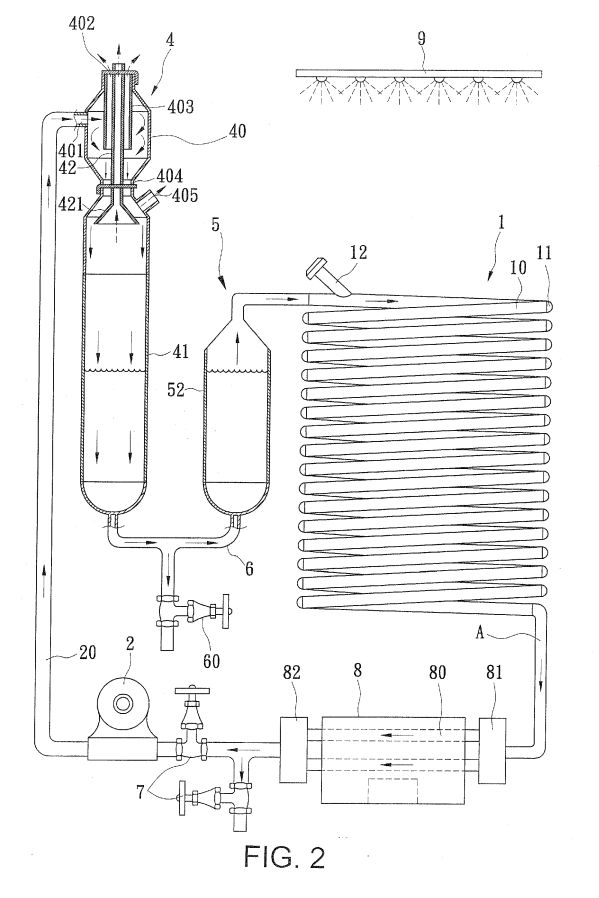
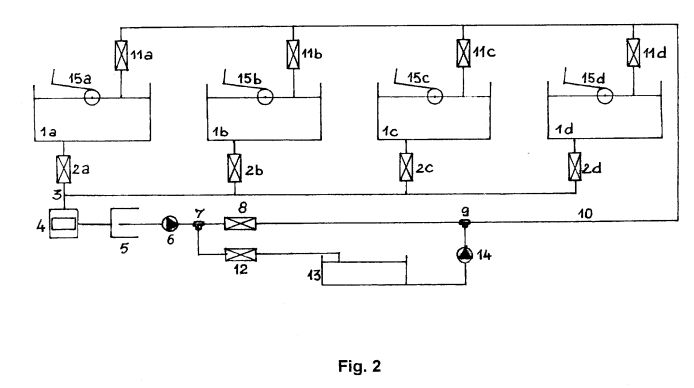
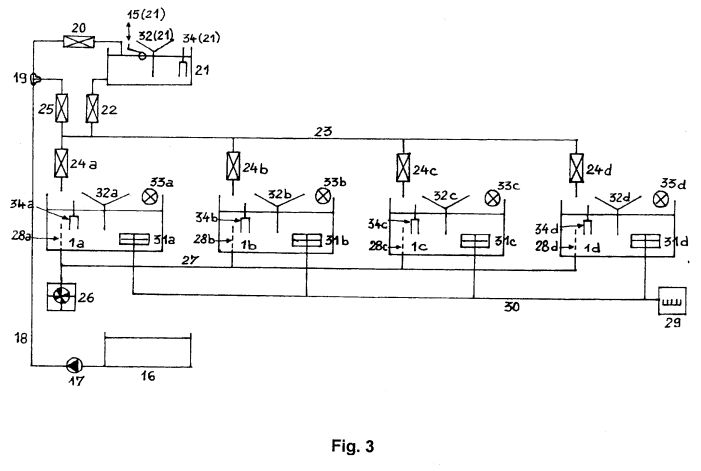
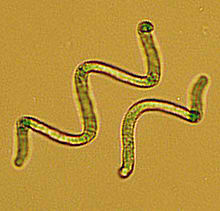
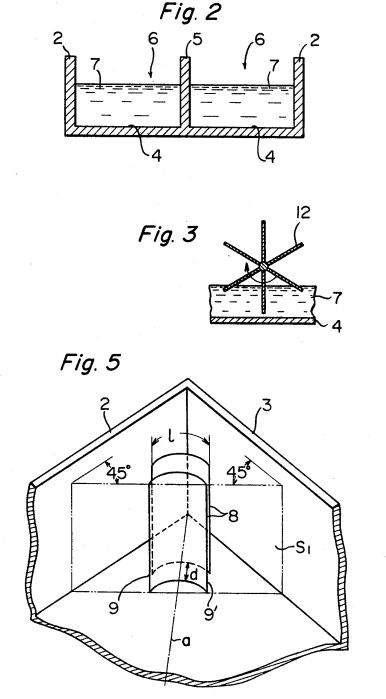
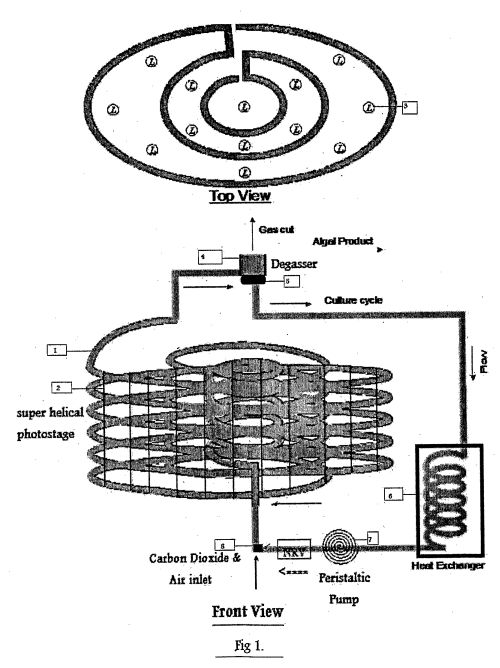
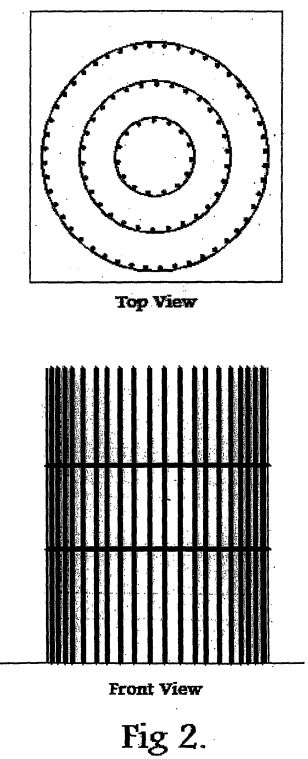
Spirulina (Arthrospira spp.) is cultivated in open-channel raceway ponds or photobioreactors, using sunlight for photosynthesis and supplying water with carbonate/bicarbonate nutrients. The resulting biomass is harvested and processed into tablets, powders, or flakes, delivering high protein (55-77 % dry weight), essential amino acids, vitamins, minerals, and pigments. The technology is applied in human nutrition, animal feed, and proposed for long-duration space missions.
Detailed Description
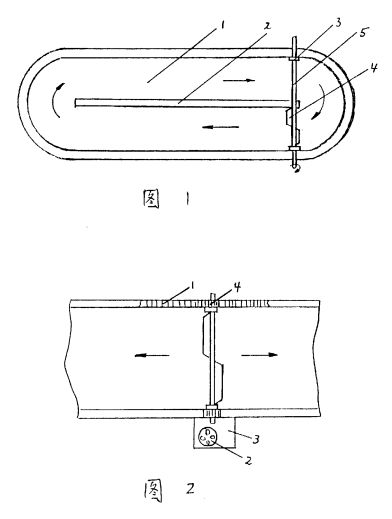
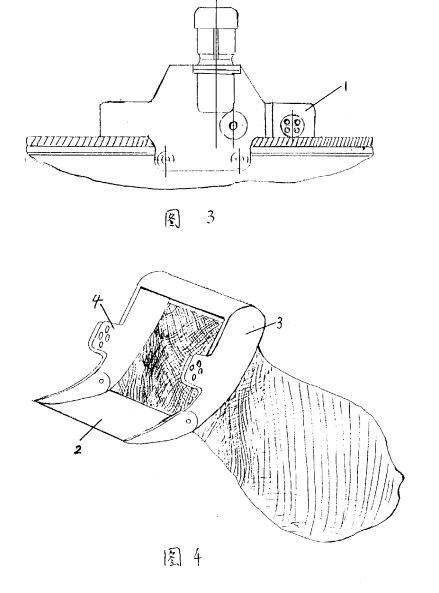
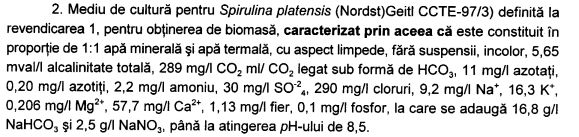
Commercial production of Spirulina involves shallow, alkaline ponds (pH ~= 9-10) where paddle-wheels keep the culture uniformly mixed and exposed to sunlight. Nutrient solutions containing carbonate, bicarbonate, nitrogen, and phosphorus are added to sustain rapid growth. Harvesting is performed by skimming the surface layer, followed by filtration, washing, and drying into cakes or powder. The process is low-cost, scalable, and can be implemented in diverse climates. Spirulina's nutritional profile includes complete protein, essential fatty acids, a broad spectrum of vitamins (B-complex, C, D, A, E), minerals, and antioxidant pigments such as phycocyanin. Health-related studies report potential benefits for cholesterol, blood pressure, immune modulation, and antioxidant capacity, though regulatory oversight is limited and toxin (microcystin) contamination remains a concern.
Principles
- Photosynthesis
- Alkaline water chemistry
- Open-channel raceway mixing
- Nutrient uptake of carbonate/bicarbonate
- Biomass harvesting and drying
Scientific Domains
Materials
- Spirulina (Arthrospira platensis / maxima) biomass
- Alkaline water
- Carbonate and bicarbonate salts
- Nitrogen and phosphorus nutrients
Mechanisms of Action
- Solar energy conversion to chemical energy
- Protein synthesis from carbon fixation
- Production of essential fatty acids and pigments
Energy Sources
Applications
- Human dietary supplement
- Animal feed (aquaculture, poultry)
- Space-mission food supply
- Nutraceuticals and antioxidant products
Claimed Performance
Protein content 55-77 % of dry weight; high levels of essential amino acids, gamma-linolenic acid, and pigments.
Experimental Evidence
Multiple peer-reviewed studies report in-vitro antiviral activity, iron-chelation, cardioprotective effects, cholesterol reduction, blood-pressure lowering, antioxidant capacity, and improved exercise endurance. Human clinical trials (double-blind, placebo-controlled) show reductions in LDL-to-HDL ratio, inflammatory cytokines, and allergic rhinitis symptoms.
Replication Status
Commercially implemented worldwide in open-channel ponds and photobioreactors; used by food supplement manufacturers and space-mission nutrition programs.
Limitations
- Potential microcystin toxin contamination
- Lack of standardized safety regulations
- Phenylalanine content unsuitable for PKU patients
- Variability in vitamin B12 bioavailability
Red Flags
- Some health benefit claims lack large-scale randomized controlled trials
- Regulatory oversight is minimal, leading to possible quality inconsistencies