Goal
Accelerate chemical reactions and reduce the energy (caloric) required for industrial processes such as cement production, lime making, saponification and metal ore reduction.
Problem
Long reaction times and high energy consumption in conventional chemical and metallurgical processes.
Concept Summary
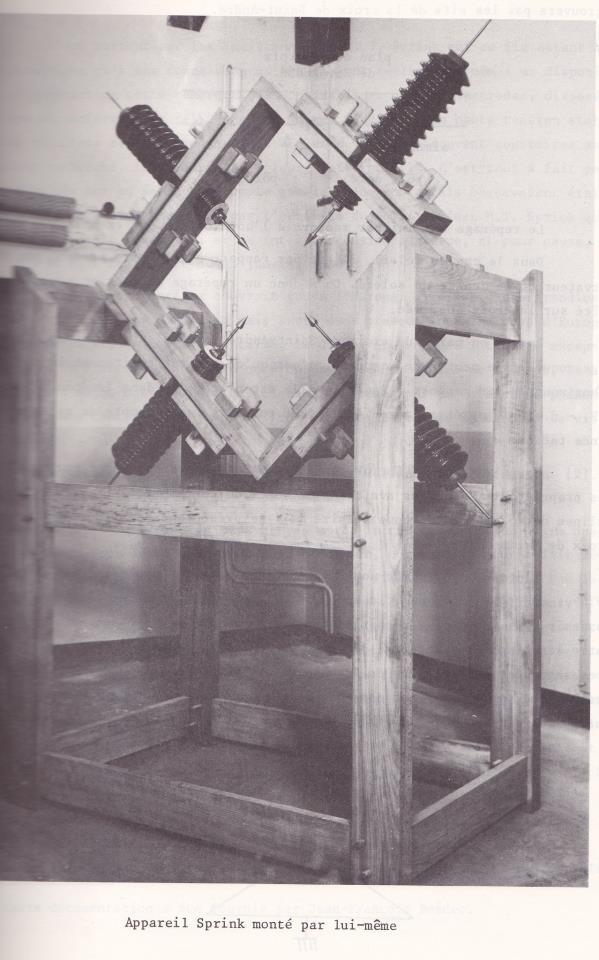
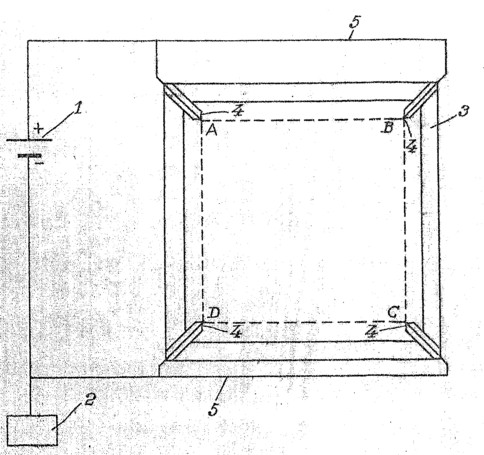
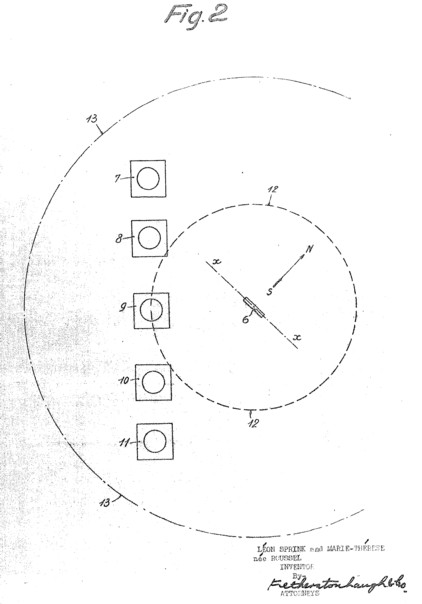
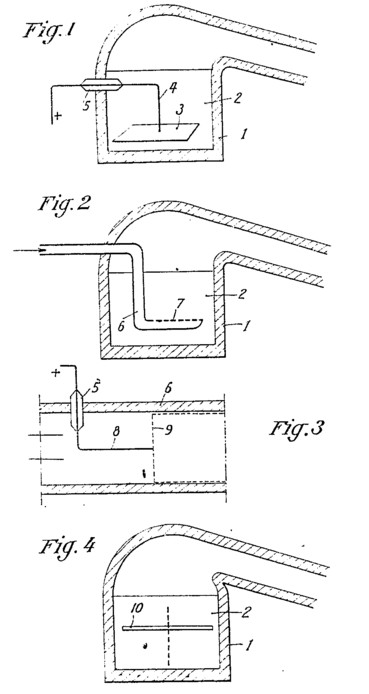
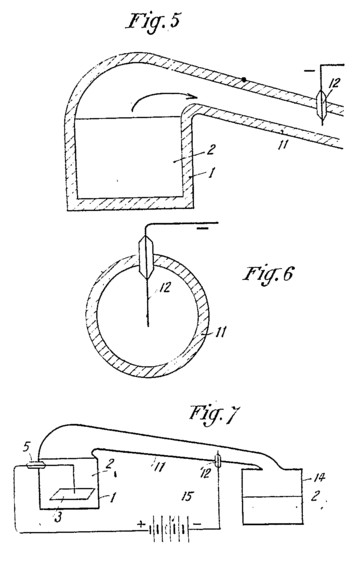
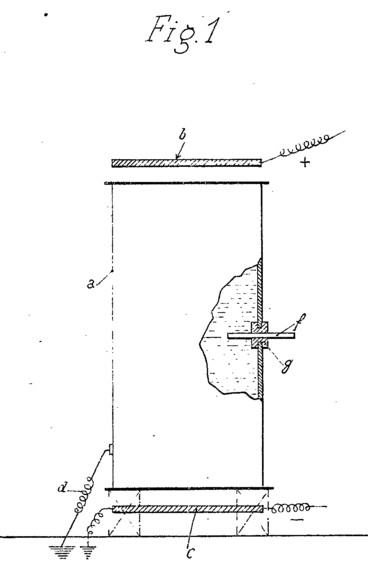
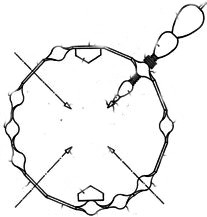
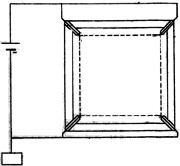
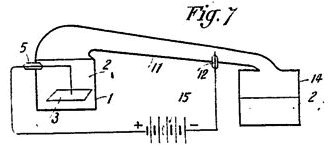
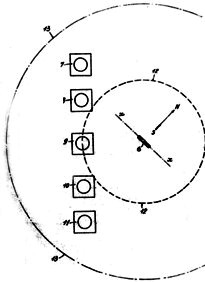
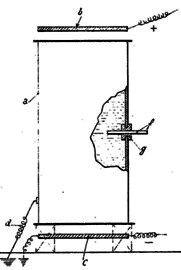
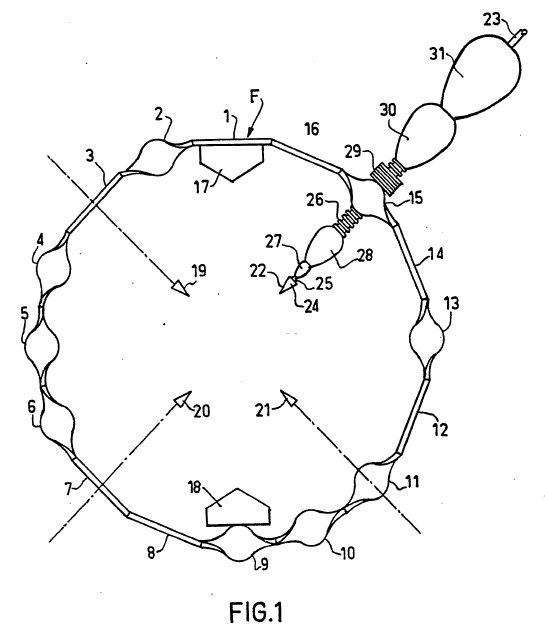
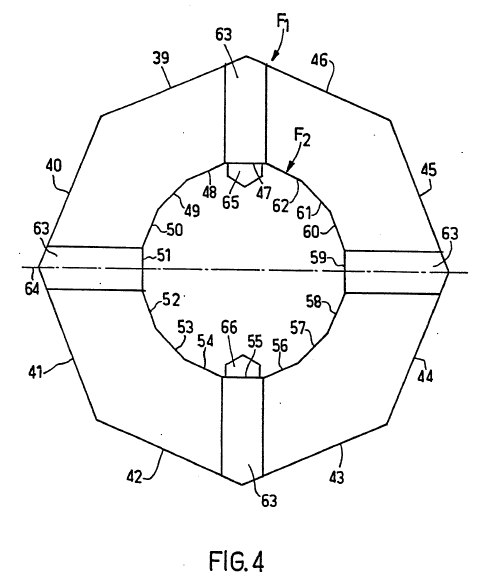
A high-voltage electrostatic field is generated by arrays of pointed metal electrodes arranged in geometric patterns and aligned with respect to the Earth's magnetic field. The field creates a 'space activation' zone several tens of metres from the apparatus, within which chemical reactions proceed faster, require less heat, and can exhibit altered phase-change behaviour. The device is powered by a DC high-tension source (1 kV-160 kV).
Principles
- High-voltage electrostatic discharge
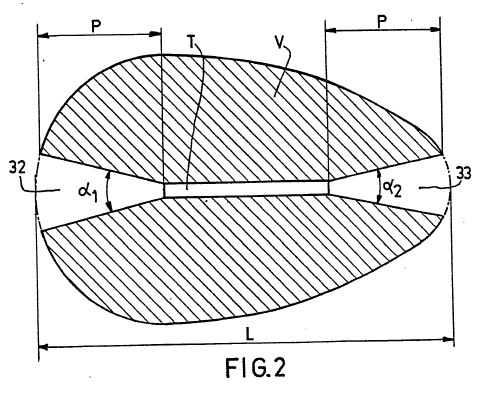
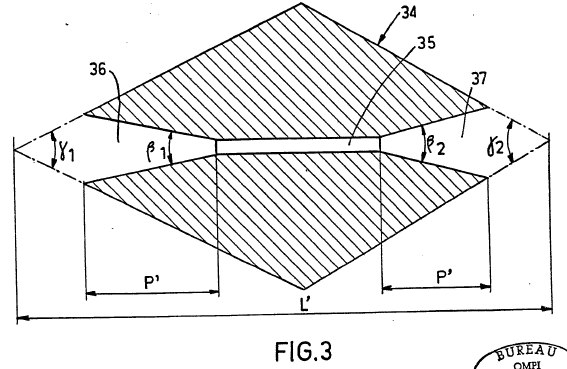
- Geometric electrode arrangement (square, rectangle, rhombus, cube, etc.)
- Alignment with Earth's magnetic north
- Creation of crossing fluxes and 'space activation' zones
- Use of DC or rectified AC power
Scientific Domains
Materials
- Metal electrodes (pointed)
- Non-conductive support (e.g., Balsa wood)
- Rubber or resin shielding
- Grounded metal container
Mechanisms of Action
- Intense electric field influences reaction kinetics
- Crossing fluxes of charged particles ('corpuscle beams') meet in a localized zone
- Alignment with geomagnetic field modifies field geometry
- Activation of space purportedly alters molecular interaction rates
Energy Sources
Applications
- Industrial cement and lime production
- Soap (saponification) manufacturing
- Metal ore reduction (iron, aluminium)
- General chemical process acceleration
Claimed Performance
80 % reduction in reaction time, 50 % reduction in caloric energy; example: 24 h reaction reduced to 3 h, cement kiln reaction reduced from 21/2 h to 1 h; activation zones up to 60 m radius.
Experimental Evidence
Sprink reported that after one month of operation the reaction duration fell from 24 h to 3 h and caloric consumption dropped by 50 %. The patent description notes that cement reactions were reduced from 21/2 h to 1 h after a 20-day pre-run of the apparatus. Large units allegedly showed anti-gravitational effects and visible ultraviolet light.
Limitations
- Requires very high voltage (up to 160 kV)
- Long activation period (days to weeks) before effects appear
- Mechanism not scientifically validated
- No independent replication reported
Red Flags
- Claims of anti-gravity and time manipulation
- Absence of peer-reviewed data or independent replication
- Reliance on anecdotal patent descriptions