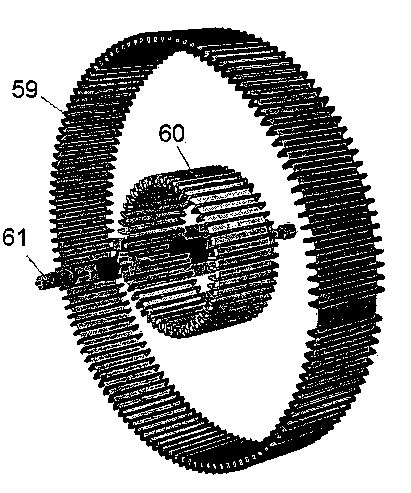
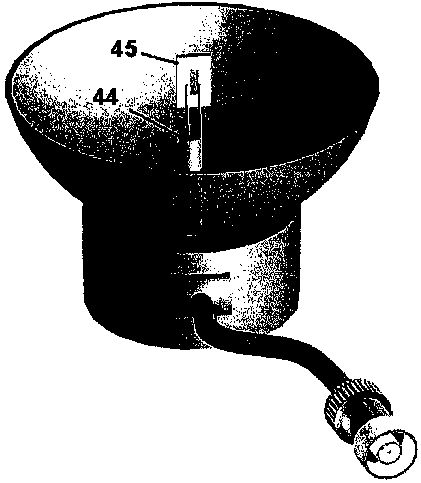
Goal
Generate and harness hyperspace energy for propulsion, power, and exotic effects such as teleportation and remote viewing.
Problem
Provide high-density energy and thrust without conventional fuel or conventional power sources.
Concept Summary
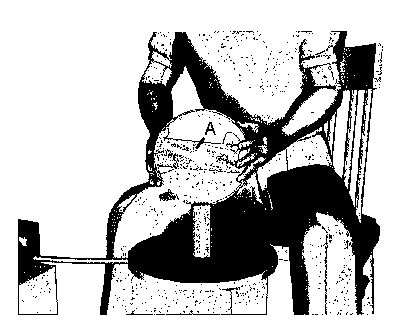
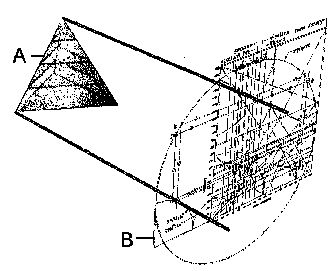
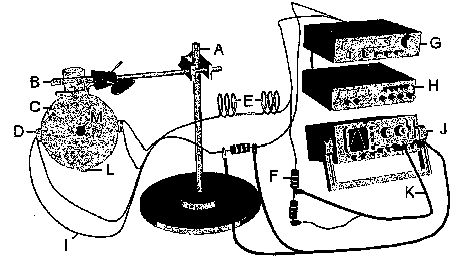
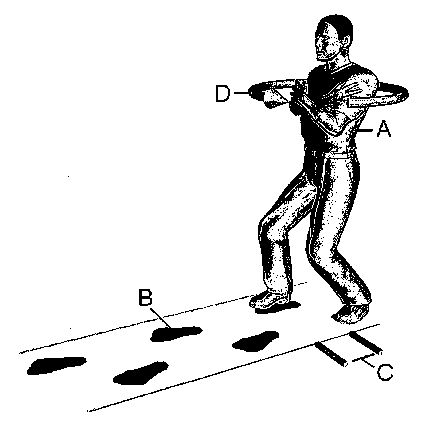
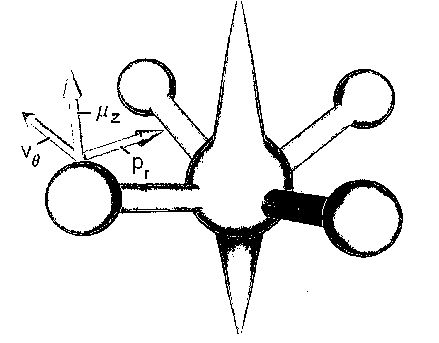
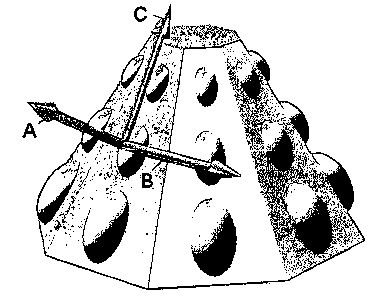
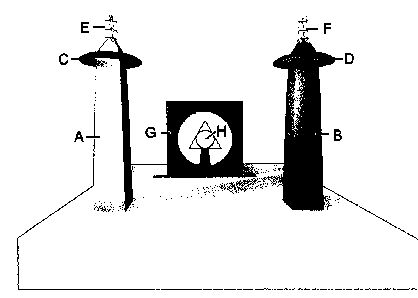
A family of patented concepts that claim to create or channel low-density hyperspace energy using magnetic vortex wormholes, cavitating oil bubbles, braided gold wire coupled to sub-space geometry, and other exotic mechanisms. The generated hyperspace energy is said to produce lift, thrust, electricity, and even allow matter to pass through solid objects or teleport.
Principles
- Co-gravitational K field
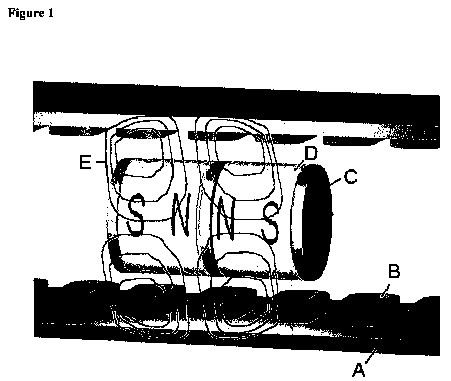
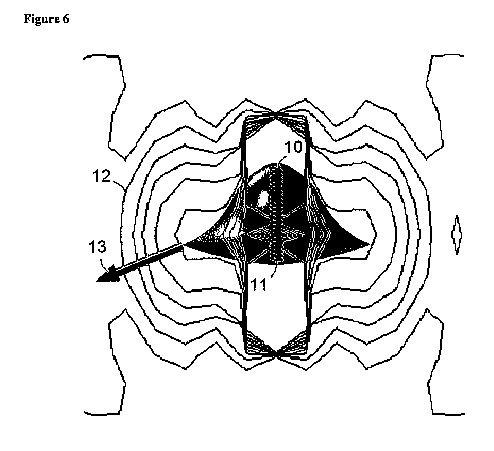
- Magnetic vortex wormhole generation
- Cavitation-induced wormholes
- Negative mass and negative spring constant
- Spacetime curvature manipulation
- Electric dipole moment generation
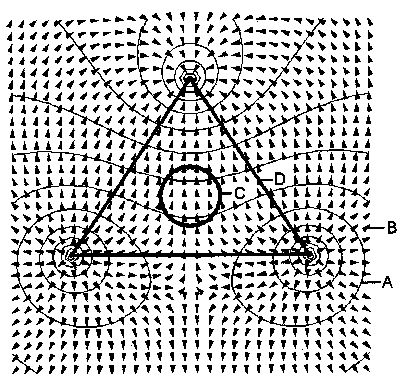
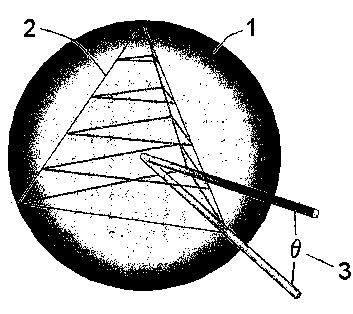
- Tetrahedral sub-space geometry coupling
Scientific Domains
Materials
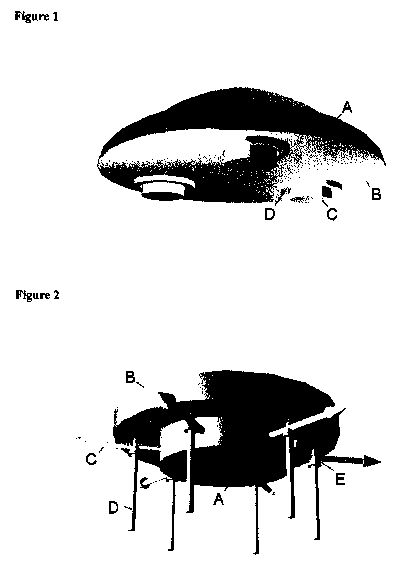
- Ceramic dome
- Gold wire (micron-size)
- Oil
- Water
- Magnetic coils / solenoids
- Toroidal cores
- Crystal ball
- Permanent magnets
Mechanisms of Action
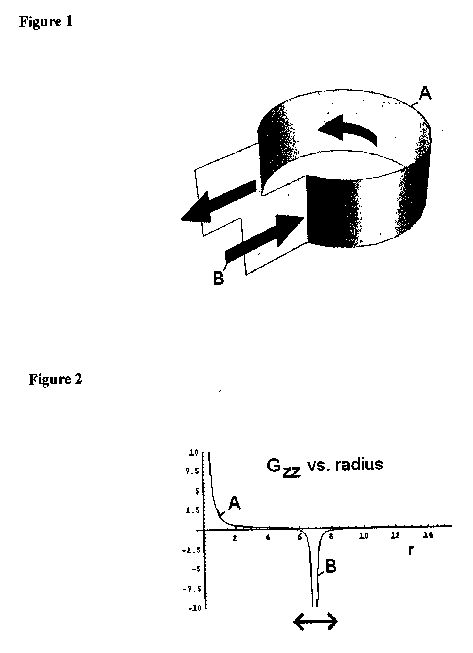
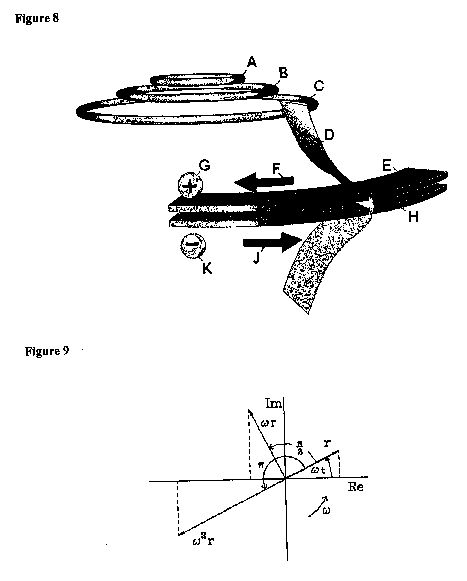
- Opposing magnetic flux in toroidal coils to produce bucking electric fields
- Cavitating oil bubbles within a magnetic field to create wormholes
- Braided gold wire coaxial cable coupling to Planck-scale geometry
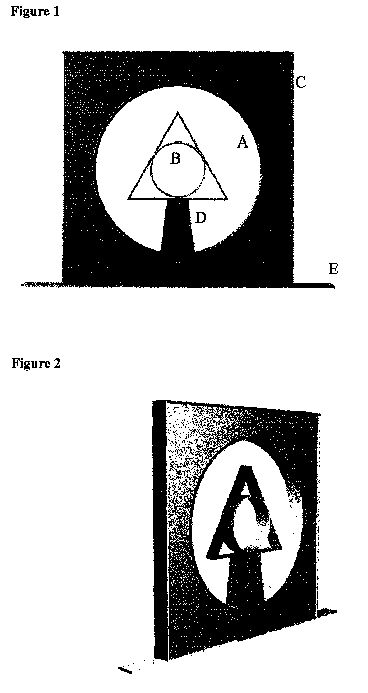
- Rotating charged panels generating an electric dipole moment that interacts with magnetic gradients
- Magnetic monopole generation for spacetime pressure
Energy Sources
Applications
- Spacecraft propulsion
- Energy generation
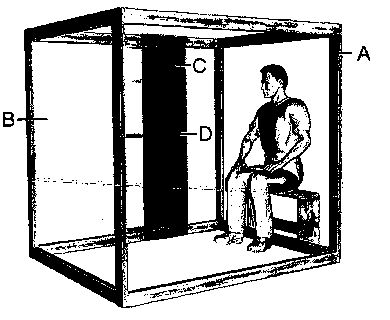
- Teleportation
- Remote viewing training
Claimed Performance
Generation of low-density hyperspace energy sufficient to produce lift for spacecraft, electricity, and to enable teleportation of humans or objects.
Experimental Evidence
Patents describe prototype configurations; no independent experimental data or peer-reviewed studies are provided.
Replication Status
No public replication or independent verification reported.
Limitations
- No verifiable experimental data
- Reliance on undefined hyperspace concepts
- Potential violation of conservation of energy
- Unclear scalability and material requirements
Red Flags
- Claims of free or over-unity energy
- Use of speculative physics without peer review
- Absence of independent replication