Goal
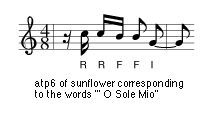
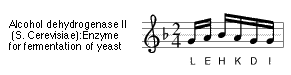
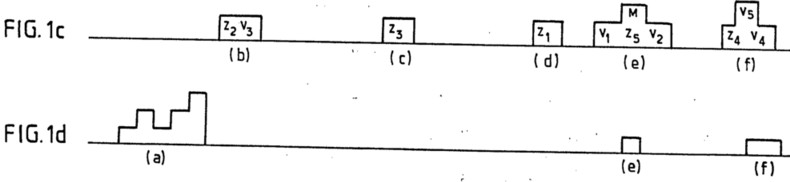
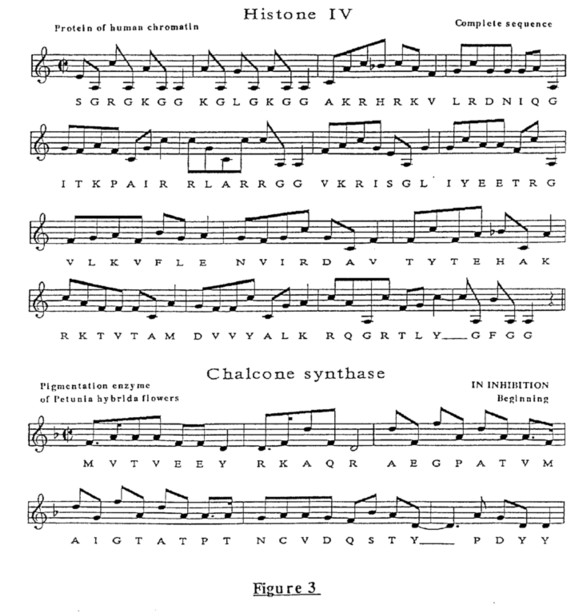
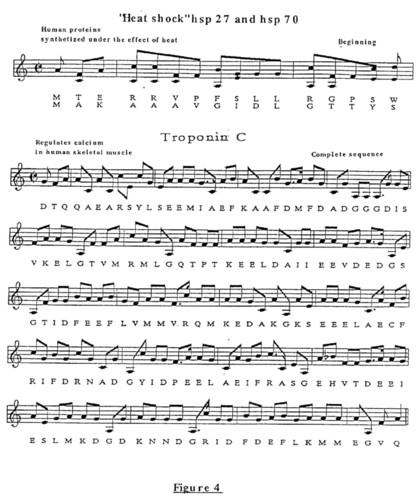
Stimulate plant growth and regulate protein biosynthesis by playing specially composed musical sequences that correspond to amino-acid quantum frequencies.
Problem
Reliance on chemical fertilizers, low plant growth rates, and lack of non-chemical methods to control protein expression in agriculture and health.
Concept Summary
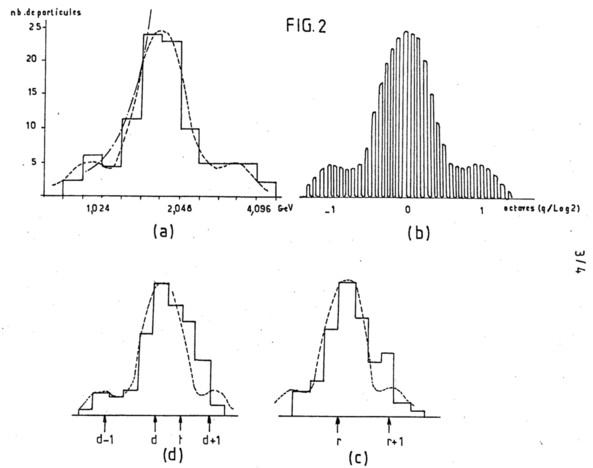
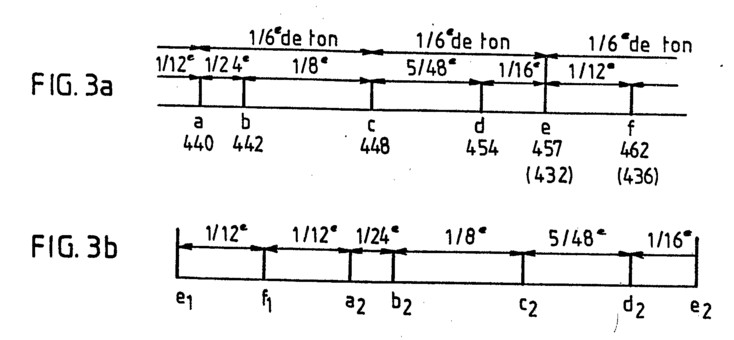
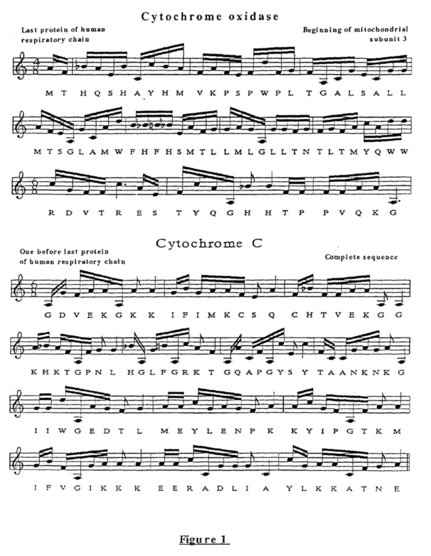
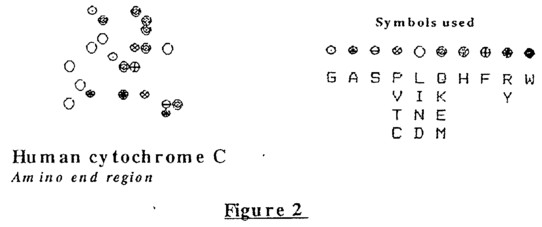
The invention translates the quantum vibrational frequencies of amino acids into audible musical notes. By playing these notes (or their inverses) to plants, the method claims to enhance the synthesis of specific proteins, thereby promoting growth, improving flavor, or inhibiting pathogens. The approach is presented as an "electromagnetic fertilizer" using sound energy.
Principles
- Quantum scaling waves
- Acoustic resonance with molecular vibrations
- Epigenetic regulation via external sound fields
Scientific Domains
Mechanisms of Action
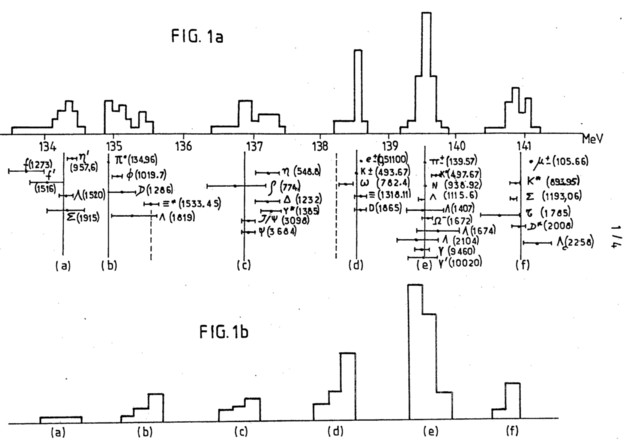
- Sound waves at frequencies matching amino-acid quantum emissions synchronize protein synthesis.
- Phase-opposed notes disrupt scaling waves, inhibiting target proteins or viruses.
Energy Sources
Applications
- Agricultural yield enhancement
- Non-chemical fertilization
- Medical protein regulation
Claimed Performance
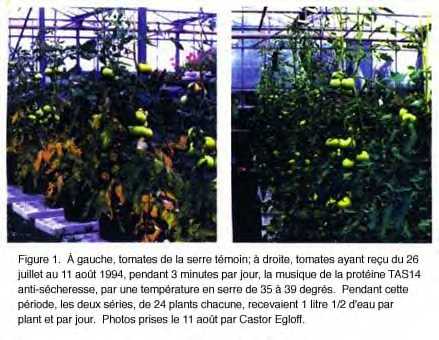
Tomatoes exposed to the melodies grew 2.5 times larger and sweeter; six protein molecules were stimulated for three minutes a day.
Experimental Evidence
Sternheimer reports that tomatoes treated with specific melodies grew 2.5x larger, produced more cytochrome C and thaumatin, and that a virus was halted by inhibitory note sequences.
Limitations
- Claims are based on inventor's own experiments; no independent replication reported.
- Precise frequency mapping required; practical implementation may be complex.
- Potential adverse effects on humans (e.g., breathing difficulty reported).
Red Flags
- Use of non-standard quantum scaling wave theory not accepted by mainstream science.
- Lack of peer-reviewed data or independent verification.
- Potential pseudoscientific language (e.g., "electromagnetic fertilizer").