Confidence
0.78
Practicability
0.62
Evidence
0.28
Fringe Score
0.18
Risk
0.11
TRL
5
Goal
Convert radio-frequency or microwave electromagnetic energy directly into mechanical motion.
Problem
Need for wireless power transmission to drive motors without conventional electrical wiring.
Concept Summary
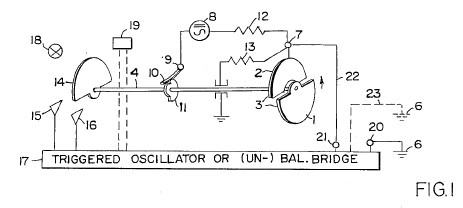
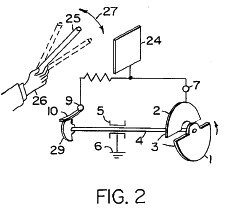
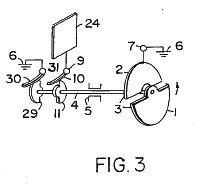
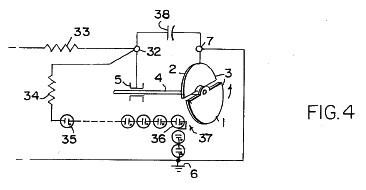
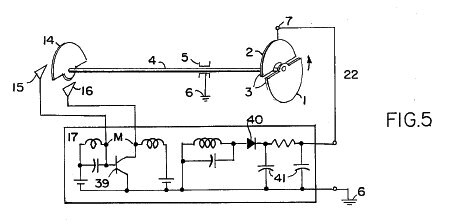
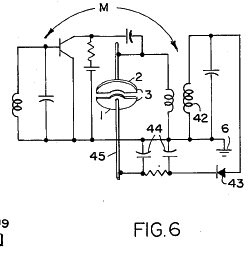
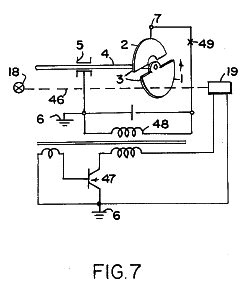
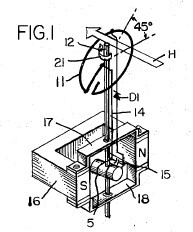
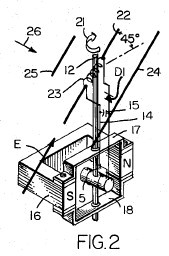
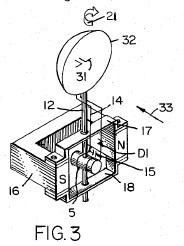
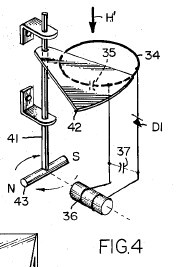
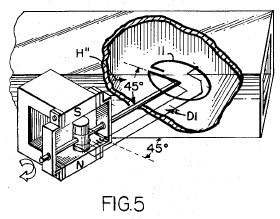
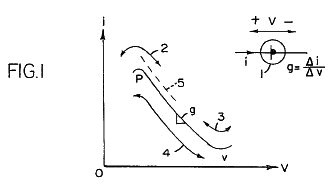
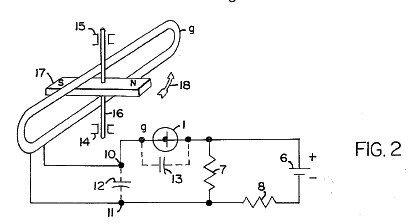
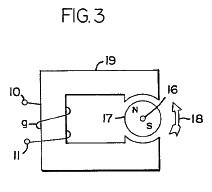
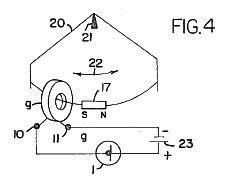
The technology uses specially designed antennas, coils, and parametric resonant structures to capture RF or microwave energy and convert it into torque or linear force via electromagnetic induction, radiation pressure, or parametric excitation.
Principles
- Electromagnetic induction
- Parametric resonance
- Poynting vector radiation pressure
- Radiant energy conversion
Scientific Domains
Materials
- Copper wire
- Aluminum
- Dielectric ceramics
- Magnetic steel
- Antenna metal
Mechanisms of Action
- Interaction of RF fields with conductive coils to produce torque
- Parametric excitation of resonant structures by alternating fields
- Radiation pressure from microwave energy on antenna elements
Energy Sources
Applications
- Remote actuation of devices
- Spacecraft attitude control
- Industrial machinery without wiring
Limitations
- Low conversion efficiency
- Requires high-power RF source
- Limited torque output