Goal
Increase combustion efficiency while dramatically reducing pollutant emissions (soot, NOx) from diesel engines.
Problem
Incomplete combustion of diesel fuel leading to high soot and nitrogen-oxide emissions, especially in heavy-duty ship engines.
Concept Summary
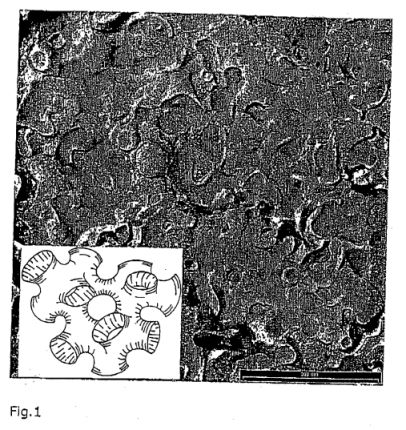
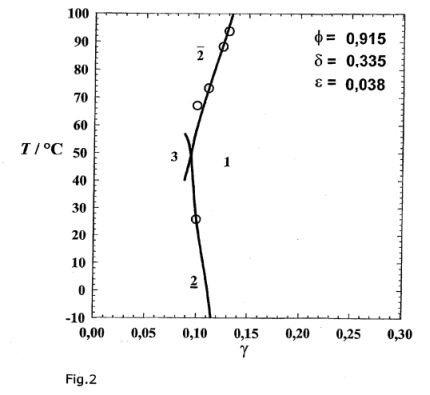
A stable bicontinuous microemulsion is created by mixing diesel fuel with water, oleic acid and nitrogen-containing amines. The surfactant system binds water droplets (nanometre-scale) to the fuel, forming a liquid-sponge that can be stored indefinitely. During combustion the water dissociates, providing hydrogen atoms that promote hydrocarbon breakdown and lowering peak temperatures, which together suppress soot formation and reduce NOx emissions.
Detailed Description
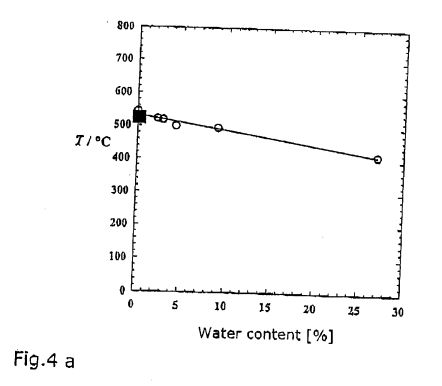
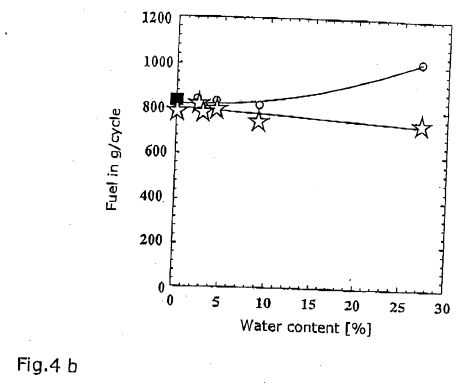
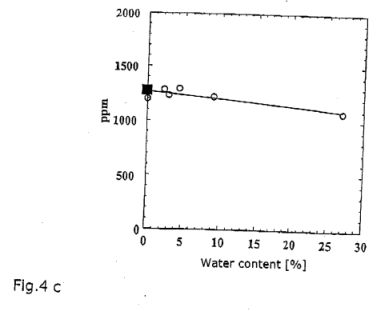
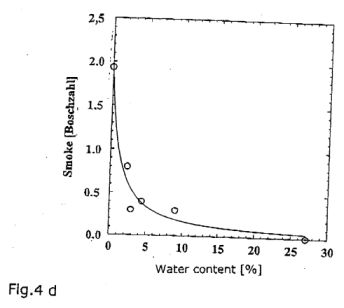
Reinhard Strey discovered that a mixture of oleic acid (a fatty acid) and amines dissolves readily in diesel fuel and acts as a surfactant, binding water droplets as small as a nanometre. This creates a bicontinuous microemulsion where hydrophilic (water) and hydrophobic (oil) domains alternate continuously, giving the fuel a stable, single-phase appearance that does not separate over time. When the emulsion is burned, the water molecules are broken apart by the heat of combustion; the resulting hydrogen atoms help split hydrocarbon chains, making them more combustible, while the released oxygen assists in oxidising carbon to CO_2 instead of soot. The surfactant itself burns cleanly, producing only CO_2, H_2O and N_2. Laboratory tests reported near-complete elimination of soot and up to an 80 % reduction in NOx emissions compared with conventional diesel. The technology is being evaluated by MTU, a German engine manufacturer, for real-world engine testing.
Principles
- Emulsion stability via surfactant (oleic acid + amines)
- Bicontinuous microemulsion nanostructure
- Steam-effect cooling and hydrogen atom generation from water dissociation
- Catalytic effect of surfactant combustion
Scientific Domains
Materials
- Oleic acid
- Amines (nitrogen-containing compounds)
- Diesel fuel
- Water
Mechanisms of Action
- Nanodroplet water provides hydrogen atoms that facilitate hydrocarbon cracking
- Water evaporation absorbs heat, lowering combustion temperature and reducing NOx formation
- Surfactant burns without producing additional pollutants
Energy Sources
Applications
- Marine diesel engines
- Heavy-duty automotive diesel engines
- Industrial diesel generators
Claimed Performance
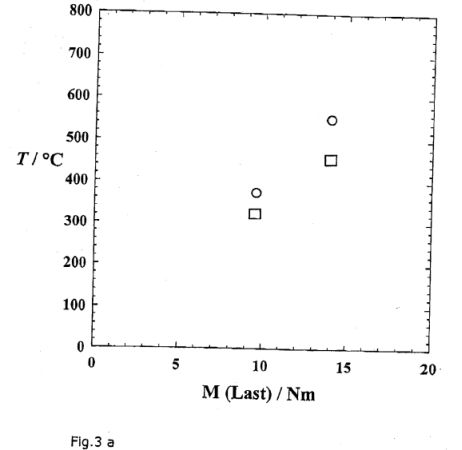
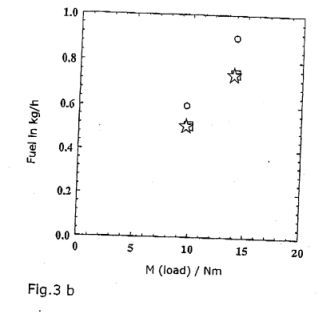
Near-complete abolition of soot and up to an 80 % reduction in nitrogen-oxide emissions when the emulsion is burned.
Experimental Evidence
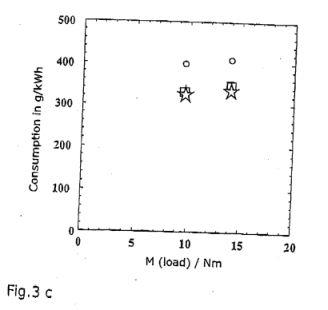
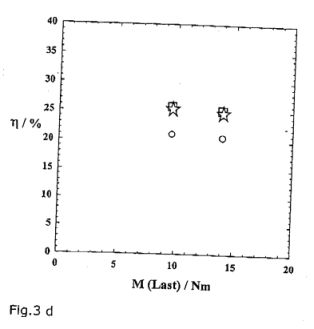
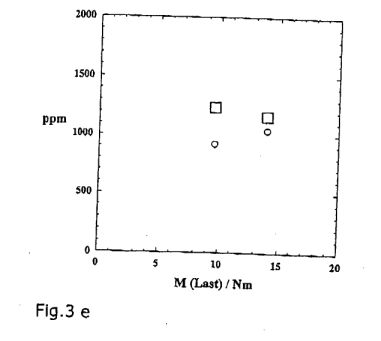
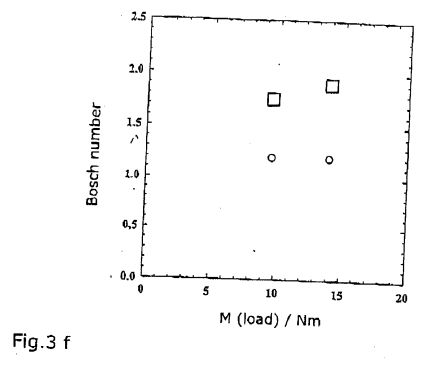
The article reports laboratory combustion tests showing near-complete soot elimination and up to an 80 % NOx reduction, but provides no quantitative data tables or independent replication.
Limitations
- Long-term stability of the emulsion still needs real-world validation
- Potential need for engine calibration or minor modifications
- Cost and supply chain of the specific surfactant mixture (oleic acid + amines)
- Lack of independent, peer-reviewed performance data
Red Flags
- No independent replication of the claimed emission reductions
- Performance claims are based on limited laboratory tests