Goal
To harvest electrical power directly from the earth to operate devices such as motors, pumps, arc lamps, and to provide a wireless ground-based transmission medium for telephones.
Problem
High cost and scarcity of conventional power sources and the need for a low-cost, wire-free communication system.
Concept Summary
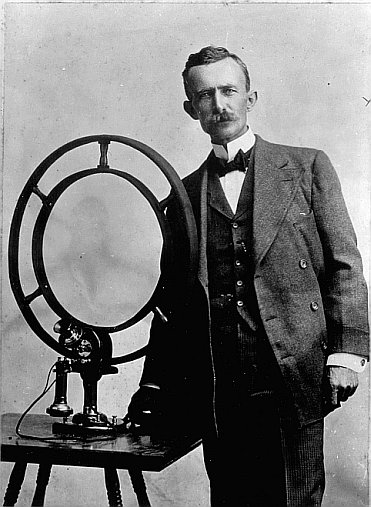
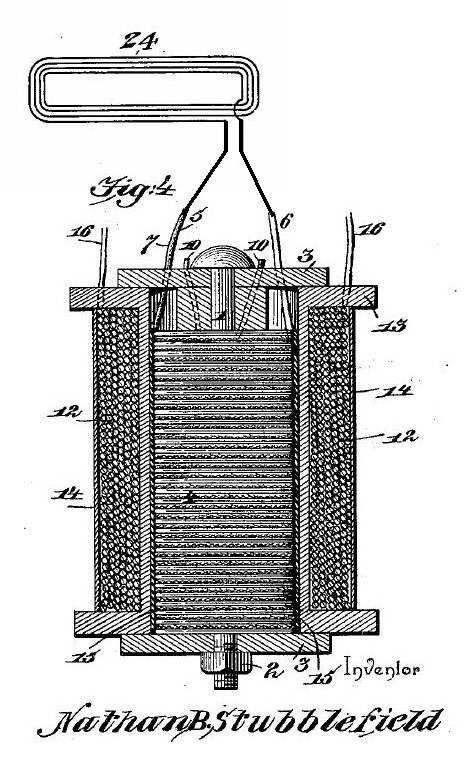
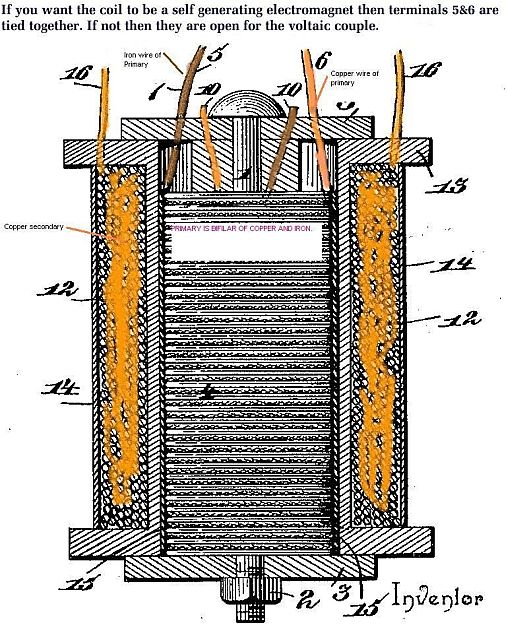
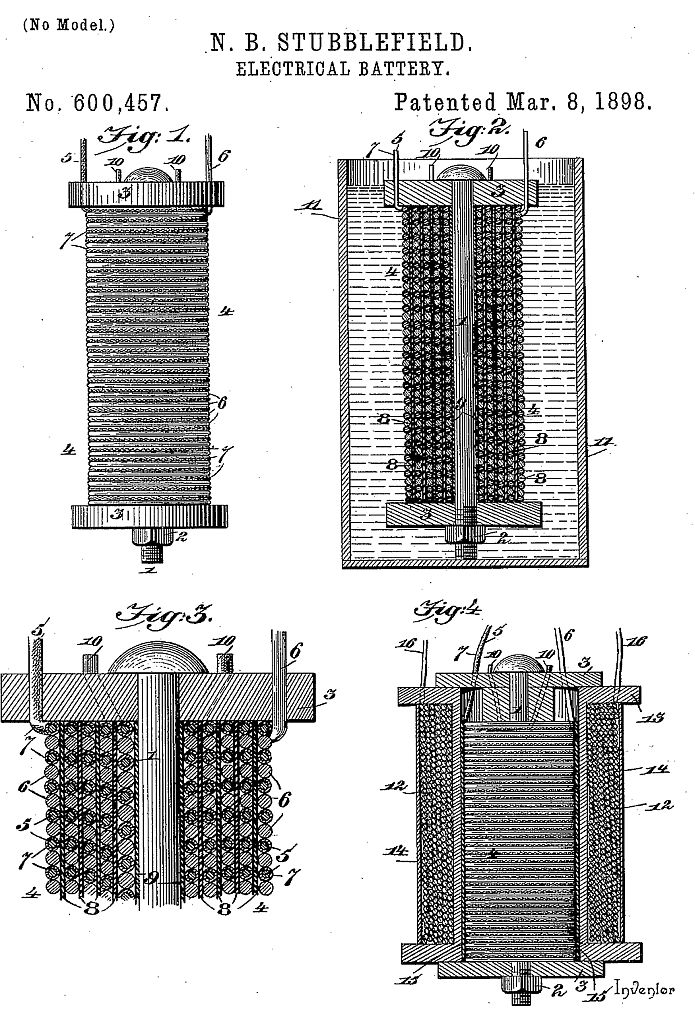
Stubblefield's earth battery consists of metal electrodes (typically zinc or copper plates) buried in the ground to tap a natural electric potential that the earth allegedly provides. The harvested voltage powers loads and also serves as a conductive medium for telephonic signals, eliminating the need for copper wiring.
Principles
- Ground conduction of natural electric potentials
- Electrochemical reactions between dissimilar metal electrodes and soil moisture
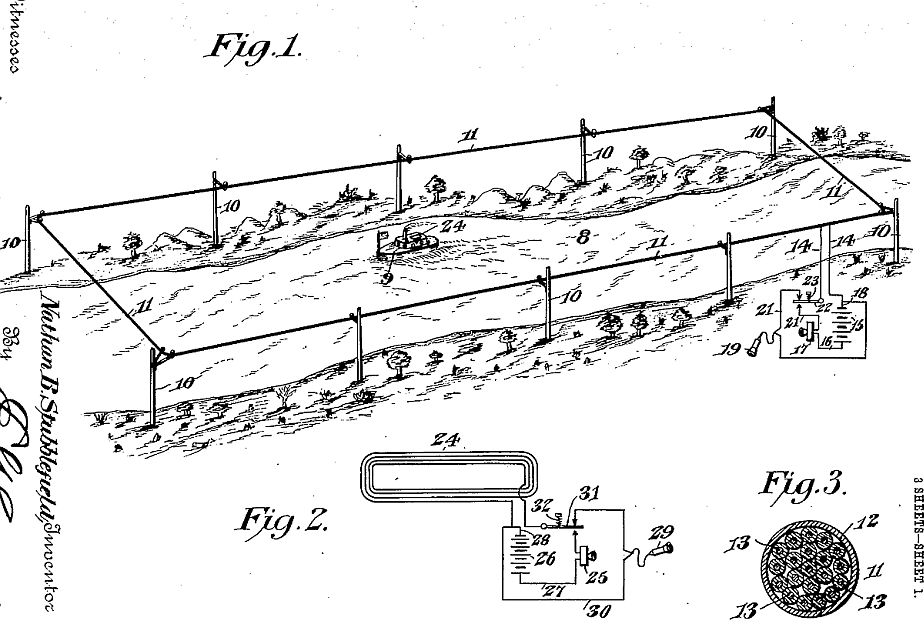
- Use of the earth as a transmission medium for low-frequency signals
Scientific Domains
Materials
- Copper
- Zinc
- Carbon (microphone element)
- Wood (case)
- Metal plates
Mechanisms of Action
- Buried metal plates create a galvanic cell that draws charge from the earth's ambient electric field
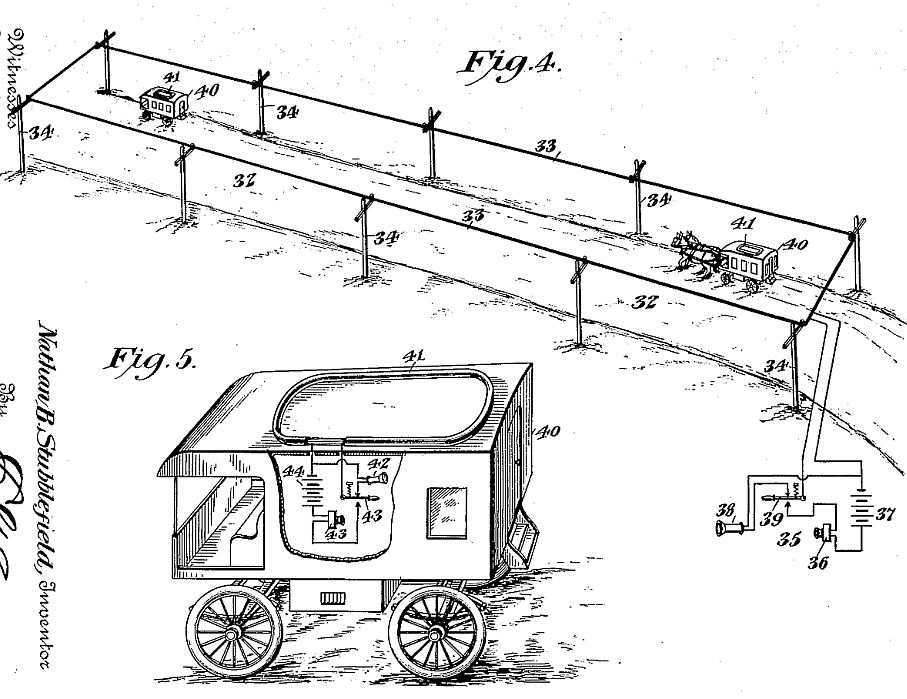
- Ground-linked terminals form a return path for telephonic currents, allowing voice transmission without wires
Energy Sources
Applications
- Remote power generation for low-power devices
- Low-cost wireless telephone networks
- Potential powering of pumps and lamps in off-grid locations
Claimed Performance
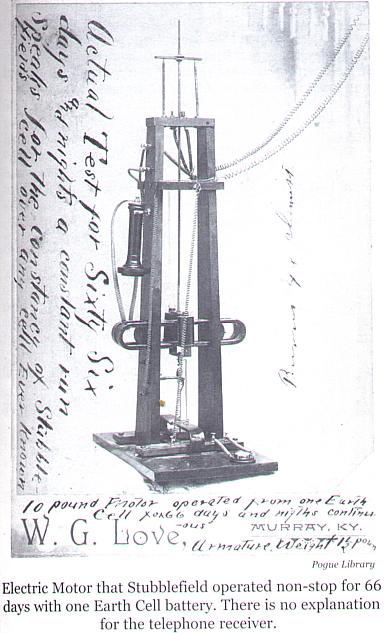
Operated arc lamps, motors, pumps and a ground-based telephone system using power drawn directly from the earth.
Experimental Evidence
The article states that Stubblefield "developed an extraordinary receiver of ground electricity (which produced great quantities of electric power) and numerous vibrating telephones... demonstrated before hundreds of qualified observers in his day."
Limitations
- Dependence on specific ground locations with favorable "earth energy"
- Lack of quantitative performance data
- No modern independent replication
Red Flags
- Claims are not supported by peer-reviewed studies
- Terminology such as "electrical ocean" and "VRIL" is non-scientific
- Potential pseudoscientific over-claims