Goal
Generate high heating energy using low electricity and improve overall heating efficiency.
Problem
High energy consumption and cost of conventional resistance-wire heating for air, water, oil and steam generation.
Concept Summary
A chemical compound of organic and inorganic components that replaces traditional resistance wires, providing a higher coefficient of performance (COP) and better radiation absorption, resulting in over-unity-type heating efficiency.
Detailed Description
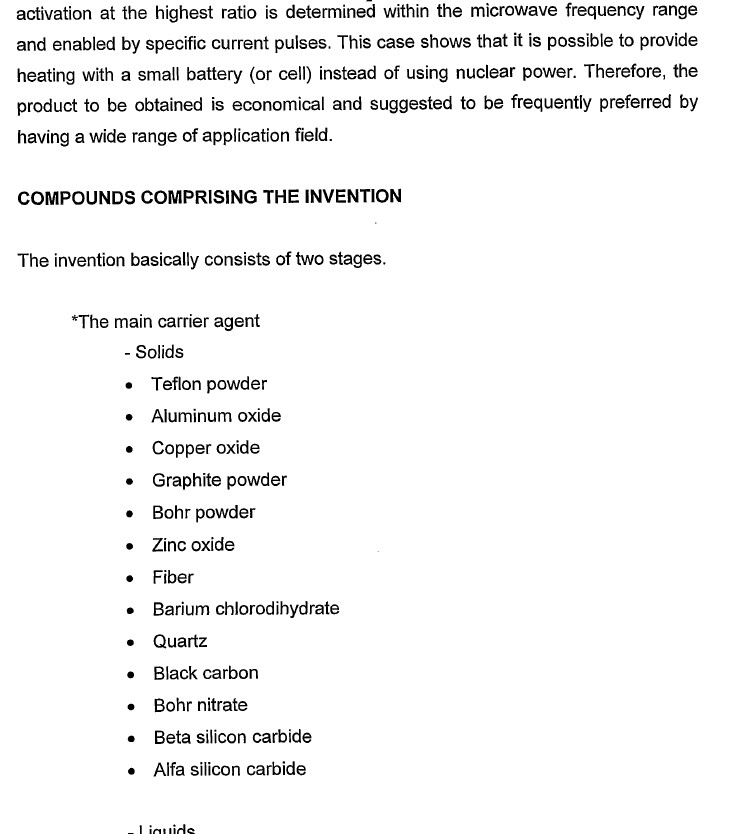
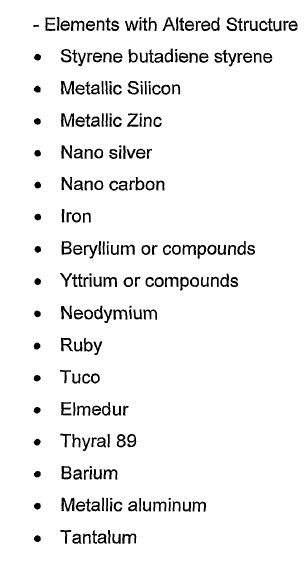
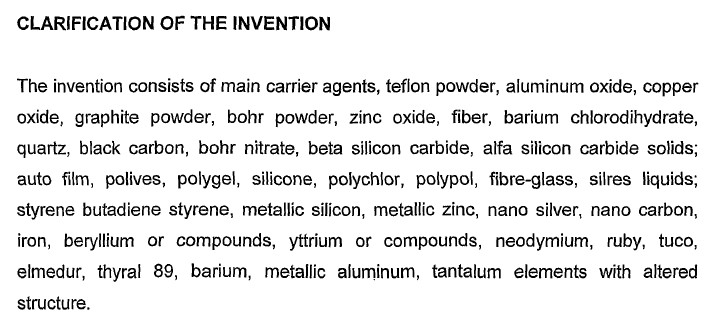
The invention is a hybrid heating mixture (HIM) composed of many organic and inorganic materials. It functions as a resistive heating element that converts electrical energy into heat more efficiently than standard metal wires. Laboratory tests reported by the Energy Department of Muğla University claim a COP 2.25 times that of conventional resistance heating, corresponding to an efficiency above 150 %. The material also reportedly absorbs various forms of radiation at rates superior to lead panels of comparable thickness, enabling additional heat gain from ambient radiation. Potential applications include heating of homes and offices, heating of air, water, or oil, integration into electrical appliances, and steam generation.
Principles
- Electrical resistance heating
- Hybrid material thermal conductivity
- Radiation absorption enhancement
Scientific Domains
Materials
- Organic compounds
- Inorganic compounds
Mechanisms of Action
- Conversion of electrical energy to heat via higher-resistivity hybrid material
- Absorption of ambient radiation to augment heat output
Energy Sources
Applications
- Heating homes and offices
- Heating air, water, or oil
- Electrical appliances using resistance elements
- Steam generation
Claimed Performance
COP 2.25x that of standard resistance wires (~=150 % efficiency); over-unity heating claim.
Experimental Evidence
Energy Department of Muğla University report (20 Feb 2008) stating the coefficient of performance (COP) of HIM is 2.25 times higher than standard resistance wires.
Replication Status
No independent replication reported; only internal laboratory test and a licensing agreement with Germany's Energie Team.
Limitations
- Exact chemical composition not disclosed
- Lack of peer-reviewed or independently verified data
- Unclear long-term durability and safety
Red Flags
- Over-unity efficiency claim
- Absence of independent verification
- Vague description of material composition