Goal
Obtain high-yield, high-purity sulforaphane for use in food, feed, cosmetics and pharmaceuticals.
Problem
Conventional sulforaphane extraction is time-consuming, low-yield and often yields purity below 95 %.
Concept Summary
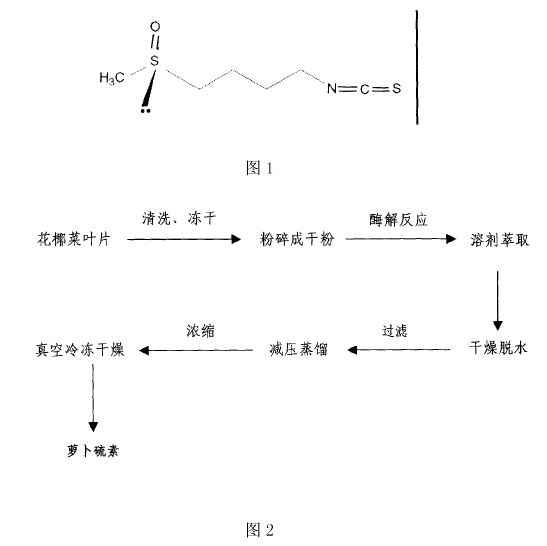
The patented process combines genetic engineering of E. coli to produce a glucosinolate-hydrolyzing enzyme, ultrasonic extraction of broccoli, enzymatic hydrolysis, fermentation, and downstream purification steps including CO_2 supercritical extraction, distillation and freeze-drying to deliver sulforaphane with >95 % purity.
Principles
- Genetic engineering of microorganisms
- Enzymatic hydrolysis of glucosinolates
- Ultrasonic cavitation for cell disruption
- Fermentation bioprocess
- Supercritical CO_2 extraction
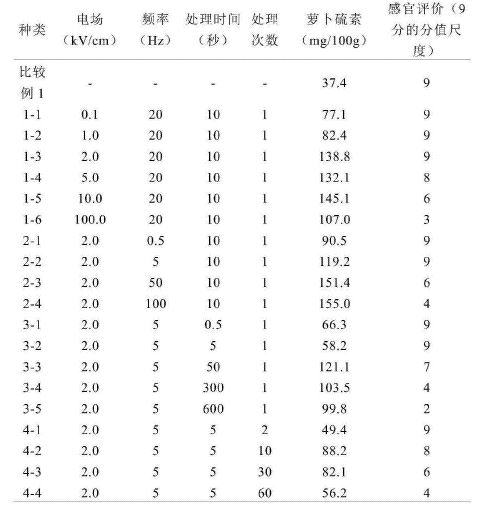
- High-voltage pulsed electric field treatment
- Membrane filtration and centrifugation
Scientific Domains
Materials
- Broccoli (fresh or sprout)
- Escherichia coli (engineered strain)
- Sodium hydroxide
- Hexane
- Acetone
- Ethanol
- Starch
- Sucrose
- Microcrystalline cellulose
- Supercritical CO_2
- Water
- Acid (pH adjusting agent)
Mechanisms of Action
- E. coli expresses glucosinolate-hydrolyzing enzyme converting glucoraphanin to sulforaphane
- Ultrasonic waves break plant cell walls, releasing intracellular compounds
- Fermentation converts glucosinolate-glycoside intermediates into sulforaphane
- Supercritical CO_2 extracts sulforaphane from aqueous/organic phases
- Pulsed electric fields increase membrane permeability, enhancing sulforaphane release
Energy Sources
Applications
- Nutritional supplements
- Cosmetic formulations
- Pharmaceutical anti-inflammatory/anticancer agents
- Functional food ingredients
Claimed Performance
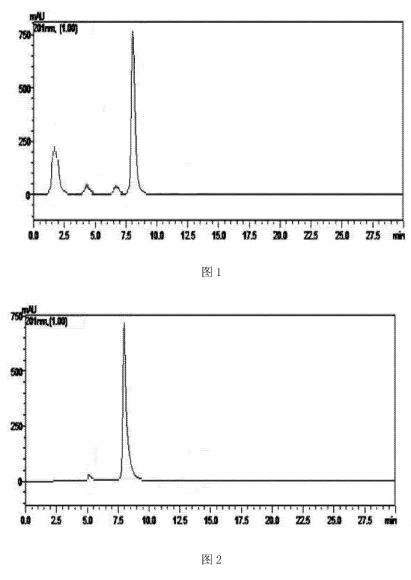
Purity over 95 %, production time shortened by 6-8 hours compared with conventional methods, high overall yield.
Experimental Evidence
The patent description states high yield and >95 % purity but provides no quantitative experimental data or independent validation.
Replication Status
No explicit replication or commercial scaling statements are present in the text.
Limitations
- Scale-up of solvent-intensive steps (hexane, acetone) may raise safety and environmental concerns
- Genetically engineered microbes require regulatory approval for food-grade products
- Energy demand for ultrasonic and high-voltage pulsed systems