Goal
Simultaneous generation of hydrogen, clean water, and electricity; desalination; anti-fouling filtration; antibacterial bandages; battery life extension.
Problem
Global water scarcity, rising energy demand, membrane fouling, microbial contamination, limited battery lifespan.
Concept Summary
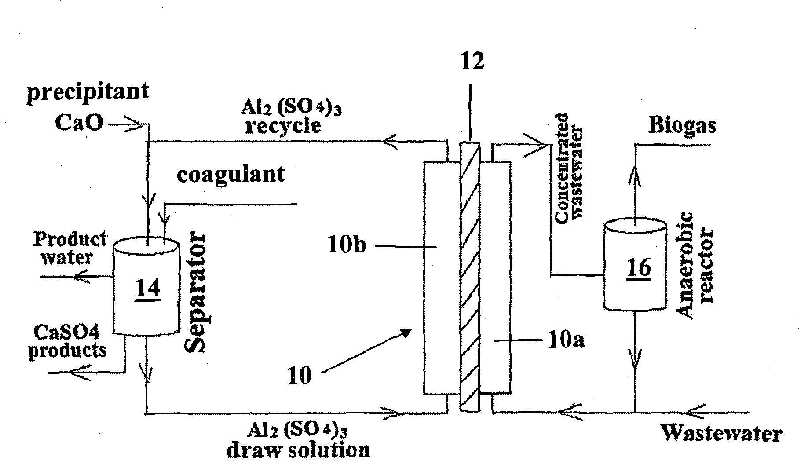
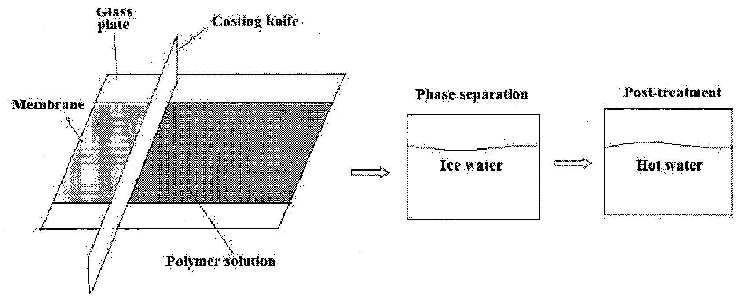
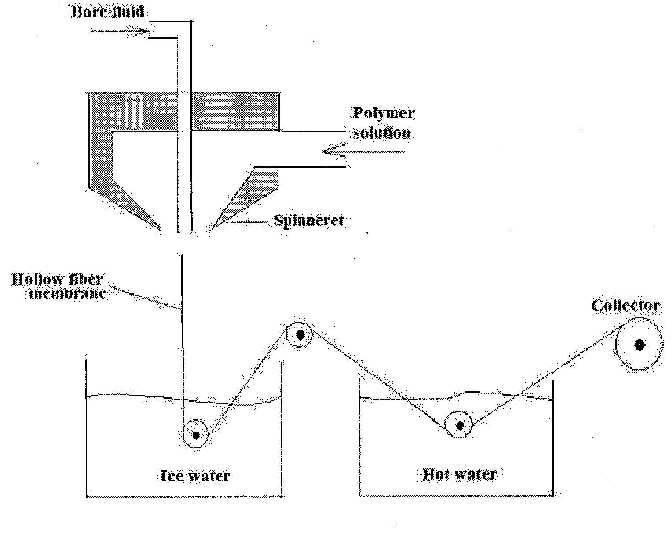
A patented TiO2-based nanofiber material that, when combined with optional dopants (CuO, carbon, Cu, Zn, Sn), acts as a photocatalyst for solar-driven water splitting, a hydrophilic forward-osmosis membrane for desalination, a flexible solar cell, an anode additive for lithium-ion batteries, and an antimicrobial substrate for bandages.
Principles
- Photocatalysis
- Hydrophilicity
- Forward osmosis
- Antimicrobial activity
- Solar photon absorption
- Lithium-ion intercalation enhancement
Scientific Domains
Materials
- Titanium dioxide (TiO2)
- Copper oxide (CuO)
- Carbon
- Copper
- Zinc
- Tin
- Nanofibers / nanospheres
Mechanisms of Action
- Photocatalytic water splitting under sunlight
- Hydrophilic membrane allowing high-flux water flow while rejecting salts
- Antimicrobial surface killing bacteria
- Solar photon to electricity conversion in flexible TiO2 cells
- Improved lithium-ion insertion/extraction when TiO2 nanospheres are used as anode
Energy Sources
Applications
- Water desalination
- Hydrogen fuel production
- Solar electricity generation
- Lithium-ion battery life extension
- Antibacterial medical dressings
Claimed Performance
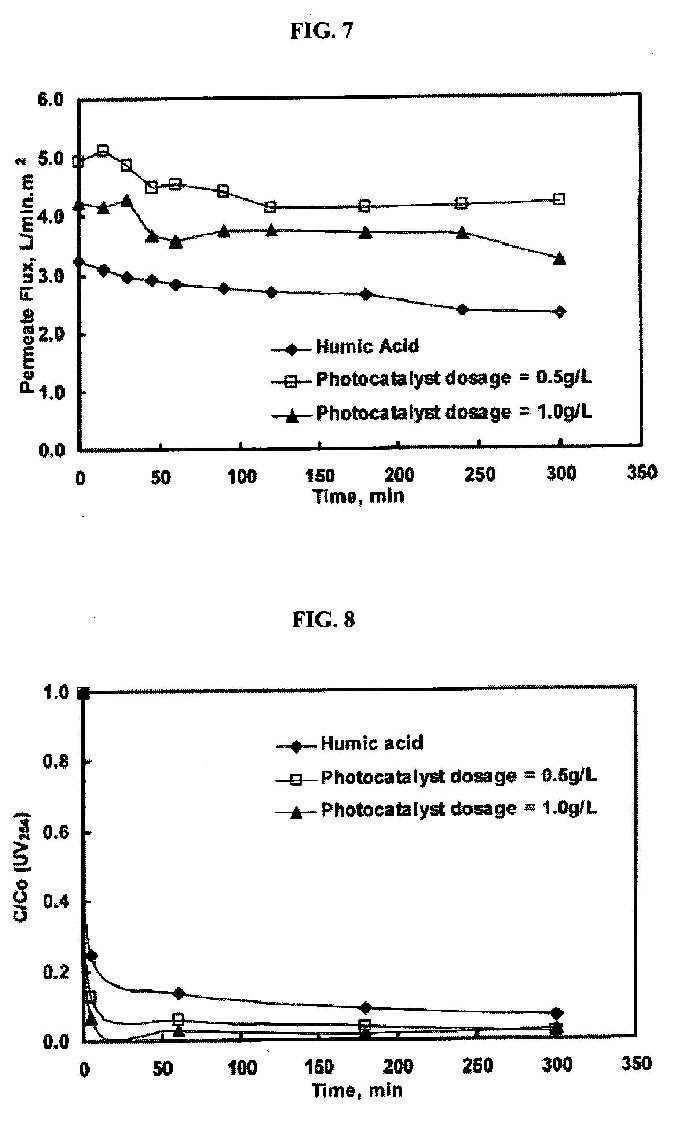
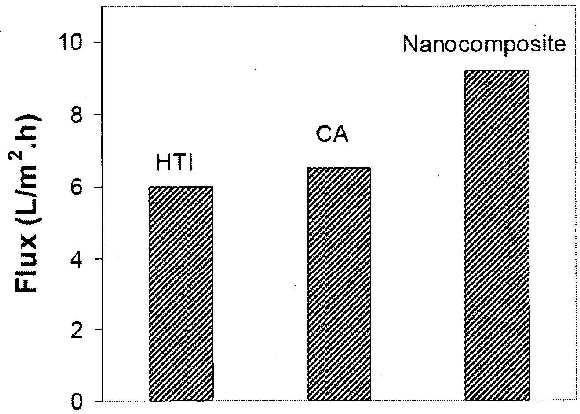
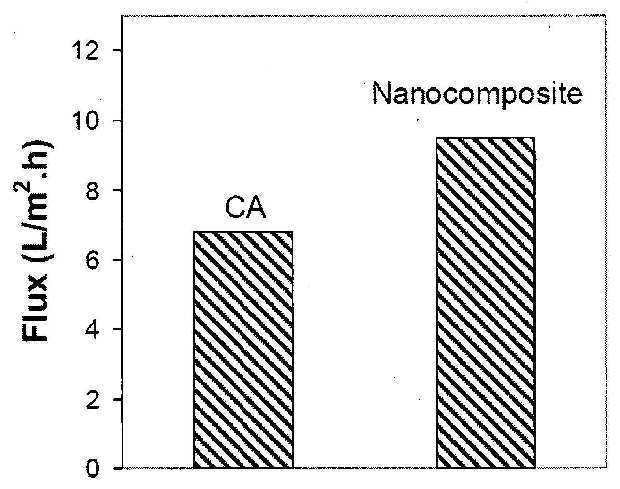
0.5 g of TiO2 nanofibers (treated with CuO) produced 1.53 mL H_2 per hour in 1 L wastewater - three times the yield of a platinum catalyst; up to 200 mL H_2 h^-^1 in favorable wastewater; forward-osmosis membrane shows high flux and anti-fouling; TiO2 anode doubled lithium-ion battery capacity; flexible TiO2 solar cell generated measurable electricity; antibacterial bandage prevented microbial growth.
Experimental Evidence
Laboratory tests reported in Water Research (2012) and Energy and Environmental Science (2013) showed hydrogen generation rates, forward-osmosis flux, and battery capacity doubling; journal articles and patent documents provide quantitative data.
Replication Status
Results reported only by the authors' research group; no independent replication documented.
Limitations
- Performance depends on sunlight intensity and wastewater composition
- Scale-up of nanofiber membrane fabrication not demonstrated
- Long-term durability of membranes and solar cells not reported
- Economic analysis of large-scale production missing
Red Flags
- Claims of "three times more than platinum" are based on limited lab data
- No independent third-party validation reported