Goal
Reduce skin-friction drag on submerged objects to achieve very high underwater speeds.
Problem
Conventional underwater vehicles are limited by high hydrodynamic drag, restricting speed and maneuverability.
Concept Summary
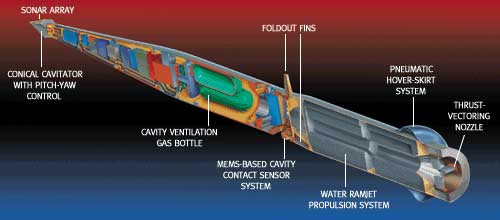
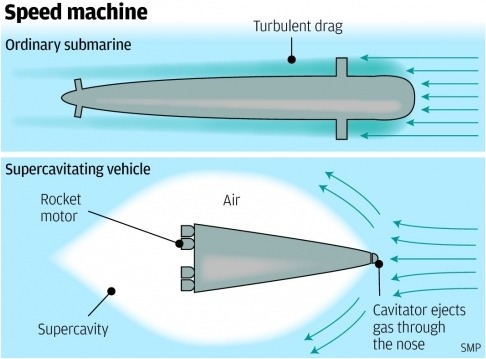
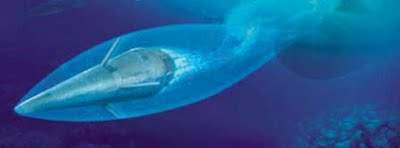
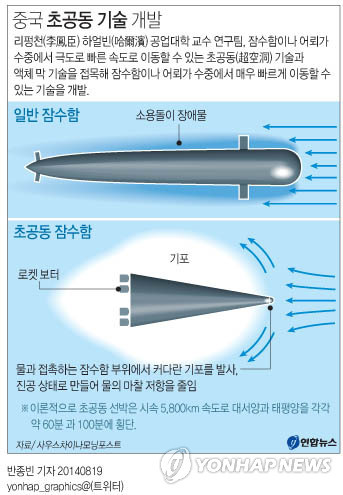
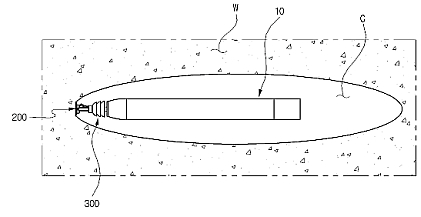
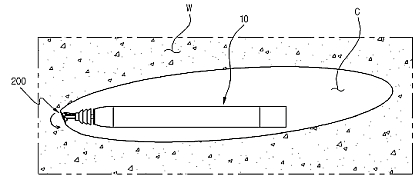
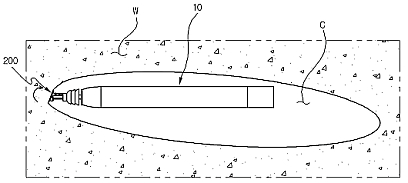
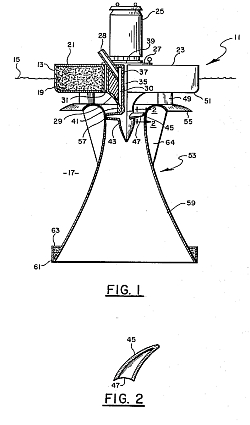
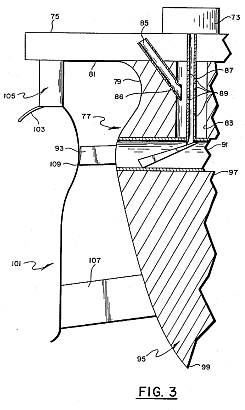
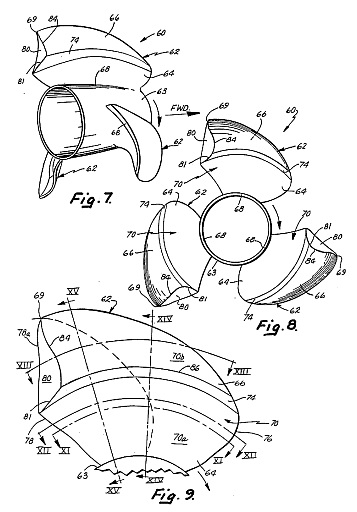
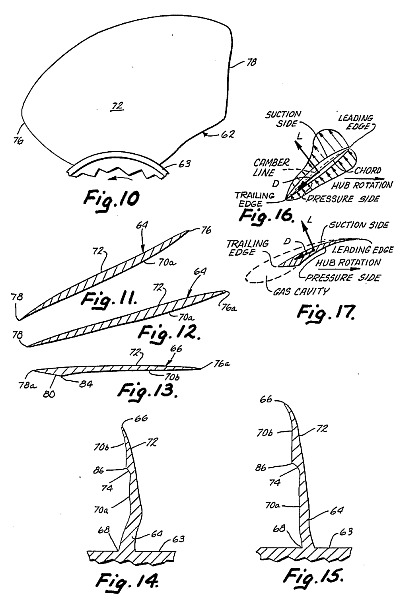
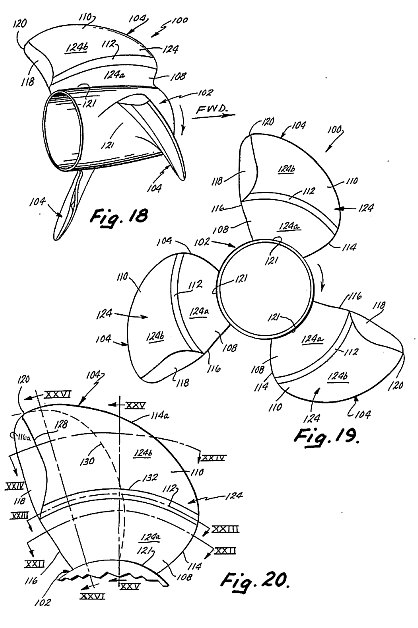
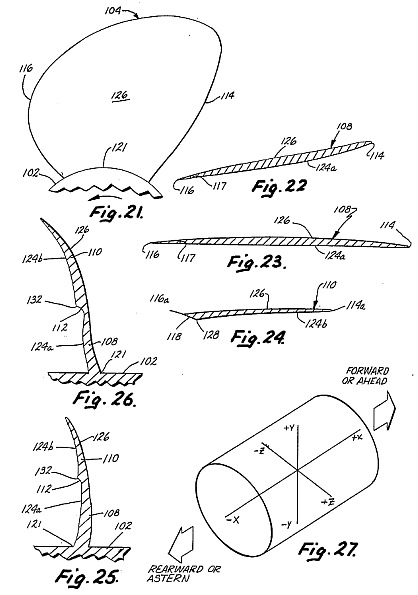
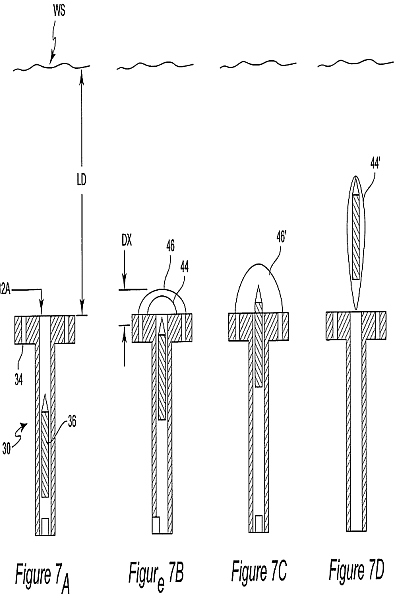
Supercavitation creates a gas bubble that envelops a high-speed object, dramatically lowering skin friction. The bubble can be initiated by the object's nose shape, by rapid acceleration, or by injecting high-pressure gas. Propulsion is usually provided by a rocket or a supercavitating propeller, and maneuvering can be achieved with fins, nose tilting, asymmetric gas injection, or thrust vectoring.
Detailed Description
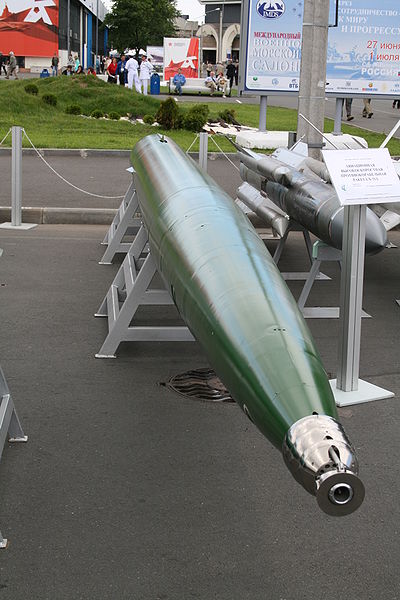
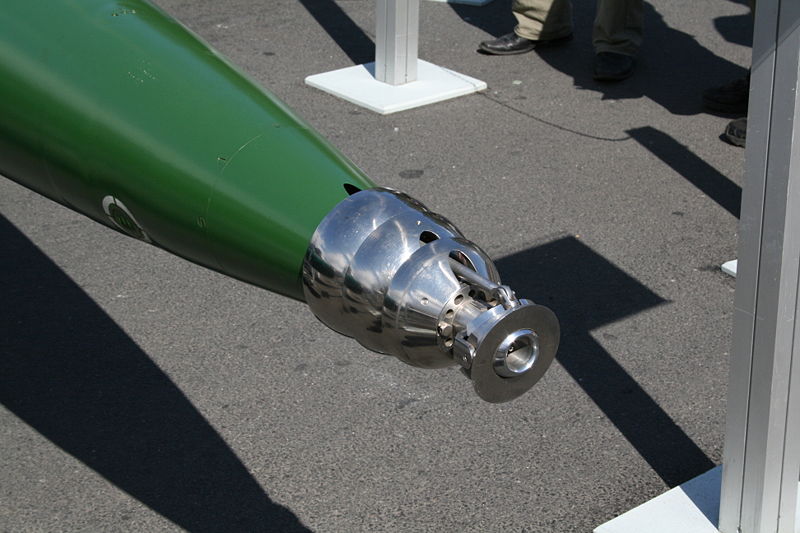
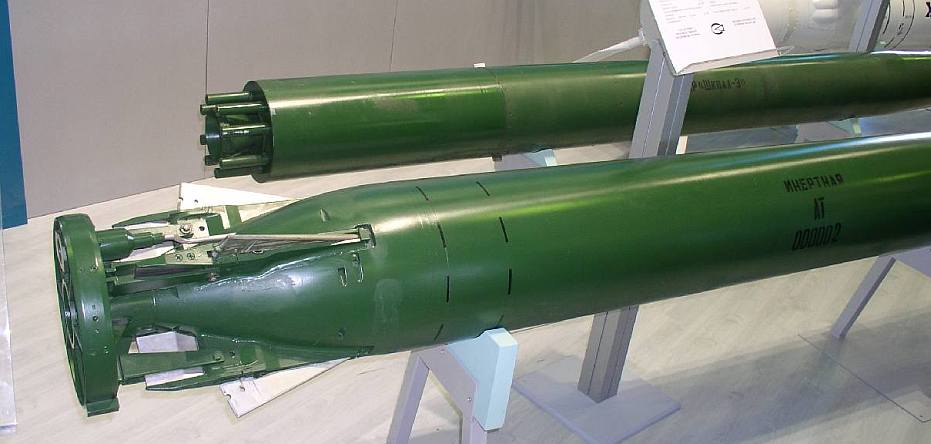
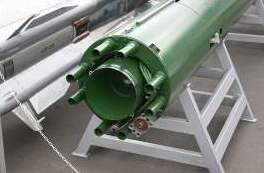
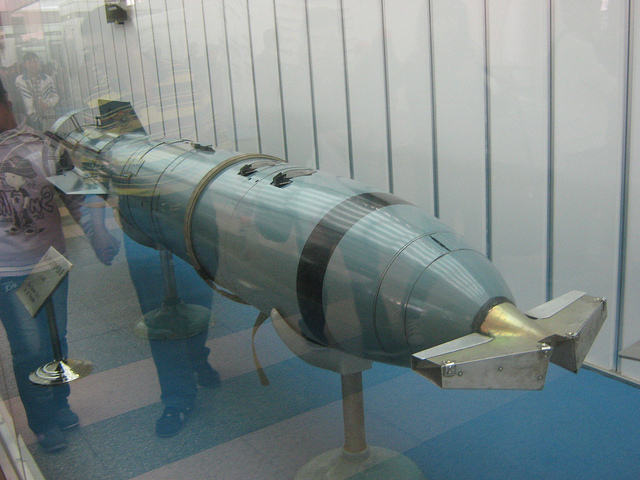
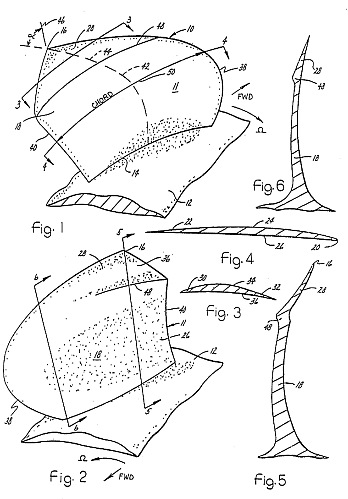
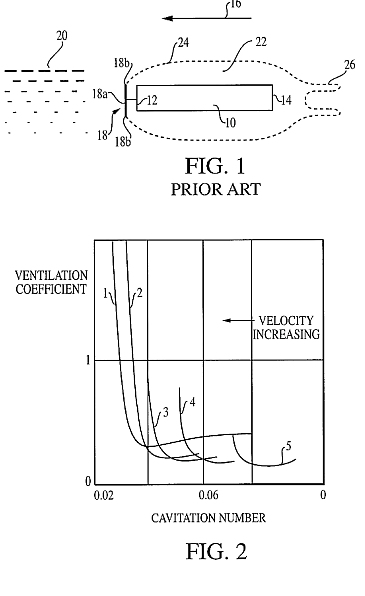
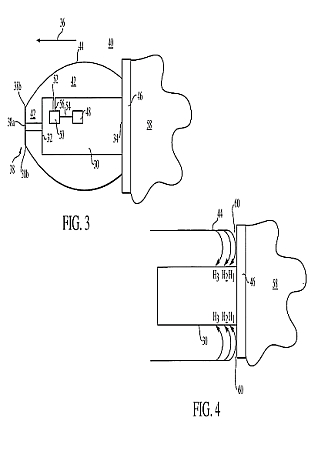
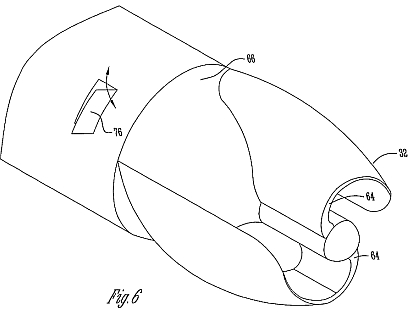
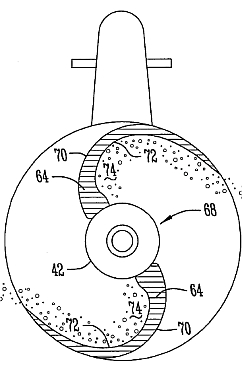
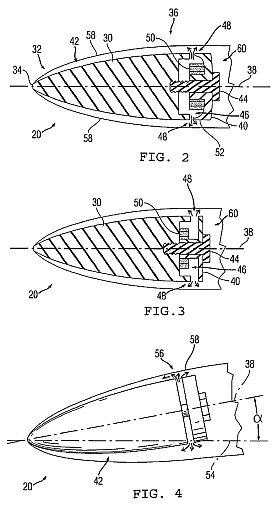
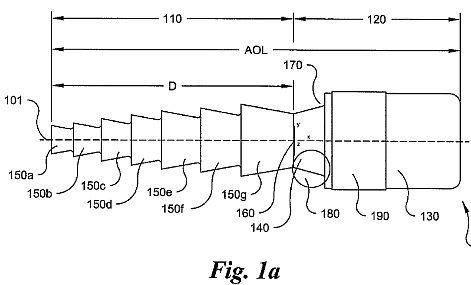
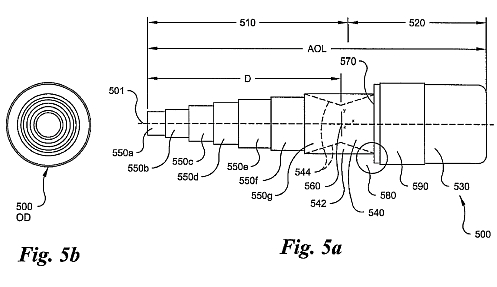
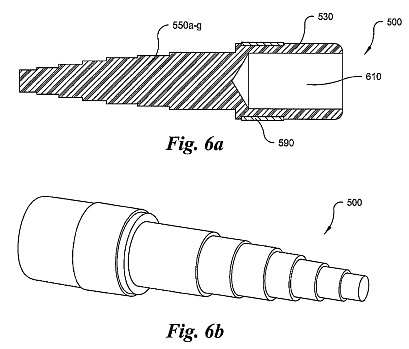
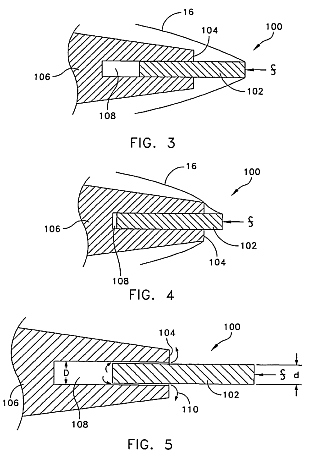
A supercavitating object features a sharp-edged nose (flat disk or cone) that initiates a cavitation bubble when the vehicle travels at sufficient speed. The bubble extends past the aft end, keeping the sides of the hull out of direct contact with water, thus reducing drag. Bubble length can be increased by injecting high-pressure gas near the nose. Propulsion methods include rocket thrust (e.g., Russian Shkval torpedo), supercavitating propellers, or air-breathing engines. Maneuverability is achieved via drag fins that protrude into the surrounding liquid, nose articulation, asymmetric gas injection, or gimbaled thrust. Historical implementations include the Soviet Shkval torpedo (~=220 mph), German Barracuda torpedo (~=400 km/h), DARPA's Underwater Express program (target 100 knots), and the Ghost prototype (~=29 knots).
Principles
- Cavitation bubble formation
- Pressure reduction below vapor pressure
- Gas injection to sustain cavity
- Rocket thrust for sustained high speed
- Hydrodynamic drag reduction
Scientific Domains
Materials
- Metal alloys (hull and nose)
- Air (bubble gas)
- Rocket propellant
- Compressed gas (e.g., nitrogen)
Mechanisms of Action
- Rapid acceleration creates low-pressure region at nose
- Sharp nose geometry triggers vapor bubble
- High-pressure gas injection enlarges bubble
- Rocket or propeller thrust pushes vehicle within bubble
- Fins or thrust vectoring alter bubble shape for steering
Energy Sources
Applications
- Naval torpedoes
- High-speed underwater craft
- Mine clearance projectiles
- Stealth underwater vehicles
Claimed Performance
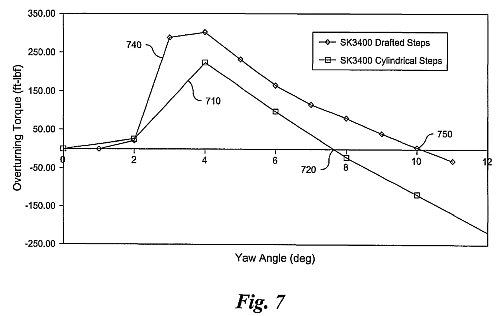
Speeds up to 220 mph (Shkval), >400 km/h (Barracuda), 29 knots (Ghost prototype), and target 100 knots for DARPA Underwater Express submarines.
Experimental Evidence
Over 300 test launches of Soviet Shkval (1972-1977); operational service of Shkval since 1978; German Barracuda torpedo claimed >400 km/h; DARPA contracts awarded for 100-knot submarine prototypes; Ghost prototype demonstrated 29 knots.
Replication Status
In service (Russian Navy Shkval, German Barracuda); prototype testing (Ghost, DARPA Underwater Express).
Limitations
- Requires very high initial speed to generate cavity
- Bubble collapse can cause structural damage
- Limited maneuverability without complex control systems
- Guidance and control systems are under-developed
Red Flags
- Potential for weaponization and proliferation
- Limited publicly verified performance data
- Claims of speed may be exaggerated in some sources