Goal
Provide a low-power boost to wireless signal range by applying a conductive nano-material coating that forms a conformal antenna on virtually any surface.
Problem
Need for improved antenna performance without large towers; poor signal strength in phones or underwater environments; desire for rapid, inexpensive deployment of antenna infrastructure.
Concept Summary
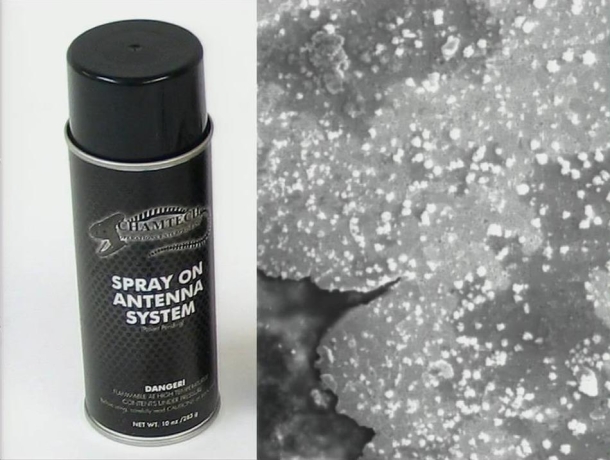
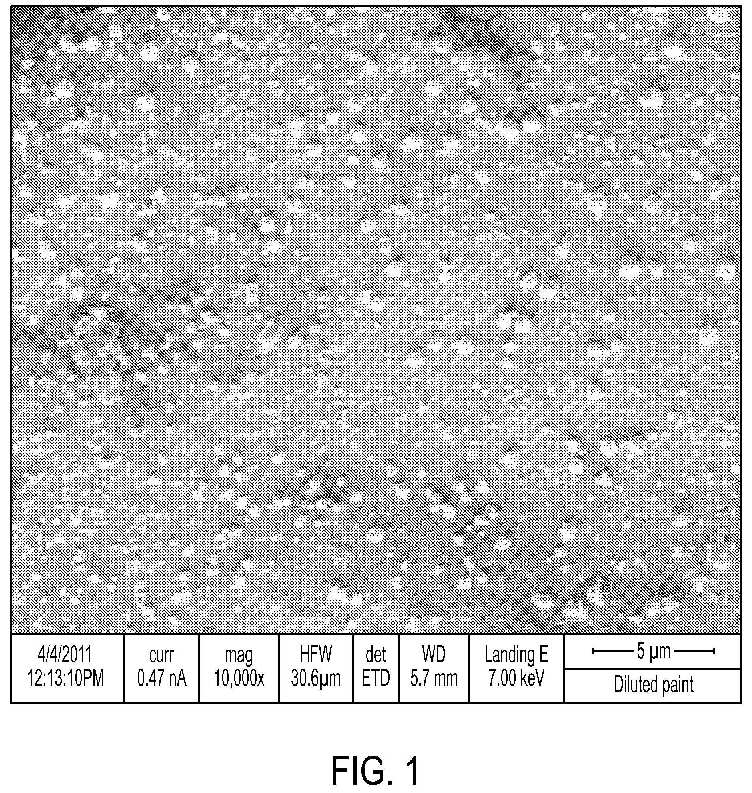
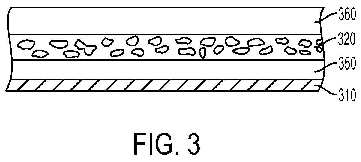
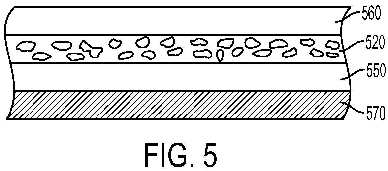
Chamtech's spray-on antenna uses a conductive-particle-based nano-material (e.g., nano-copper) mixed with a binder that can be sprayed onto a substrate. The particles are dispersed so they are adjacent but not touching, forming a dense capacitive network that enhances electromagnetic propagation, emission and absorption. The coated surface acts as an antenna or antenna enhancer, allowing ordinary devices (phones, RFID tags) to achieve much greater range and efficiency, even underwater.
Detailed Description
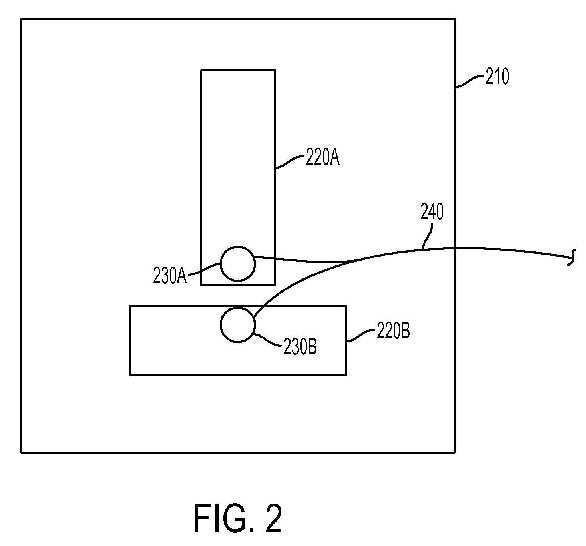
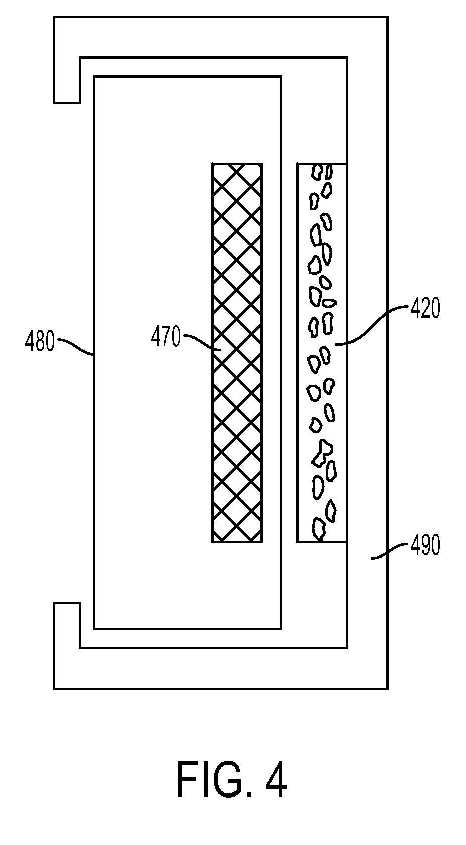
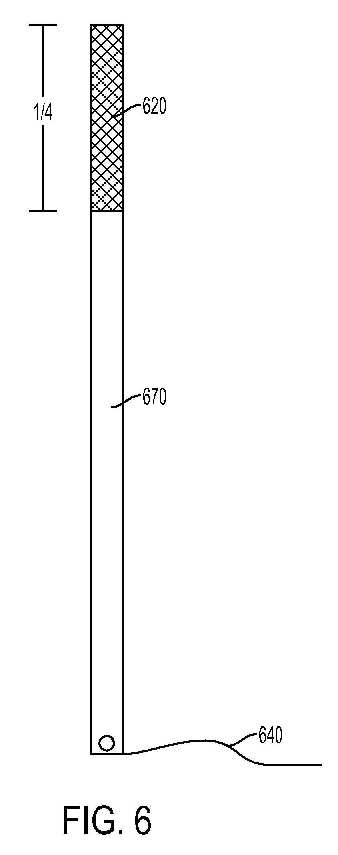
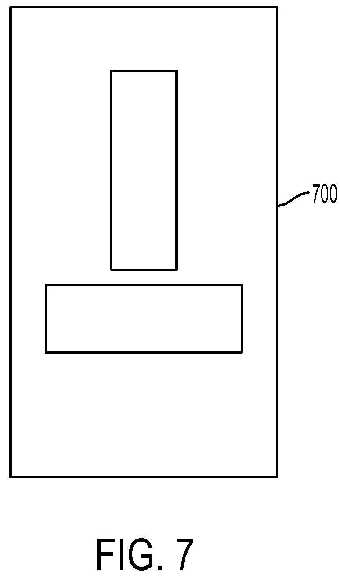
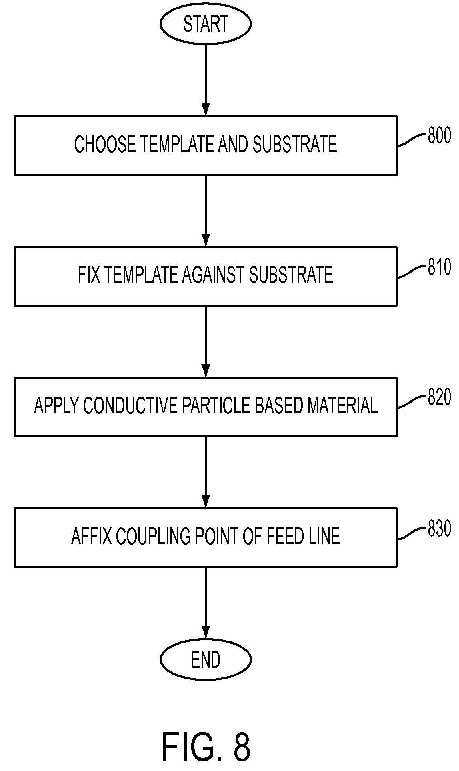
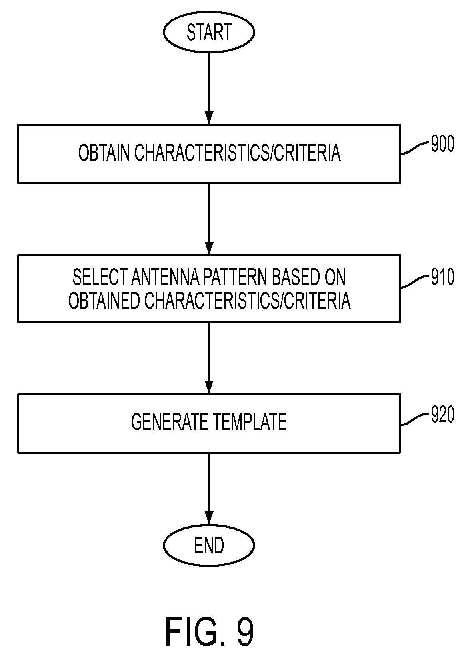
The invention comprises a substrate (any surface) and a conductive-particle-based material applied as a spray. The material contains nano-scale conductive particles (such as nano-copper) suspended in an organic binder. When sprayed, the particles form a conformal layer where the particles are close enough to enable rapid charge-discharge cycles (acting like tiny capacitors) without forming a solid metallic mesh, thereby minimizing heat. The layer can be patterned using a template to create specific antenna geometries, or applied as an enhancer adjacent to an existing antenna. The system can be connected to a device via a flexible feed cable. Reported performance includes increasing an RFID tag's range from 5 ft to 700 ft, achieving a 1-mile underwater link with only 3 W of power, and enabling a car-mounted antenna to receive radio stations 50 mi away despite a 10 000-ft mountain barrier.
Principles
- Conductive particle dispersion
- Capacitive network formation
- Electromagnetic radiation enhancement
- Conformal antenna geometry
Scientific Domains
Materials
- Nano-copper particles
- Organic polymer binder
- Conductive particle-based spray coating
Mechanisms of Action
- Adjacency of nano-conductors particles creates rapid charge-discharge capacitance
- Enhanced near-field coupling to incident RF signals
- Improved radiation efficiency through distributed conductive paths
Applications
- Mobile phone signal boosting
- Medical device communication
- Underwater telemetry
- Rapid deployment of communication infrastructure in disaster zones
Claimed Performance
RFID range increased from 5 ft to 700 ft; underwater 1-mile link with only 3 W; 12x energy savings versus solar/wind generation; car antenna receiving stations 50 mi away despite mountain barrier.
Experimental Evidence
Chamtech reports a test where an RFID chip's range grew from 5 ft to 700 ft after applying the spray; a demonstration of 1-mile underwater transmission using 3 W; anecdotal car-antenna tests showing 50 mi reception.
Limitations
- Performance claims are not independently verified
- Exact electromagnetic mechanism is not disclosed
- Durability of the spray coating under environmental exposure is unknown
- Scalability of manufacturing the nano-particle binder may be limited
Red Flags
- Extraordinary performance claims without peer-reviewed data
- Vague description of the underlying physics
- Reliance on proprietary nano-material without disclosed composition