Goal
Reduce oral malodour by suppressing volatile sulphur compound (VSC) production
Problem
Halitosis caused by overgrowth of VSC-producing bacteria in the mouth
Concept Summary
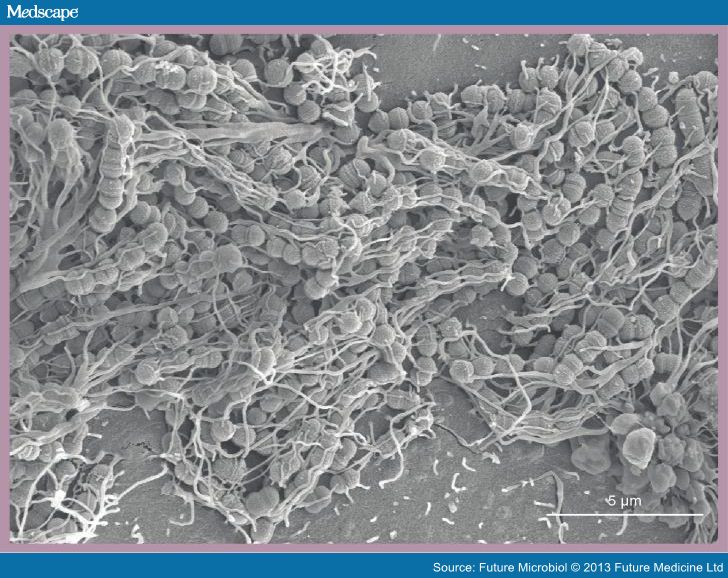
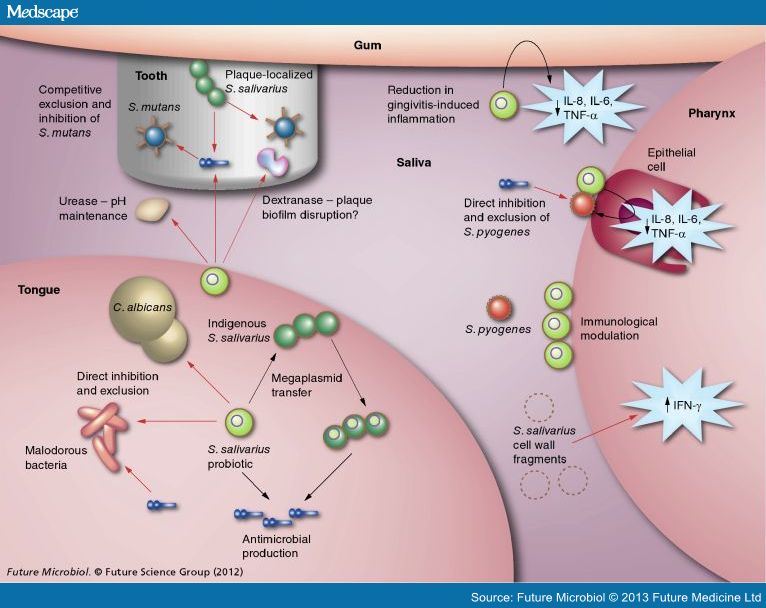
A bacteriocin-producing probiotic strain (Streptococcus salivarius K12) is administered after an antimicrobial mouthwash to colonize the oral cavity, competitively inhibit odor-causing bacteria, and thereby lower volatile sulphur compound levels.
Detailed Description
Subjects with halitosis first use a chlorhexidine mouthwash to reduce the existing oral microbiota. Over the next three days they take lozenges containing either S. salivarius K12 or a placebo. VSC measurements one week later show that 85 % of the K12 group achieve >100 ppb reductions versus 30 % of the placebo group. PCR-DGGE profiling demonstrates shifts in saliva bacterial composition after K12 treatment, and in-vitro antagonism tests confirm that K12 suppresses growth of black-pigmented and other halitosis-associated bacteria. The probiotic is intended for use as a lozenge or spray to maintain a beneficial oral microbiome and prevent re-colonisation by pathogenic species.
Principles
- Competitive exclusion
- Bacteriocin production
- Microbiome modulation
Scientific Domains
Materials
- Streptococcus salivarius K12 (live bacterial culture)
- Lozenge excipients (sugar, binder, flavoring)
Mechanisms of Action
- Colonization of oral mucosa
- Inhibition of pathogenic bacteria via bacteriocins
- Reduction of volatile sulphur compound synthesis
Applications
- Halitosis treatment
- Oral health maintenance
- Adjunct to antimicrobial mouthwashes
Claimed Performance
85 % of K12-treated subjects achieved >100 ppb VSC reduction vs 30 % of placebo; 8/13 subjects maintained reduced VSC for >=2 weeks.
Experimental Evidence
Randomised preliminary study (23 participants) with chlorhexidine wash-out followed by K12 or placebo lozenges; VSC measured by gas chromatography; PCR-DGGE and in-vitro antagonism assays performed.
Replication Status
Multiple independent studies (2005, 2006, 2012) report similar antimicrobial activity and VSC reduction, but large-scale clinical trials are not yet documented.
Limitations
- Efficacy may vary between individuals
- Requires prior antimicrobial mouthwash for optimal effect
- Regulatory status of probiotic supplements is limited in some regions