Goal
Produce fresh drinking water with dramatically lower energy consumption than conventional desalination methods.
Problem
High energy use and carbon impact of existing seawater desalination technologies (evaporation-condensation and reverse osmosis).
Concept Summary
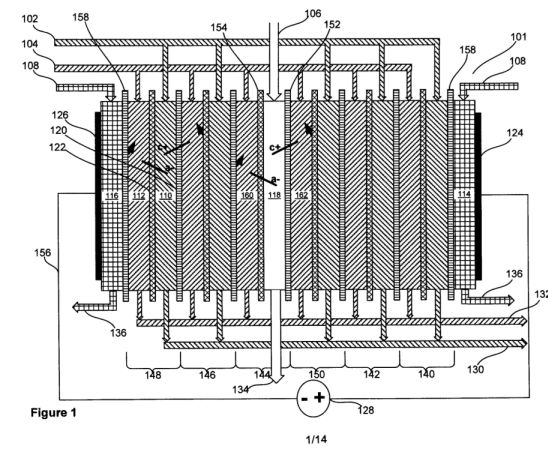
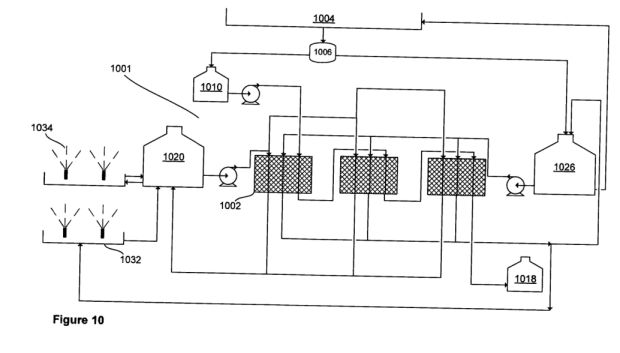
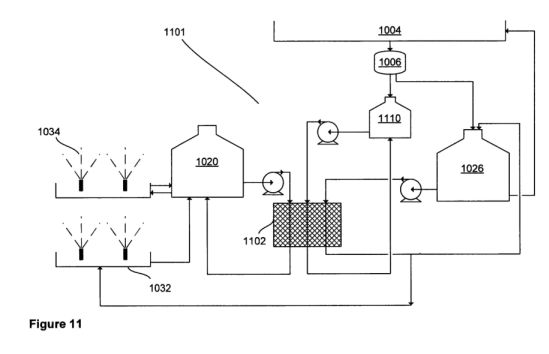
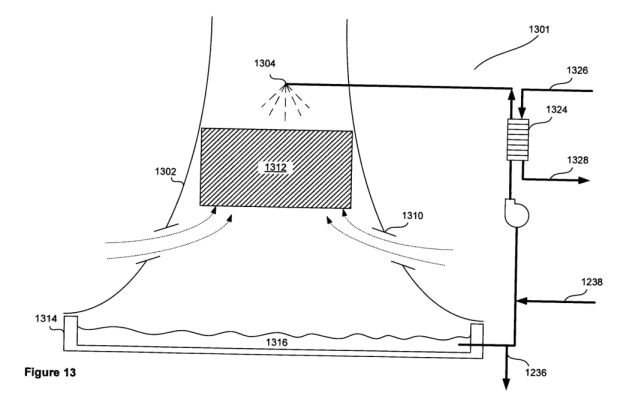
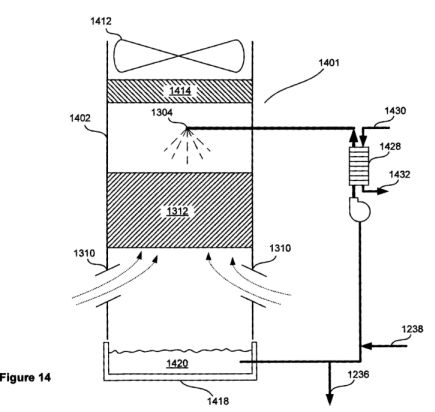
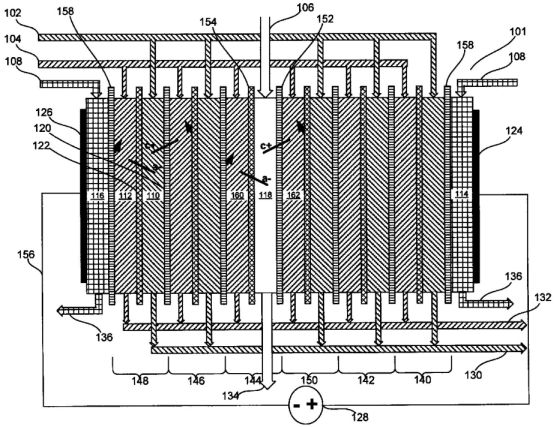
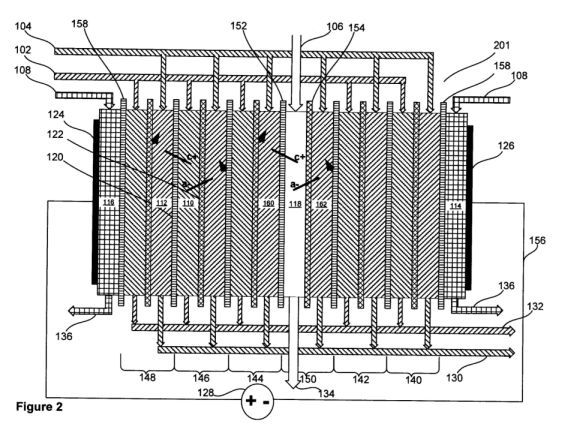
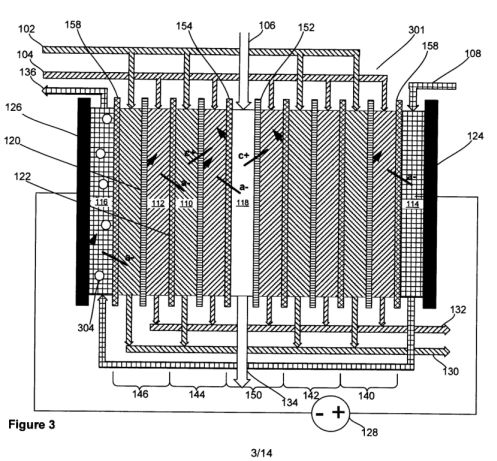
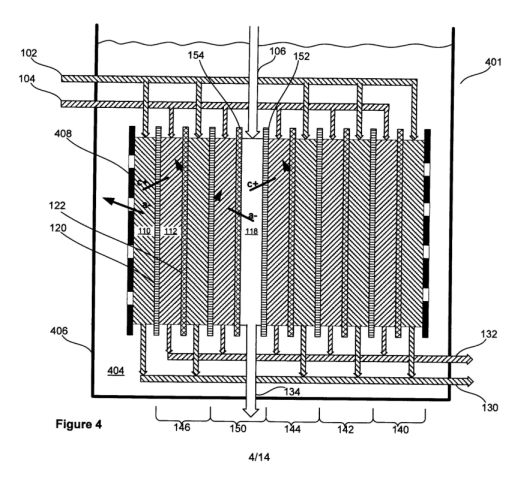
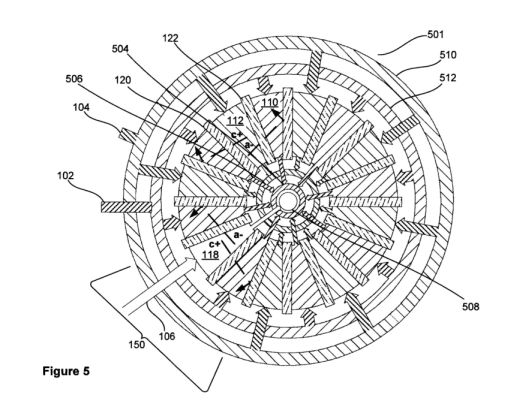
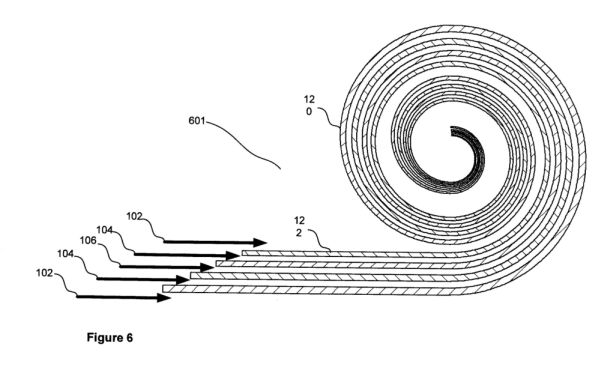
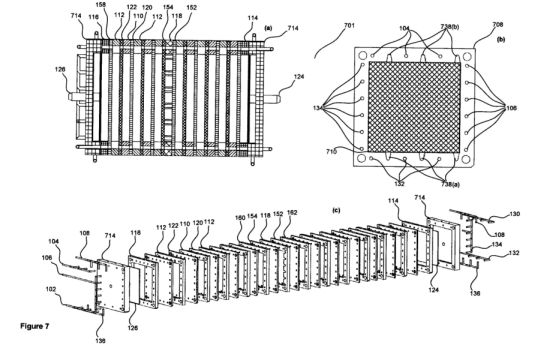
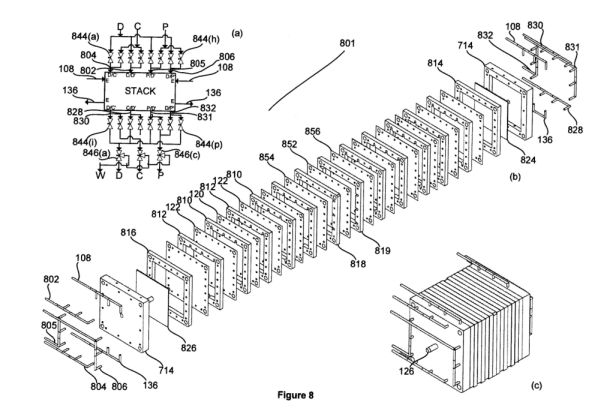
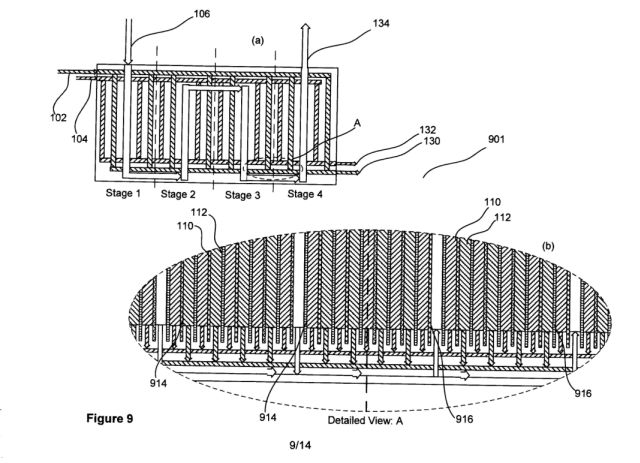
The Saltworks process uses low-temperature heat to evaporate seawater, creating a high-salinity solution that stores concentration-gradient energy. This energy is harvested in a proprietary ion-selective device where polystyrene bridges, chemically treated to allow only specific ions, enable diffusion-driven migration of sodium and chloride from the concentrated stream into lower-salinity streams, thereby desalinating the target water. Only a small amount of electrical power is needed for low-pressure fluid circulation.
Principles
- Concentration gradient (osmotic) energy
- Ion-selective membrane diffusion
- Low-temperature heat utilization
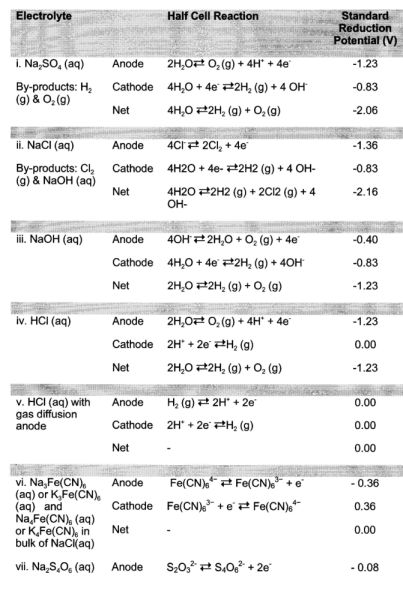
- Voltage-driven ion migration
Scientific Domains
Materials
- Polystyrene
- Ion-selective chemical treatments
- Saltwater (seawater)
- Concentrated brine
Mechanisms of Action
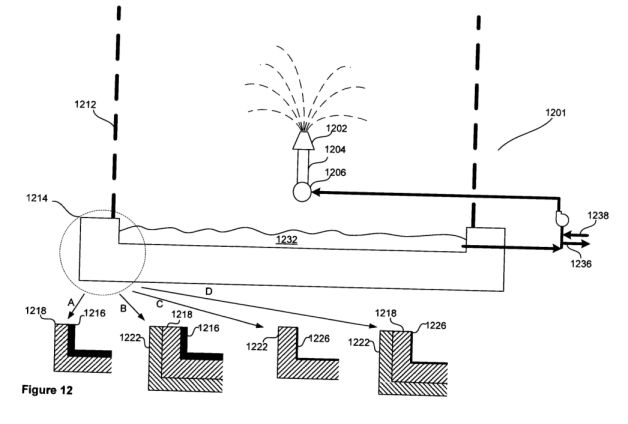
- Evaporation of seawater to increase salinity
- Creation of a concentration difference across ion-selective polystyrene bridges
- Diffusion of Na^+ and Cl^- ions from high-salinity stream to low-salinity streams
- Low-pressure pumping to circulate fluids
Energy Sources
Applications
- Municipal drinking water supply
- Agricultural irrigation
- Industrial process water
Claimed Performance
Up to 80 % less electrical/mechanical energy than leading desalination technologies; pilot plant uses roughly one quarter the energy of conventional plants; four-times less energy per litre of fresh water reported.
Experimental Evidence
Proof-tested by the National Research Council of Canada and BC Hydro's Powertech Labs; a 1,000 L-per-day pilot plant in Vancouver is operational with chemical-free pre-treatment.
Replication Status
Pilot plant built and running; testing performed by NRC Canada and BC Hydro Powertech Labs.
Limitations
- Requires a low-temperature heat source (solar or waste heat)
- Performance improves in arid climates; less effective in humid regions
- Scale-up beyond pilot plant not yet demonstrated