Goal
Reduce viscosity and turbulence of crude oil and fuel to lower pumping energy and increase vehicle fuel efficiency.
Problem
High energy consumption for pumping oil in pipelines and high fuel consumption in internal combustion engines.
Concept Summary
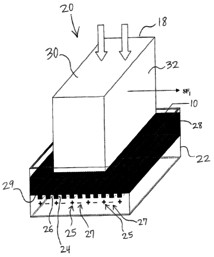
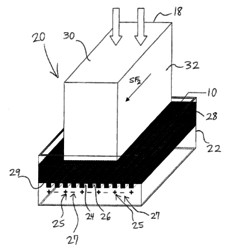
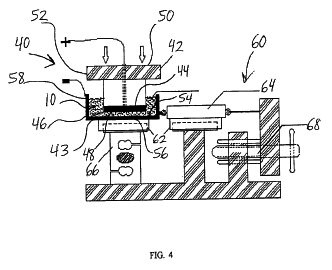
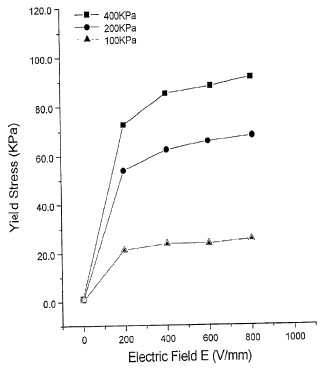
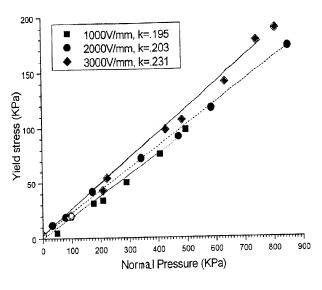
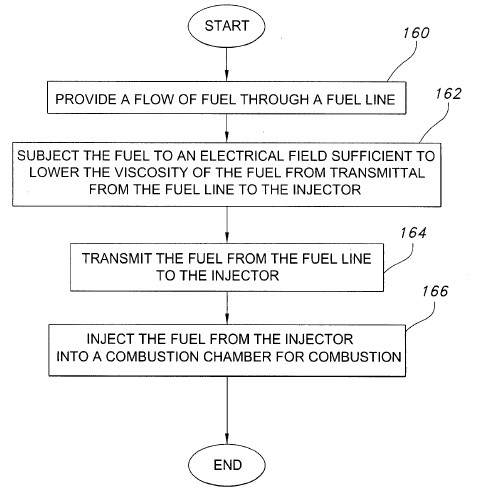
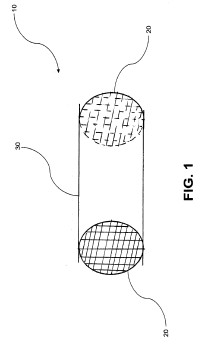
A strong electric field is applied to a flowing fluid (crude oil or fuel). The field polarizes suspended particles, causing them to form short chains aligned with the flow direction. This creates anisotropic viscosity: low viscosity along the flow and higher viscosity perpendicular to it, which suppresses turbulence and allows the same flow rate with reduced pump power or higher engine efficiency.
Detailed Description
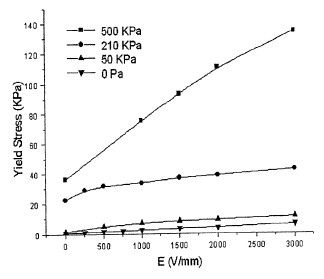
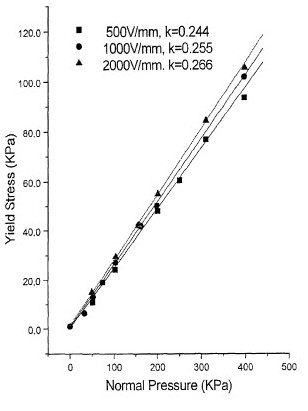
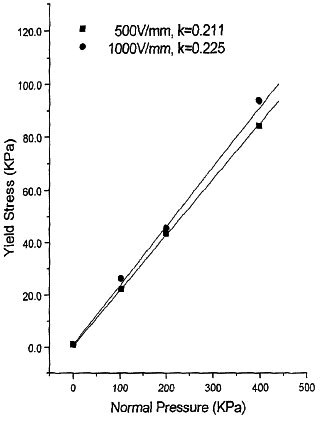
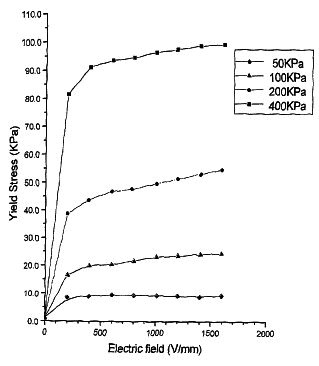
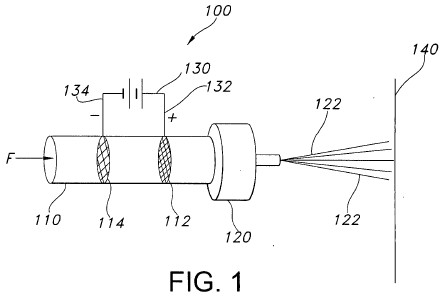
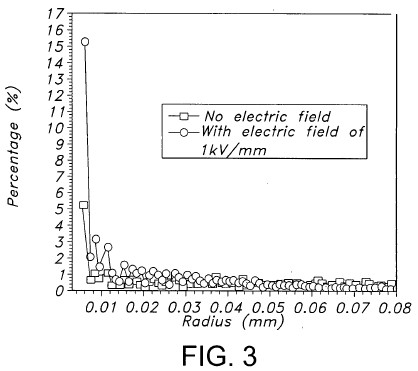
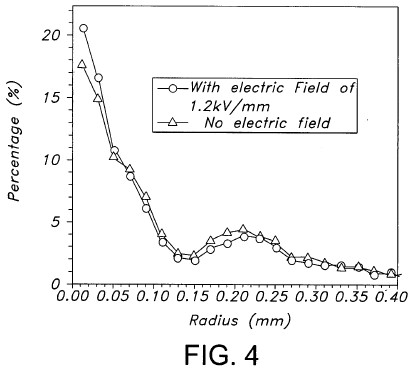
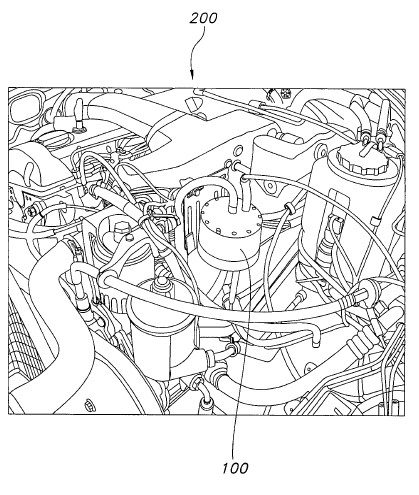
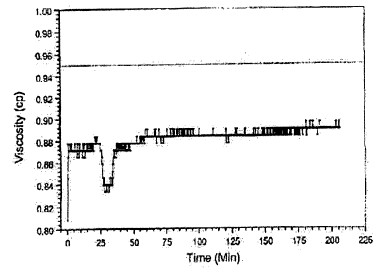
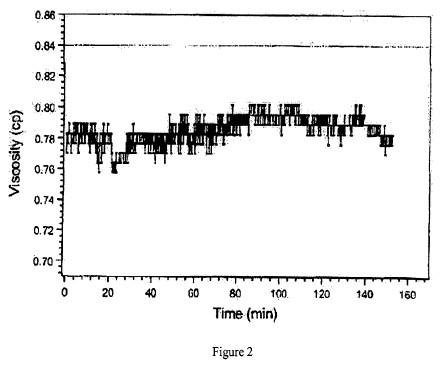
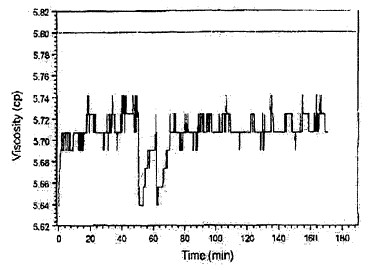
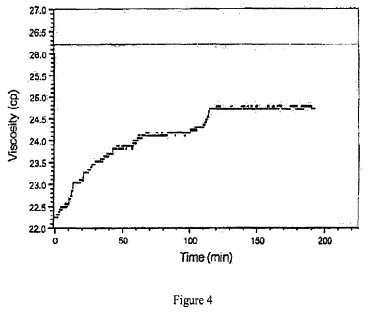
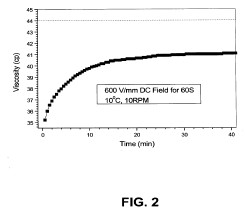
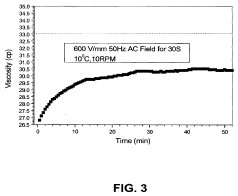
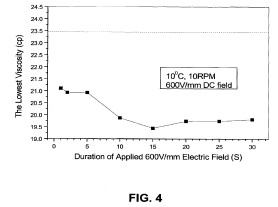
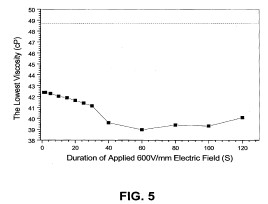
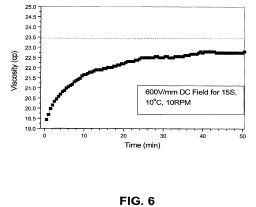
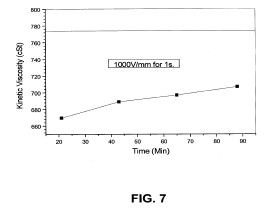
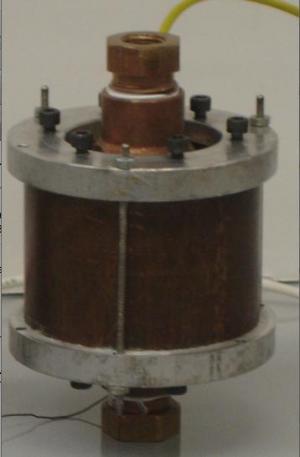
The AOT device is installed on a pipeline segment or attached to a vehicle fuel line. It generates an electric field (~=250-400 V/mm) using electricity from the grid or vehicle battery. The field aligns particles in the fluid, forming chain structures that lower shear resistance in the flow direction while increasing resistance to transverse motion, thereby reducing turbulent losses. Field trials on Keystone pipeline sections and road tests on a diesel Mercedes-Benz demonstrated up to 75 % reduction in pump power and a 20 % increase in highway mpg, with the treated fluid retaining its low-viscosity state for over 11 hours after the field is removed.
Principles
- Electrorheology
- Particle polarization and chain formation
- Anisotropic viscosity
- Turbulence suppression
Scientific Domains
Materials
- Crude oil
- Suspended particles (natural or added)
- Electric field (as phenomenon, not material)
Mechanisms of Action
- Electric field polarizes suspended particles
- Particles aggregate into short chains aligned with flow
- Viscosity is reduced along flow direction
- Viscosity is increased perpendicular to flow, damping turbulence
Energy Sources
Applications
- Oil pipeline transportation
- Internal combustion engine fuel systems
- Diesel truck fuel efficiency
- Gasoline vehicle fuel efficiency
Claimed Performance
75 % reduction in pump power (2.8 MW -> 0.7 MW) on Keystone pipeline; device power consumption 720 W; up to 20 % increase in highway mpg (32 mpg -> 38 mpg); treated fluid retains low viscosity for >11 h.
Experimental Evidence
Field tests on pipelines in Wyoming, China, and the Keystone pipeline; independent test by a second company confirming same results; road testing on a diesel-powered Mercedes-Benz for six months; peer-reviewed publication in Physical Review E (Jan 2015) and Energy & Fuels (2008).
Replication Status
Independent verification performed; a second test with an independent company reproduced the energy-saving effect.
Limitations
- Viscosity reduction persists only ~11 hours after field removal
- Requires continuous electricity supply
- Effectiveness depends on presence of suitable suspended particles
- Scaling to very long pipeline sections may need multiple stations
Red Flags
- Large claimed pump-power reduction (75 %) may be optimistic without detailed efficiency accounting