Goal
Provide passive cooling in hot weather and optional heating in cold weather while reducing energy consumption of HVAC systems.
Problem
Excessive heat buildup in clothing, car seats, hats, curtains and building interiors; high energy use for air-conditioning and heating.
Concept Summary
A textile is infused with inexpensive sodium-sulfate hydrate phase-change material (PCM). The PCM absorbs latent heat when ambient temperature rises, keeping the wearer's skin cooler, and releases heat when the temperature falls, providing a modest heating effect. The same principle is applied to a flexible solar water-heating collector that uses a black fabric with a water-tight coating and capillary flow to transfer solar heat to a fluid.
Detailed Description
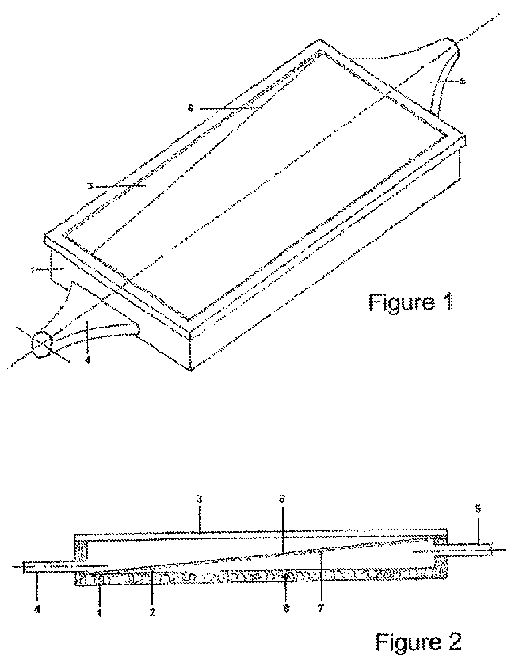
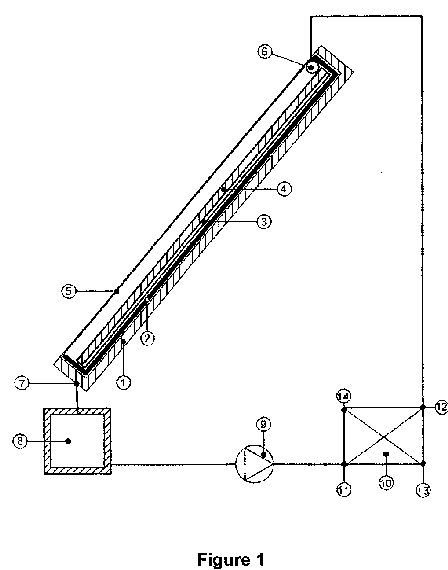
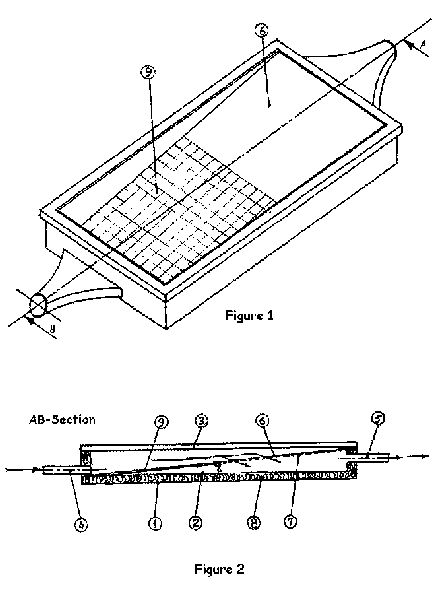
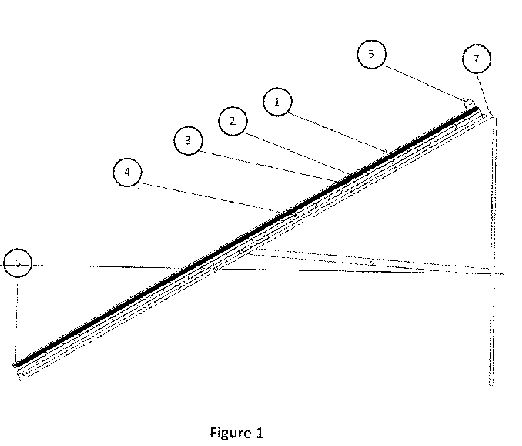
The researchers obtained sodium-sulfate hydrate from the Acıgöl volcano and incorporated it into hats, blankets, curtains and car-seat covers. Laboratory tests reported that a 50 deg C ambient temperature felt like 35 deg C when the PCM-treated hat was worn. The PCM cost 0.10 TL per 100 g (~= $0.005). The same PCM can be used as a heater in winter, reducing household heating demand. In a related invention, a black textile (fabric or felt) coated with a water-tight polymer layer is combined with a transparent UV-stable sheet. Water (or a higher-boiling heat-transfer fluid such as mineral oil, glycerin or ethylene glycol) is introduced via a perforated pipe; capillary action draws the fluid through the textile, where solar radiation is absorbed and heat is transferred to the fluid, delivering water temperatures up to 100 deg C or hot-fluid temperatures above 120 deg C. The collector is roll-up-able, inexpensive and can be mounted on roofs, caravans or camping gear.
Principles
- Latent heat storage (phase-change material)
- Solar absorption by black textile
- Capillary wicking of fluid through textile fibers
- Thermal insulation (optional)
Scientific Domains
Materials
- Sodium sulfate hydrate (PCM)
- Black fabric or felt
- Water-tight polymer coating (e.g., polyurethane)
- Transparent polyethylene or polyester sheet
- Optional insulation layer (e.g., foam)
Mechanisms of Action
- Heat absorption by sodium-sulfate hydrate during melting (cooling effect)
- Heat release during solidification (heating effect)
- Solar radiation absorption by black fabric
- Capillary transport of fluid through textile voids
Energy Sources
Applications
- Cooling hats, blankets, curtains, car seats
- Passive building cooling/heating
- Portable solar water-heating panels for camping, caravans, rooftops
- Heat-recovery systems for swimming pools
Claimed Performance
50 deg C ambient feels like 35 deg C; 25-30 % reduction in HVAC energy use; water heated to 100 deg C; hot-fluid temperatures > 120 deg C; cost <= 0.10 TL per 100 g PCM; collector material < YTL 2 per m^2.
Experimental Evidence
Reported by Dogan news agency and Turkish Daily News; no peer-reviewed data or independent replication provided.
Replication Status
No explicit replication or commercial deployment mentioned in the article.
Limitations
- PCM effectiveness limited to a narrow temperature range
- Potential moisture ingress if water-tight coating fails
- Freezing of fluid in winter unless antifreeze or oil is used
- No long-term durability data
Red Flags
- Claims are based on a news report rather than peer-reviewed experiments
- No quantitative performance data or independent testing cited
- Potential for overstated energy-saving percentages