Goal
Harvest ambient radio-frequency energy and convert it to low-voltage DC power for small electronic devices and to provide early seismic-warning signals.
Problem
Lack of a self-contained power source for low-power electronics and the need for a simple, inexpensive seismic-early-warning system.
Concept Summary
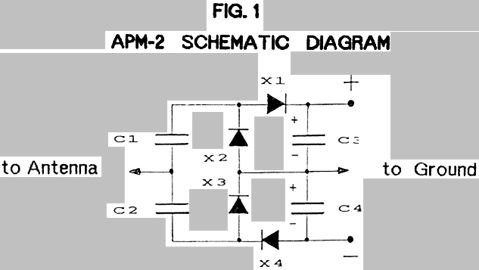
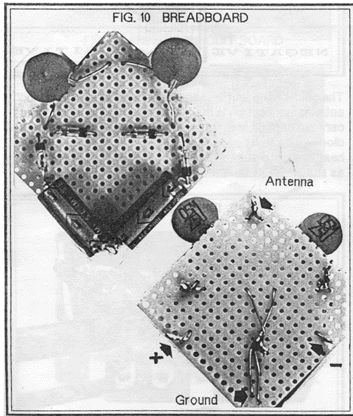
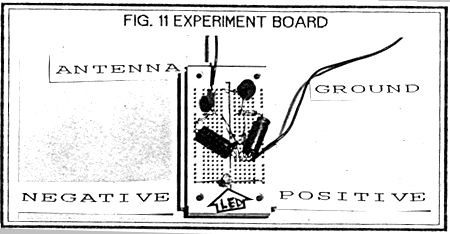
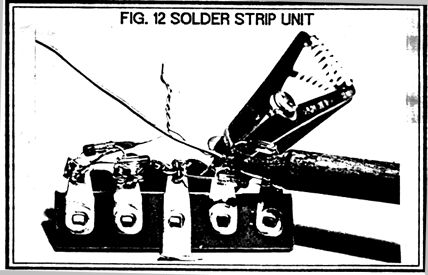
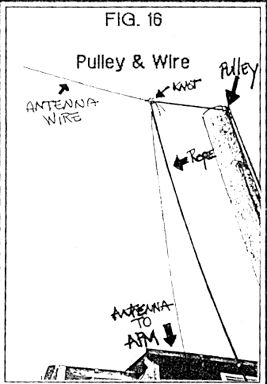
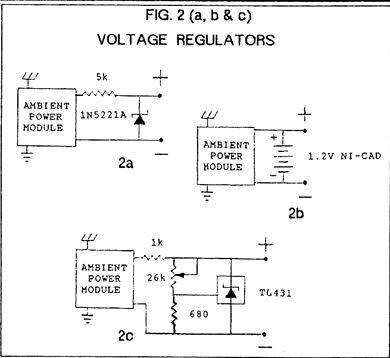
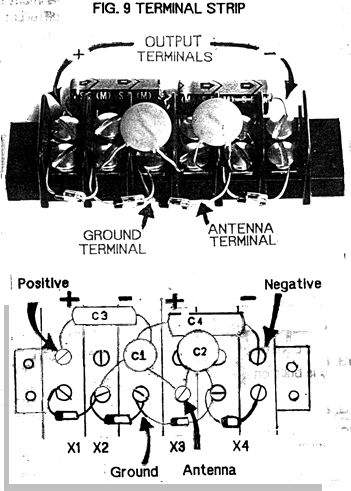
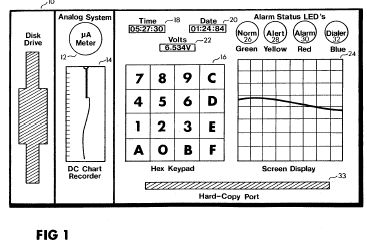
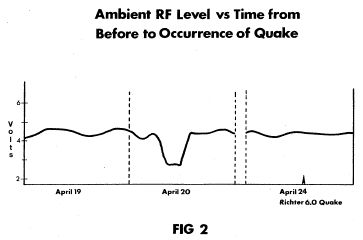
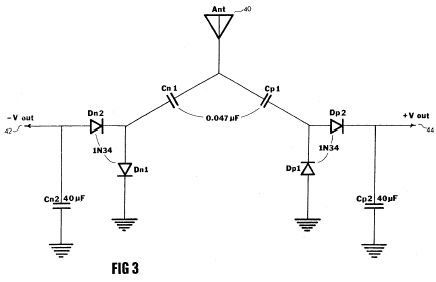
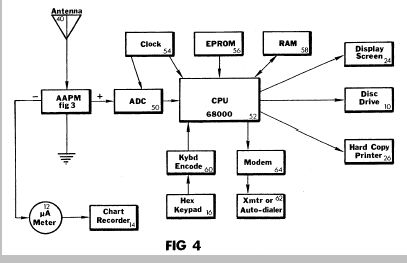
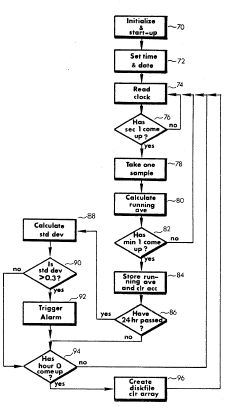
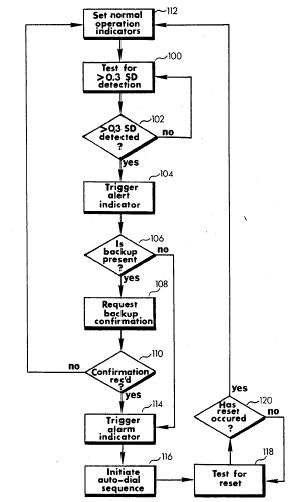
The APM uses a long wire antenna and earth ground to capture ambient RF energy (mostly < 1 MHz). The captured RF current is rectified by germanium diodes and stepped up by two cascaded voltage-doublers. The resulting DC is filtered by ceramic and electrolytic capacitors and can directly power low-impedance devices (clocks, smoke alarms, LEDs) or charge Ni-Cd batteries. The same antenna-ground system can sense changes in ambient RF levels that correlate with seismic activity, providing a rudimentary early-warning signal.
Principles
- Radio-frequency energy harvesting
- Diode rectification
- Voltage-doubler cascades
- Capacitive energy storage
- Antenna-ground coupling
Scientific Domains
Materials
- Germanium diodes (1N34)
- Ceramic capacitors (0.2 uF, 50 V)
- Electrolytic capacitors (100 uF, 50 V)
- Copper wire (antenna & ground)
Mechanisms of Action
- Ambient RF waves induce current in a long wire antenna
- Germanium diodes rectify the RF signal
- Two oppositely polarized voltage doublers increase the DC voltage
- Capacitors smooth and store the harvested energy
- Low-impedance loads draw milliwatt-scale power
Energy Sources
Applications
- Powering clocks
- Smoke alarms
- Low-voltage LEDs
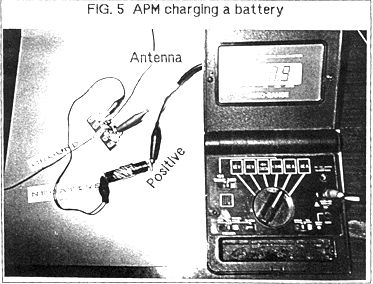
- Charging Ni-Cd batteries
- Early seismic warning
- Proximity detection for ships & structures
Claimed Performance
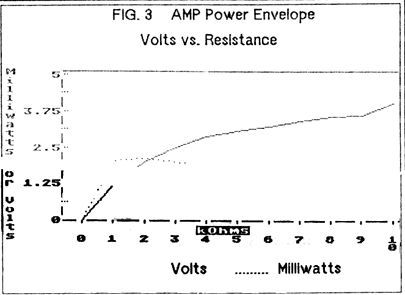
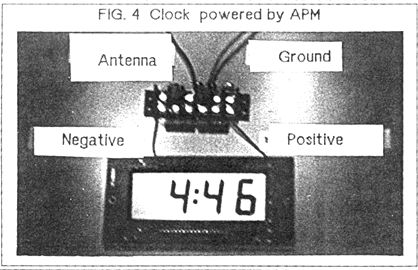
Power output up to several milliwatts; example: a 1.5 V digital clock draws 28 uA (~= 42 uW). Measured power curve shows rapid drop beyond loads < 2 kOmega.
Experimental Evidence
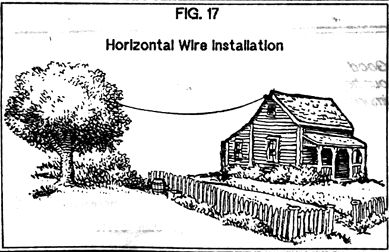
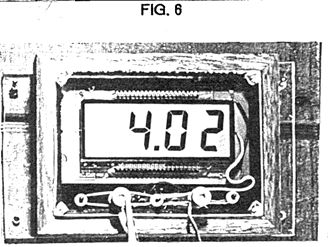
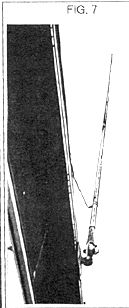
Power curve measured with loads 0-19 kOmega using a 100 ft horizontal antenna at ~25 ft height in Sausalito, CA; successful operation of a digital clock, LED, and Ni-Cd battery charger demonstrated.
Limitations
- Very low power output (milliwatts)
- Requires large, elevated antenna
- Performance highly dependent on local RF noise levels
- Not suitable for high-power loads such as incandescent lighting
Red Flags
- Claims of earthquake prediction are based on limited field data and lack independent verification.