Goal
Provide mechanical power without combustion by using electromagnetic attraction, aiming to reduce reliance on fossil fuels and eliminate pollution.
Problem
Energy crisis, dependence on coal and oil, and pollution from conventional internal-combustion engines.
Concept Summary
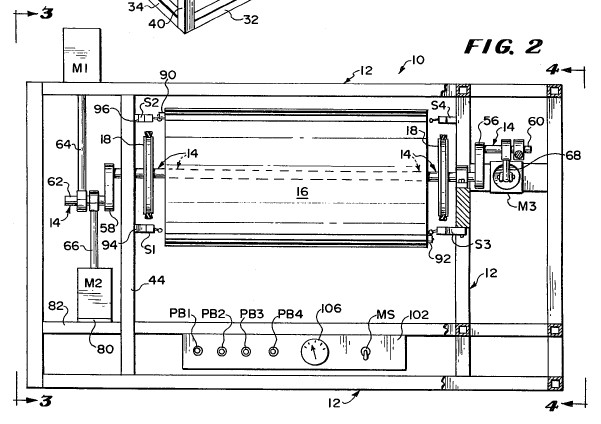
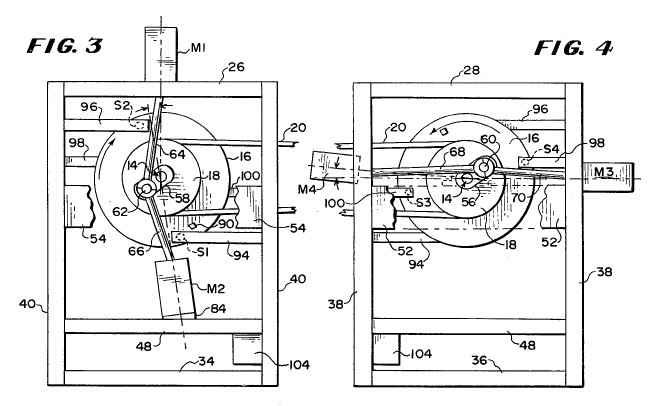
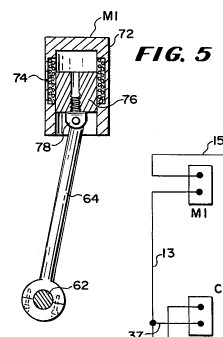
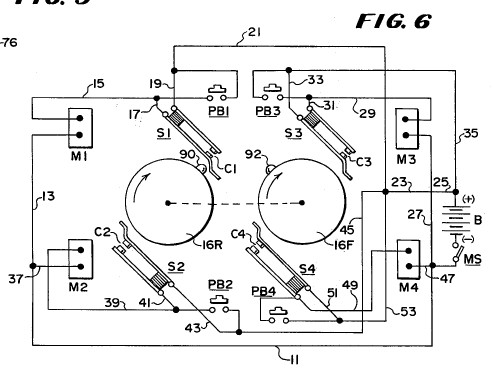
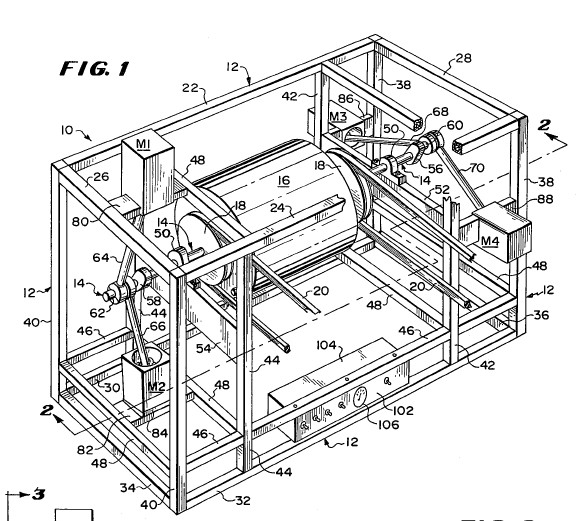
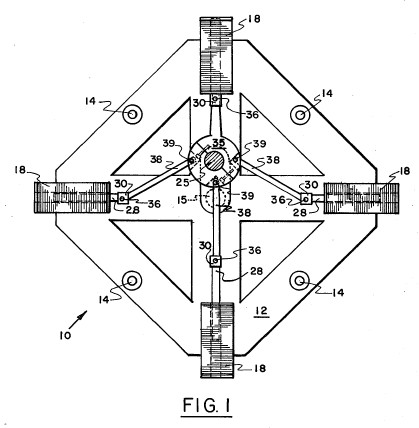
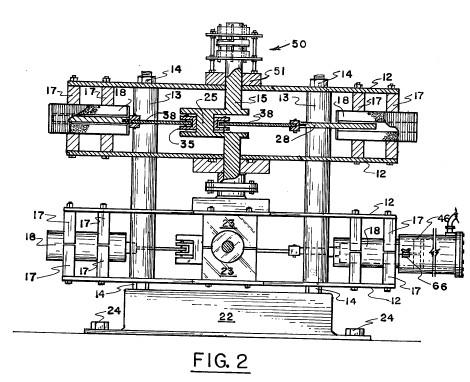
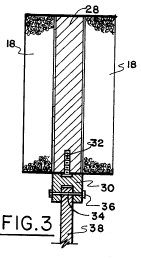
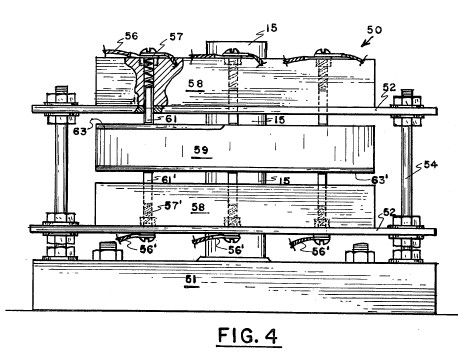
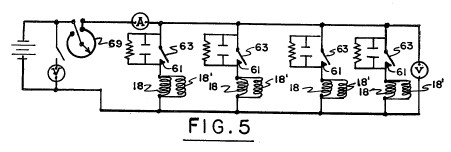
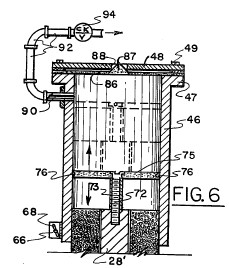
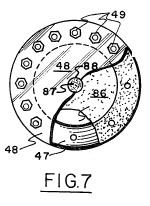
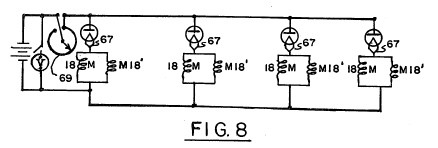
A magnetically operable engine that uses timed pulses of electrical current to electromagnets, causing armature cores to reciprocate and drive a crankshaft, producing rotary mechanical power from a simple car-battery source.
Principles
- Electromagnetic attraction between energized coils and movable armature cores
- Cam-driven microswitch timing to pulse current sequentially
- Conversion of linear reciprocating motion to rotary motion via offset cranks
Scientific Domains
Materials
- Stainless steel
- Copper wire (magnet windings)
- Iron/steel magnet cores
- Flywheel (metal)
- Plastic/wood (prototype chassis)
Mechanisms of Action
- Electromagnetic force moves armature cores within fixed coils
- Reciprocating cores push connecting rods attached to offset crank arms
- Cam-actuated switches close circuits at precise crank angles, delivering timed current pulses
Energy Sources
Applications
- Shop tools
- Water pumps
- Conveyors
- Home air-conditioning
- Automotive propulsion
Claimed Performance
One-horsepower engine; latest version can operate a 20-ton conveyor; can power a home central air conditioner for about $0.50 per day.
Experimental Evidence
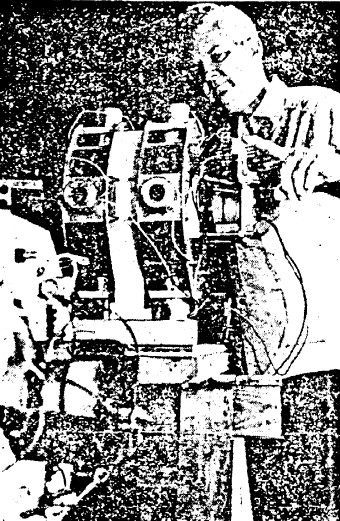
Inventor reports having built six engines; the latest operates a 20-ton conveyor using an uncharged car battery and draws only a very small current.
Replication Status
No independent replication documented; inventor states that other scientists have confirmed the operation, but no published data are provided.
Limitations
- Reliance on a single car battery with no charging reported
- No peer-reviewed performance data or independent testing
- Scalability and efficiency not demonstrated
Red Flags
- Claims of operation from an uncharged battery
- Absence of quantitative performance measurements
- References to "free energy" style language without peer-reviewed validation