Goal
Increase crop yields, reduce soil erosion and water runoff, and improve water infiltration in soils.
Problem
Soil erosion, surface ponding, low water infiltration, desertification, and high input costs for farmers.
Concept Summary
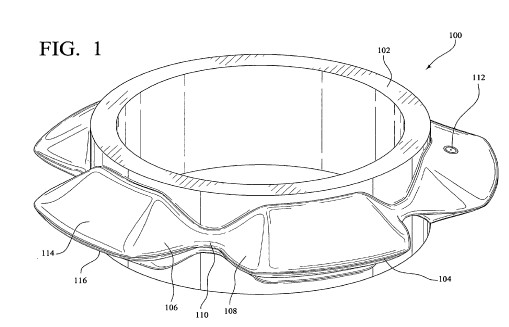
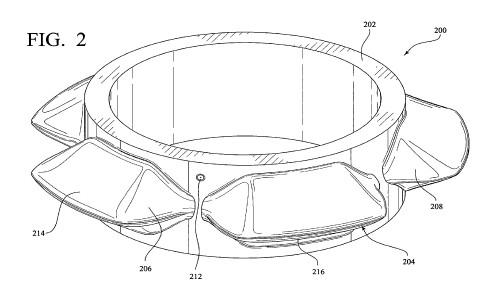
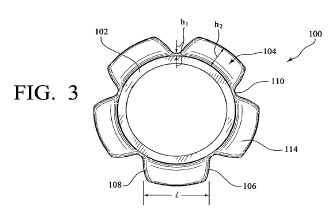
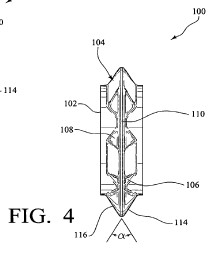
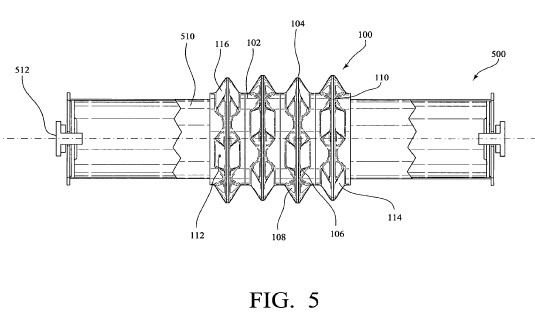
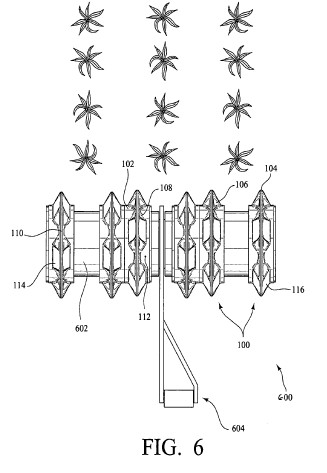
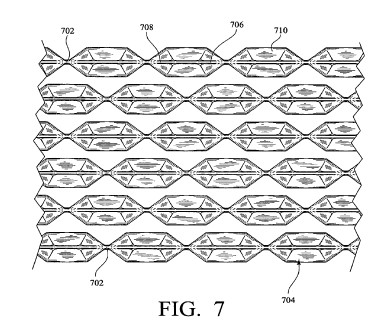
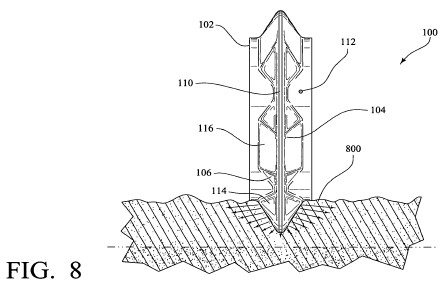
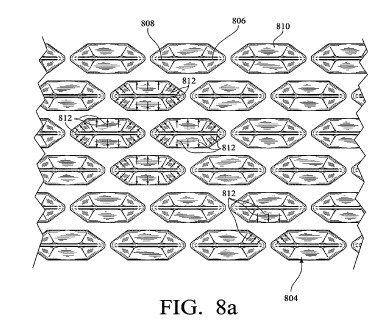
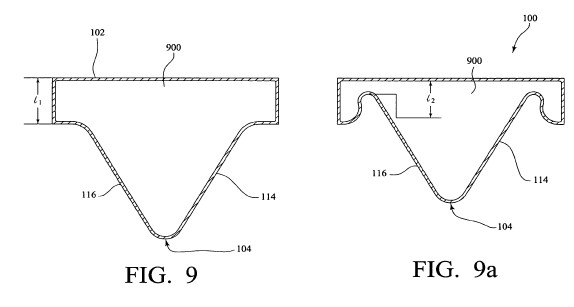
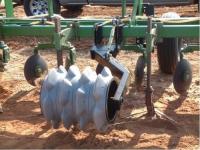
TerraStar is an inflatable, molded-plastic wheel that creates a network of shallow reservoirs (weirs) in the soil through lateral consolidation rather than compaction. The curved, angled ridges increase surface area, hold water where it falls, and allow deeper penetration, thereby reducing bulk density, increasing pore-space, and enhancing plant growth.
Detailed Description
The wheel is molded from plastic and inflated on the field. Its peripheral ridge members form curved, prow-shaped surfaces that shape the soil into geometrically ordered roughness. This structure stores rainfall and irrigation water, reduces runoff, and raises soil temperature. The device can be attached to existing farm equipment (TerraSystem) or to a human-powered tractor (TerraSaver). Independent field tests in Mexico over five years showed a 20 % reduction in bulk density, a 30 % increase in surface area, and up to a 42 % yield increase for tomatoes. The technology is patented (US7478684) and marketed at about $90 per wheel.
Principles
- Lateral consolidation (non-compaction) of soil
- Creation of shallow water-holding reservoirs (weirs)
- Increase of soil surface area via curved ridges
- Enhanced water infiltration and pore-space
Scientific Domains
Materials
- Molded plastic (wheel body)
- Inflatable inner chamber
Mechanisms of Action
- Forms weir structures that retain water
- Reduces bulk density, increasing water-fill-pore-space
- Increases soil temperature through larger surface area
Applications
- Agriculture
- Bio-fuel crop production
- Land reclamation
- Road construction
Claimed Performance
Yield increases up to 42 % (tomatoes) and 12 % (corn); water and fertilizer reduction 10-30 %; bulk density reduced ~20 %; surface area increased ~30 %; water-fill-pore-space increased ~20 %; horsepower requirement reduced to ~80 % of a traditional subsoiler.
Experimental Evidence
Independent testing results revealed increased yields, reduced erosion, and lower input costs; five-year field trial in Mexico showed the plot behaved like an oasis during drought; Cleantech article cites 10-30 % reduction in water/fertilizer use.
Replication Status
Independent testing results revealed benefits; field trial in Mexico reported performance over five years.
Limitations
- Technology still in concept/early prototype stage
- Long-term durability of inflatable plastic wheel not proven
- Scale-up and manufacturing cost uncertain
Red Flags
- Performance claims (e.g., 42 % yield increase) are not supported by peer-reviewed data
- Reliance on anecdotal field reports rather than independent, replicated studies