Goal
Generate high-power electricity (potentially free energy) from a low-speed rotating electrostatic machine.
Problem
Need for efficient, low-cost electrical power generation and the pursuit of over-unity (free-energy) sources.
Concept Summary
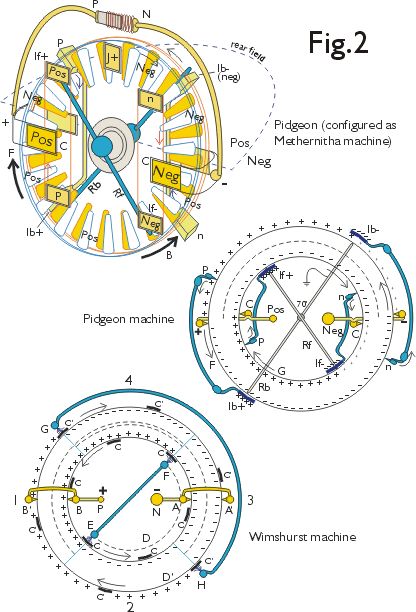
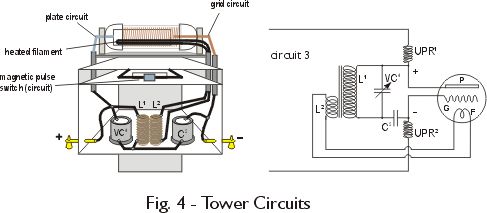
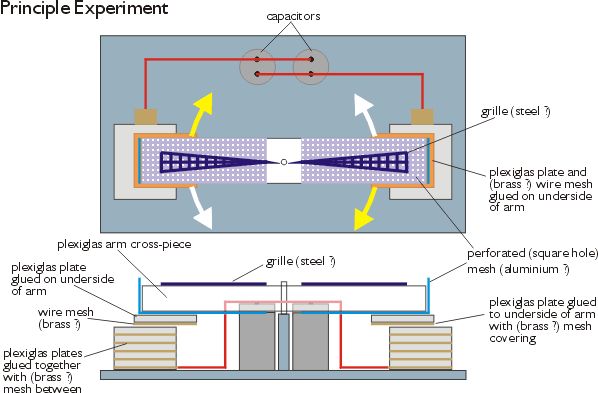
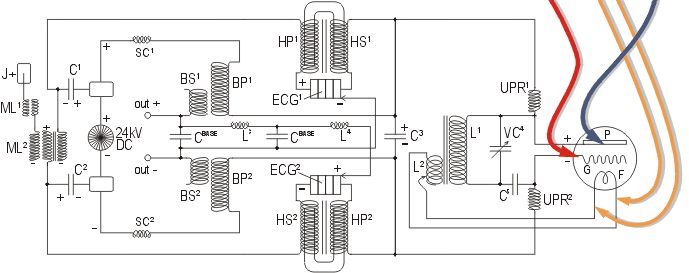
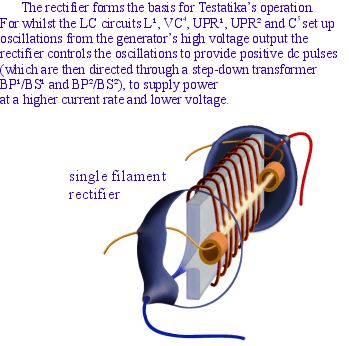
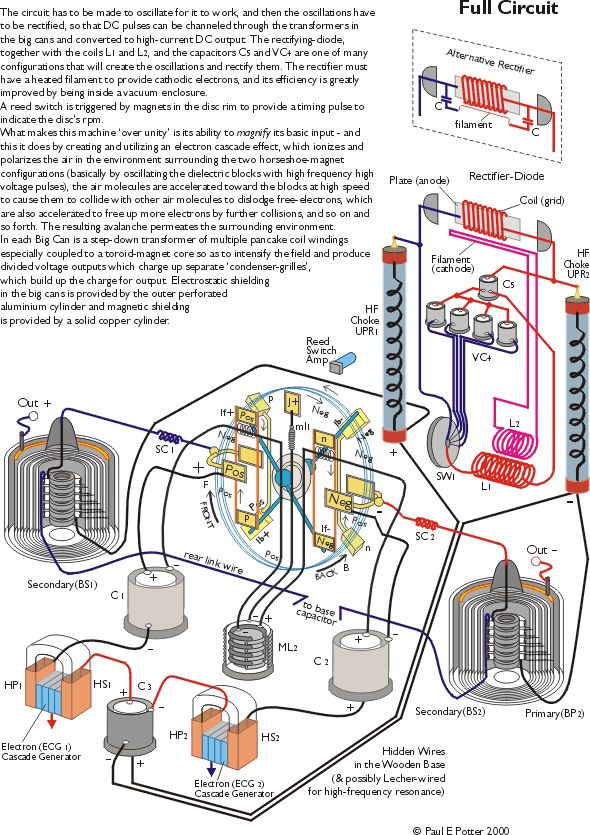
The Testatika machine is a rotating electrostatic generator that uses perforated steel grilles on two counter-rotating discs to create variable-capacitance charge separation. The harvested charge is fed into an auxiliary electromagnetic circuit containing inductors, capacitors, and a thermionic rectifier, producing high-voltage DC pulses. The system claims to produce far more electrical output than the mechanical input, suggesting a free-energy effect.
Principles
- Variable-capacitance electrostatic charge separation
- Electron cascade amplification
- Oscillating electromagnetic circuit with rectification
- Inductive coupling and resonant frequency tuning
- Capacitive coupling across air gaps
Scientific Domains
Materials
- steel
- aluminium
- brass
- copper
- plexiglass (acrylic)
- glass
- wire mesh
- vacuum tube components
Mechanisms of Action
- Rotating perforated discs induce charge on collecting pads via miniature eddy-currents
- Charge is accumulated in parallel capacitors
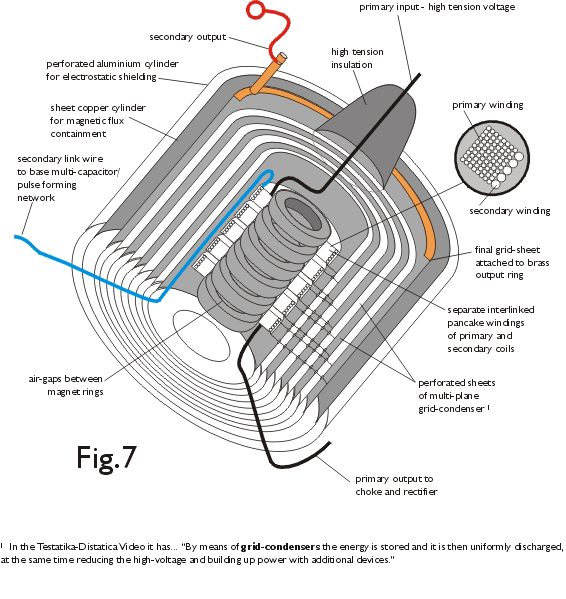
- Oscillating LC circuit driven by inductors and a thermionic rectifier converts static charge to pulsed DC
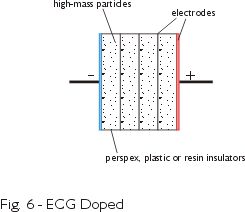
- Electron cascade within magnetic blocks allegedly amplifies the output
Energy Sources
Applications
- Free-energy generation
- High-power lighting
- Heating
- Experimental high-voltage research
Claimed Performance
A 1000-W lamp stayed at full brightness for ~10 s; a heating element became hot within 1 s; 60 V DC measured after a short rotation; 700 V DC reported from a resonant block; overall claim of over-unity/free-energy operation.
Experimental Evidence
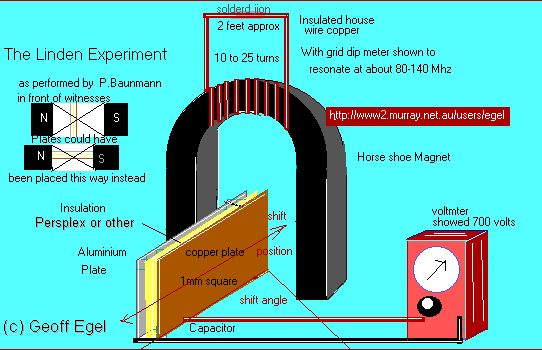
Witnessed 1000-W lamp operation, rapid heating of element, appearance of a 1-cm arc, measured 60 V DC after rotating the arm ten times, and a 700 V DC reading from a resonant block.
Replication Status
No independent replication reported; only internal demonstrations by Methernitha technicians and visitors.
Limitations
- Very low rotational speed (15-60 rpm) limits voltage
- Mechanism not scientifically validated
- No peer-reviewed data or independent replication
- Potential safety hazards from high voltage
Red Flags
- Extraordinary free-energy claims without peer-reviewed evidence
- Reliance on anecdotal eyewitness reports
- Lack of quantitative, reproducible data
- Potential for scam or pseudoscience