Goal
Increase generator efficiency by reducing the counter-torque (back torque) generated by induced currents.
Problem
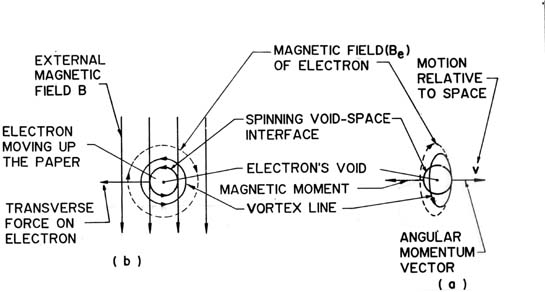
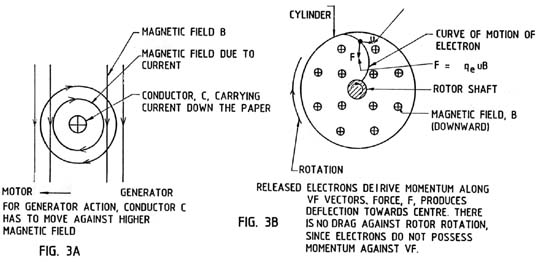
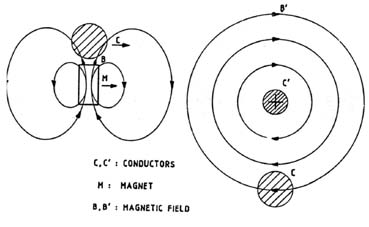
Standard generators suffer efficiency loss due to back torque produced by the interaction of induced current magnetic fields with the external magnetic field.
Concept Summary
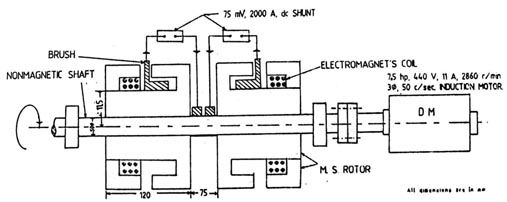
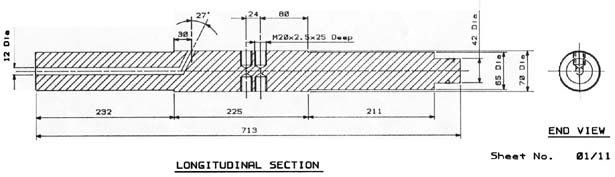
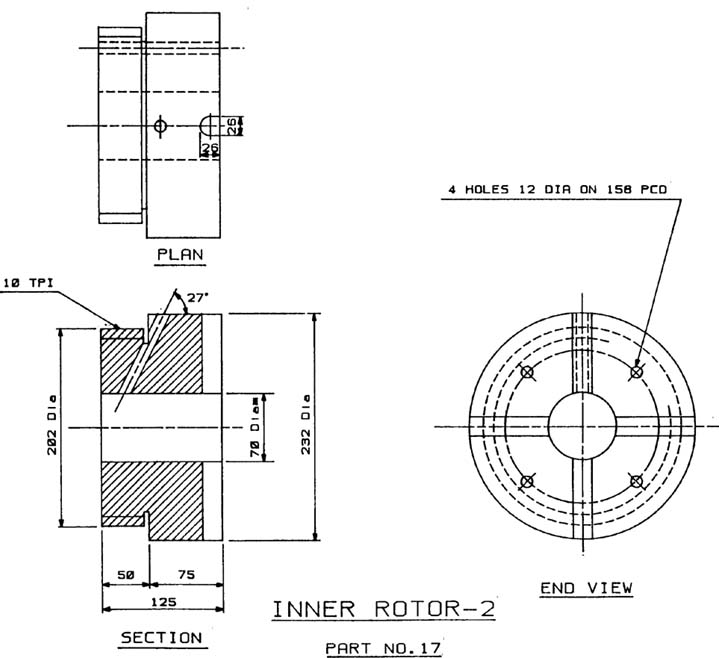
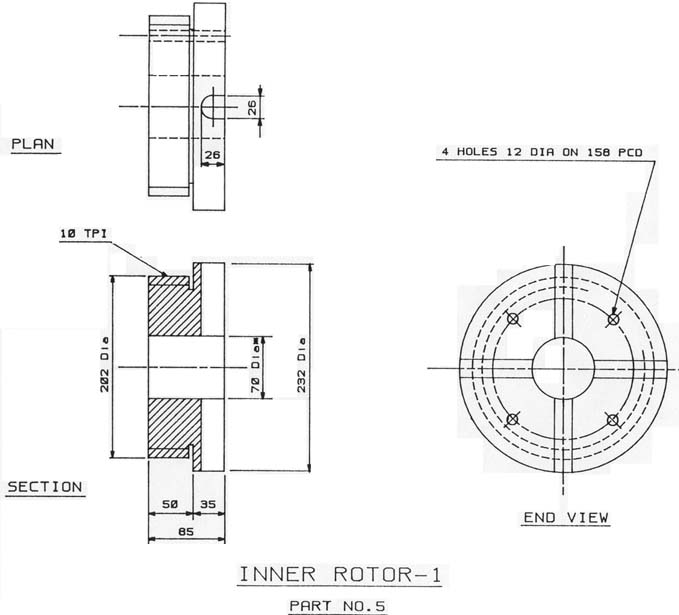
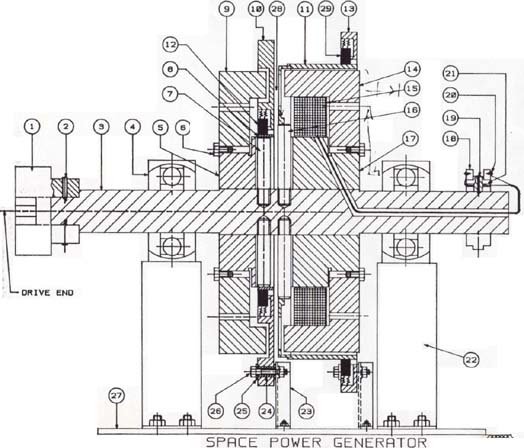
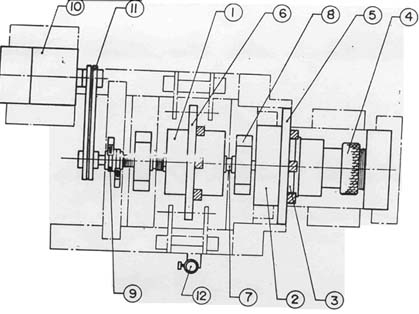
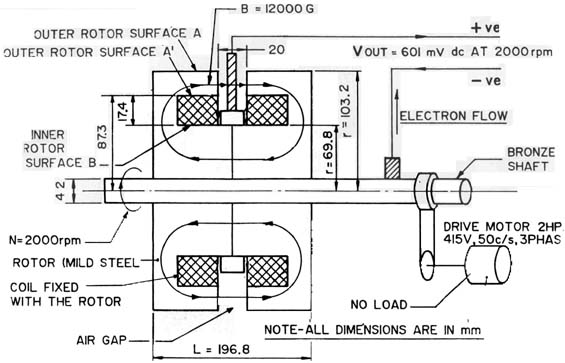
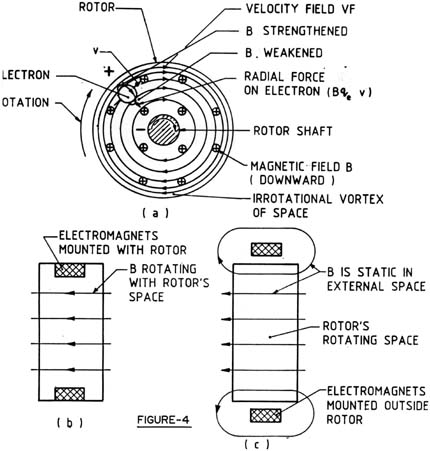
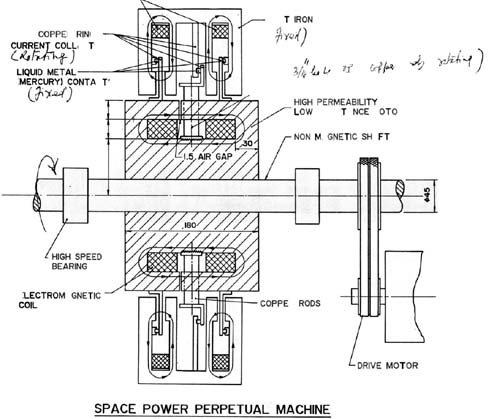
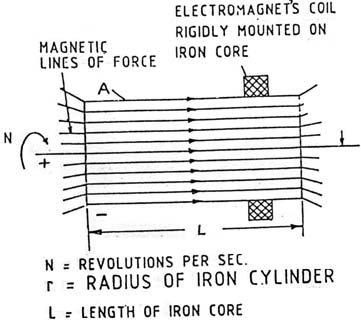
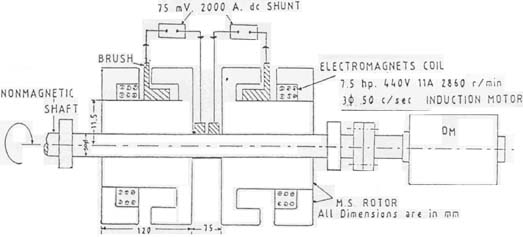
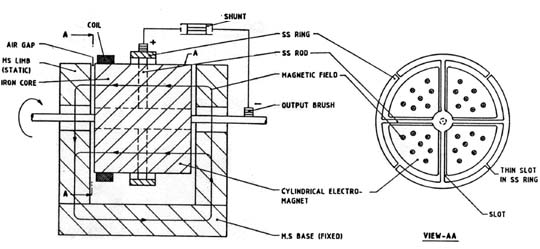
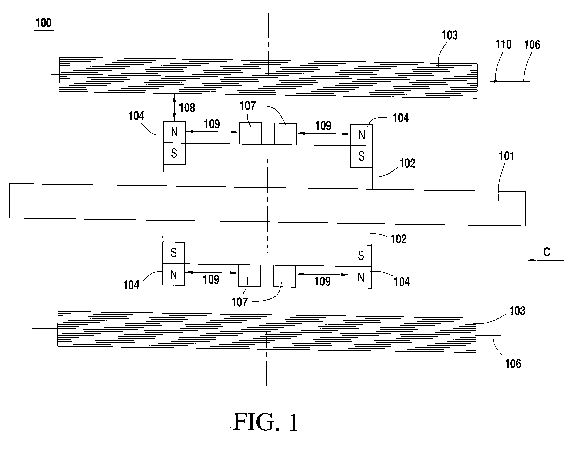
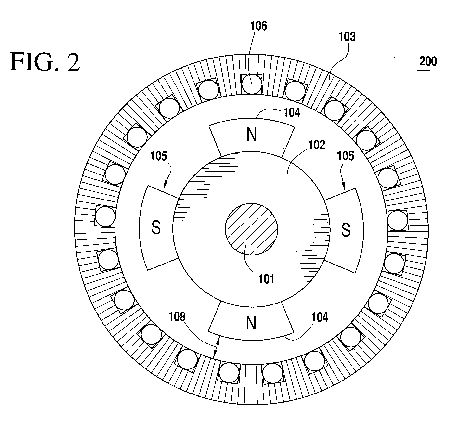
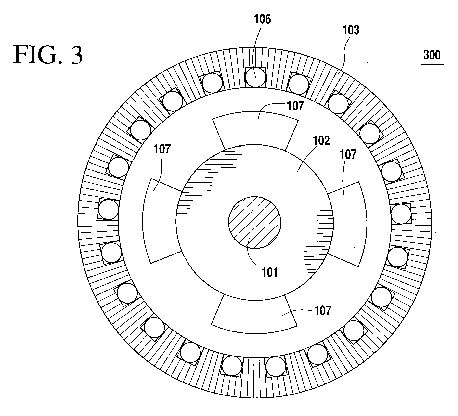
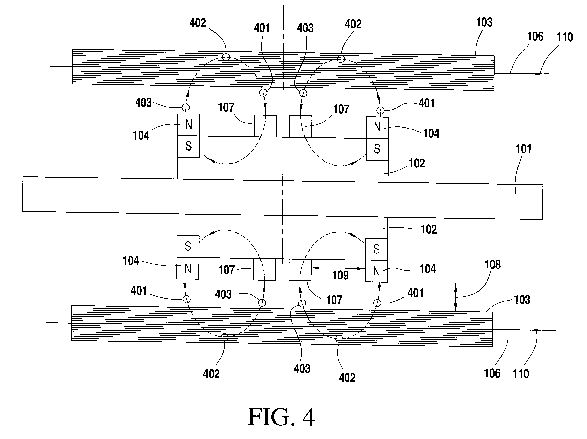
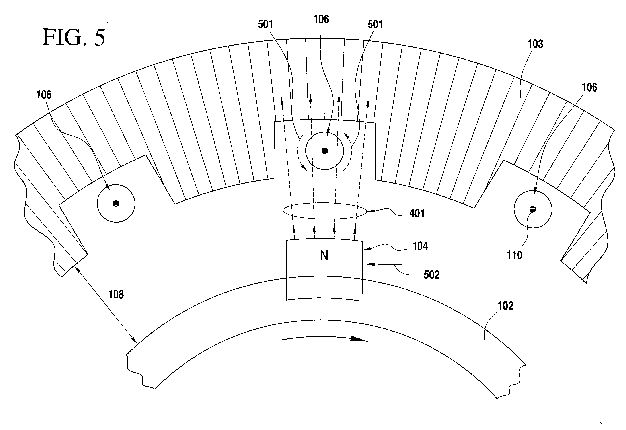
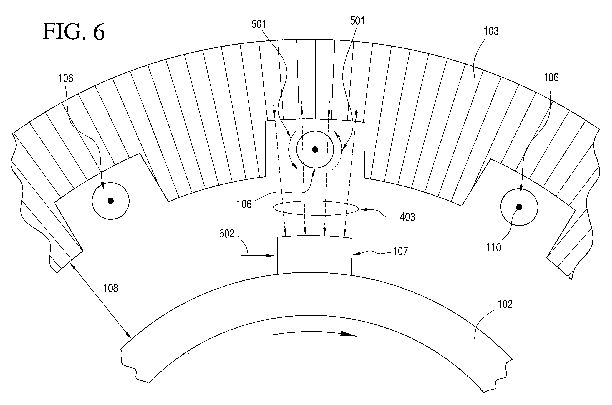
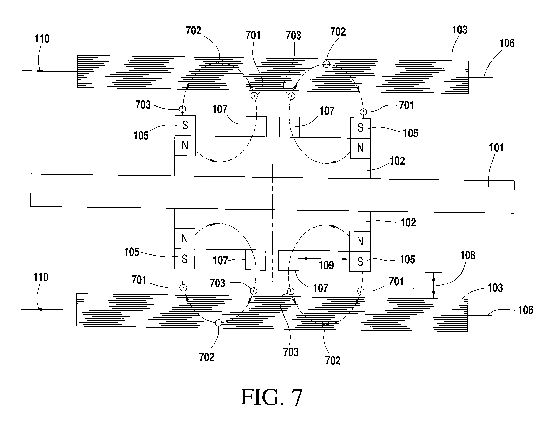
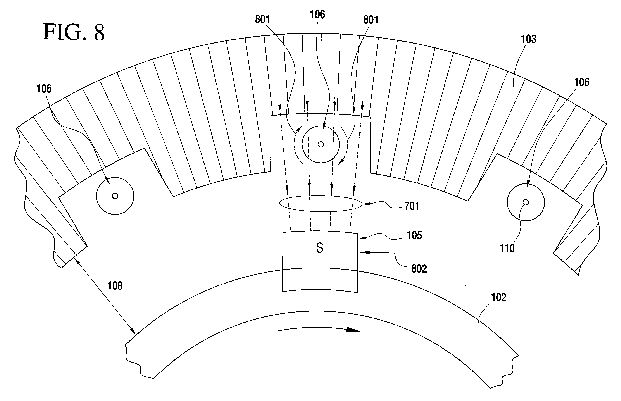
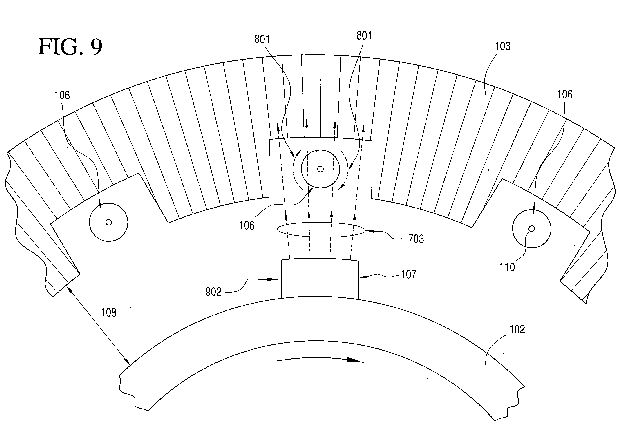
A rotating AC generator with a hollow stator core, a cylindrical rotor, two sets of magnets (north-facing and south-facing) mounted on the rotor, and silicon-steel pieces positioned adjacent to each magnet. The stator contains longitudinally laminated high-permeability steel sheets with slots for a conductor winding. The arrangement is intended to reduce the reaction (back torque) on the rotor, improving overall efficiency.
Principles
- Electromagnetic induction
- Lenz's law
- Fleming's right-hand rule
- Fleming's left-hand rule
- Back-torque reduction via opposing magnetic flux
- High magnetic permeability materials
Scientific Domains
Materials
- Silicon steel
- Neodymium (NdFeB) magnets
- PVC (for stator support)
- 1018 carbon steel
- Grain-oriented electrical steel
Mechanisms of Action
- Opposing magnetic fields from two magnet sets reduce net reaction torque
- Silicon-steel pieces shape magnetic flux and lower hysteresis losses
- High-permeability rotor and stator materials enhance flux linkage
Energy Sources
Applications
- Electric power generation
- Renewable energy conversion
- Industrial generators
Claimed Performance
Improved efficiency characteristics not currently available in standard alternating current generators.
Limitations
- Requires precise magnetic alignment and spacing
- Dependence on high-quality silicon steel and neodymium magnets
- No quantified experimental data provided
Red Flags
- Lack of experimental validation or performance data
- Claims of efficiency improvement without quantified results