Goal
Purify drinking water and inactivate microorganisms using plasma-generated reactive species.
Problem
Contaminated drinking water containing toxins, parasites, and pathogenic microorganisms.
Concept Summary
Water is vaporized and then subjected to a high-voltage electrical discharge that creates a plasma. The plasma generates reactive radicals (e.g., OH*) and UV light that oxidize and destroy organic contaminants and inactivate microbes, achieving rapid purification with lower energy than conventional thermal methods.
Detailed Description
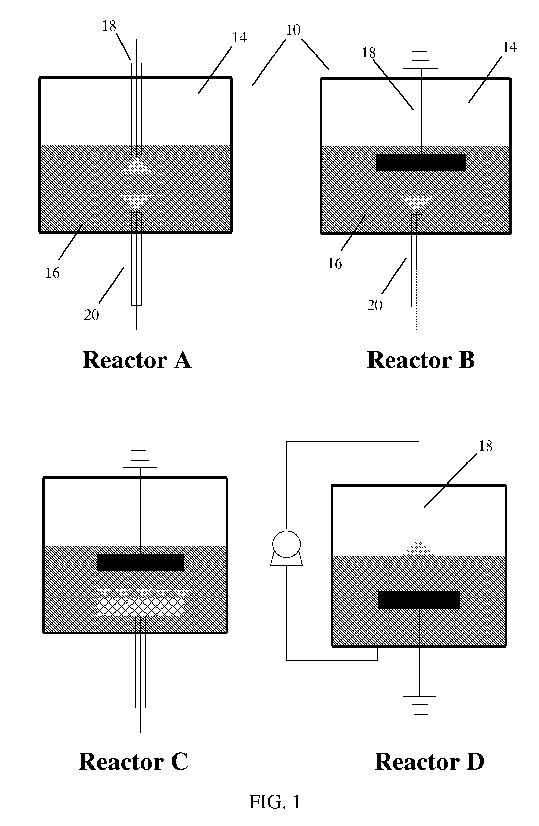
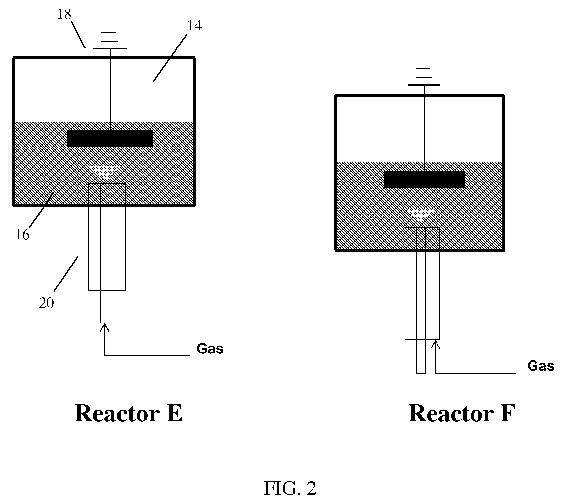
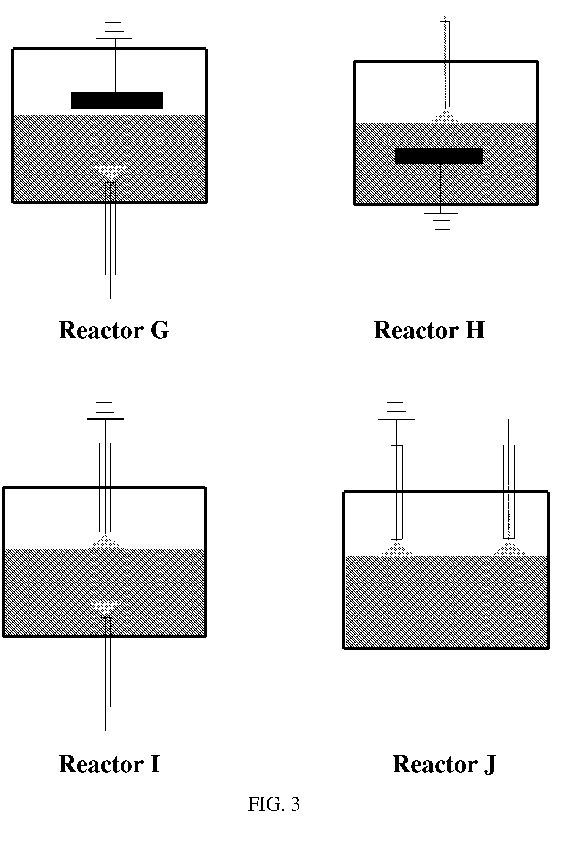
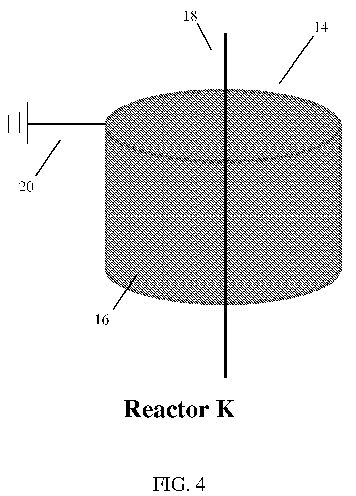
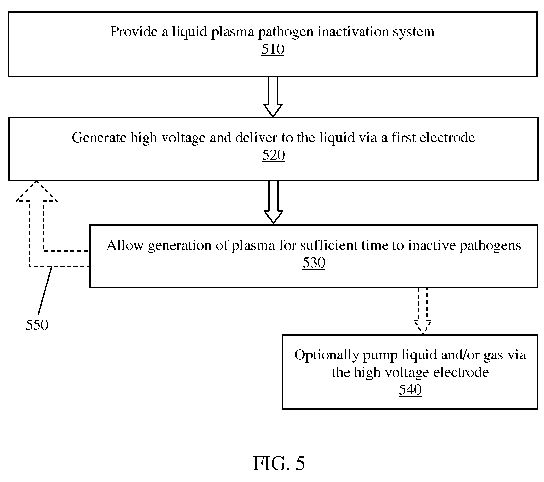
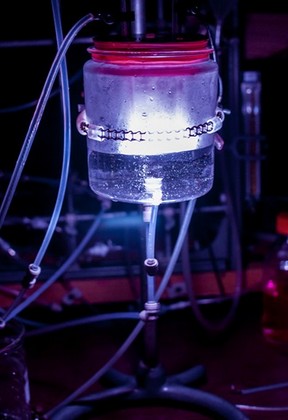
The system consists of a reactor chamber holding water, a high-voltage silver discharge electrode, a non-discharge electrode, and a pulsed power supply (10-100 kV). When the discharge is triggered, a plasma channel forms in the liquid, producing hydroxyl radicals, hydrogen peroxide, UV radiation, shockwaves, and thermal effects that oxidize contaminants and damage microbial cells. The process can operate at frequencies >100 Hz, at temperatures from refrigeration to room temperature, and reportedly consumes two orders of magnitude less energy than pasteurization.
Principles
- High-voltage electrical discharge
- Plasma generation in liquid
- Radical chemistry (OH*, H_2O_2)
- Oxidation of organic compounds
- UV emission and shockwave effects
Scientific Domains
Materials
- Silver
- Stainless steel
- Carbon
- Water
Mechanisms of Action
- Generation of hydroxyl radicals
- Oxidation of contaminants
- UV-induced microbial damage
- Shockwave disruption of cells
- Thermal degradation of organics
Energy Sources
Applications
- Drinking water purification
- Food safety and preservation
- Medical liquid sterilization
Claimed Performance
Purifies several gallons of water within minutes; uses two orders of magnitude less energy than traditional pasteurization; effective microbial inactivation at discharge frequencies >100 Hz.
Experimental Evidence
Laboratory studies measured hydroxyl radical intensity, hydrogen peroxide formation, and optical emission spectroscopy, showing that contaminants diffuse into the plasma channel and are oxidized. Bacterial inactivation was demonstrated for E. coli, S. aureus, and other pathogens using pulsed discharges of 10-100 kV.
Limitations
- Requires high-voltage equipment
- Scalability to municipal-scale water volumes not yet demonstrated
- Potential electrode wear and degradation
- Energy consumption, while lower than pasteurization, still significant for large-scale use