Goal
Reduce fuel consumption and vibration by providing a smooth, durable, and efficient constant-velocity universal joint.
Problem
Traditional Cardan joints cause sinusoidal speed fluctuations, vibration, wear, and friction, especially under axial and radial loads.
Concept Summary
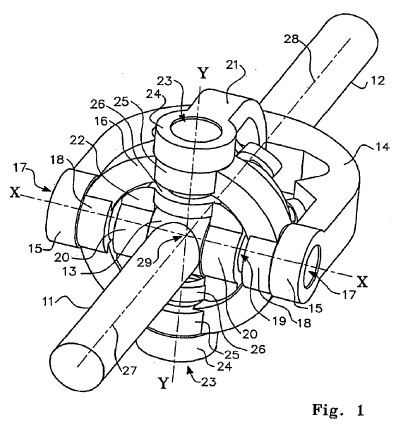
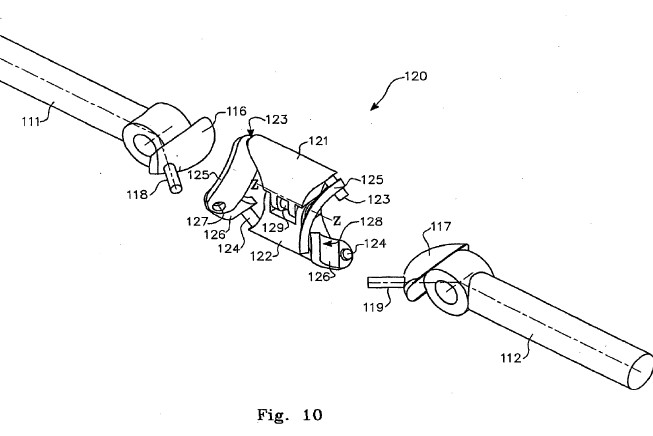
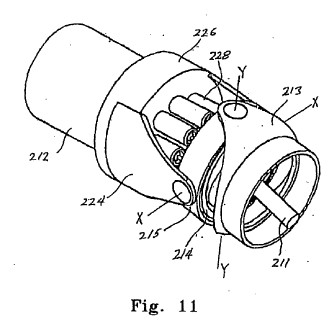
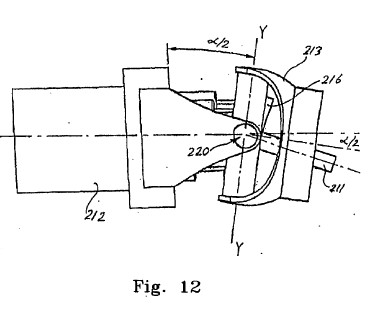
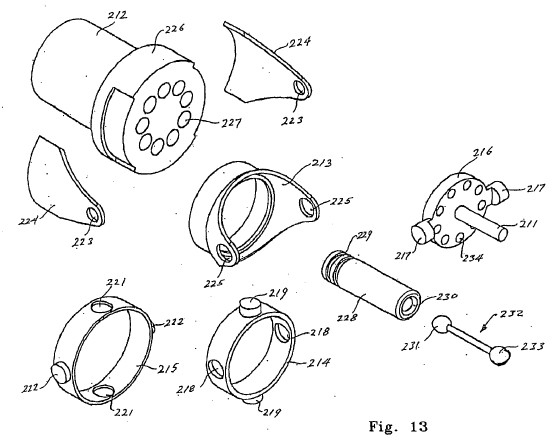
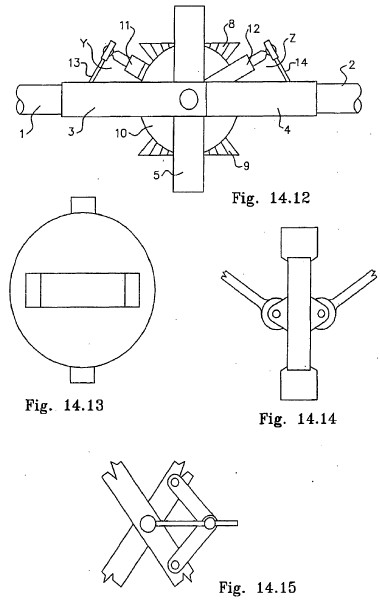
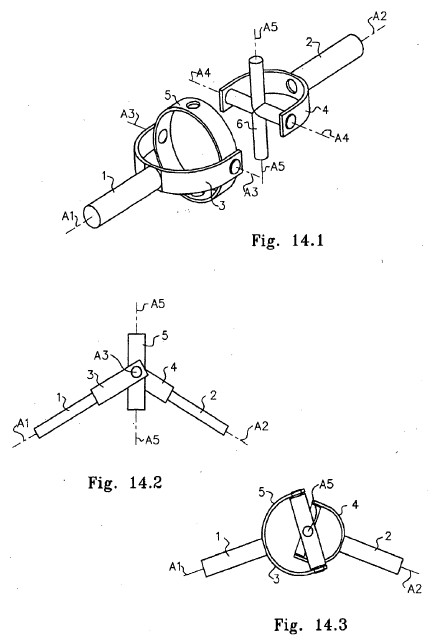
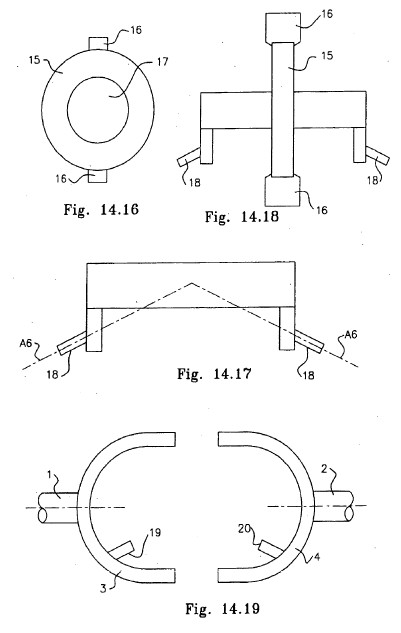
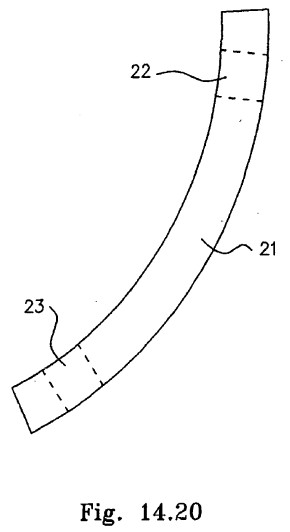
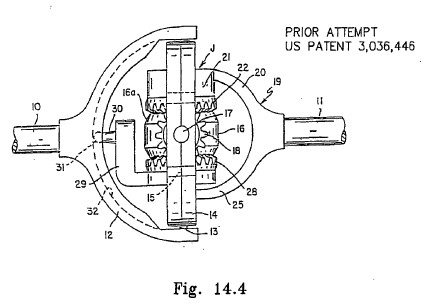
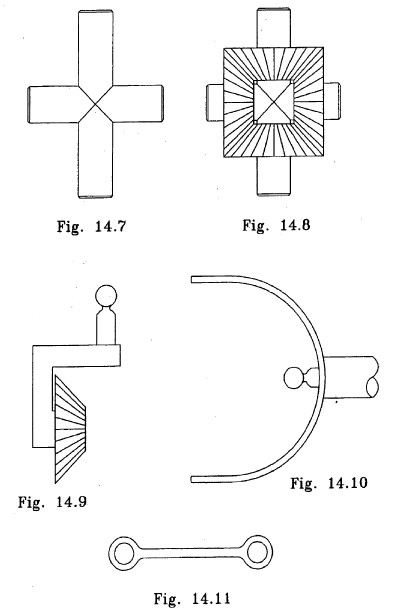
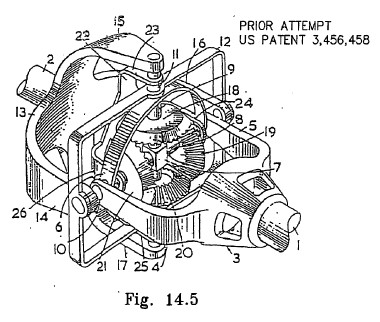
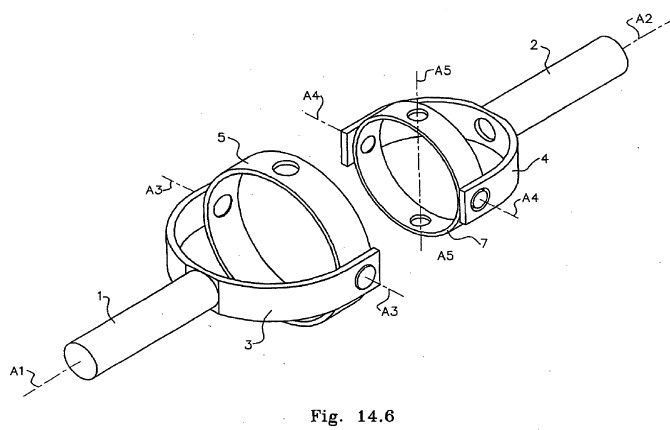
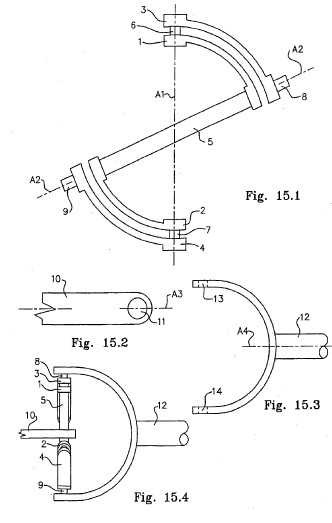
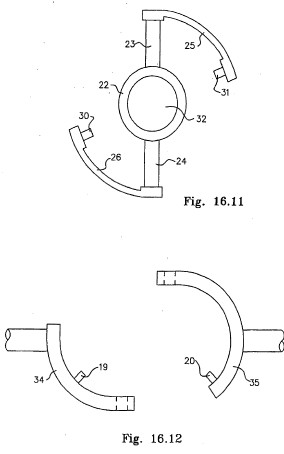
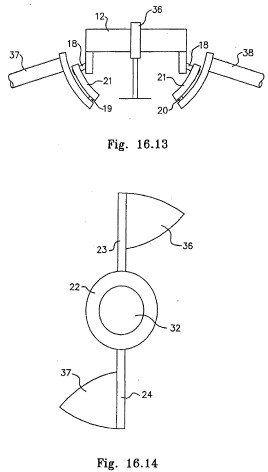
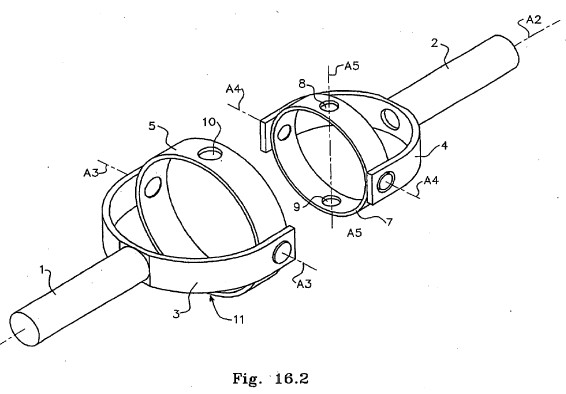
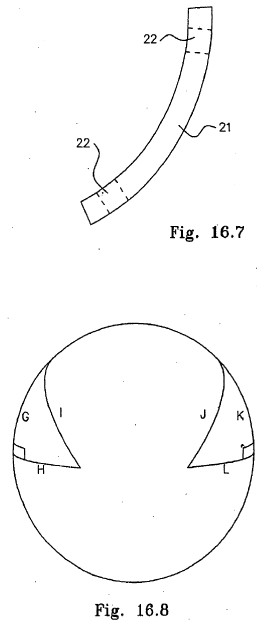
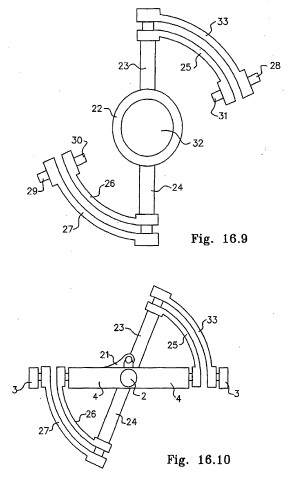
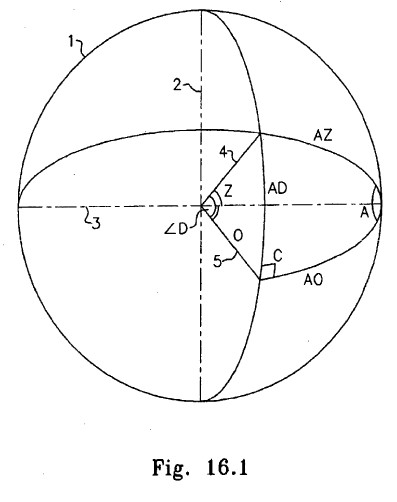
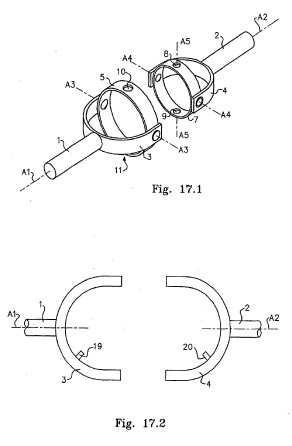
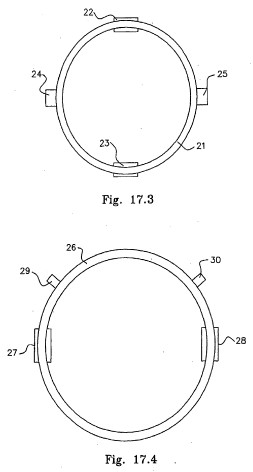
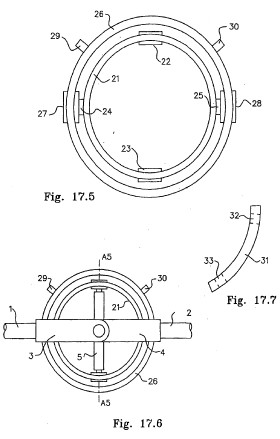
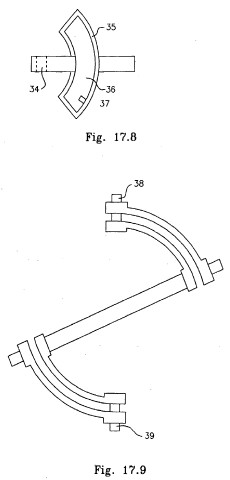
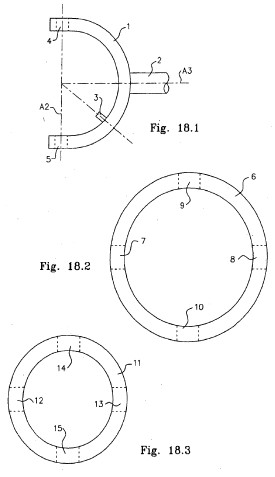
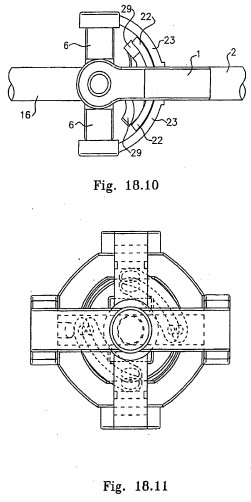
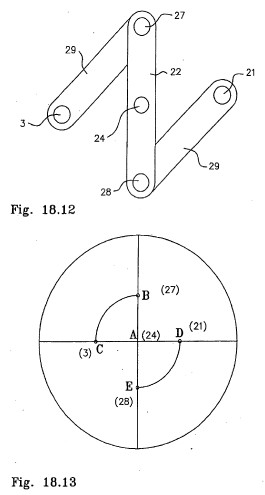
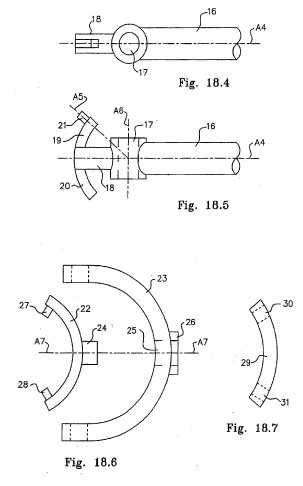
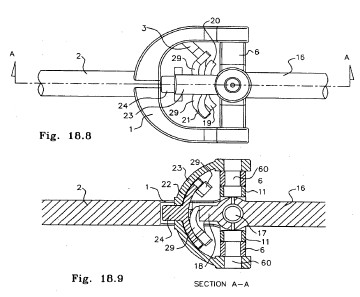
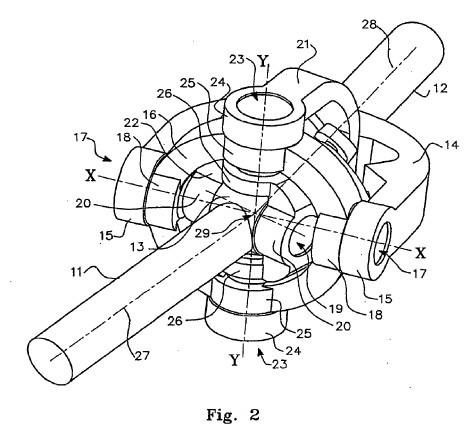
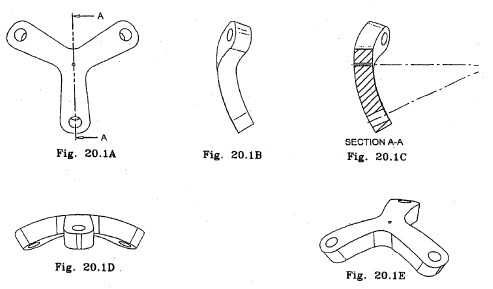
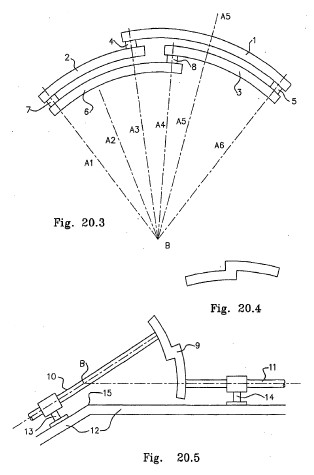
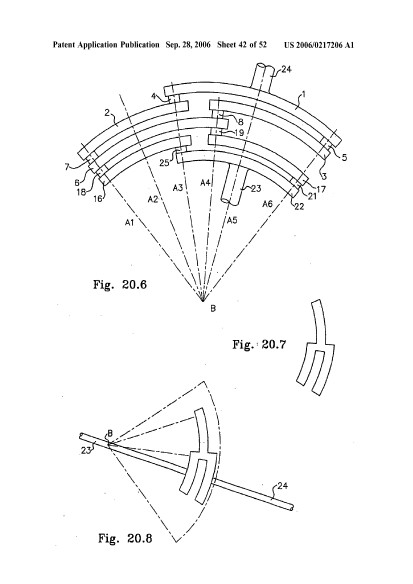
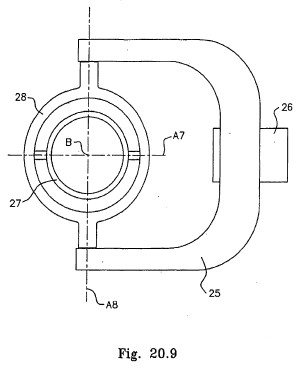
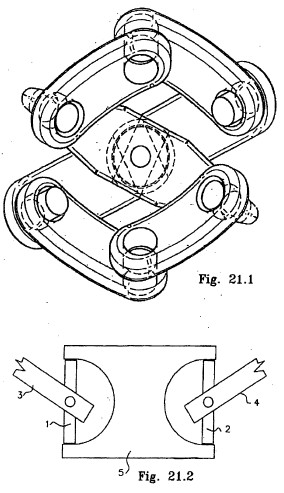
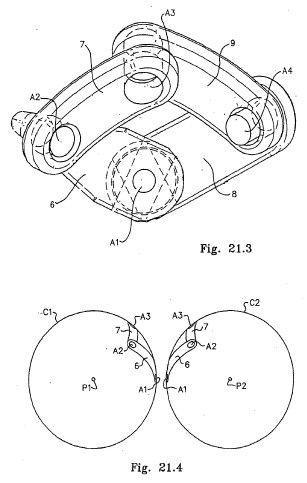
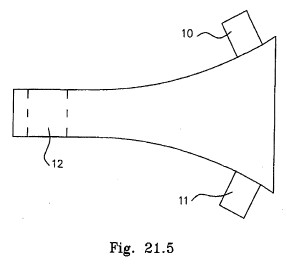
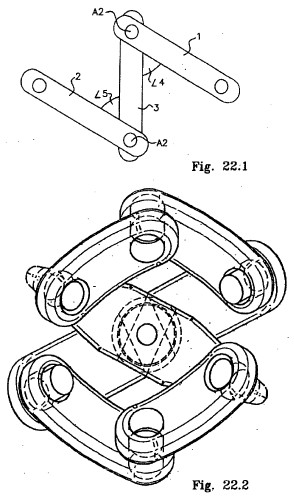
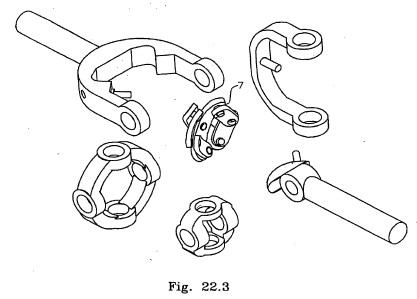
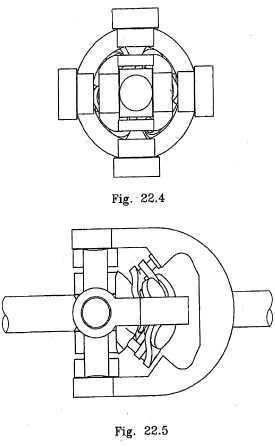
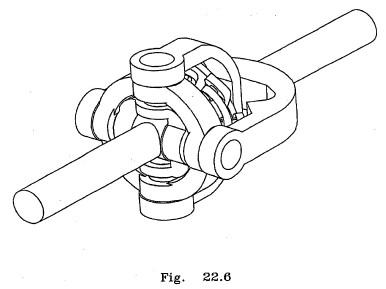
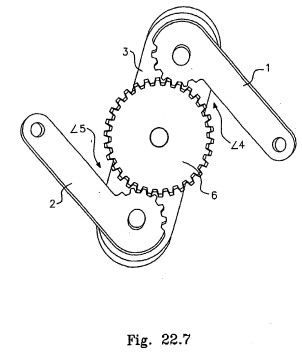
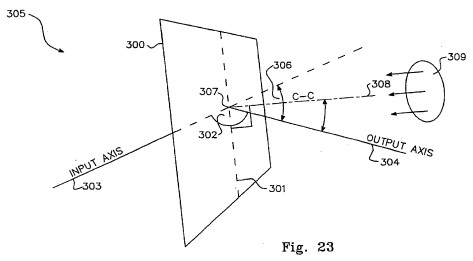
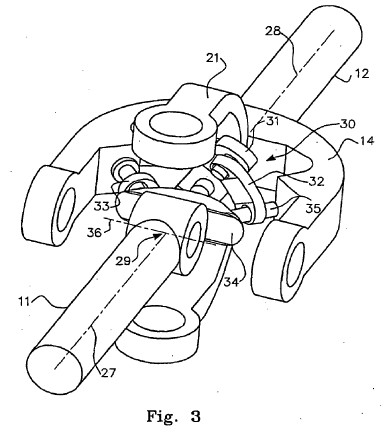
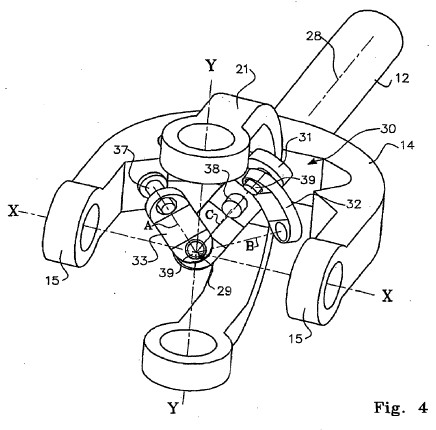
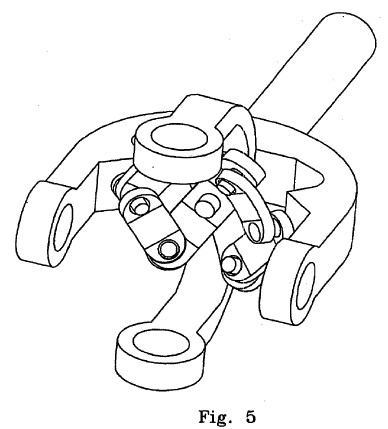
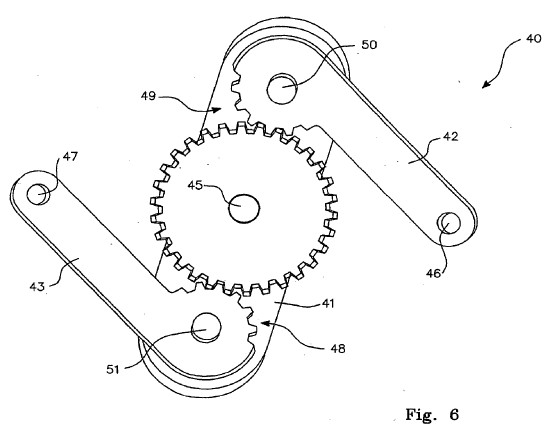
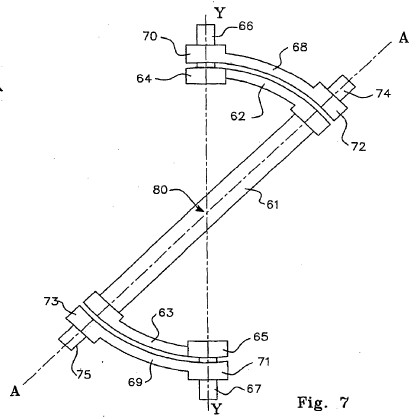
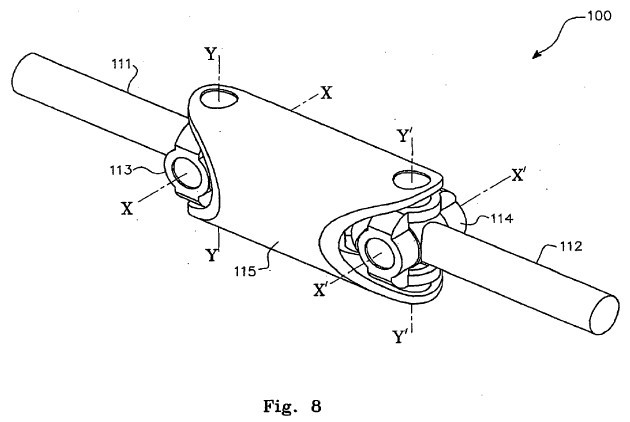
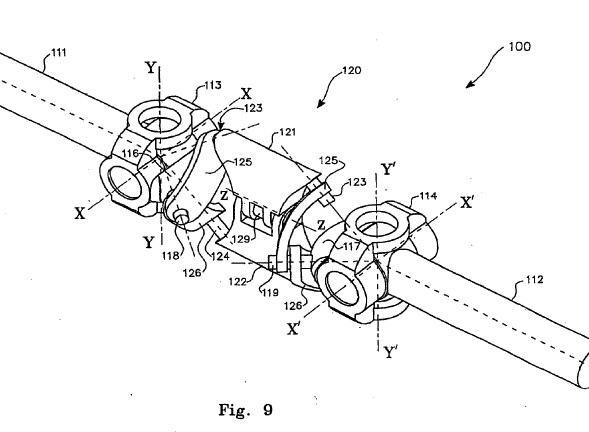
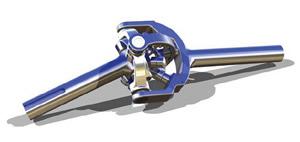
The Thompson Coupling is a constant-velocity universal joint formed by two coaxial Cardan joints whose cruciform members are linked by a spherical four-bar (draglink) mechanism. All loads are carried by roller bearings; there are no sliding surfaces. The draglink constrains the trunnions to lie on the homokinetic plane, delivering true constant angular velocity, axial/radial load capacity, and unlimited torque capability without special lubrication or dust boots.
Principles
- Constant-velocity transmission
- Homokinetic plane constraint
- Spherical four-bar linkage
- Roller bearing load carriage
- Gimbal mechanism
Scientific Domains
Materials
- Steel
- Cast iron
- Bearing steel
Mechanisms of Action
- Roller bearings carry radial, axial, and torque loads
- Spherical draglink forces trunnions onto the homokinetic plane
- Gimbal arrangement maintains equal instantaneous angular velocities
Applications
- automotive drivetrains
- marine propeller shafts
- agricultural machinery
- aviation gearboxes
- trucking
Claimed Performance
Smooth, powerful, durable and efficient operation with no torque limitation, reduced bulk, and lower fuel consumption due to higher efficiency.
Experimental Evidence
Testing carried out at the Thompson Couplings test factory in Orange has confirmed the product has many advantages over existing commercial CV couplings and universal joints.
Replication Status
Testing performed at company test factory; no independent replication reported.
Limitations
- Requires precision bearing manufacturing
- Potentially heavier than some conventional CV joints
- No quantified fuel-saving data
Red Flags
- Fuel-saving claims are not quantified
- No independent verification of performance