Goal
Generate linear thrust without expelling reaction mass using rotating eccentric masses.
Problem
Need for propulsion systems that do not rely on fuel consumption or reaction-mass ejection.
Concept Summary
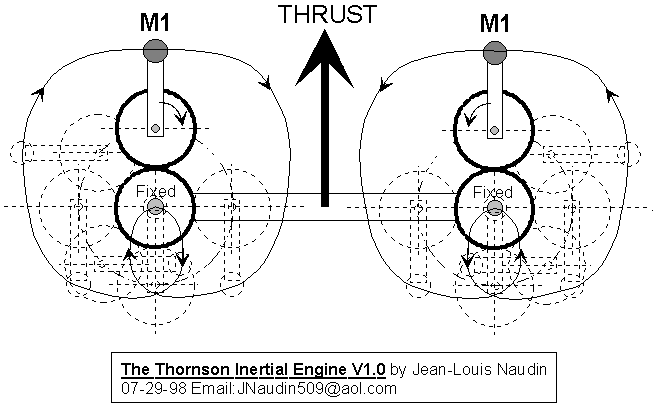
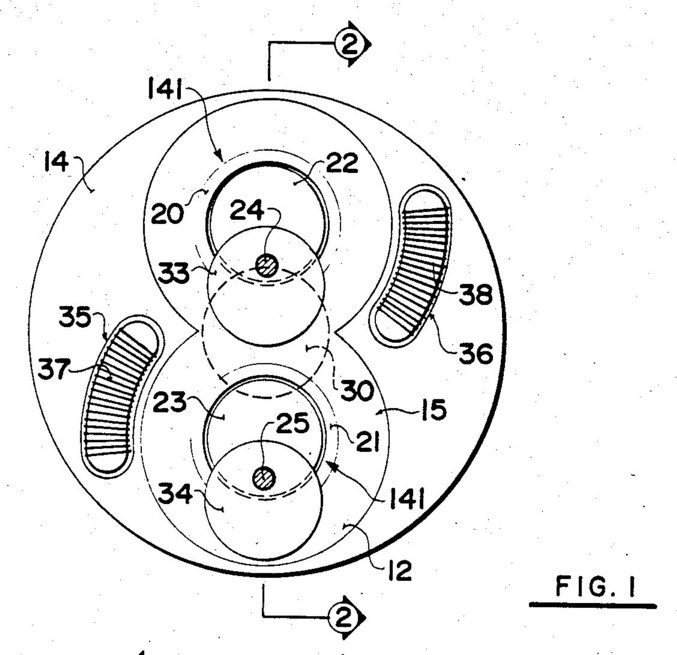
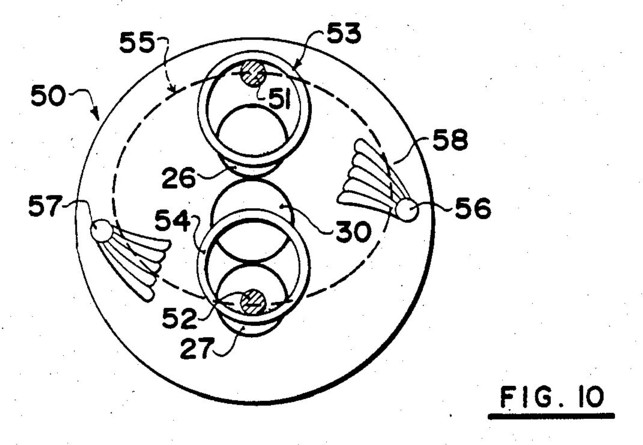
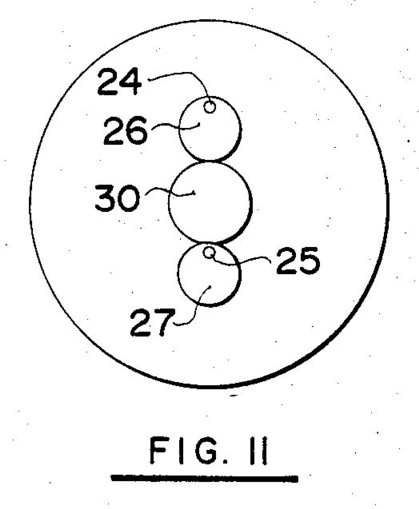
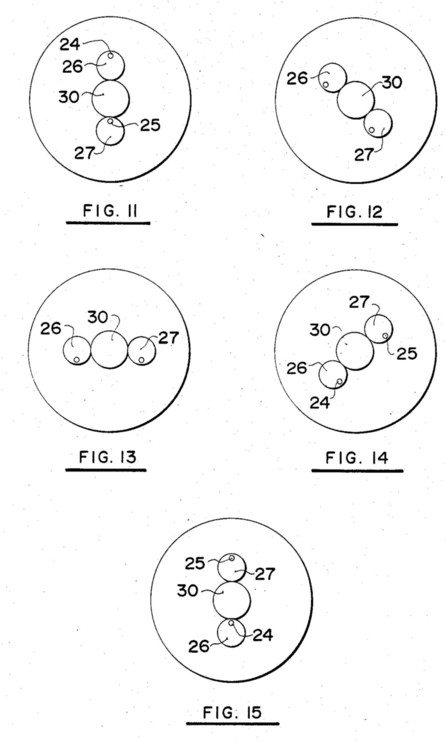
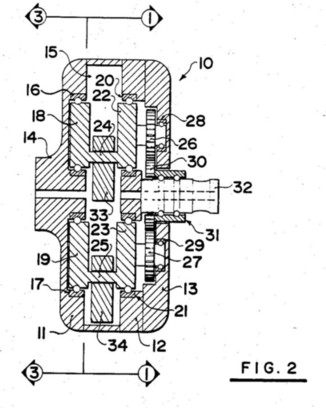
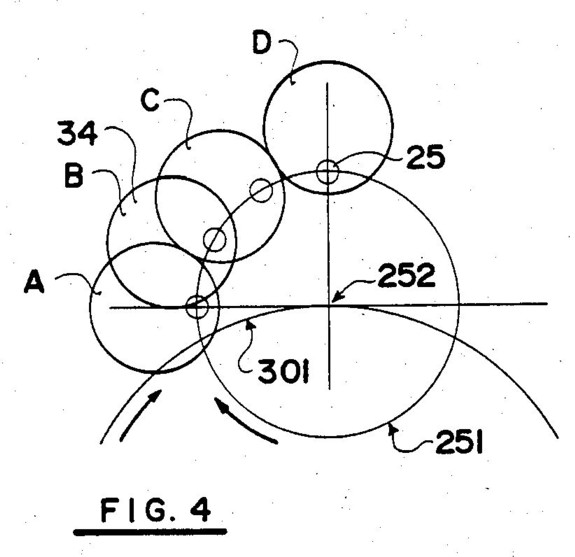
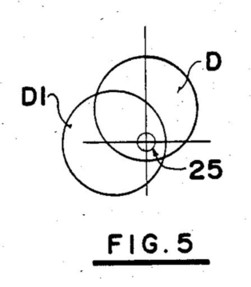
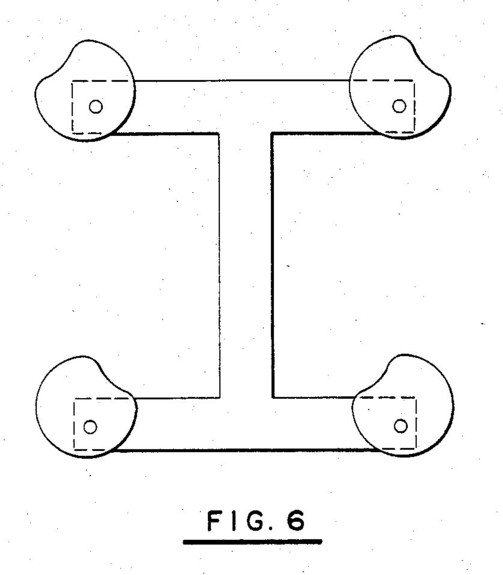
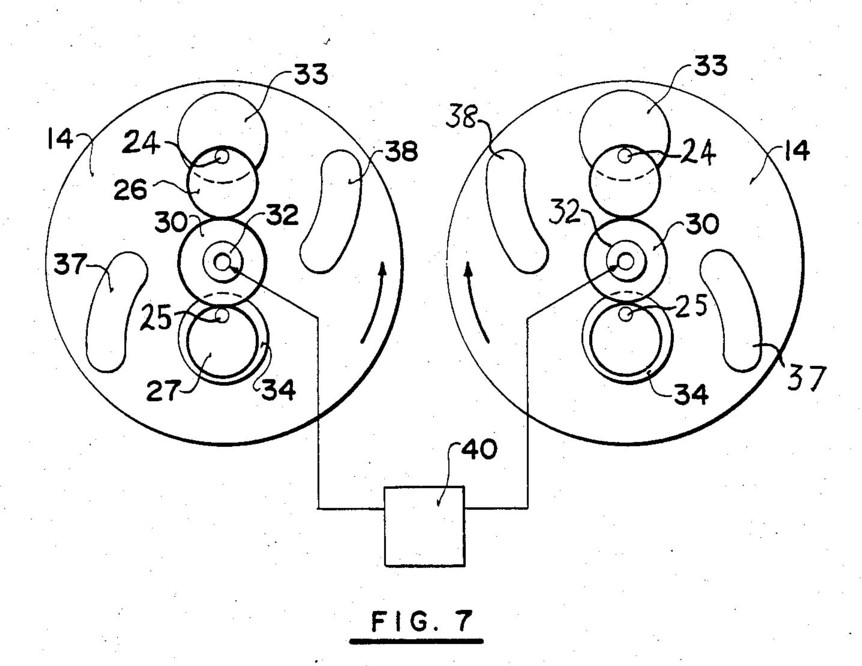
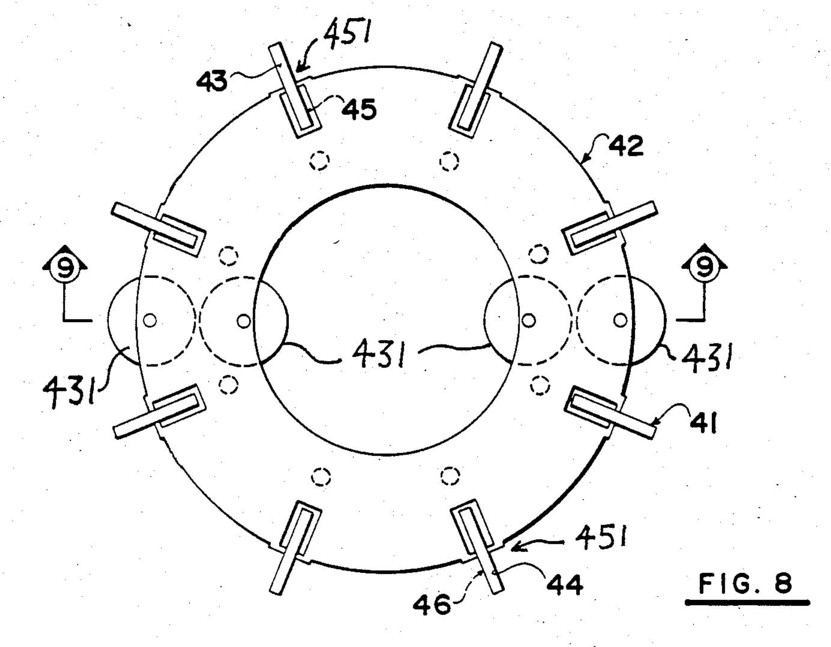
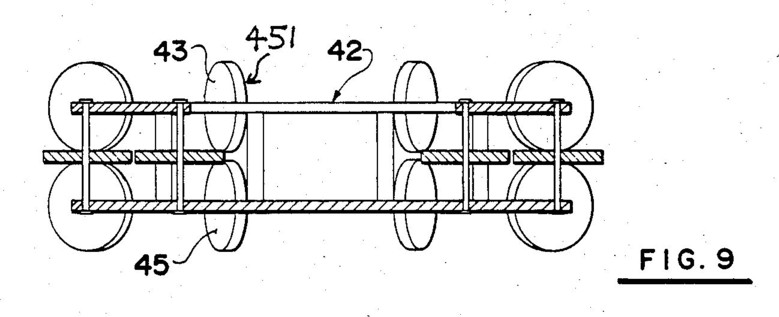
The Thornson Inertial Engine uses a pair of symmetrical wheels with eccentrically mounted planet masses. The masses are driven by an electric motor and their radial position is controlled by gearwheels. An electromagnetic restraining device holds each mass at the point of maximum radius and releases it, producing a whip-like action that yields a net directional thrust while the device remains sealed and does not expel any material.
Detailed Description
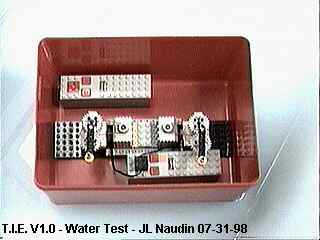
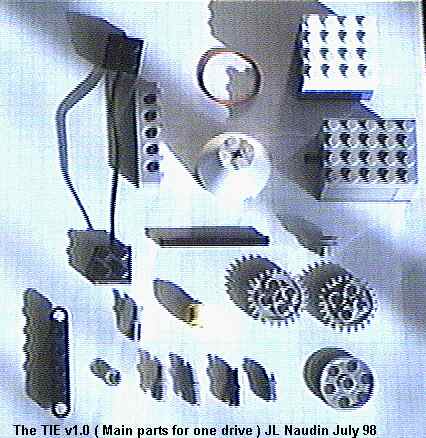
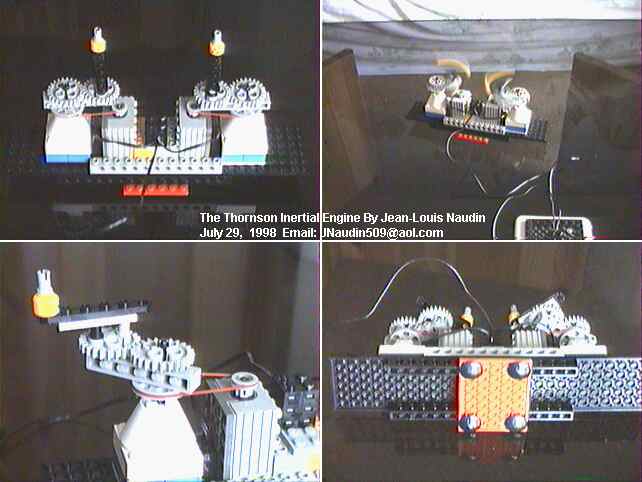
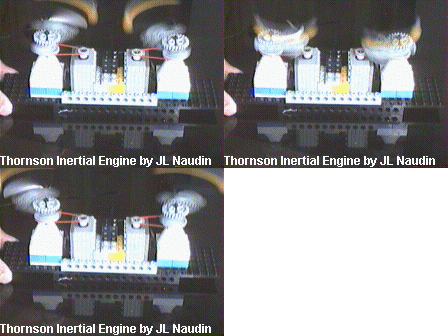
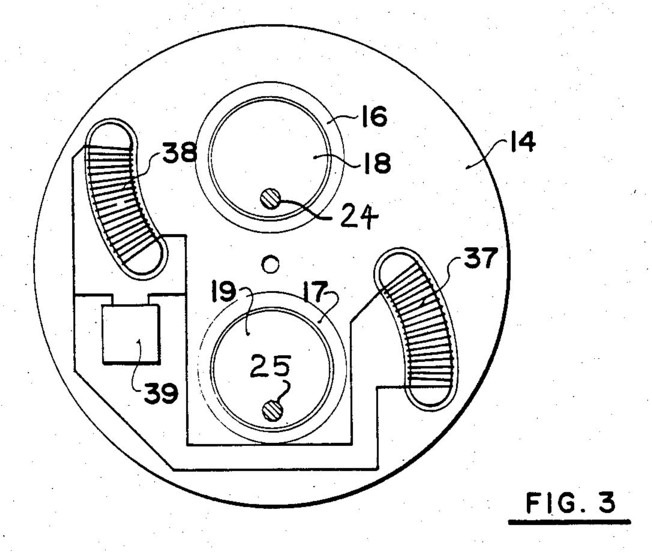
The patented apparatus (US4631971) comprises two wheels rotating in opposite directions about parallel axes. Each wheel carries a pair of planet masses that move radially in a timed fashion. Electromagnetic coils restrain the masses near the outermost point of their swing and release them, creating an impulsive force that, when summed over the four masses, results in a net thrust perpendicular to the plane of the wheels. Prototypes have been built from LEGO parts, plywood, and plastic enclosures, powered by standard electric motors and batteries. Tests reported include a 16-ft canoe moving 1 mph after 75 ft in a pool, a 220 g slider moving on a smooth surface, and a 862 g floating box moving on water at about 24 m/h.
Principles
- Eccentric rotating masses
- Centrifugal force
- Electromagnetic restraint and release
- Whip-like impulsive action
- Mach's principle (inertial interaction)
Scientific Domains
Materials
- Plastic (water-box enclosure)
- Wood (plywood case)
- Metal (gearwheels, masses)
- LEGOs (prototype components)
Mechanisms of Action
- Centrifugal force from rotating masses
- Phase-matched release of planet masses
- Electromagnetic inhibition of radial motion
- Resultant linear impulse from asymmetric force cancellation
Energy Sources
Applications
- Vehicle propulsion
- Marine propulsion
- Aerospace thrust without reaction mass
Claimed Performance
Force-to-power ratio claimed up to 2000 % (~=20x conventional jet), canoe propelled 1 mph after 75 ft, water test moved 862 g box at ~24 m/h.
Experimental Evidence
Video of a 16-ft Grumman canoe (450 lb total) accelerating to 1 mph after 75 ft in a pool; TIE V1.0 (220 g) sliding on a smooth surface; TIE floating box (862 g) moving on water at ~24 m/h; prototype built from LEGOs and plywood.
Limitations
- Very low absolute thrust
- Requires extremely smooth surfaces
- Performance claims lack independent verification
- Scaling to useful power levels unproven
Red Flags
- Claims of >2000 % force-to-power ratio without peer-reviewed data
- Reliance on anecdotal video demonstrations
- No independent replication or third-party testing reported
- Association with overunity and free-energy literature