Goal
Eliminate pancreatic tumor cells and provide a new anti-cancer therapy.
Problem
Pancreatic cancer (and other tumor types) with poor survival rates.
Concept Summary
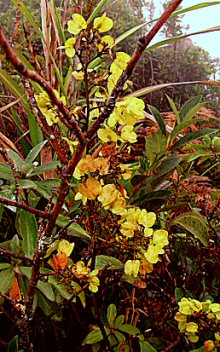
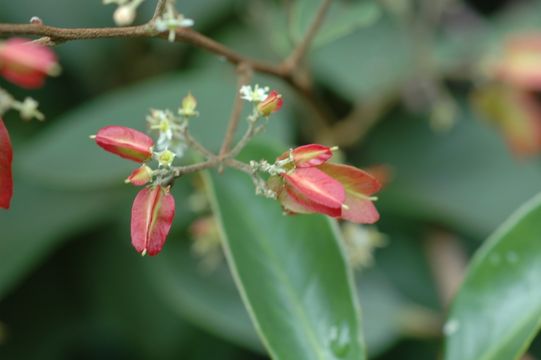
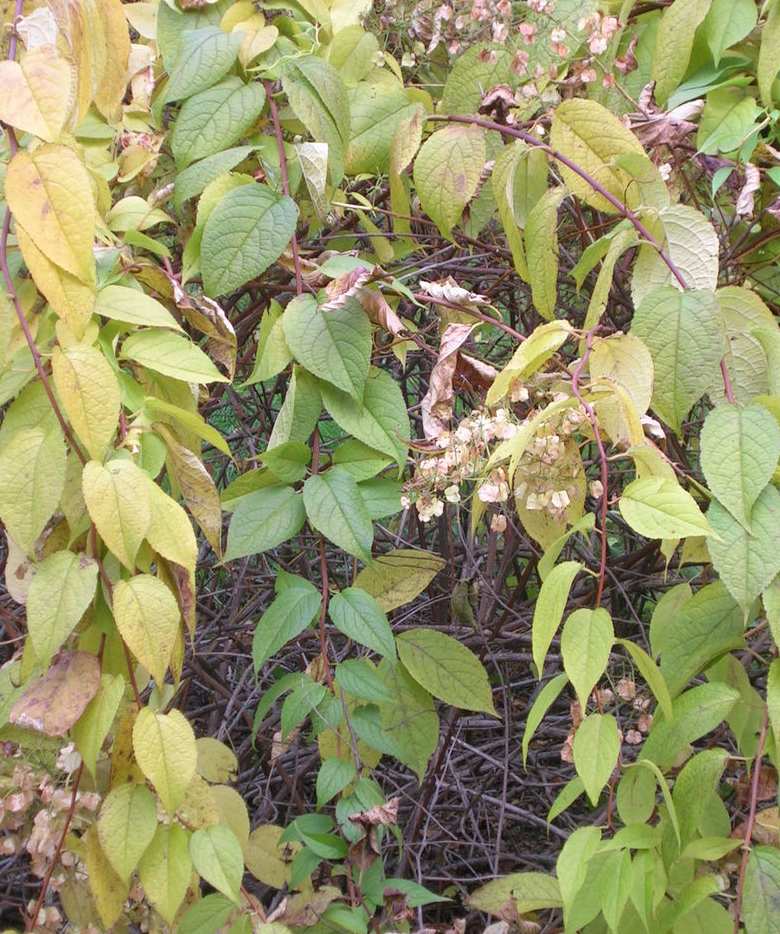
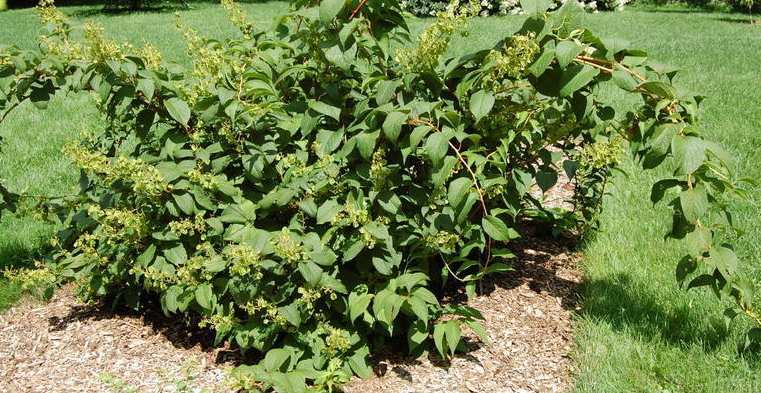
A water-soluble pro-drug (Minnelide) derived from the natural compound triptolide, extracted from the root of Tripterygium wilfordii (Thunder God Vine), was shown to eradicate pancreatic tumors in mice after a 40-day treatment course.
Detailed Description
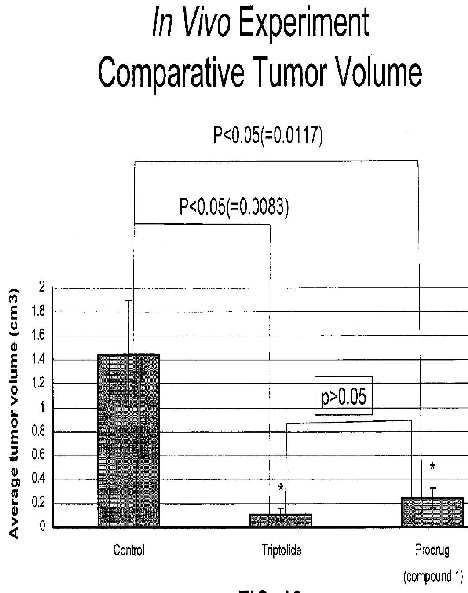
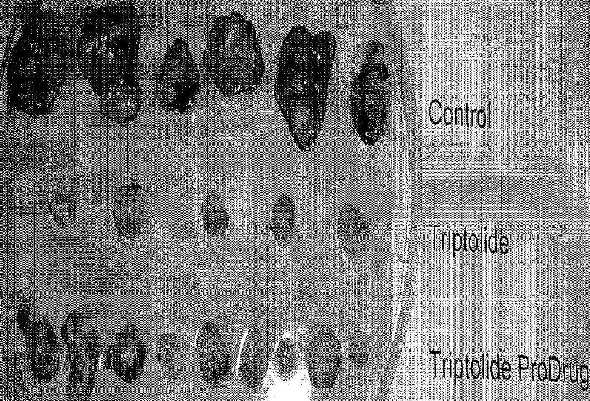
Researchers at the University of Minnesota Masonic Cancer Center isolated triptolide from the skinned root of Tripterygium wilfordii, synthesized a water-soluble formulation called Minnelide, and administered it intravenously to mice bearing pancreatic tumors. Over a 40-day period the treated mice showed complete disappearance of detectable tumors, and the effect persisted after treatment cessation. The study was published in Science Translational Medicine and funded by the NIH. The same compound has a history of use in traditional Chinese medicine for inflammatory conditions and rheumatoid arthritis.
Principles
- Natural-product pharmacology
- Pro-drug solubilization
- Apoptosis induction via mitochondrial pathway
Scientific Domains
Materials
- Tripterygium wilfordii root extract
- Triptolide (active diterpene)
- Minnelide (synthetic water-soluble derivative)
Mechanisms of Action
- Caspase-dependent apoptosis
- Inhibition of NF-kappaB signaling
- Mitochondrial pathway activation
Applications
- Cancer therapy
- Pancreatic cancer treatment
Claimed Performance
Complete eradication of pancreatic tumors in mice after 40 days of treatment; no tumor regrowth after discontinuation.
Experimental Evidence
Pre-clinical mouse study reported in Science Translational Medicine (2012) showing no detectable tumors after 40 days of Minnelide administration.
Limitations
- Evidence limited to animal models
- Potential toxicity of triptolide derivatives
- No human clinical data yet
Red Flags
- Potential over-statement of results without human trials
- Lack of independent replication