Goal
Increase fuel-efficiency of internal-combustion engines and reduce emissions.
Problem
Low thermal efficiency and high CO_2/NO_x emissions of conventional four-stroke engines.
Concept Summary
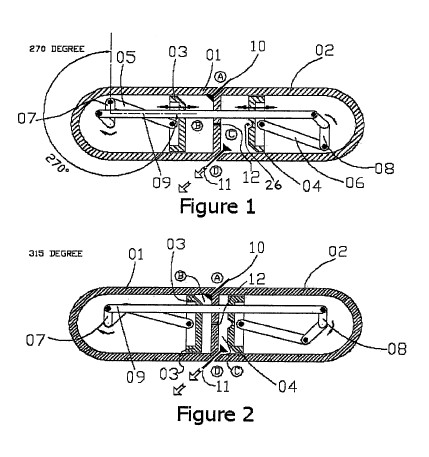
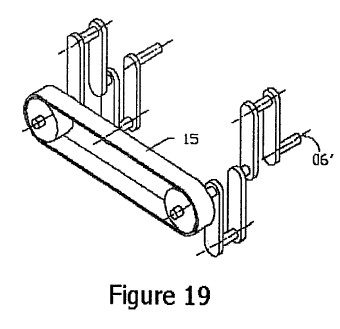
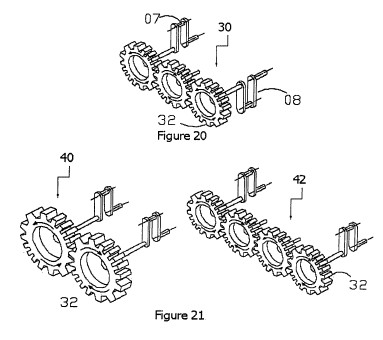
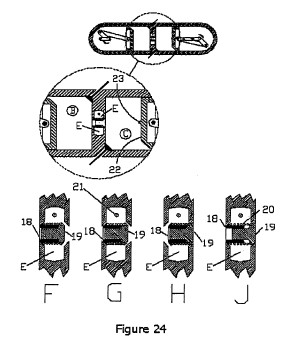
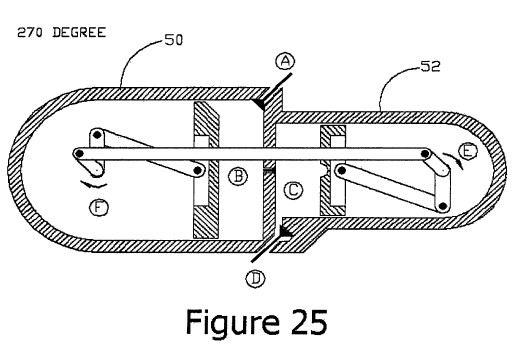
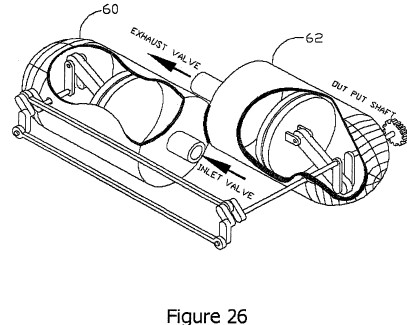
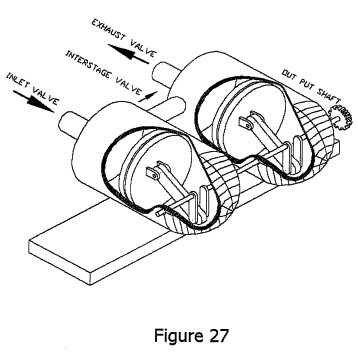
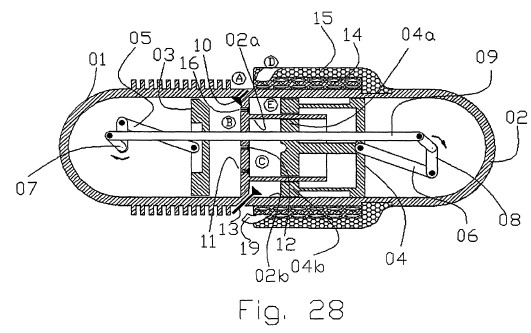
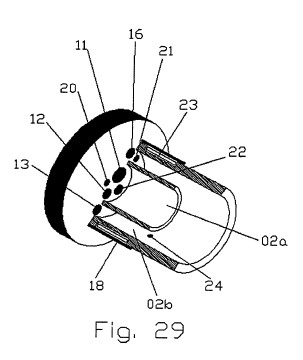
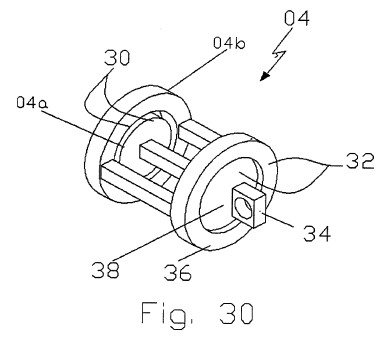
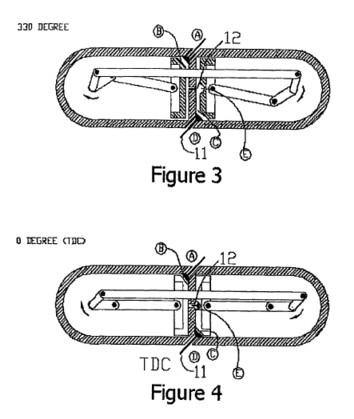
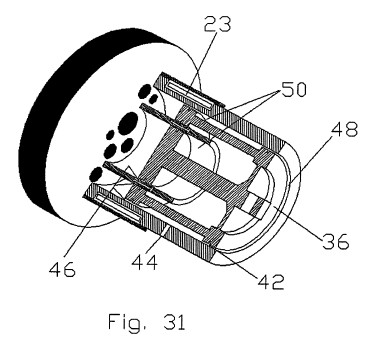
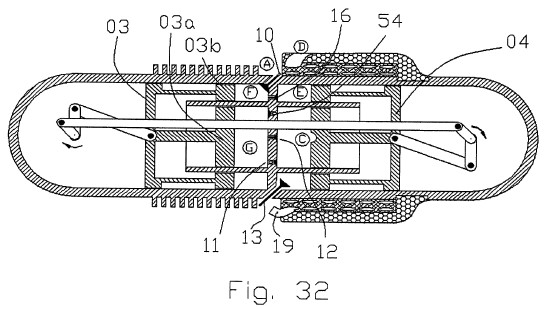
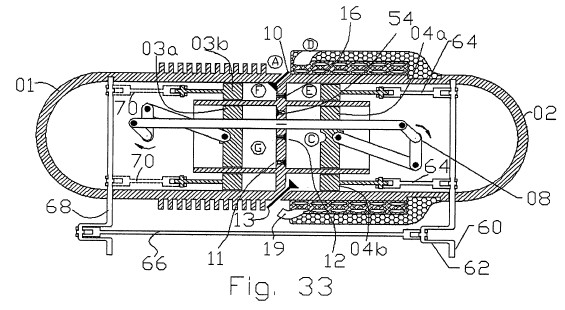
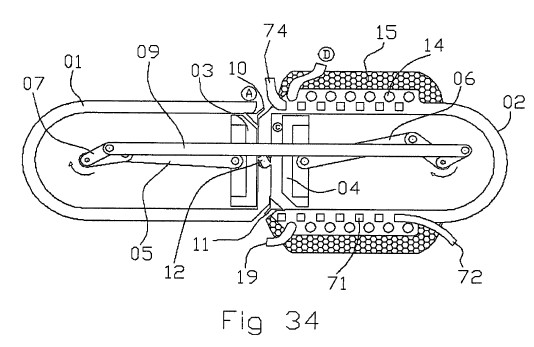
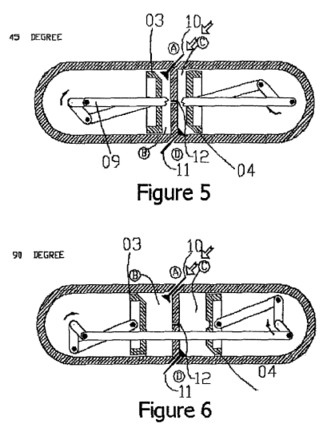
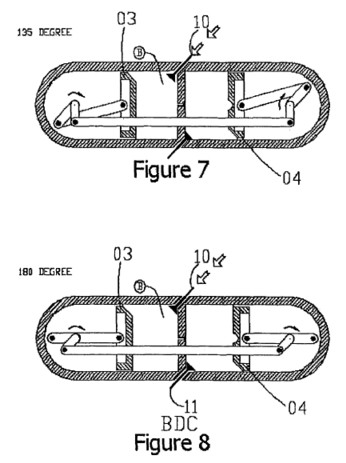
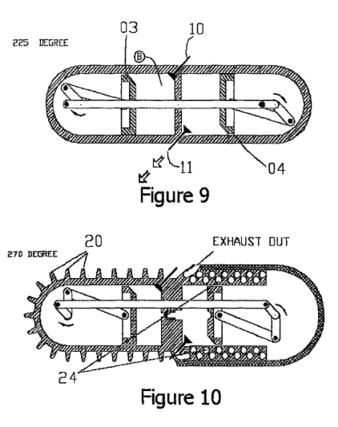
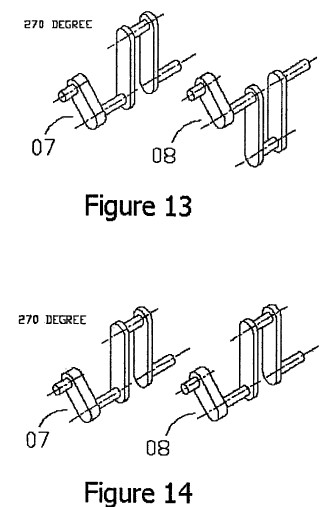
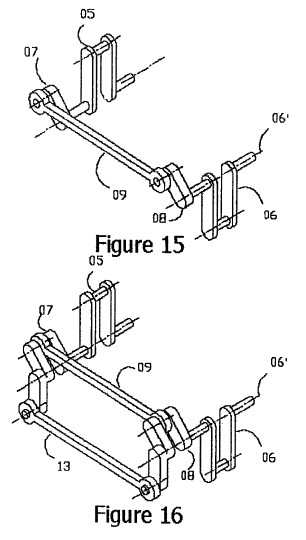
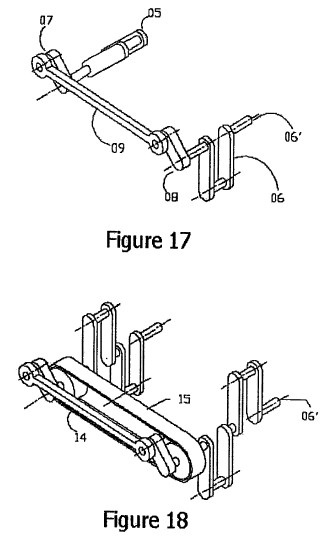
A split-cycle engine that separates the cold strokes (intake/compression) and the hot strokes (combustion/exhaust) into two opposed cylinders. Compressed charge is transferred via a timed interstage valve from the cold cylinder to the hot cylinder, allowing each cylinder to be thermally optimized.
Principles
- Thermodynamic optimization by separating cold and hot strokes
- Opposed-cylinder split-cycle architecture
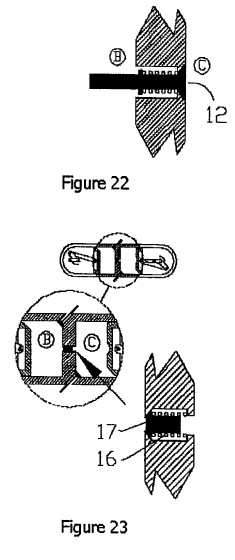
- Timed interstage valve for lossless charge transfer
- Use of ceramic coatings to reduce heat rejection
Scientific Domains
Materials
- Steel cylinder walls
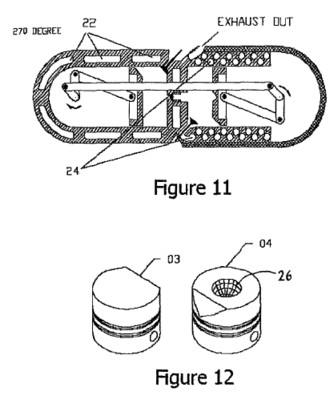
- Aluminium pistons
- Ceramic coating for hot-cylinder surfaces
- Interstage valve (metal or high-temperature alloy)
Mechanisms of Action
- Cold cylinder compresses air-fuel mixture at lower temperature
- Interstage valve transfers compressed charge to hot cylinder
- Hot cylinder expands gases at higher temperature for greater work extraction
- Larger expansion ratio in hot cylinder improves efficiency
Energy Sources
Applications
- Automotive propulsion
- Stationary power generation
- Marine propulsion (potential)
Claimed Performance
Efficiency increase of 30-80 % (projected 40-55 % vs 20-30 % typical) and emissions reductions of up to 50 % CO_2 and 80 % NO_x.
Experimental Evidence
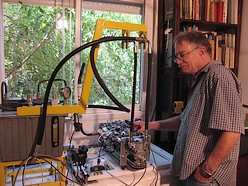
A working bench-prototype has been built and tested in the inventor's home laboratory; the prototype demonstrated the split-cycle operation and the claimed efficiency gains are based on thermodynamic analysis rather than extensive road-testing.
Limitations
- Precise timing of interstage valve required
- Limited quantitative performance data
- Scalability to production-volume engines not demonstrated
Red Flags
- Claims of up to 100 % efficiency improvement are not backed by independent testing
- Reliance on projected thermodynamic gains without published experimental data