Goal
Generate electricity, provide electromagnetic wave shielding, enhance agricultural growth, and treat water using tourmaline-based materials.
Problem
Low-efficiency energy generation, electromagnetic interference, poor seed germination, silicon contamination in water, and lack of sustainable power sources.
Concept Summary
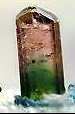
Tourmaline, a naturally occurring piezo-electric and far-infrared emitting crystal, is incorporated as a powder, fiber, or nano-composite in batteries, electrode fibers, shielding fabrics, and agricultural coatings. The material is claimed to convert thermal, infrared, and electromagnetic energy into usable electric potential, to emit far-infrared radiation and anions, and to provide electromagnetic wave absorption and biological stimulation.
Principles
- Far-infrared radiation conversion
- Piezo-electric effect
- Ion exchange / anion release
- Electromagnetic wave absorption
- Self-charging electrochemical reactions
Scientific Domains
Materials
- Tourmaline powder
- Ceramic far-infrared powder
- Lithium battery electrolyte
- Titanium oxide
- Nano-silver granules
- Bamboo charcoal
- Permanent magnet powder
- Moisture (H_2O)
- Zeolite ceramic
- Obsidian
- Aluminum
- Kaolin
- Loess
- Synthetic fiber (regenerated or polyester)
Mechanisms of Action
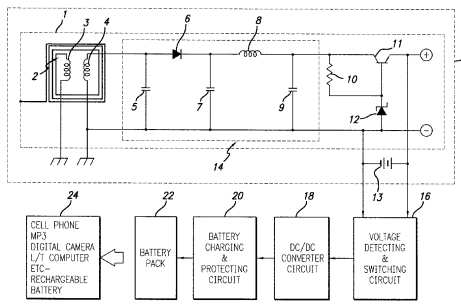
- Tourmaline powder in electrolyte creates a permanent electrode that maintains voltage after discharge
- Far-infrared radiation from tourmaline heats electrolyte, driving redox reactions
- Nano-silver coated tourmaline oxide releases anions and far-infrared rays
- Tourmaline fibers generate weak electric currents that stimulate biological tissue
- Tourmaline-bamboo charcoal composites absorb electromagnetic waves
Energy Sources
Applications
- Portable power sources
- Electromagnetic interference shielding
- Agricultural seed treatment
- Water purification
- Animal feed additives
Claimed Performance
Lithium battery voltage remained stable for 7 months after 500 mA discharge cycles; self-charging units claimed to produce stable, long-lasting electric energy; nano-tourmaline oxide dramatically increases anion and far-infrared emission; electromagnetic-wave shielding material keeps environments free from disturbance; coated seeds show high germination rates.
Experimental Evidence
Test of a lithium battery discharged at 500 mA for 10 min, rested 4 h, showed no voltage change over 7 months. Other patents provide qualitative claims without quantitative data.
Limitations
- Lack of independent, peer-reviewed verification
- Unclear energy conversion efficiency
- Scalability of nano-composite production not demonstrated
- Potential dependence on ambient far-infrared radiation
Red Flags
- Claims of self-charging batteries without external power source
- Implications of over-unity energy generation
- Absence of detailed experimental data or independent replication