Goal
Increase fuel efficiency and reduce emissions of internal combustion engines.
Problem
Low fuel efficiency and high exhaust emissions of conventional spark-ignition and diesel engines.
Concept Summary
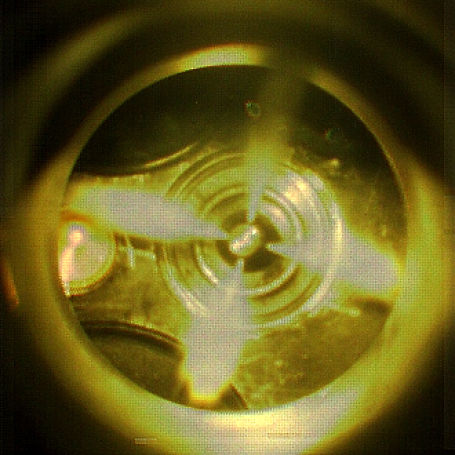
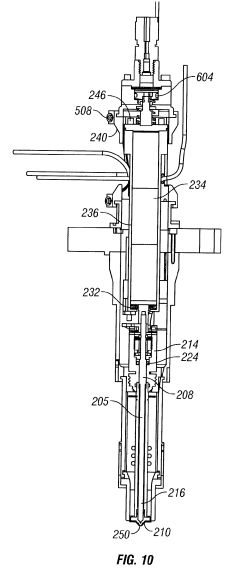
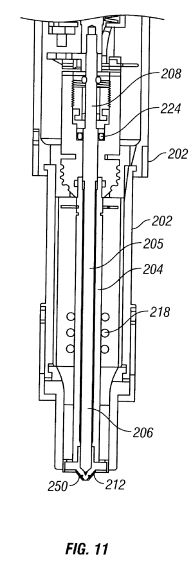
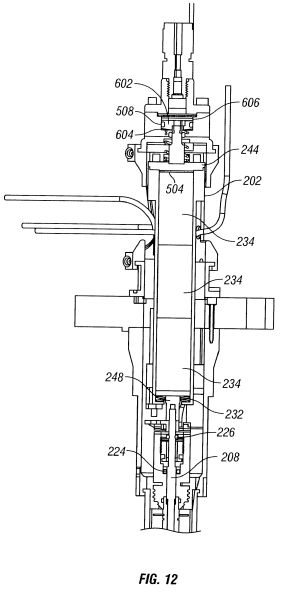
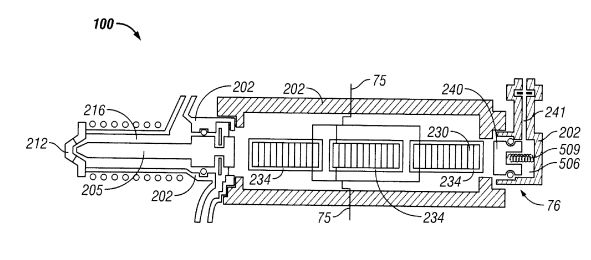
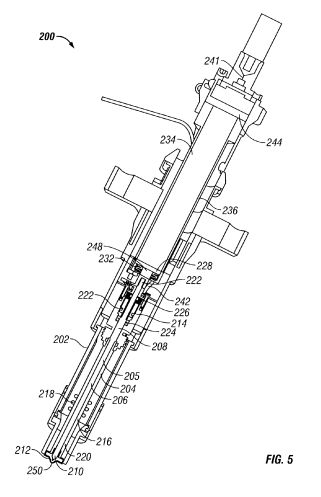
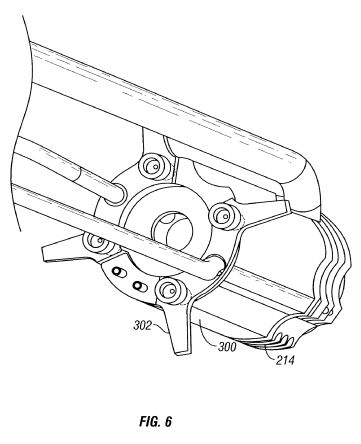
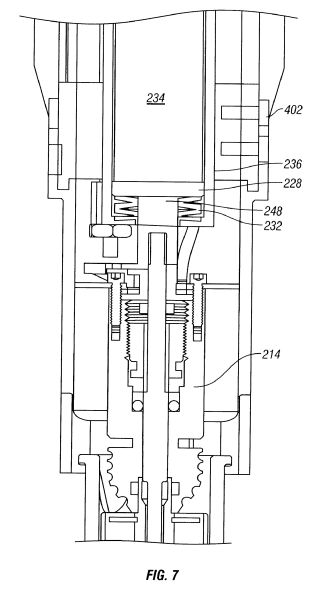
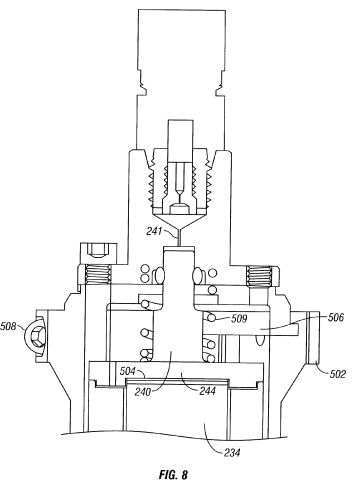
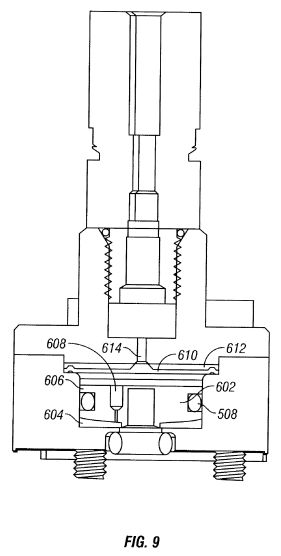
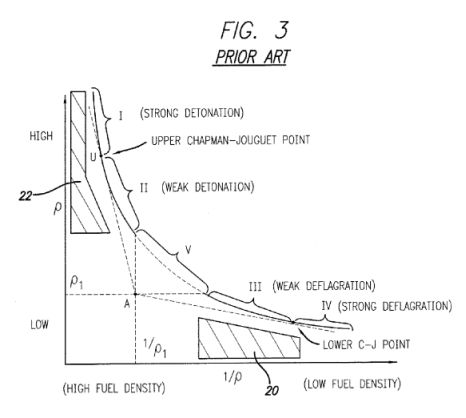
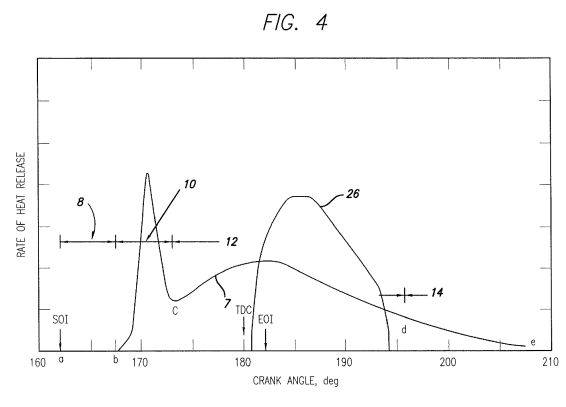
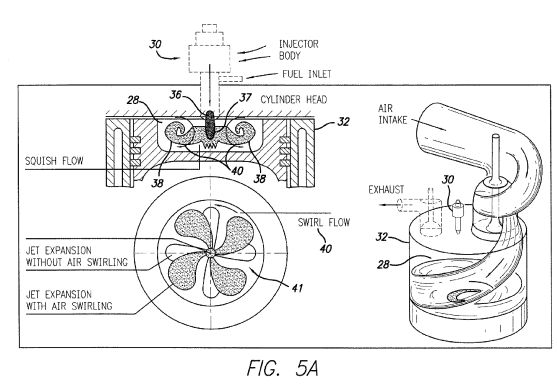
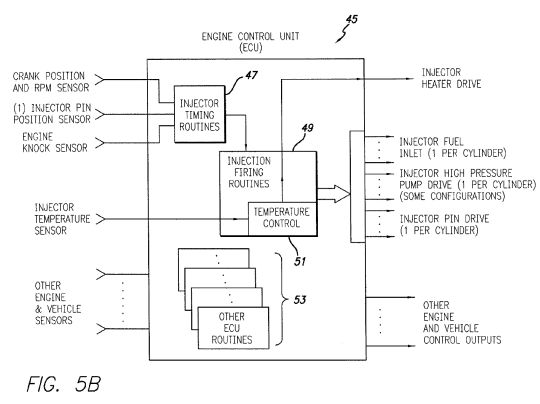
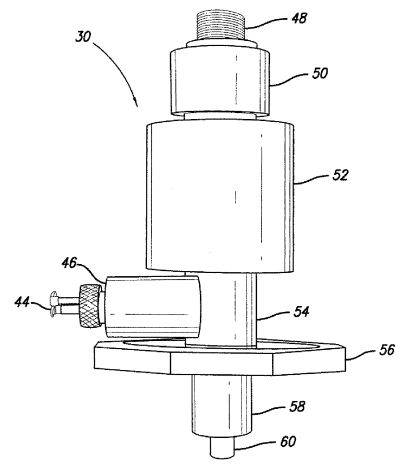
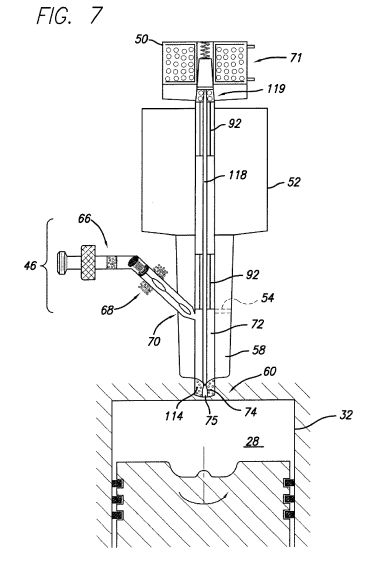
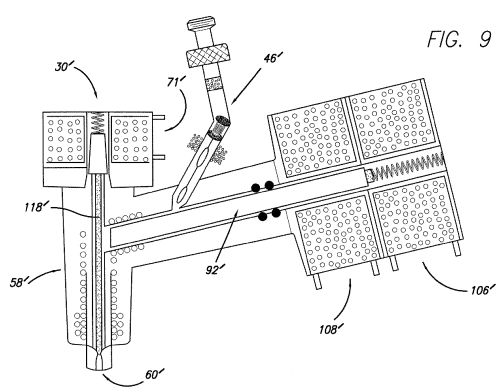
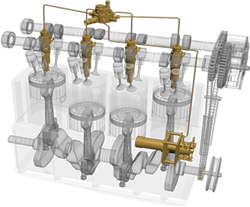
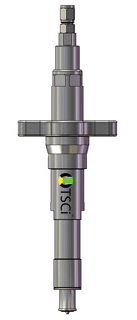
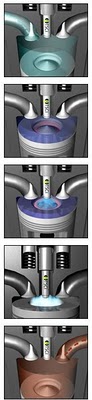
The system injects fuel in a supercritical state using a heated, catalyzed, piezoelectric actuator injector. The supercritical fluid mixes rapidly with intake air, enabling lean combustion, short ignition delay, and precise control of the combustion zone. Integrated electronic control and thermal management further improve efficiency and lower NOx emissions.
Principles
- Supercritical fluid thermodynamics
- Lean combustion
- High-pressure, high-temperature fuel injection
- Catalytic breakdown of fuel molecules
- Piezoelectric actuation
- Electronic real-time combustion control
Scientific Domains
Materials
- Metal-oxide catalyst (e.g., alumina-based)
- Piezoelectric ceramic (e.g., PZT)
- Metal housing and injector pin
- Thermal compensating alloy components
Mechanisms of Action
- Heating fuel above its critical point to achieve supercritical density
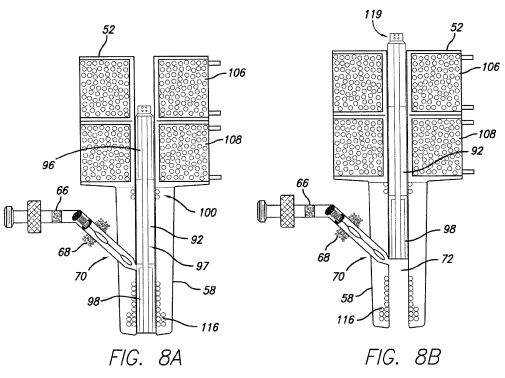
- Catalyst in injector decomposes fuel into simpler hydrocarbons
- Piezoelectric injector pin rapidly opens/closes to deliver fuel
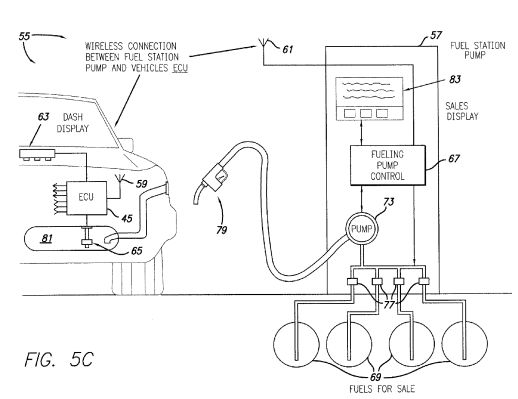
- Electronic ECU controls injection timing and combustion heat release
Energy Sources
Applications
- Automotive gasoline engines
- Heavy-duty diesel trucks
- Power-generation gas turbines
Claimed Performance
Fuel efficiency improvements of 50-75 % versus conventional engines; test vehicle achieved 98 mpg (41.6 km/L) at 50 mph; engine-out NOx reduced to ~50 % of comparable standard engines.
Experimental Evidence
Dynamometer testing on current engine architectures showed doubled fuel-efficiency numbers; a modified gasoline engine in a test vehicle recorded 98 mpg at steady 50 mph.
Replication Status
No independent replication reported; performance data are from company-conducted tests.
Limitations
- Requires high-pressure, high-temperature fuel handling
- Thermal management complexity
- Catalyst durability and fouling concerns
- Compatibility with a wide range of fuel chemistries
Red Flags
- Large efficiency claims (50-75 %) are not independently verified
- Performance data limited to company-controlled dynamometer and single test vehicle
- Potential over-optimistic timeline for commercial deployment