Goal
Inactivate viruses in blood samples to prevent transmission of blood-borne diseases and improve patient outcomes.
Problem
Viruses present in donated or circulating blood (e.g., HIV, hepatitis C) that are difficult to eliminate with conventional UV or microwave methods without damaging healthy cells.
Concept Summary
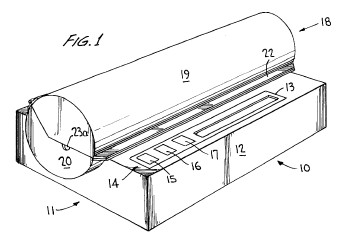
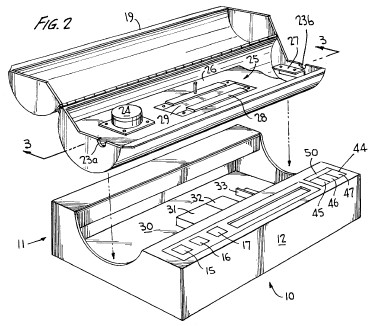
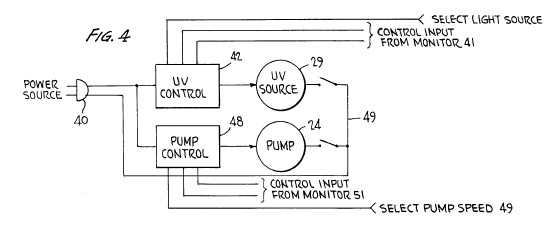
The invention uses either a low-power visible femtosecond laser (~=425 nm, 100 fs pulses, >=50 MW cm^-^2) or ultraviolet radiation to inactivate viruses in blood. The laser induces impulsive stimulated Raman scattering that creates high-amplitude mechanical vibrations in the viral capsid, causing irreversible structural damage. UV irradiation damages viral nucleic acids while preserving surrounding cells. Both approaches are intended for extracorporeal blood treatment (e.g., during dialysis) to render the blood virus-free before reinfusion.
Detailed Description
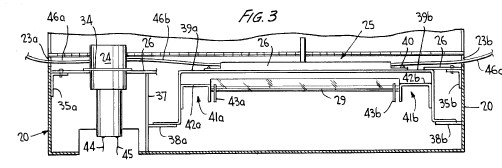
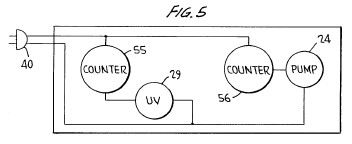
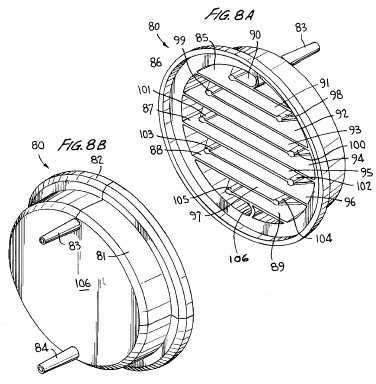
A visible femtosecond laser emits 100-fs pulses at 425 nm with a power density of at least 50 MW cm^-^2. When a blood sample containing viruses (e.g., M13 bacteriophage) is exposed, the rapid electromagnetic field induces impulsive stimulated Raman scattering, producing mechanical vibrations that rupture the capsid. Independent of the laser method, ultraviolet light (1800-4000 Angstrom) is directed through a quartz cuvette or irradiation chamber, optionally in the presence of photo-active chemicals such as psoralen, to cause DNA damage in viruses while sparing host cells. The treated blood is then returned to the patient.
Principles
- Impulsive stimulated Raman scattering
- Photomechanical disruption of viral capsids
- UV-induced nucleic acid damage
- Photochemical activation of psoralen
Scientific Domains
Materials
- Quartz (UV-transparent cuvette)
- Psoralen
- Blood plasma
- Laser crystal (e.g., Ti:sapphire)
Mechanisms of Action
- Mechanical vibration of viral capsid leading to structural collapse
- Ultraviolet photon absorption causing DNA/RNA lesions
- Photo-adduct formation with viral nucleic acids
Energy Sources
Applications
- Blood sterilization for transfusion
- Treatment of blood-borne viral infections
- Integration with dialysis circuits for extracorporeal disinfection
Claimed Performance
A single 100-fs pulse at >=50 MW cm^-^2 inactivates M13 bacteriophage completely; UV blood irradiation reportedly improves venous oxygenation and confers rapid resistance to viral and bacterial infection in thousands of clinical cases.
Experimental Evidence
Plaque-count assays showed complete loss of infectivity of M13 phage after laser exposure; clinical reports cite successful treatment of viral infections (e.g., hepatitis, HIV) using ultraviolet blood irradiation in thousands of patients.
Replication Status
Further efficacy testing against a broader range of viruses (including HIV and hepatitis C) is planned; no independent replication reported in the article.
Limitations
- Requires extracorporeal circuit and precise laser/UV dosing
- Long-term effects on mammalian cells not fully characterized
- Scalability to high-throughput clinical settings remains unproven
Red Flags
- Claims of mutation-free viral inactivation lack extensive peer-reviewed validation
- Potential regulatory hurdles for extracorporeal UV/laser blood treatment