Goal
Extract energy from gravitational and electromagnetic fields to produce electricity with over-unity output, addressing the world energy crisis.
Problem
Global energy shortage and dependence on conventional fuels.
Concept Summary
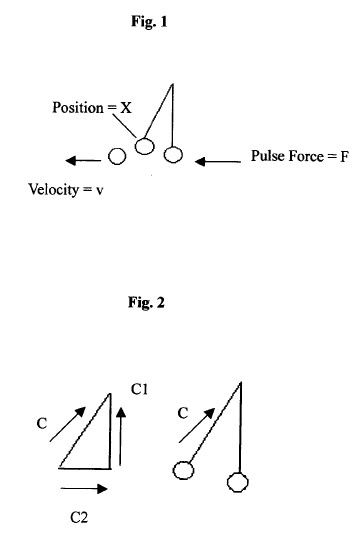
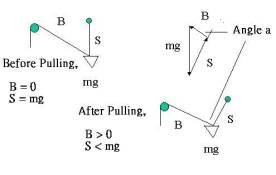
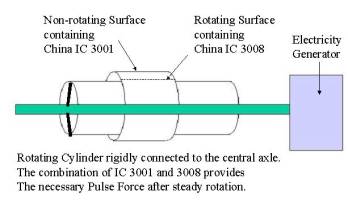
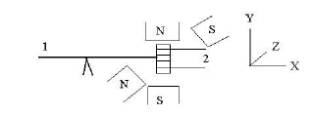
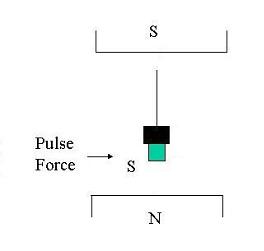
The theory proposes that electromagnetic and gravitational fields (often called Zero Point Energy) can be "lead out" using pulse forces applied to oscillating systems such as pendulums or rotating wheels. By synchronising a pulse force at resonance, the device allegedly extracts energy from the field, converting it to electrical power via magnetic induction or other transduction methods.
Detailed Description
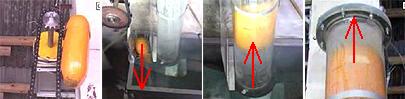
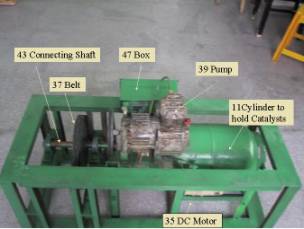
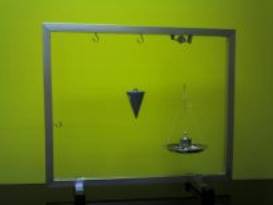
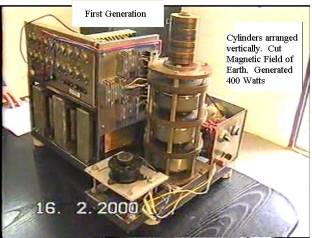
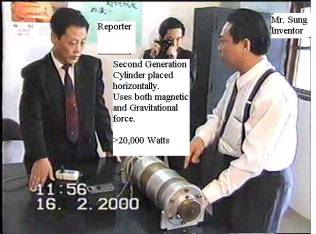
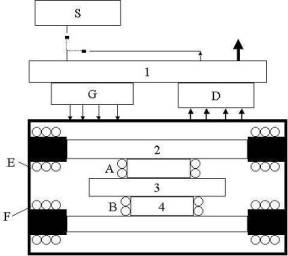
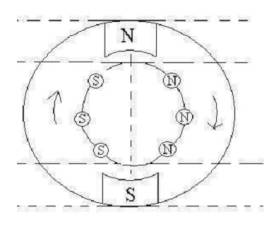
The core prototype consists of a pendulum or rotating wheel equipped with a metallic wire that cuts magnetic field lines, generating electricity. A pulse-force actuator supplies periodic pushes at the resonant frequency, which the inventors claim continuously draws additional energy from the surrounding electromagnetic or gravitational field. The system may be powered by a falling weight in a water-filled tube, a simple gravity-wheel, or a more complex electromagnetic resonator. Demonstrations were reportedly given to Chinese officials, and plans were announced to build four 5 kW units for university testing and wider distribution.
Principles
- Pulse force (periodic resonant pushes)
- Lead-out energy extraction
- Zero-point/ambient electromagnetic field harvesting
- Gravitational energy conversion
- Resonance-enhanced oscillation
Scientific Domains
Materials
- Metallic wire
- Magnetic coils
- Weight (dense material)
- Water-filled tube
- Structural frame (metal/aluminum)
Mechanisms of Action
- Pendulum oscillation with resonant pulse force
- Magnetic induction from a swinging metallic wire
- Conversion of gravitational potential via continuous pulsed pushes
- Flux change in electromagnetic fields
Energy Sources
Applications
- Electrical power generation
- Portable generators
- Potential military power systems
Claimed Performance
Each prototype is claimed to deliver 5 kW of electrical power with over-unity work product (more energy out than the mechanical input).
Experimental Evidence
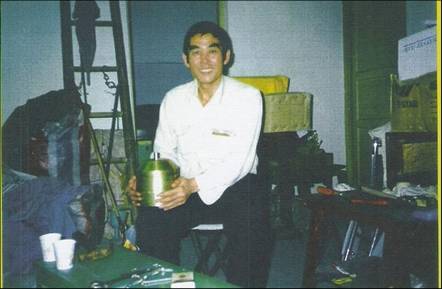
The Wang Shum Ho 5 kW generator was reportedly assembled and demonstrated to five Chinese officials on 15 January 2007. No independent peer-reviewed data were provided.
Replication Status
Only the claimed demonstration is mentioned; no independent replication or commercial deployment has been documented.
Limitations
- No peer-reviewed experimental data
- Claims rely on unproven zero-point energy theory
- Scalability and long-term stability not demonstrated
Red Flags
- Over-unity claims without quantitative evidence
- References to perpetual motion and free energy
- Potential for financial scams (large funding promises)