Goal
Provide a high-efficiency cooking stove that dramatically reduces fuel consumption and emissions, especially for low-income households.
Problem
Inefficient, polluting traditional wood-fuel stoves that cause deforestation, health problems, and excessive time spent gathering fuel.
Concept Summary
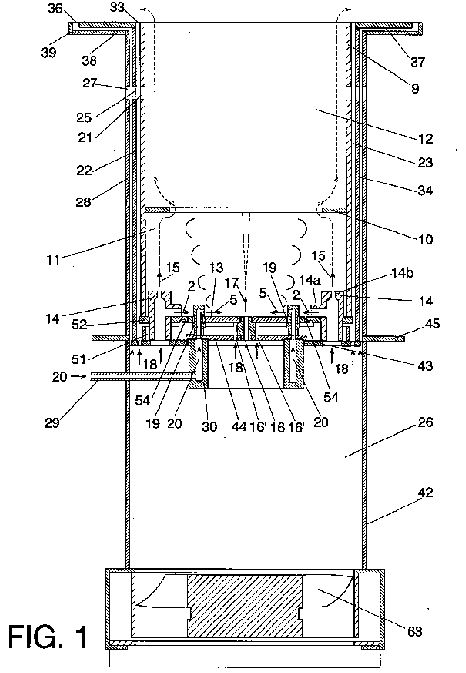
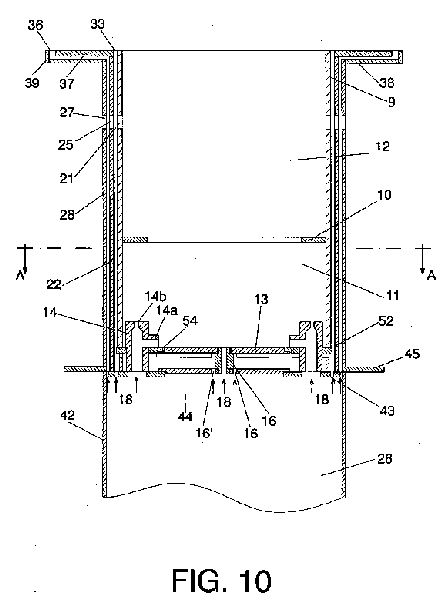
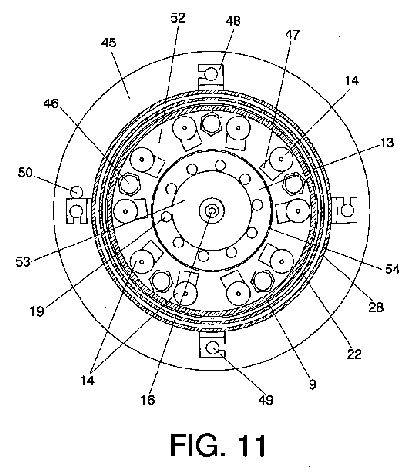
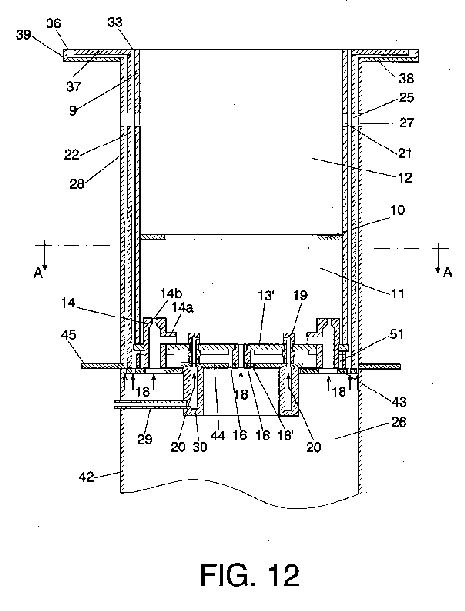
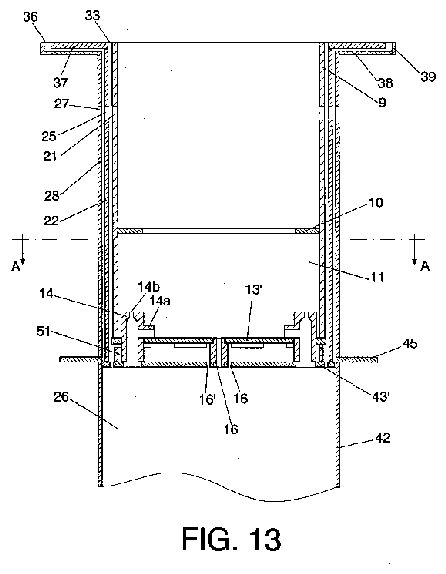
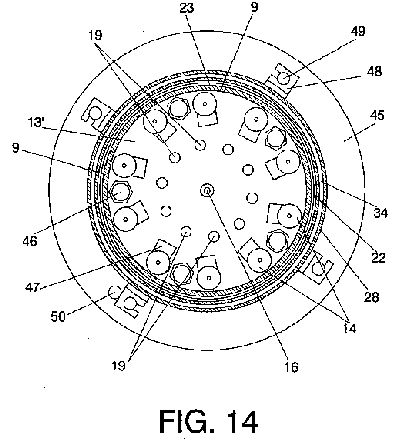
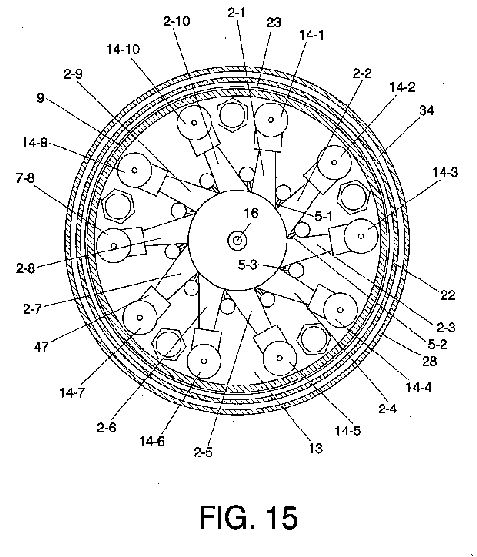
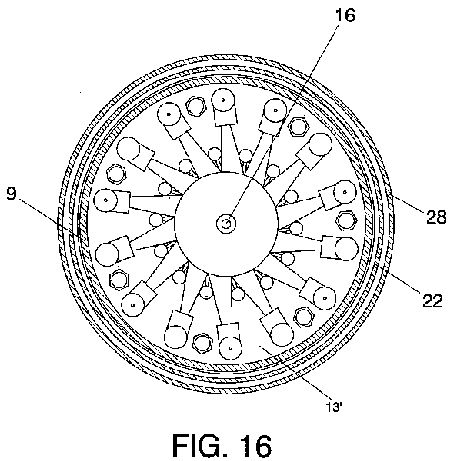
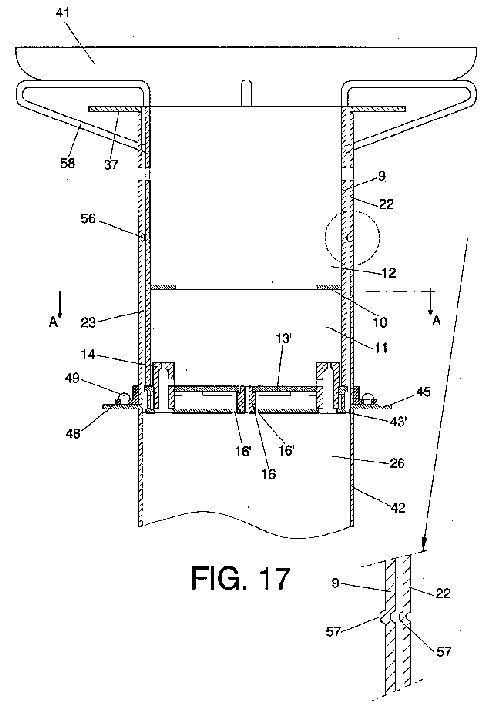
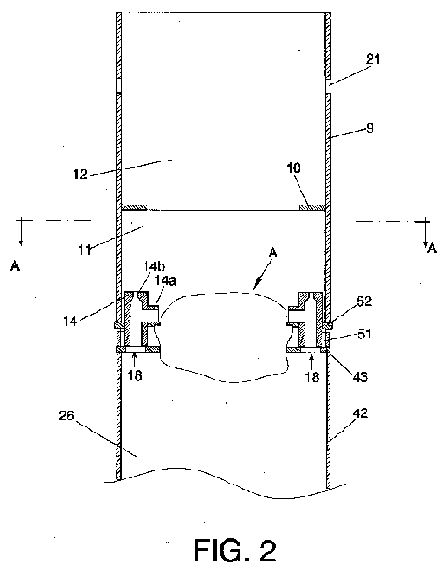
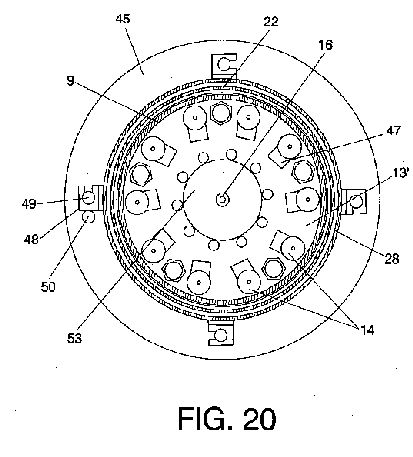
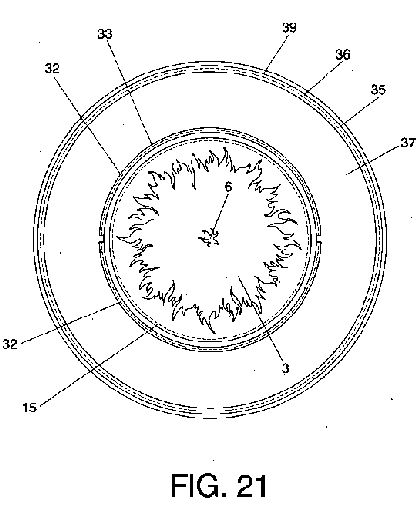
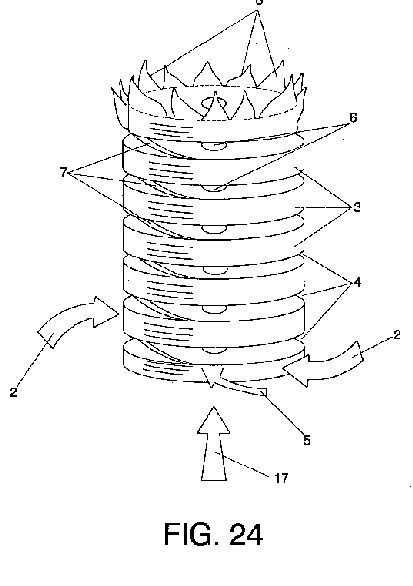
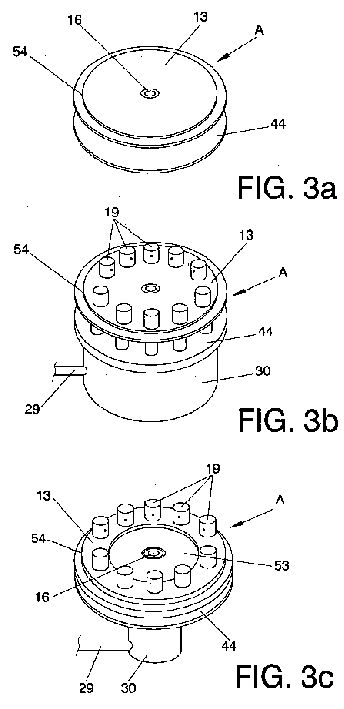
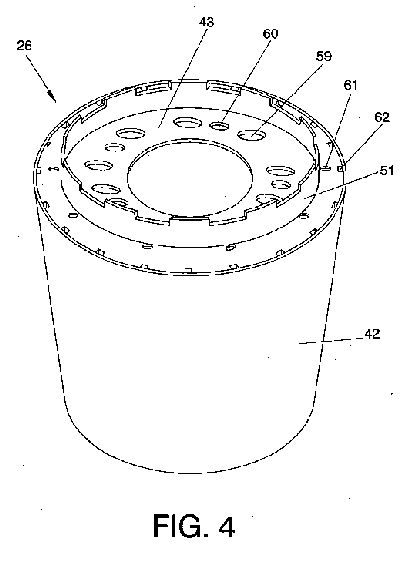
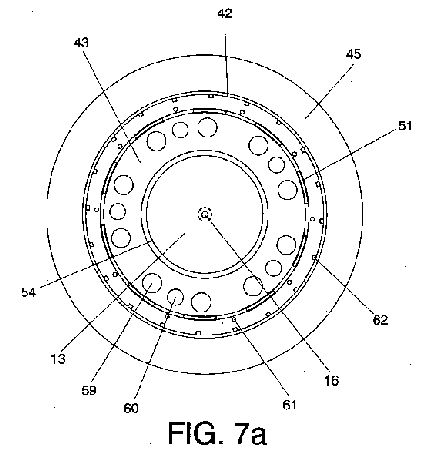
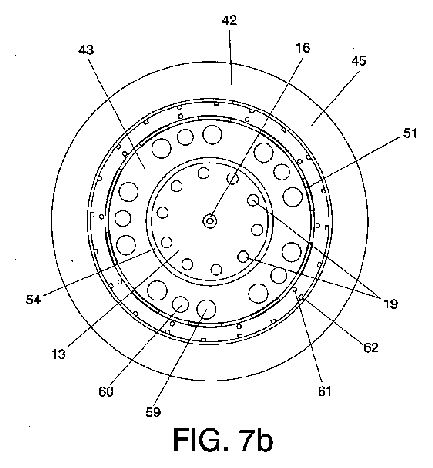
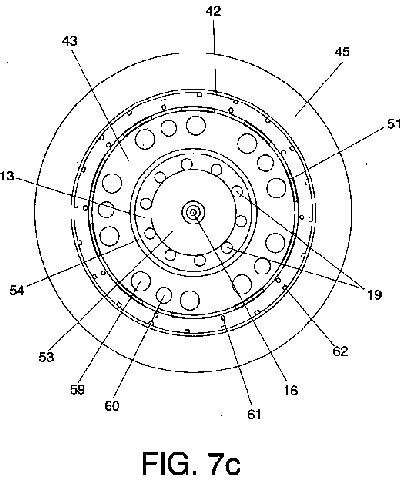
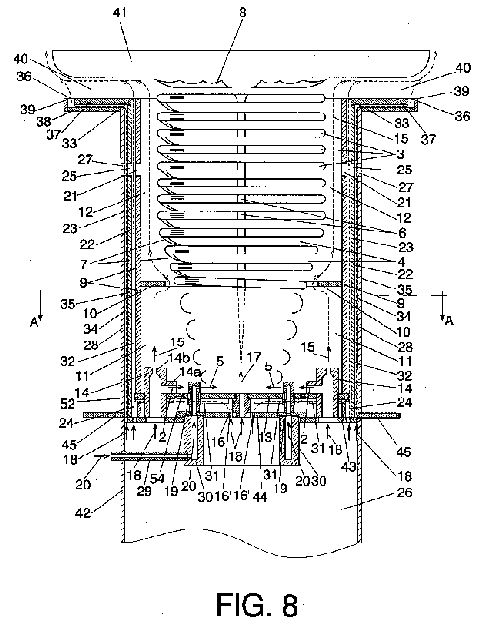
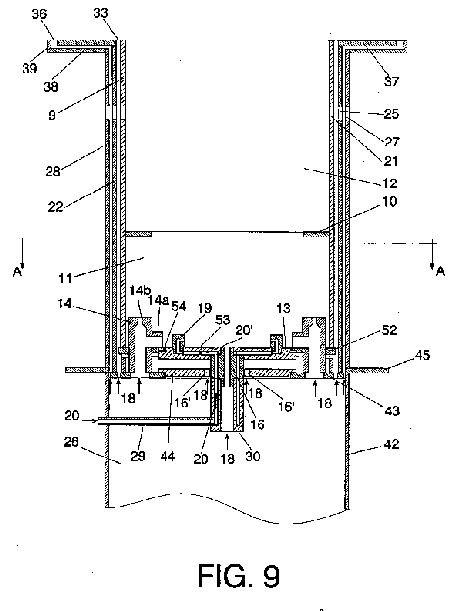
A stainless-steel stove with a tubular combustion chamber divided into two sections, a pressurized air chamber below it, and multiple air injectors mounted on concentric flat rings. Replaceable central parts adapt the device to solid, liquid, or gaseous fuels. A fan supplies pressurized air, creating a rotational airflow that improves combustion efficiency and heat transfer while minimizing pollutants. Thermal insulation cylinders surround the combustion chamber.
Detailed Description
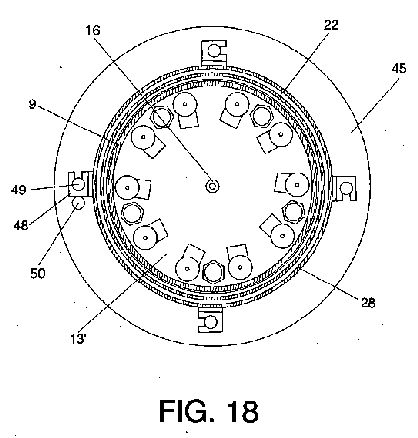
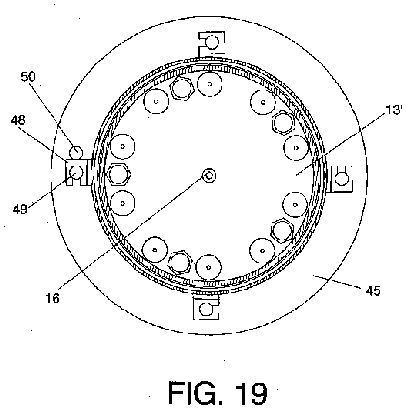
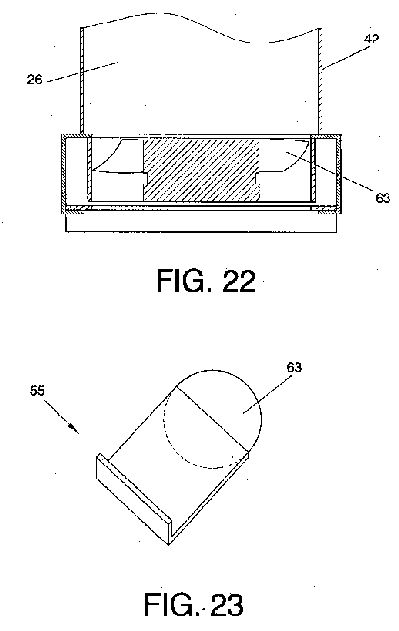
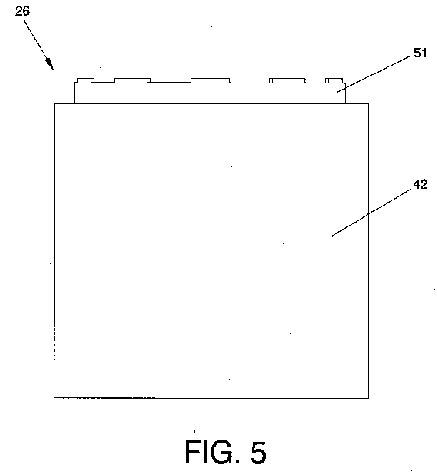
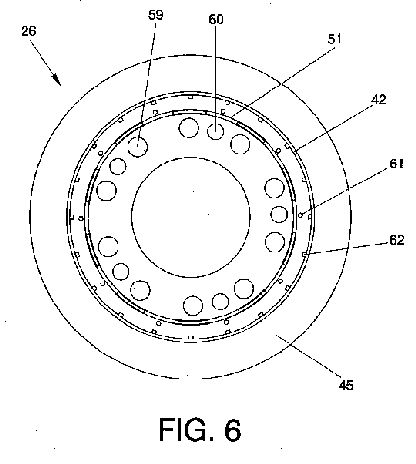
The invention comprises a cylindrical combustion chamber (lower and upper sections) with a pressurized air chamber underneath. Air injectors are supported on a first flat ring and a second flat ring, allowing sliding motion to avoid deformation at high temperature. A set of replaceable parts (including a central air injector) sits between the rings and is configured according to the fuel's physical state. Fans below the air chamber regulate airflow, and a thermal insulation system of concentric cylinders reduces heat loss. The design aims for up to 95 % fuel savings compared with conventional wood stoves.
Principles
- Combustion efficiency
- Heat transfer optimization
- Rotational airflow for mixing
- Pressurized air injection
- Modular fuel-state adaptability
Scientific Domains
Materials
- Stainless steel
- Metal flat rings
- Metal discs
- Fan components (metal/plastic)
Mechanisms of Action
- Pressurized air supplied by a fan creates high-velocity jets
- Radial and vertical air injectors generate a vortex that enhances flame stability
- Replaceable central parts adjust airflow geometry for solid, liquid, or gas fuels
- Thermal insulation reduces conductive losses
Energy Sources
Applications
- Domestic cooking
- Rural heating
- Steam generation
- Small-scale power generation
Claimed Performance
Approximately 95 % less fuel consumption than conventional wood stoves; minimal pollution.
Limitations
- Requires a fan (electric power) for pressurizing air
- Replaceable parts must be swapped for different fuels
- No publicly documented field testing data
Red Flags
- Lack of quantitative performance data or independent testing