Goal
Increase turmeric yield and quality through sustainable, organic farming practices.
Problem
Low yields, soil degradation, pest and disease pressure, and inefficient traditional cultivation methods.
Concept Summary
The article compiles a comprehensive set of agronomic practices for turmeric (Curcuma longa) cultivation, including selection of healthy rhizomes, spacing, land preparation, irrigation, organic fertilization (cow dung, neem cake), pest control (neem oil, Trichoderma), solarisation, harvesting, curing, drying, and storage. It emphasizes organic inputs, proper spacing, and moisture management to achieve yields of 8,000-12,000 kg per acre.
Principles
- Sustainable agriculture
- Organic fertilization
- Integrated pest management
- Solarisation for disease control
- Optimized planting density
Scientific Domains
Materials
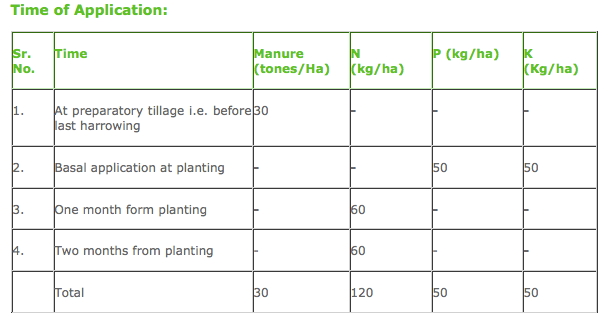
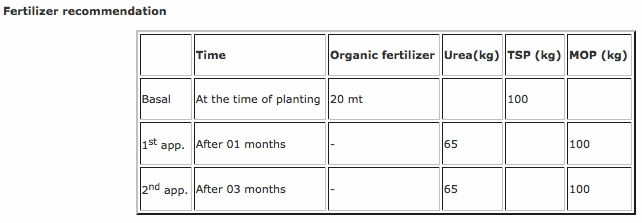
- cattle manure
- cow dung
- neem cake
- neem oil
- polythene sheets
- copper vessels
- galvanized iron vessels
- earthen vessels
- bamboo mat
Mechanisms of Action
- Improved nutrient availability through organic matter
- Reduced pest load via neem oil and biological agents
- Enhanced rhizome development with proper spacing and irrigation
- Disease suppression by solarisation of beds
Applications
- Food spice production
- Medicinal plant cultivation
- Essential oil extraction
Claimed Performance
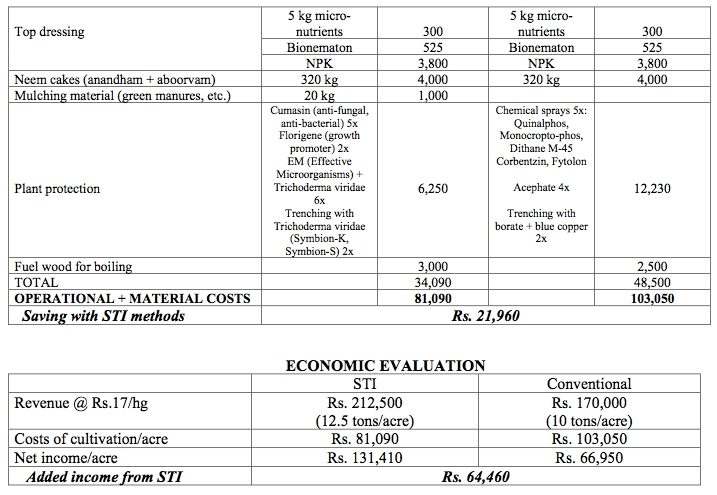
Yield of 8,000-10,000 kg per acre under normal conditions; up to 12,000 kg per acre with abundant manuring and irrigation.
Experimental Evidence
The article reports observed yields ranging from 8,000 to 12,000 kg per acre based on field practice and farmer reports.
Replication Status
Practices are described as standard field guidelines used by farmers and research studies.
Limitations
- Labor-intensive manual planting and harvesting
- Dependence on humid, tropical climate
- Yield variation with soil type and irrigation frequency