Goal
Promote regeneration of damaged brain tissue by stimulating neural stem cell proliferation and neuronal differentiation.
Problem
Neurodegenerative diseases and brain injury requiring neuronal repair.
Concept Summary
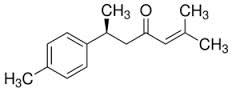
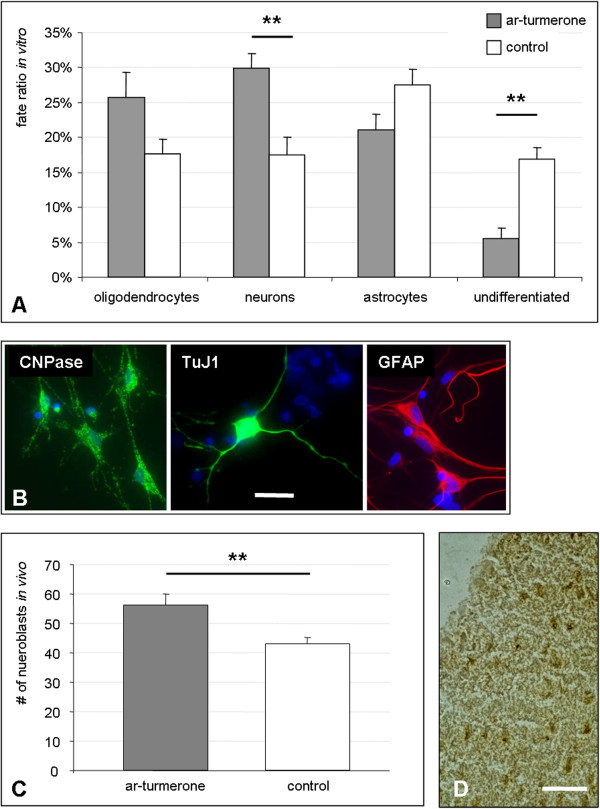
Ar-turmerone, a fat-soluble terpene from turmeric, was shown to increase neural stem cell (NSC) proliferation and promote differentiation into neurons both in cultured rat cells and in adult rat brains after intracerebroventricular injection. The effect was demonstrated using cell counts, Ki-67 mRNA expression, PET imaging with [18F]FLT, and histological analysis, indicating its potential as a neuroregenerative drug candidate.
Principles
- Induction of neural stem cell proliferation
- Promotion of neuronal differentiation
- Dose-dependent biological response
Scientific Domains
Materials
- Ar-turmerone
- Turmeric volatile oil
- Petroleum ether
- Ethyl acetate
- Methanol
- Water
- Silica gel
Mechanisms of Action
- Activation of NSC proliferation pathways (e.g., Ki-67 up-regulation)
- Enhancement of neurogenesis in subventricular zone and hippocampus
Applications
- Therapeutic agent for neurodegenerative disorders
- Adjunct treatment for brain injury recovery
- Potential health-food supplement for stress-related neuronal protection
Claimed Performance
Dose-dependent increase in NSC proliferation (p < 0.01) and significant neurogenesis in vivo (p < 0.05).
Experimental Evidence
In vitro cell culture assays showing NSC proliferation and differentiation; in vivo rat study with intracerebroventricular injection of ar-turmerone, PET imaging ([18F]FLT) and histology confirming mobilization of NSCs in SVZ and hippocampus.
Replication Status
Single study reported; no independent replication mentioned.
Limitations
- Evidence limited to rodent models
- No human clinical data reported
- Delivery method (intracerebroventricular injection) not practical for routine use