Confidence
0.90
Practicability
0.60
Evidence
0.30
Fringe Score
0.20
Risk
0.20
TRL
4
Goal
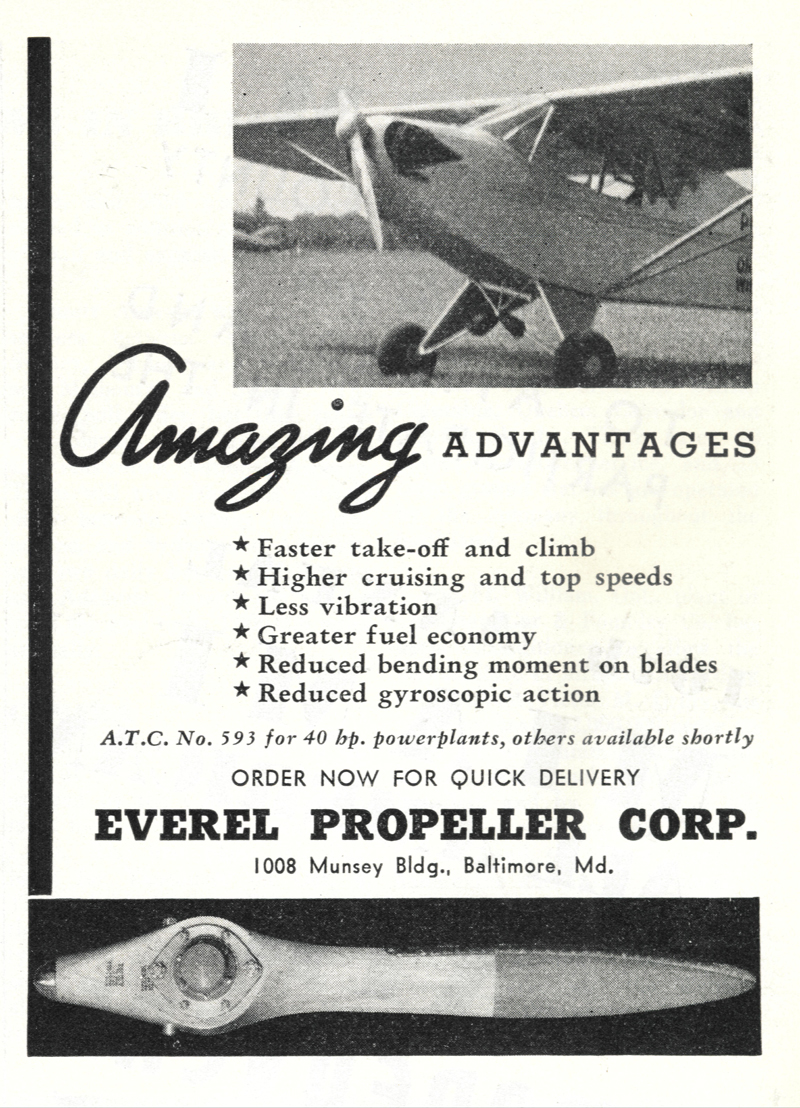
Provide a compact, efficient aircraft propeller with higher efficiency, reduced bending and gyroscopic stress, and lower vibration.
Problem
Imbalance forces, vibrations, and structural stress in conventional multi-blade propellers; need for a retractable, lightweight propulsion unit for motorized gliders.
Concept Summary
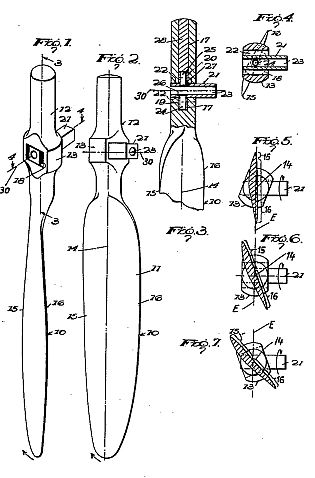
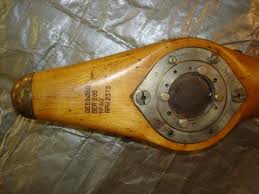
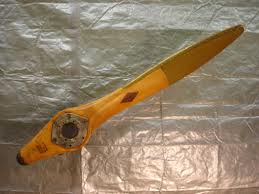
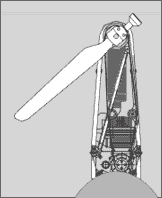
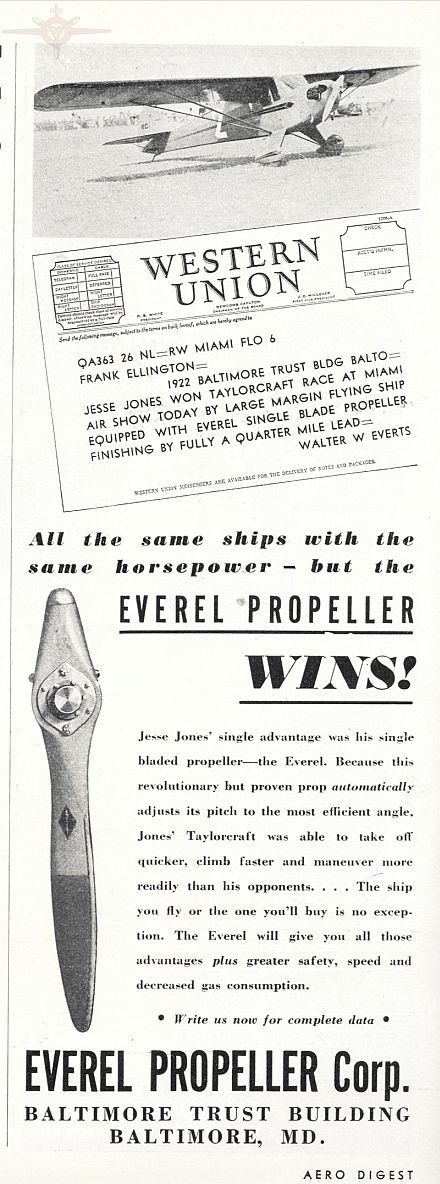
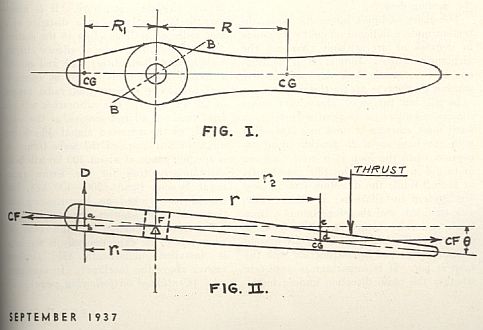
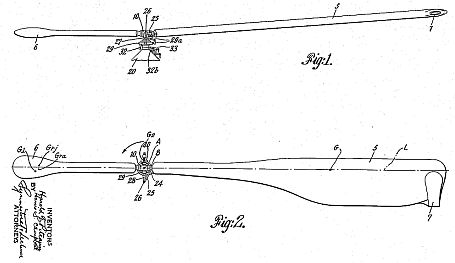
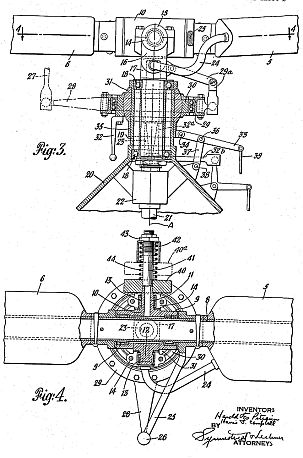
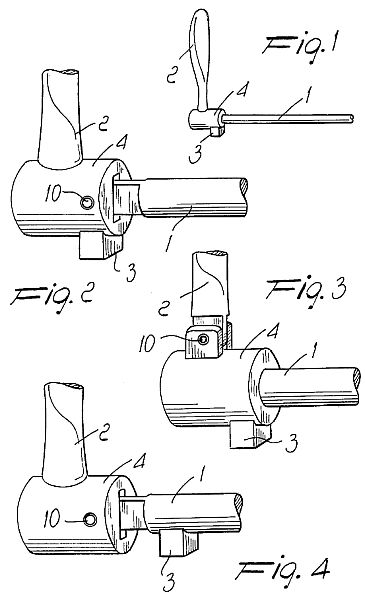
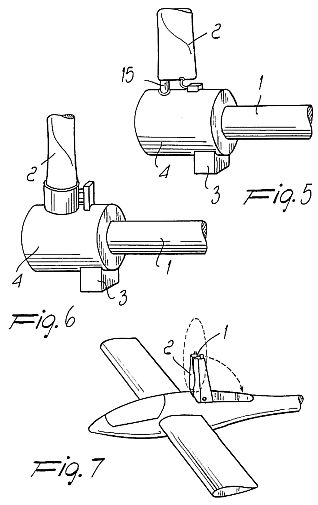
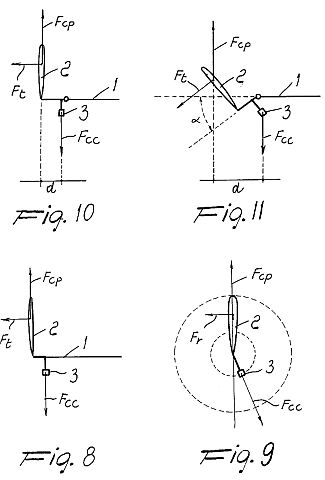
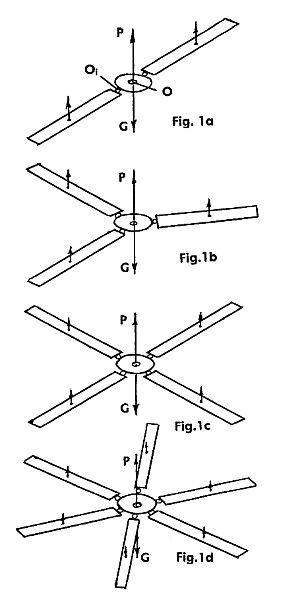
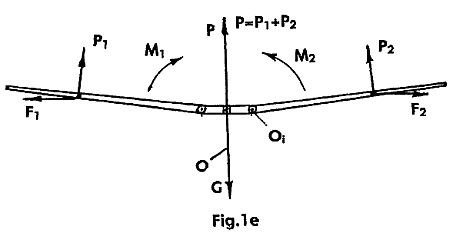
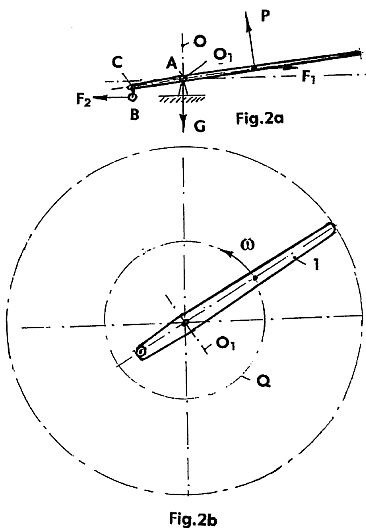
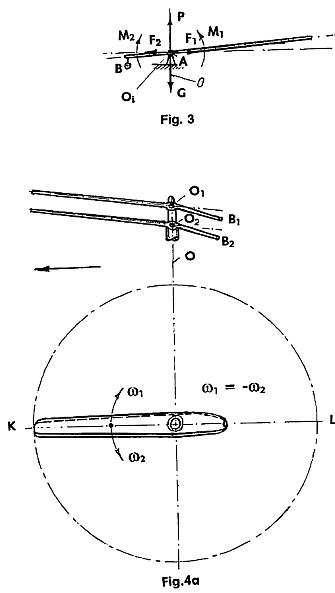
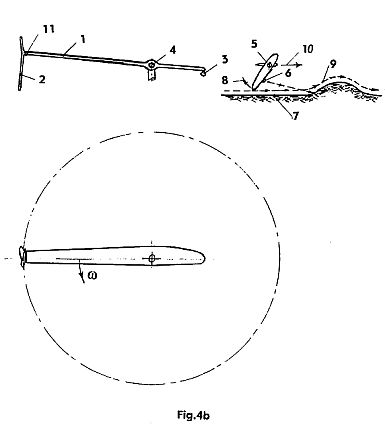
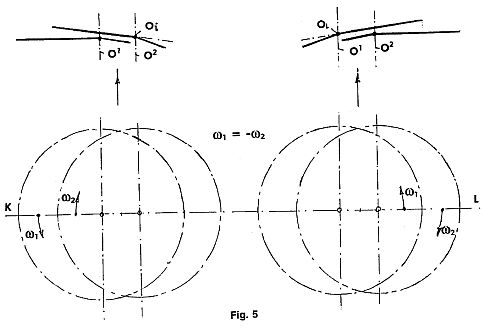
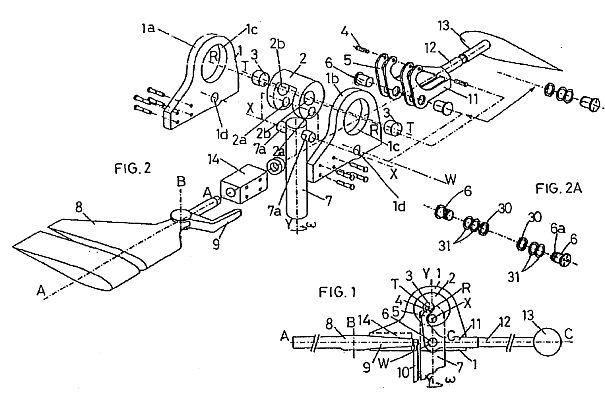
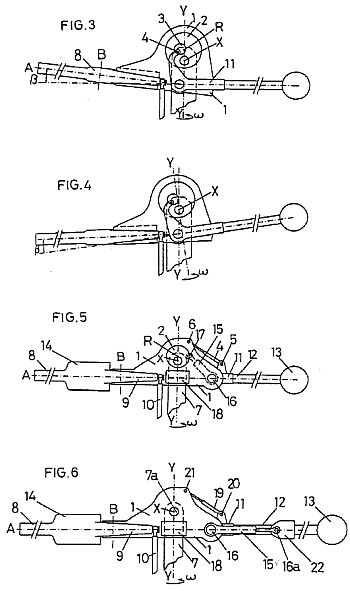
A single-blade propeller paired with a diametrically opposite counterweight whose centre of gravity is axially offset. The offset (and optional pivots) creates a balancing moment that compensates centrifugal and traction forces, allowing automatic vibration reduction and efficient thrust.
Principles
- Counterweight balancing
- Axial offset of counterweight
- Centrifugal force based moment compensation
- Dynamic pivot allowing blade oscillation
- Variable pitch adjustment
Scientific Domains
Mechanisms of Action
- Centrifugal force on blade and counterweight generates a balancing moment
- Axial offset of counterweight adjusts the moment to match traction force variations
- Pivot mechanisms let the blade oscillate, changing the axial offset dynamically
- Variable pitch changes thrust without altering motor speed
Energy Sources
Applications
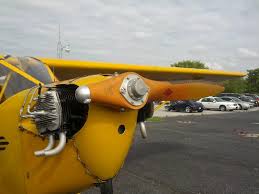
- Powered gliders
- Light aircraft
- Unmanned aerial vehicles (drones)
Claimed Performance
Higher efficiency, smoother operation, reduced bending and gyroscopic stress compared with conventional multi-blade propellers.
Limitations
- Requires precise counterweight balancing
- Complex pivot mechanisms may increase maintenance
- Effectiveness may be limited to low-power applications