Goal
Generate metal powders directly from distilled water using a plasma discharge and recover useful elements from industrial waste gases.
Problem
Need for efficient, low-emission metal production and complete purification of furnace exhaust gases while extracting valuable metals.
Concept Summary
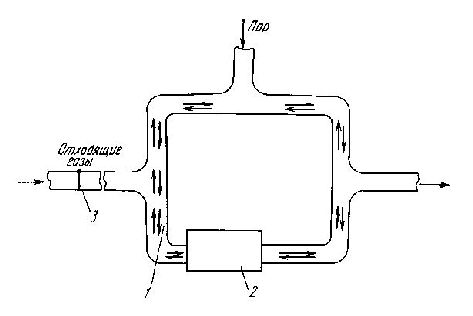
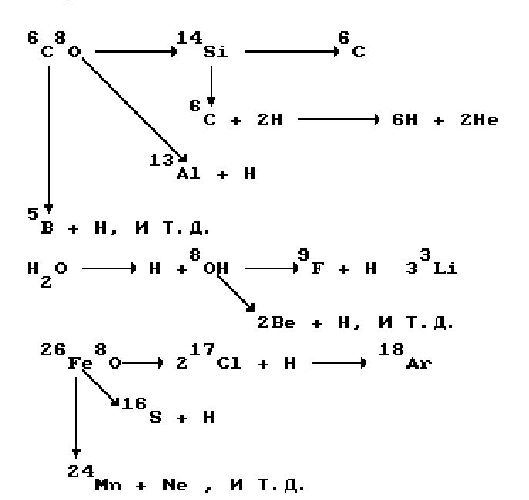
A plasma torch passes distilled water (or a slurry) through a high-energy discharge, creating a super-dense quantum plasma ("eltons") that can transform the constituent atoms into a wide range of metallic powders. The same principle is applied to waste-gas streams, where combined electric currents and magnetic-field pulses cause atomic fragmentation and recombination into useful metal oxides and elemental powders, achieving >99 % gas purification.
Principles
- High-energy plasma discharge
- Electric arc with pulsed high-current density
- Magnetic field-induced thermodynamic conditions
- Formation of super-dense quantum plasma clusters (eltons)
- Atomic fragmentation and recombination
Scientific Domains
Materials
- Distilled water
- Steam
- Metal oxides present in waste gases
- Resulting metal powders
Mechanisms of Action
- Distilled water is vaporised and ionised in a plasma torch, producing a slurry of metal powders.
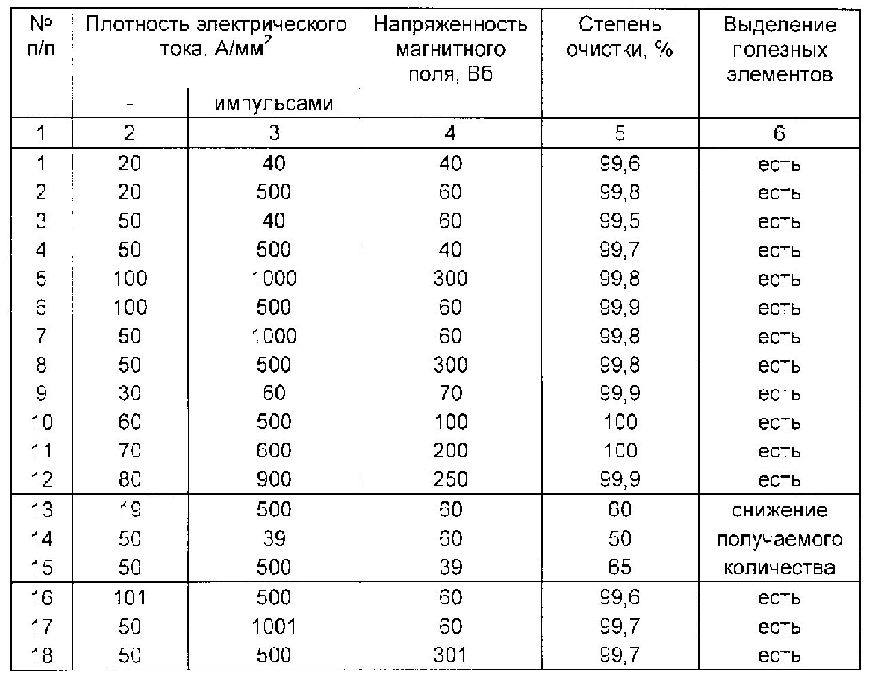
- Pulsed electric currents (20-100 A/mm^2) and magnetic field pulses (40-300 Wb) create conditions where gas molecules dissociate and atoms recombine into new metallic elements.
- Elton clusters act as carriers of charge and mass, enabling low-energy (~30 eV/atom) atomic transformations.
Energy Sources
Applications
- Direct synthesis of metal powders for manufacturing
- Recovery of valuable elements from industrial exhaust
- Environmental cleaning of furnace gases
Claimed Performance
Purification of waste gases to >99 % purity; production of metal powders containing elements across the periodic table; energy per atom estimated at ~30 eV (vs. ~10 MeV for nuclear reactions).
Experimental Evidence
Patent description reports laboratory and limited industrial testing achieving 99.5 % gas utilization; conference abstract describes observation of elton formation and associated radiation; anecdotal reports of a stable plasma unit producing a broad spectrum of metal powders.
Replication Status
No independent replication documented; evidence limited to patent filings, conference abstracts, and Russian-language news reports.
Limitations
- Lack of quantitative performance data
- Unclear energy balance and cost analysis
- No peer-reviewed publications
- Potential high electrical power consumption
Red Flags
- Claims of atomic transformation without nuclear reactions are not supported by mainstream physics
- Evidence consists mainly of patent language and non-peer-reviewed abstracts
- No independent replication or third-party validation