Goal
Discharge atmospheric electricity over large distances and produce high-energy electrical discharges, with secondary effects such as atmospheric heating and climate disruption.
Problem
Inability to control or harness atmospheric electric charges and to transmit energy remotely through the air.
Concept Summary
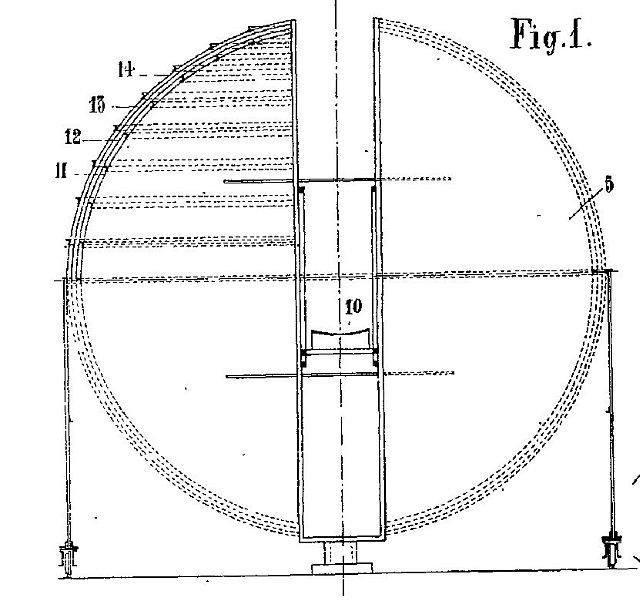
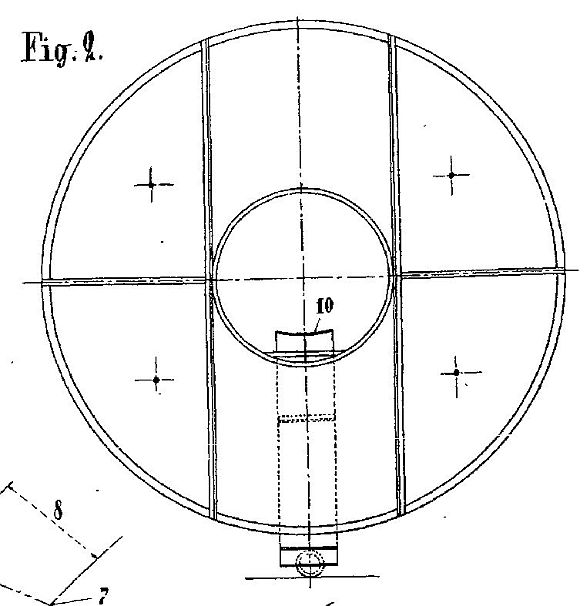
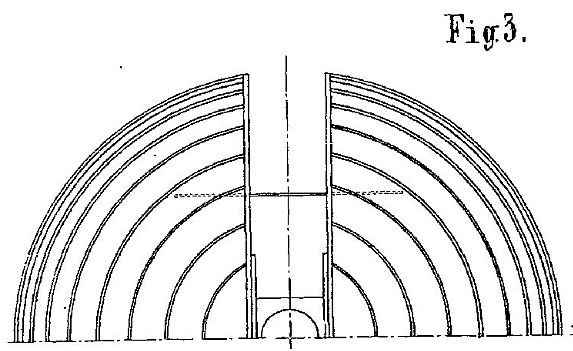
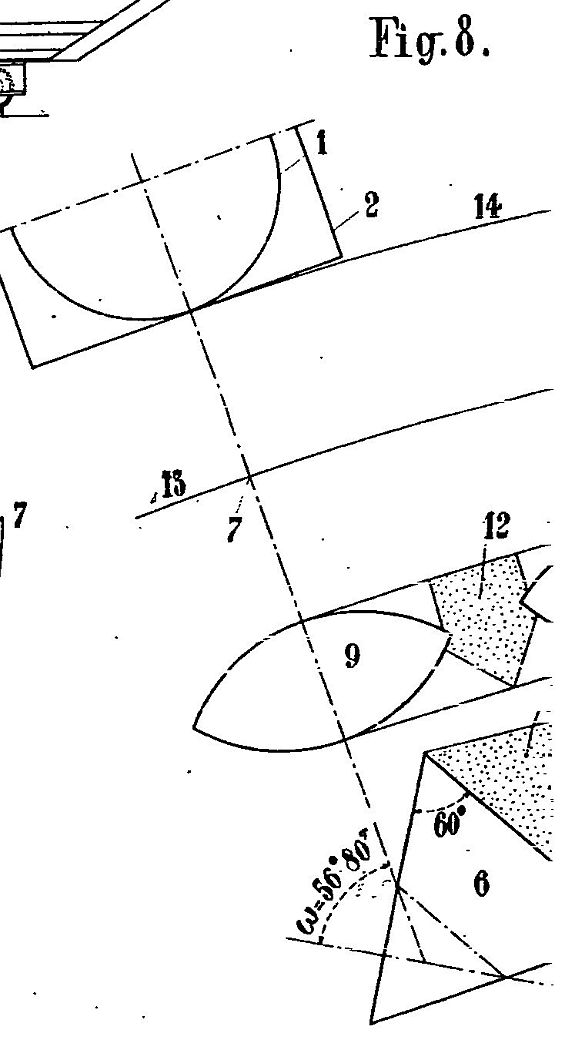
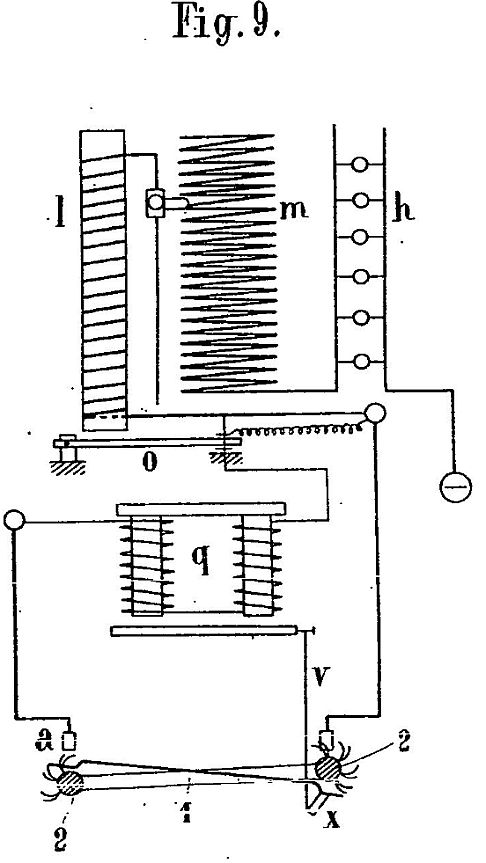
The invention combines a high-intensity ultraviolet (UV) lamp with a modulated radio-frequency (RF) beam guided by a waveguide surrounding the UV beam. UV photons ionize air molecules, creating free electrons and ions. The RF field accelerates and transports these charged particles, amplifying the initial beam and allowing it to propagate over very long distances. When the amplified beam reaches a target, it triggers a large electrical discharge, producing thermal, photic, and atmospheric effects. At lower power the device is claimed to heat the atmosphere and influence weather patterns.
Principles
- Photoionization of air molecules by UV radiation
- RF-driven acceleration of electrons
- Charge separation and collection in atmospheric plasma
- Amplification of electromagnetic beam via atmospheric conductivity
Scientific Domains
Materials
- High-intensity ultraviolet lamp
- Metal reflector
- Mica plate (insulator)
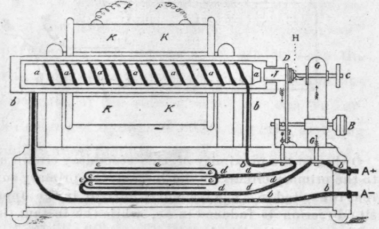
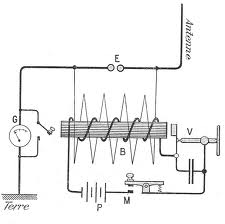
- Ruhmkorff coil
- Electrodes
Mechanisms of Action
- UV photons break molecular bonds, creating free electrons and positive ions
- RF waveguide transports and modulates the electron sheath
- Resulting plasma conducts a large current, producing a discharge at the target
- Increased atmospheric conductivity under UV exposure enhances beam propagation
Energy Sources
Applications
- Remote atmospheric electricity discharge
- Weather modification
- Long-range energy transmission
Claimed Performance
Discharges up to a 5-kilometre radius; beam amplification over "enormous distances"; ability to heat the atmosphere and induce weather phenomena such as tornadoes and rain.
Experimental Evidence
The author cites measurements of atmospheric electric field strength, ion density, and conductivity using devices by Ebert and Gerdien, and reports that UV illumination increases air conductivity, but provides no quantitative data on beam range or discharge energy.
Limitations
- No peer-reviewed experimental data demonstrating claimed range
- Dependence on atmospheric conditions and ion density
- Potential safety hazards from uncontrolled high-voltage discharges
Red Flags
- Extraordinary claims (kilometre-scale discharges, weather control) without quantitative validation
- Potential for misuse as a weaponized weather-modification system