Confidence
0.85
Practicability
0.70
Evidence
0.30
Fringe Score
0.20
Risk
0.20
TRL
5
Goal
Provide an energy-efficient internal combustion engine with clean exhaust.
Problem
High fuel consumption and polluting exhaust of conventional internal-combustion engines.
Concept Summary
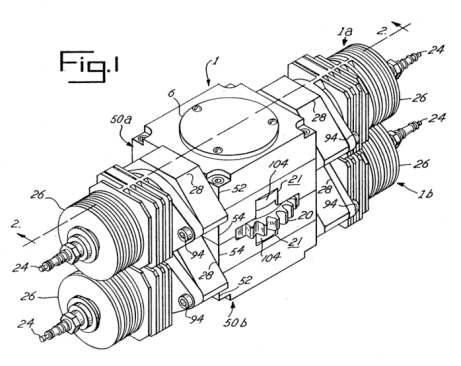
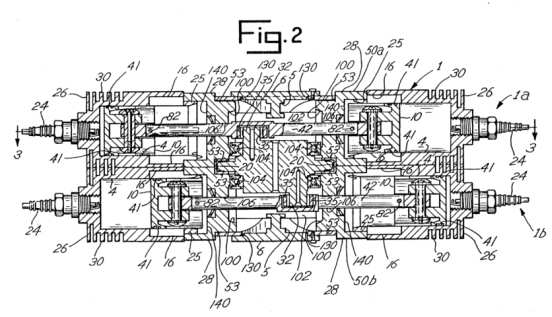
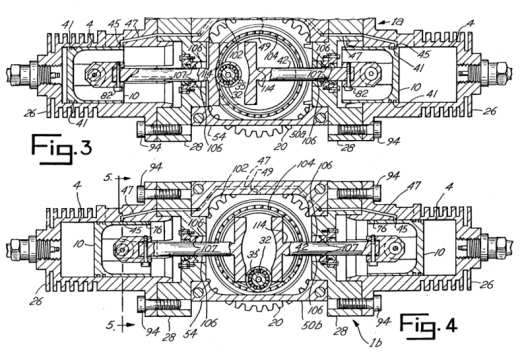
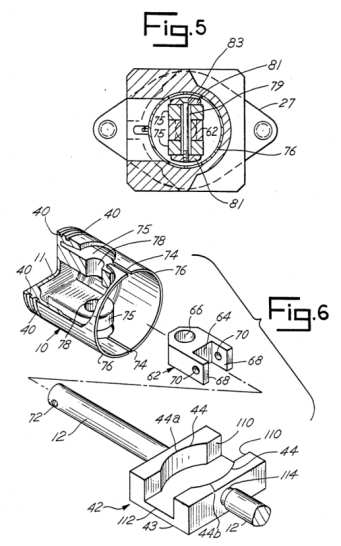
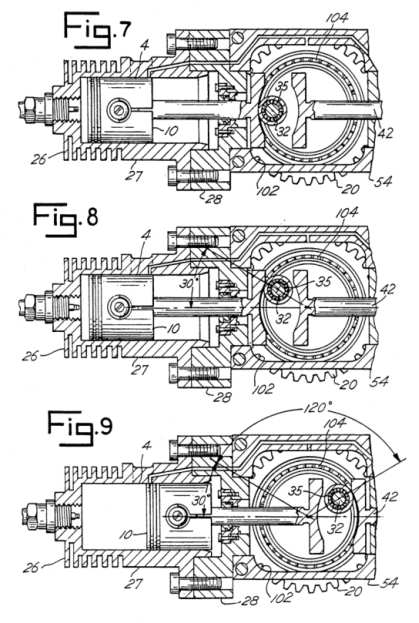
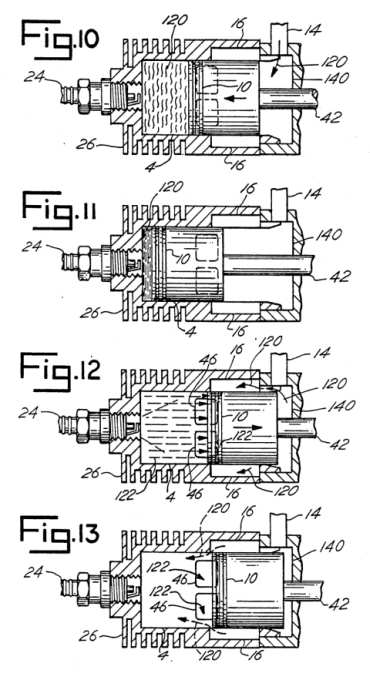
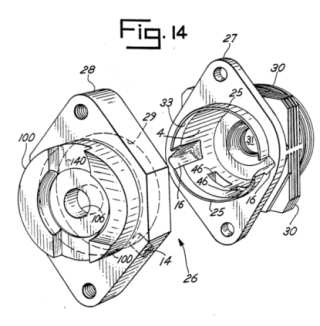
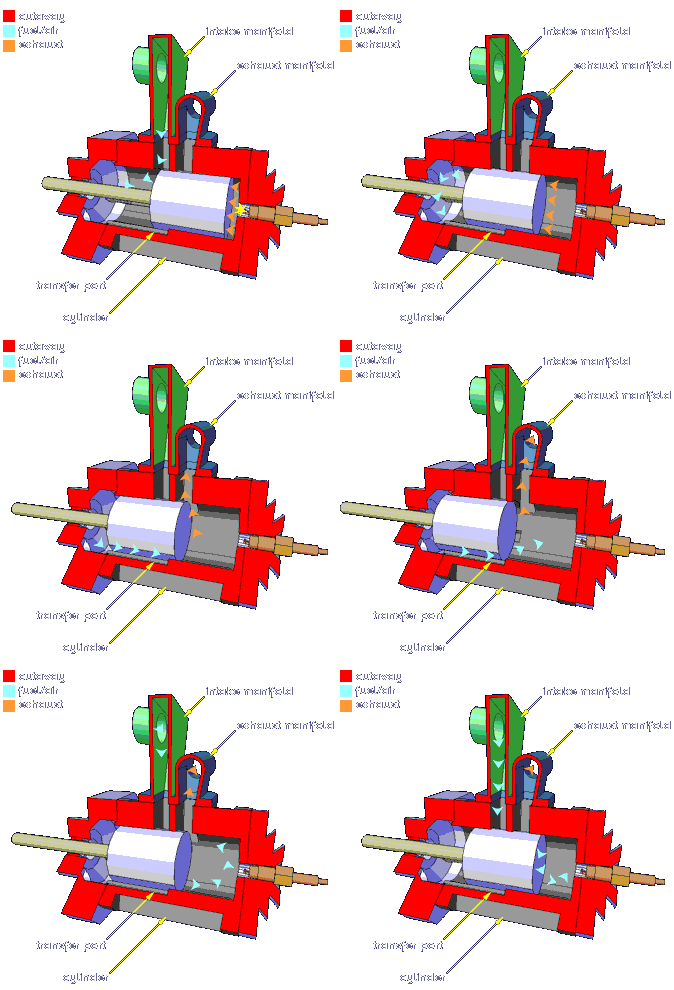
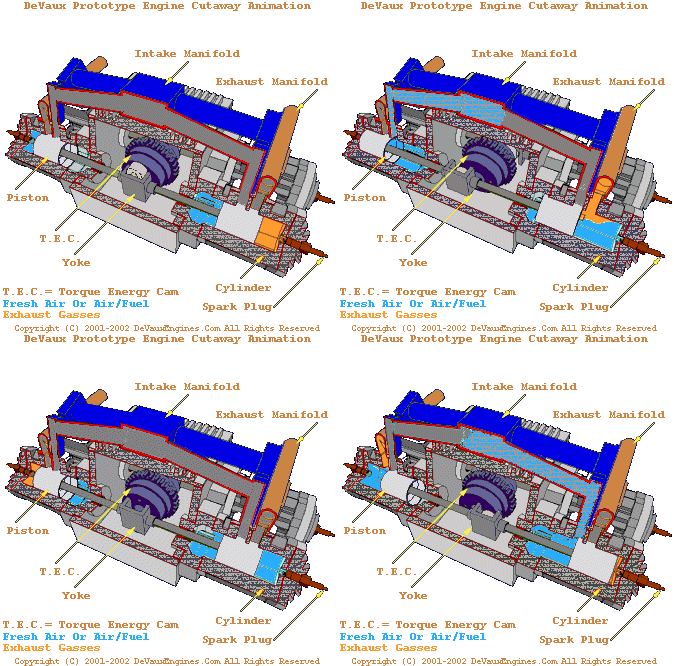
The Bourke Engine uses a dwelling Scotch-yoke mechanism combined with a journalled flywheel to stall the translatory motion of opposing pistons during the power stroke, maintaining a fixed volume above the pistons for complete fuel-air combustion. The flywheel also functions as an oil pump, and sealed cylinder end walls increase fuel-mixture density. Exhaust ports are timed to open only after the power stroke, yielding a longer effective stroke and higher horsepower.
Principles
- Dwelling Scotch-yoke cam profile
- Flywheel-driven cam follower
- Stalling piston translation during detonation
- Sealed cylinder end walls for mixture densification
- Delayed exhaust port opening
Scientific Domains
Materials
- Steel
- Cast iron
- Aluminum
- Lubricating oil
Mechanisms of Action
- Maintains a fixed volume above pistons during combustion
- Increases fuel-mixture density by sealing cylinder end walls
- Uses flywheel rotation to pump lubricating oil
- Times exhaust port opening to after power stroke
Energy Sources
Applications
- Lawn mowers
- Diesel electricity generators
Claimed Performance
Very clean exhaust, highly energy-efficient operation, increased horsepower compared with conventional cylinders.
Limitations
- No quantitative performance data provided
- Complex cam-profile manufacturing