Goal
Reduce the physical size of antennas while preserving or improving sensitivity and bandwidth.
Problem
Conventional quarter-wave antennas are large, especially at low frequencies, limiting installation and integration into compact devices.
Concept Summary
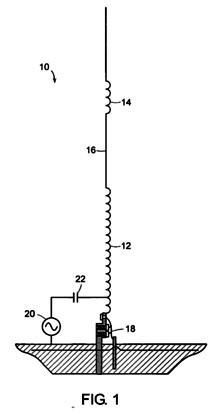
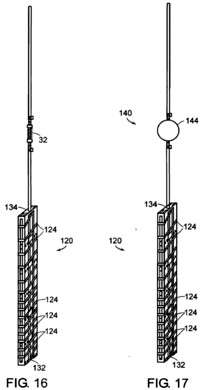
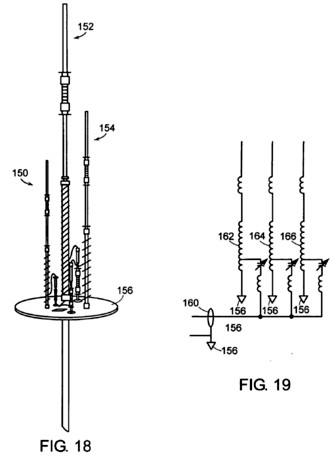
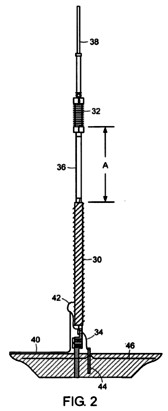
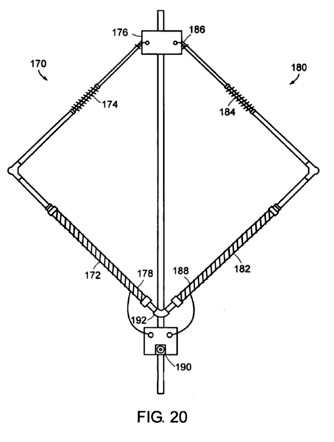
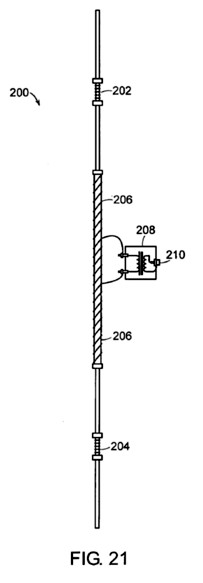
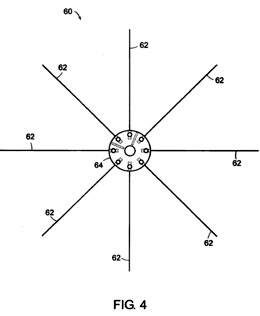
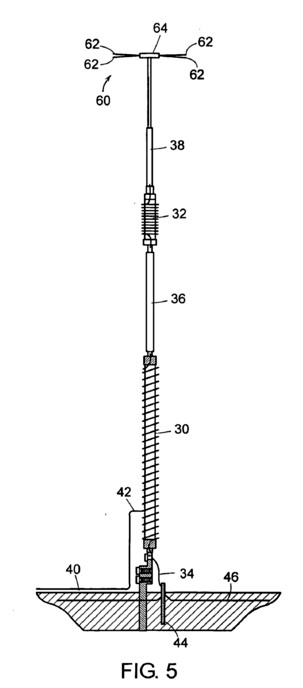
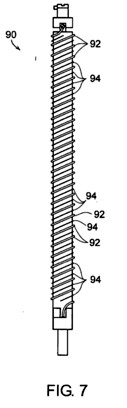
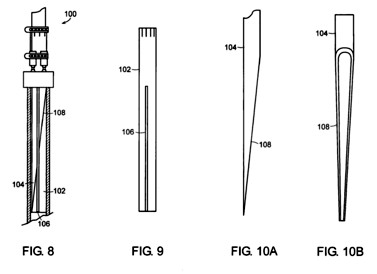
The DLM antenna uses a four-section structure (inductive helix, capacitive mid-section, inductive load coil, capacitive top-section) to distribute capacitance along the mast and cancel the normal inductive loading of a quarter-wave monopole. This linearizes the current distribution, allowing the antenna to be 30-70 % shorter while maintaining equivalent radiated power and providing a wider bandwidth.
Detailed Description
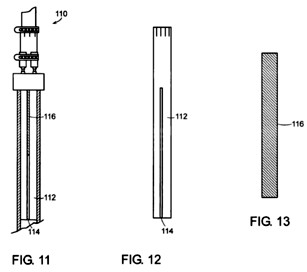
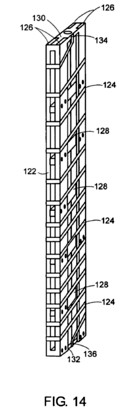
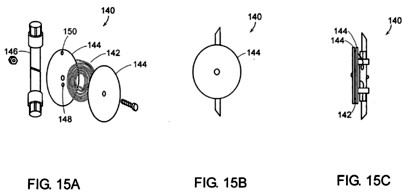
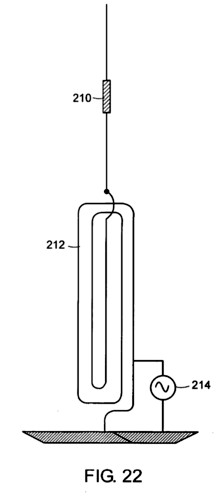
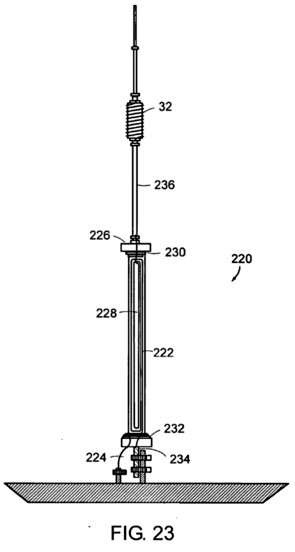
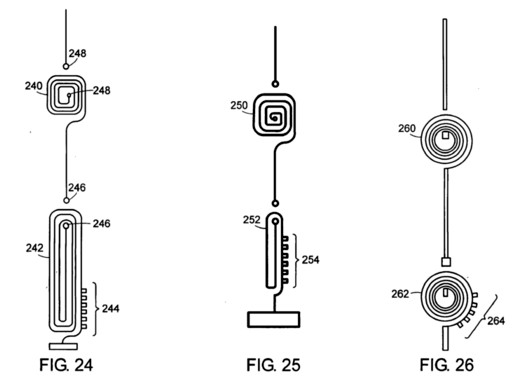
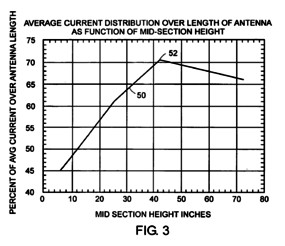
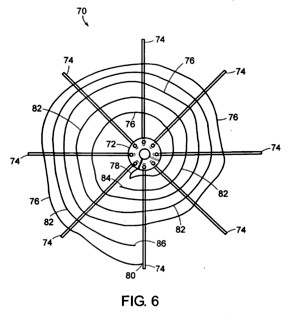
The design consists of a helix radiator that provides the primary radiating element, a load coil placed mid-mast to supply the required inductance, and capacitive sections at the mid- and top-positions that create distributed capacitance. By carefully selecting the inductance and capacitance values, the antenna's input impedance is matched to 50 Omega without external matching networks. The distributed loading reduces the current taper along the antenna, keeping the current near the base at 80 % of the value at the top, which improves efficiency. The concept is scalable: halving all component dimensions doubles the resonant frequency, and the planar helix variant enables GHz-band implementations using thin-film processes. Independent testing at the Naval Undersea Warfare Center (7-27 MHz) demonstrated equal sensitivity to a standard quarter-wave monopole at 50 % of its height and nearly double the bandwidth.
Principles
- Distributed capacitance
- Inductive loading cancellation
- Current distribution linearization
- Impedance matching through distributed loading
Scientific Domains
Materials
- Copper wire (helix and load coil)
- Conductive radial ground plane (copper or aluminum)
- Insulating support structure (plastic/ fiberglass)
Mechanisms of Action
- Cancels normal inductive loading of a monopole
- Adds distributed capacitance to reduce required inductance
- Uses helix geometry to provide a compact radiating element
Applications
- Cell-phone antennas
- AM broadcast antennas
- RFID tags
- Portable communication devices
Claimed Performance
30-70 % reduction in physical length relative to an ideal quarter-wave monopole, equivalent sensitivity, and roughly twice the bandwidth.
Experimental Evidence
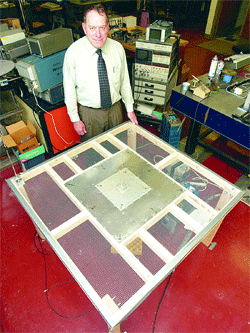
Independent tests at the Naval Undersea Warfare Center (Fishers Island) on antennas from 7 MHz to 27 MHz showed equal sensitivity at 50 % of the quarter-wave size and bandwidth nearly twice that of the reference antenna.
Replication Status
Independent Navy test results reported; no commercial scaling reported.
Limitations
- Performance depends on a high-quality ground system
- Precise coil and capacitance values are required
- Planar GHz-band helix may need specialized thin-film manufacturing