Confidence
0.60
Practicability
0.50
Evidence
0.40
Fringe Score
0.40
Risk
0.20
TRL
5
Goal
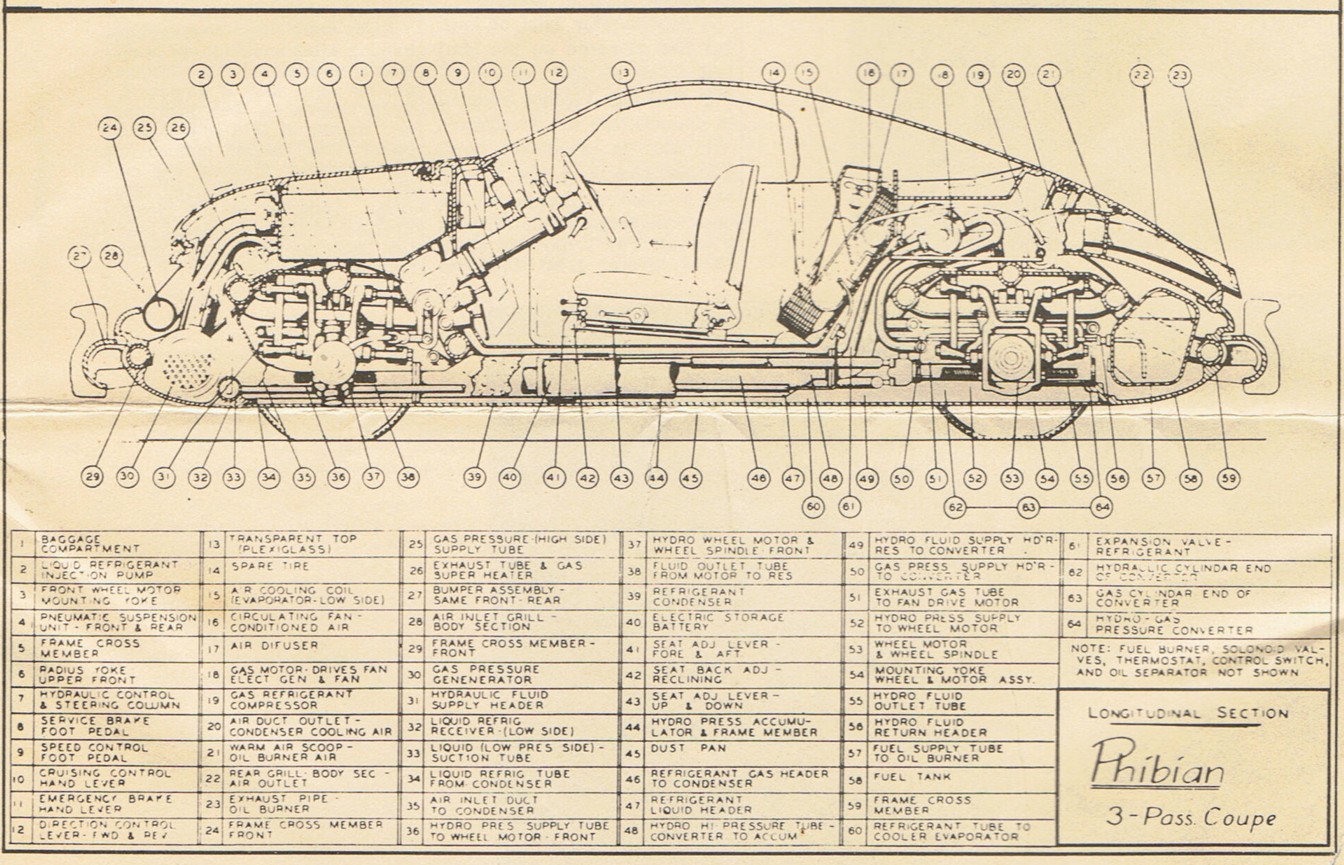
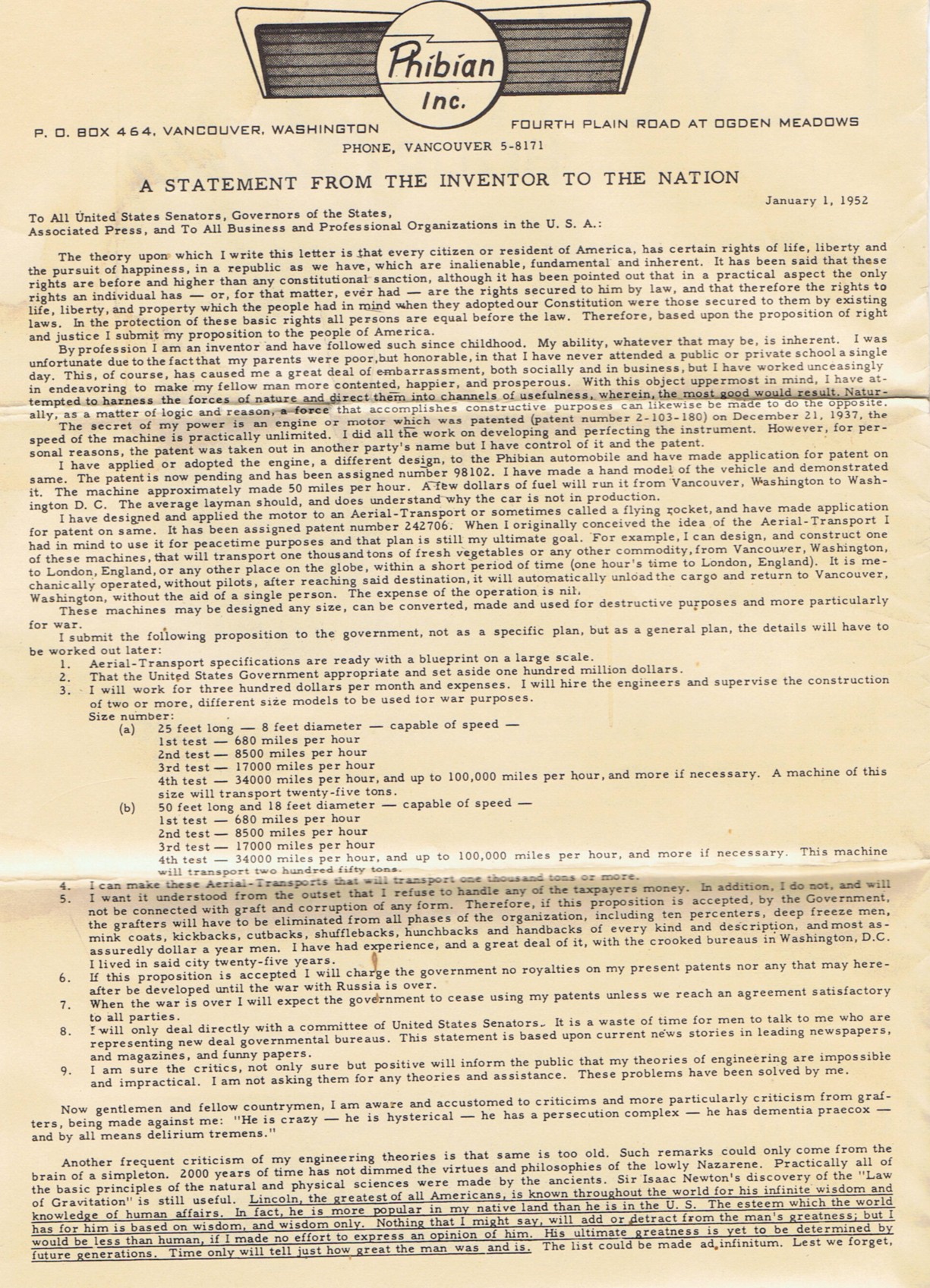
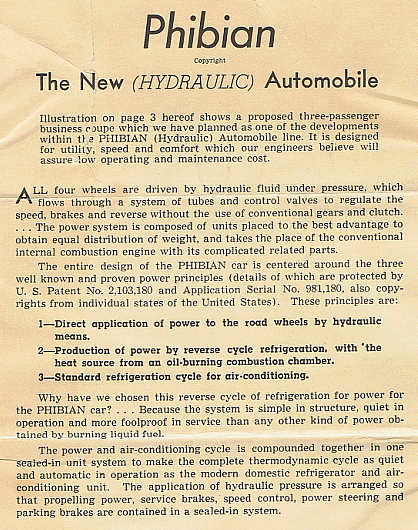
Convert heat from fuel combustion into hydraulic fluid motion to drive a motor with high efficiency and high miles-per-gallon.
Problem
Low fuel efficiency of conventional internal-combustion engines and the need for more efficient power conversion.
Concept Summary
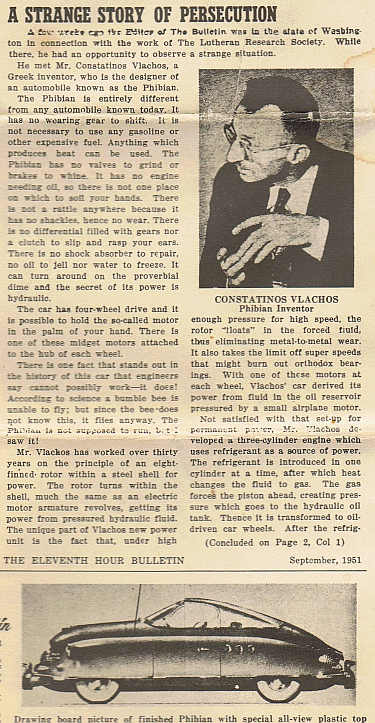
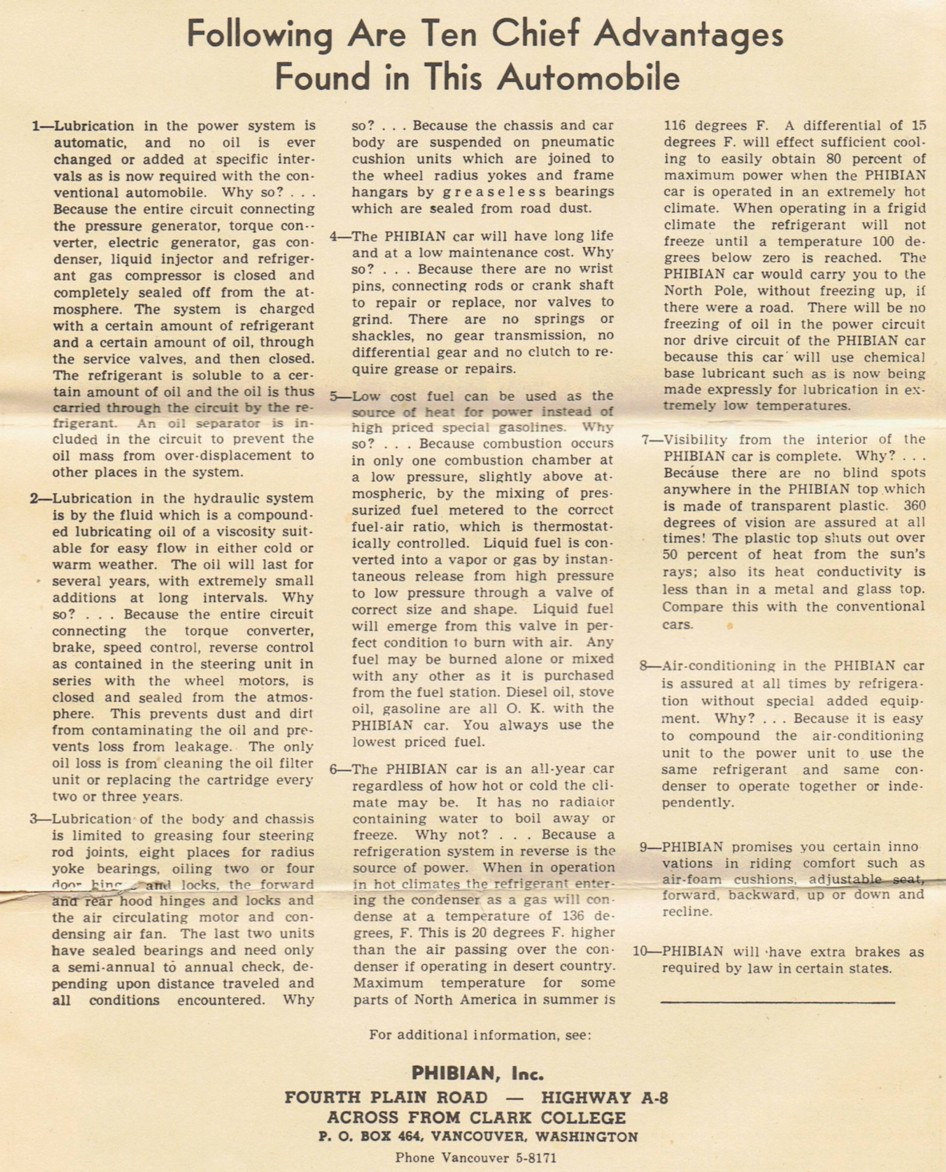
A novel power cycle in which any fuel is burned to heat a hydraulic fluid; the heated fluid expands and drives a hydraulic motor, claimed to deliver high therm efficiency and high vehicle mpg.
Principles
- Thermodynamics
- Hydraulic fluid expansion
- Heat-engine cycle
Scientific Domains
Materials
- Hydraulic fluid
- Metal alloys
Mechanisms of Action
- Combustion heating of hydraulic fluid
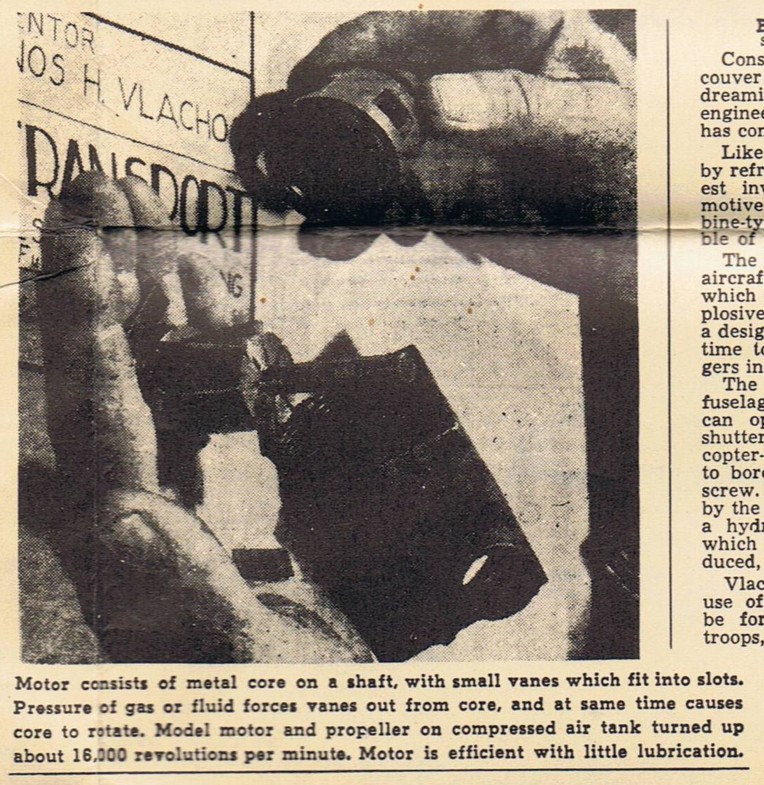
- Fluid expansion driving pistons or rotor
- Conversion of thermal energy to mechanical work
Energy Sources
Applications
- Automotive power plant
- Vehicle propulsion
Claimed Performance
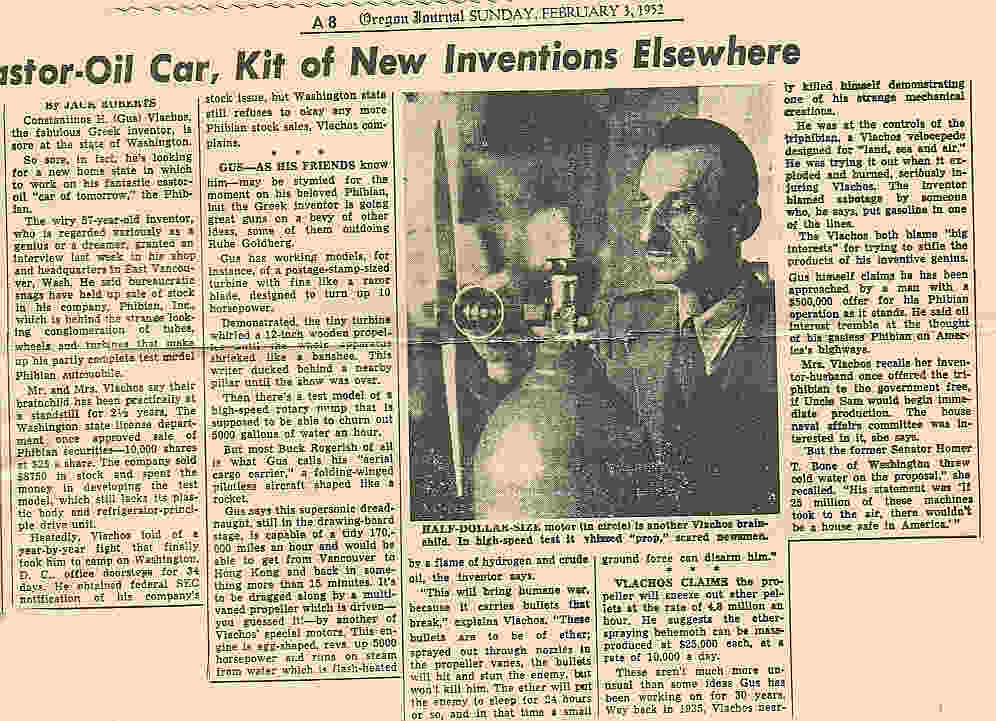
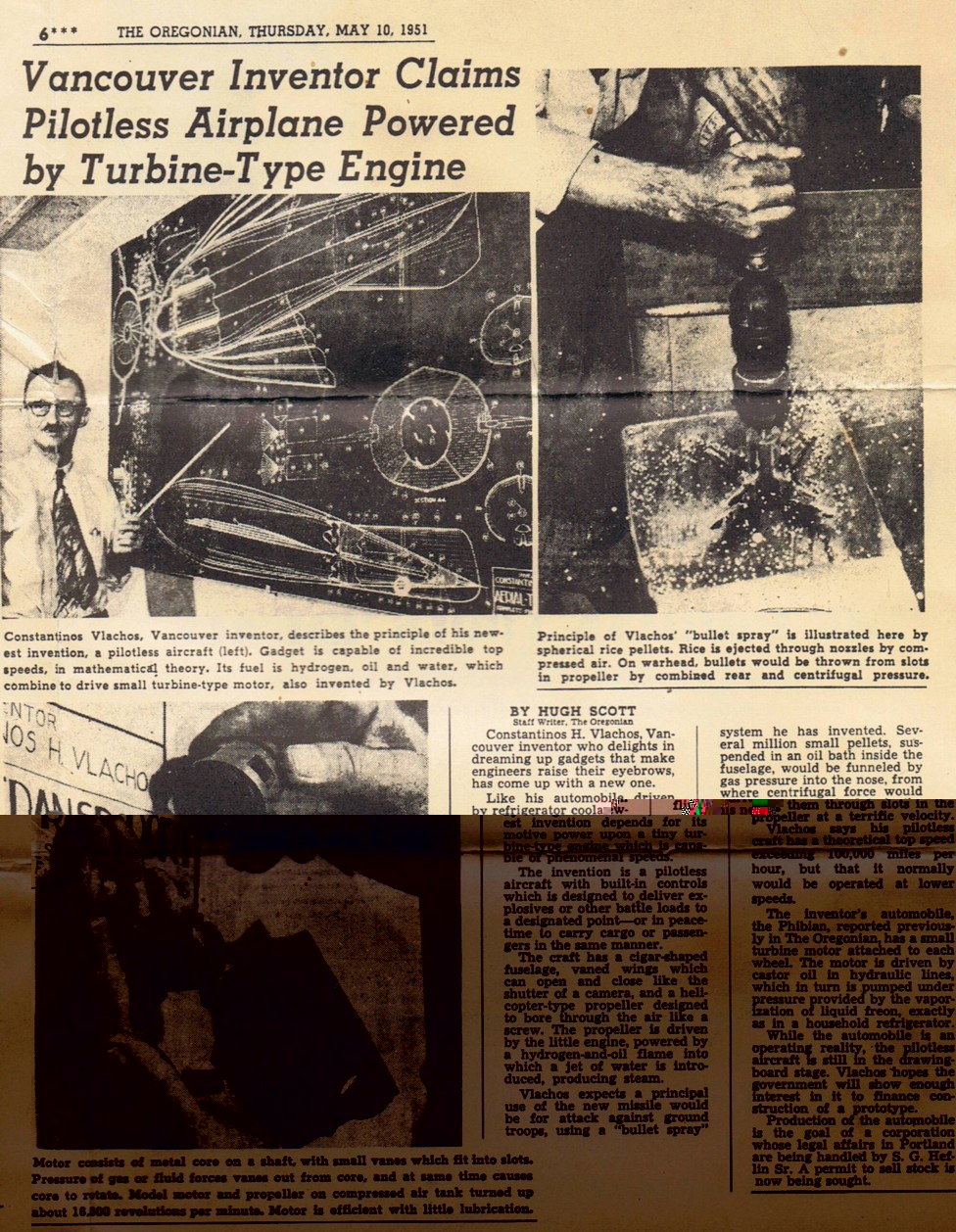
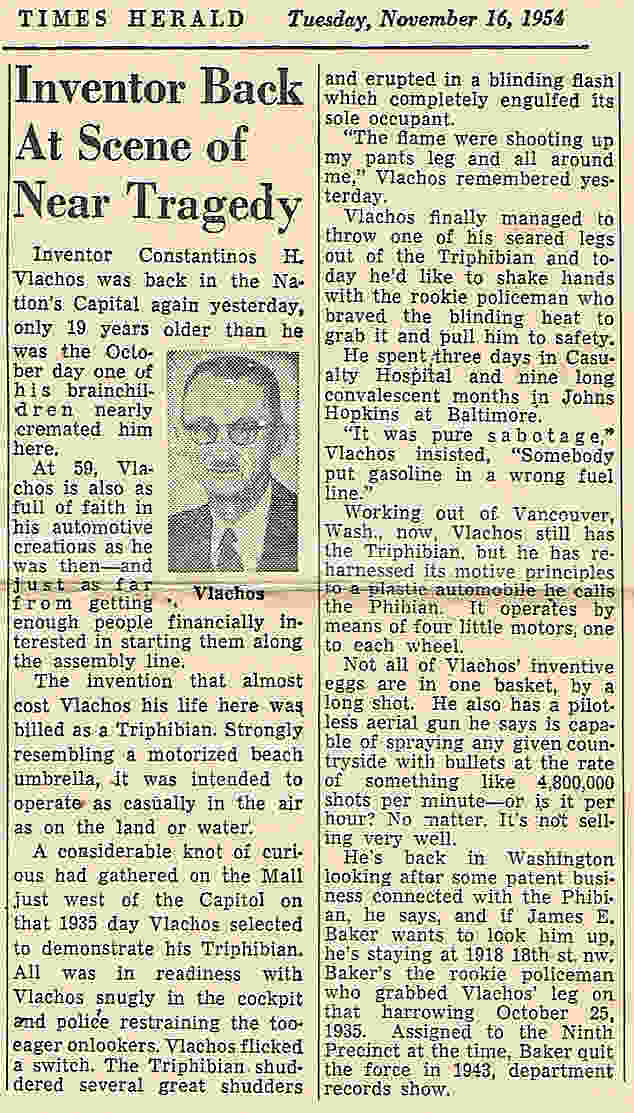
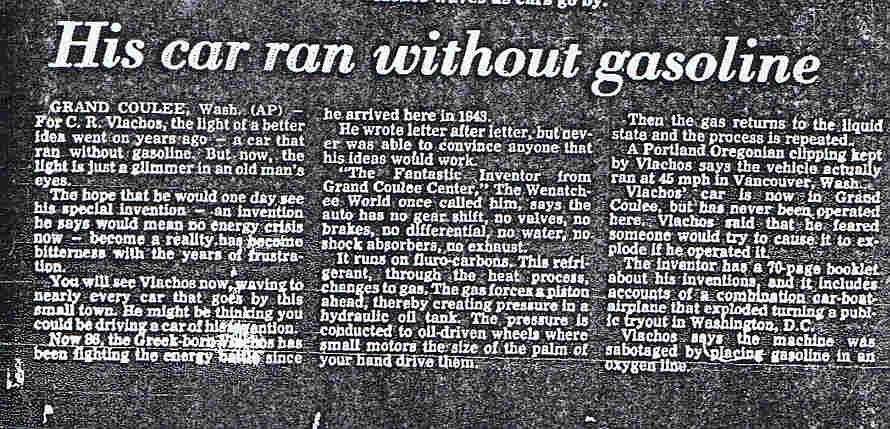
High efficiency, high mpg (as advertised in newspaper articles).
Experimental Evidence
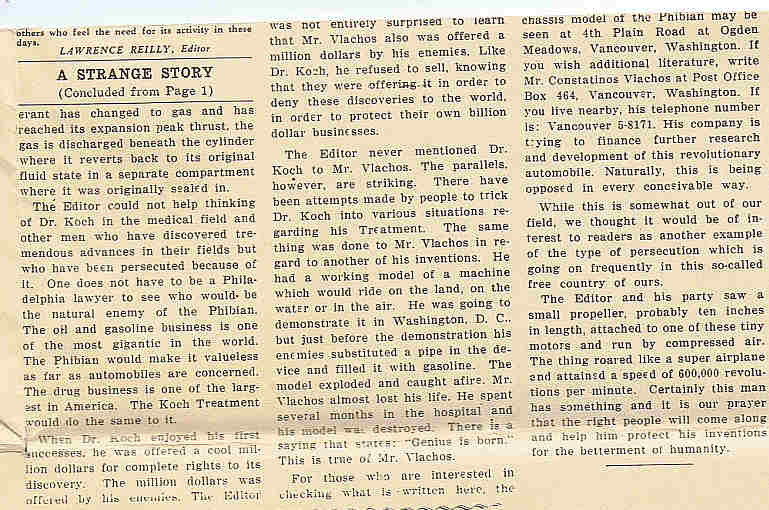
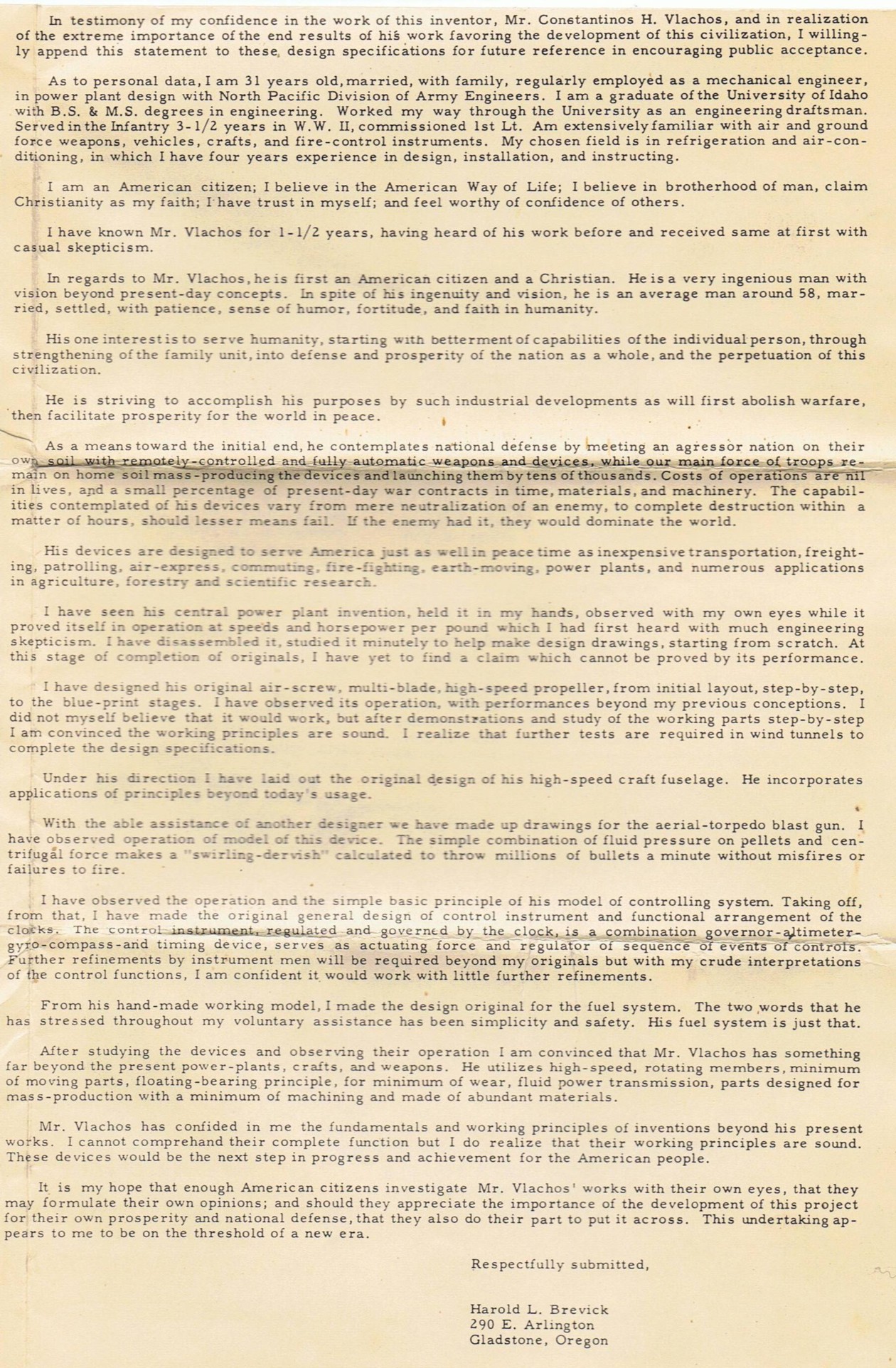
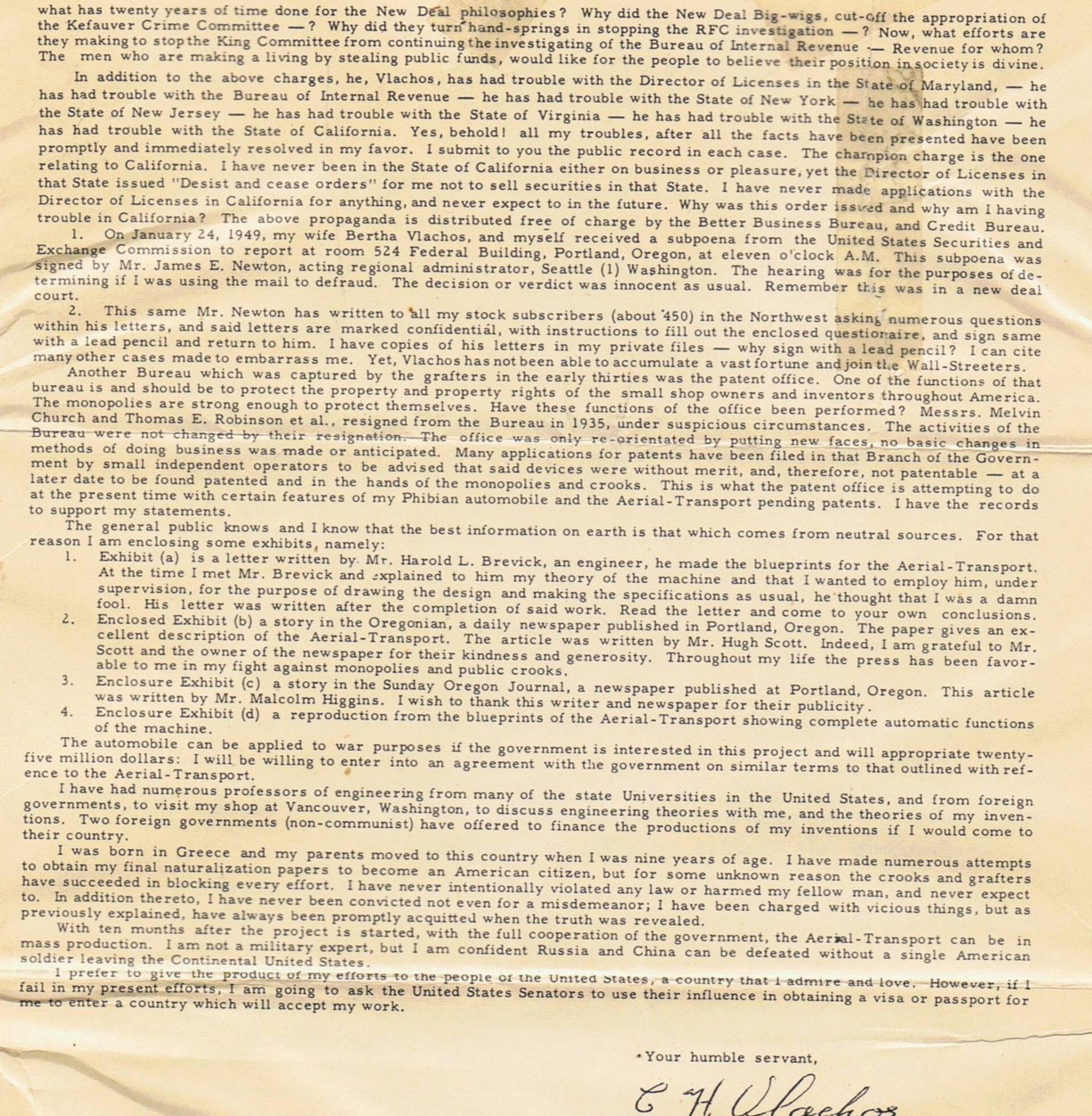
Brevick's testimonial and multiple newspaper reports claim successful operation of the thermohydraulic motor.
Limitations
- No quantitative performance data provided
- Scalability and durability not demonstrated
- Reliance on anecdotal testimonials
Red Flags
- Claims of high mpg without independent data
- Heavy reliance on newspaper articles and testimonials