Goal
Provide a lightweight, inexpensive, non-ferrous magnetic shield that deflects magnetic fields away from protected equipment, reducing magnetic interference.
Problem
Magnetic interference from power lines and electronic equipment causing image distortion, data errors, operator fatigue, and the drawbacks of traditional heavy, ferrous shielding materials (steel, mu-metal, etc.).
Concept Summary
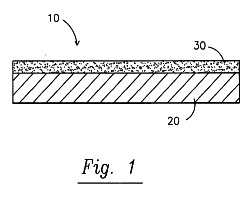
A powdered composite shielding material composed of coal slag, silver powder, a calcium-magnesium-zinc powder mixture, and silica powder (optionally nano-silver). The powder can be applied to any substrate as a coating or spray-able layer. The non-ferrous, non-magnetic composition is intended to deflect magnetic fields rather than trap them, avoiding saturation and reducing weight and cost.
Principles
- Magnetic field deflection
- Non-ferrous composite shielding
- Powder-based coating application
- Use of nano-silver for enhanced conductivity and reflectivity
Scientific Domains
Materials
- Coal slag
- Silver powder
- Calcium powder
- Magnesium powder
- Zinc powder
- Silica powder
- Nano-silver
Mechanisms of Action
- Deflection of magnetic field lines by non-magnetic composite layer
- Reflection of electromagnetic energy via silver particles
- Insulation provided by silica and coal slag matrix
Applications
- Electronic equipment shielding
- Medical device shielding
- Industrial machinery protection
- Power line interference mitigation
Claimed Performance
The shield deflects magnetic fields of high-power magnets and prevents magnetic saturation of the shielding material.
Limitations
- No quantitative performance data provided
- Exact chemical reactions during mixing are not understood
- Long-term durability and environmental stability not demonstrated
Red Flags
- Inventors admit they do not understand the exact reactions occurring when the chemicals are mixed
- Claims are made without supporting experimental data