Goal
Harvest electrical energy from living trees to power wireless sensor networks and other low-power devices.
Problem
Need for low-maintenance, battery-free power sources for remote environmental sensors where solar or wind is impractical.
Concept Summary
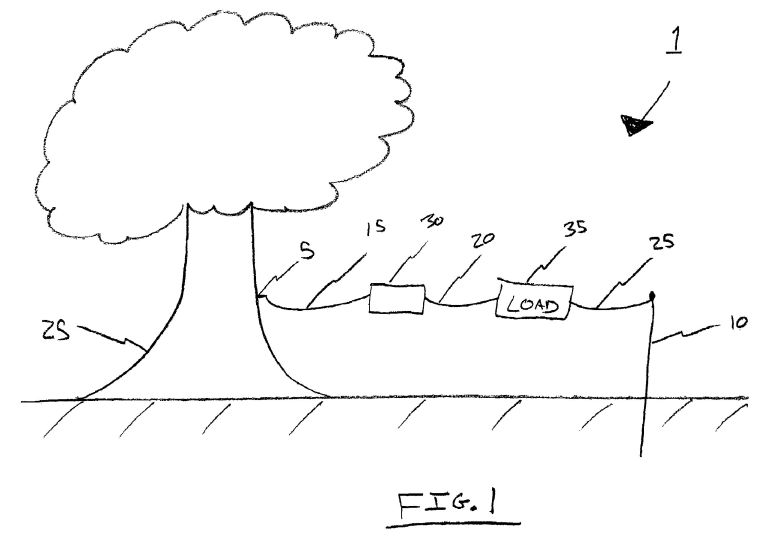
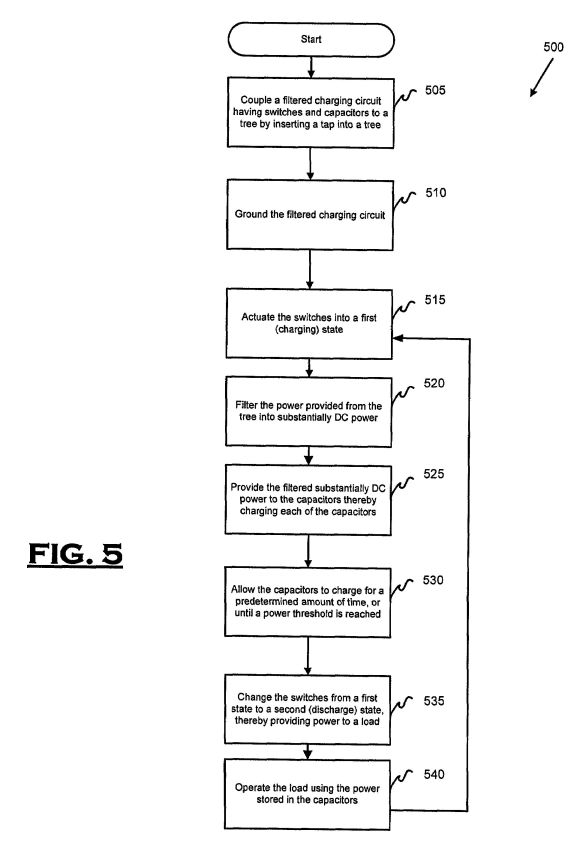
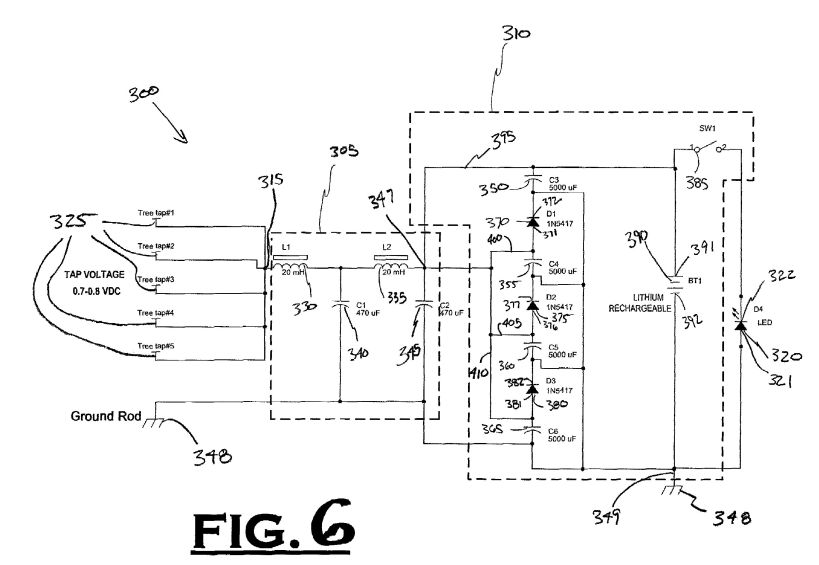
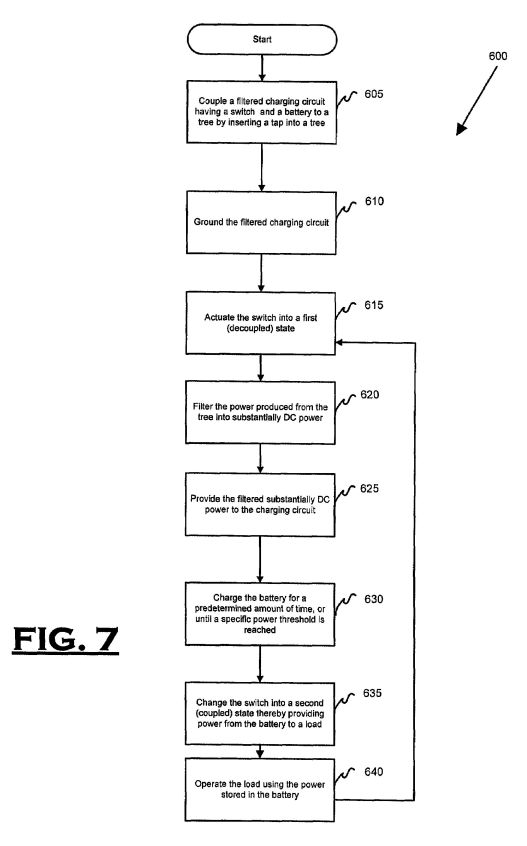
A conductive probe is inserted into a tree trunk and connected to a ground rod in the soil. The acidity difference between the tree and the soil creates a voltage (~=0.5-2 V DC) that drives a small current. The current is conditioned by a charging circuit and used to recharge a battery or directly power low-power loads such as radios, LEDs, or sensors.
Detailed Description
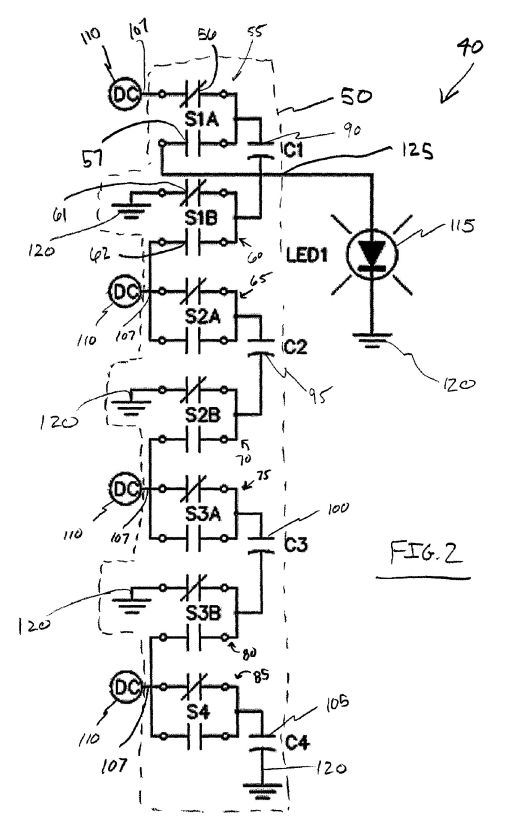
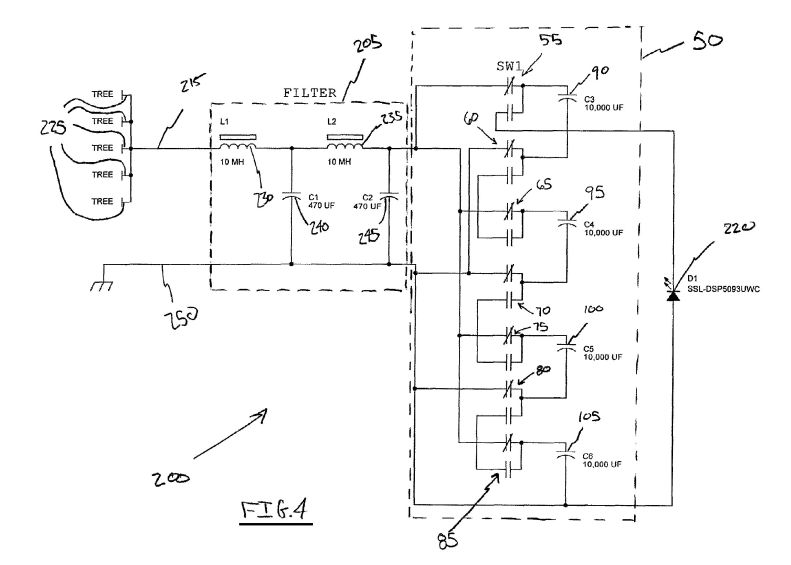
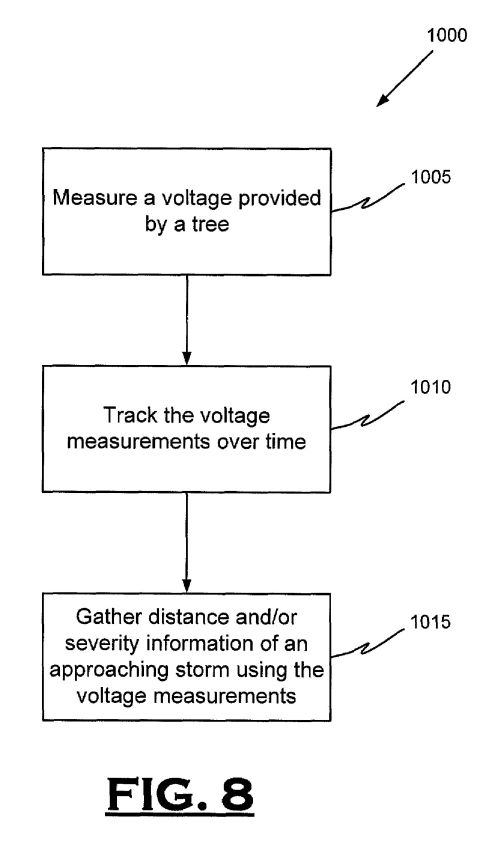
The invention consists of a first electrical conductor (e.g., a metal nail) coupled to the living plant, a second conductor (ground rod) embedded in soil at a depth chosen to set the desired current, and an electrical load (battery, sensor, radio, etc.) connected between them. Multiple ground rods can be used to increase current. The voltage generated by the tree-soil electrochemical gradient is harvested, filtered, and stepped up as needed by a charging circuit. The system can also be used for weather prediction by monitoring voltage variations.
Principles
- Electrochemical potential difference between tree sap and soil
- Ion migration (H^+) creating electron flow
- Voltage generation from acidity gradient
- Low-power DC harvesting and storage
Scientific Domains
Materials
- Metal electrode (e.g., copper or steel nail)
- Metal ground rod
- Battery (rechargeable)
- Capacitors, resistors, diodes in charging circuit
Mechanisms of Action
- Coupling a metal electrode to the tree trunk
- Embedding a grounded rod in soil
- Utilising the tree-soil voltage to drive current
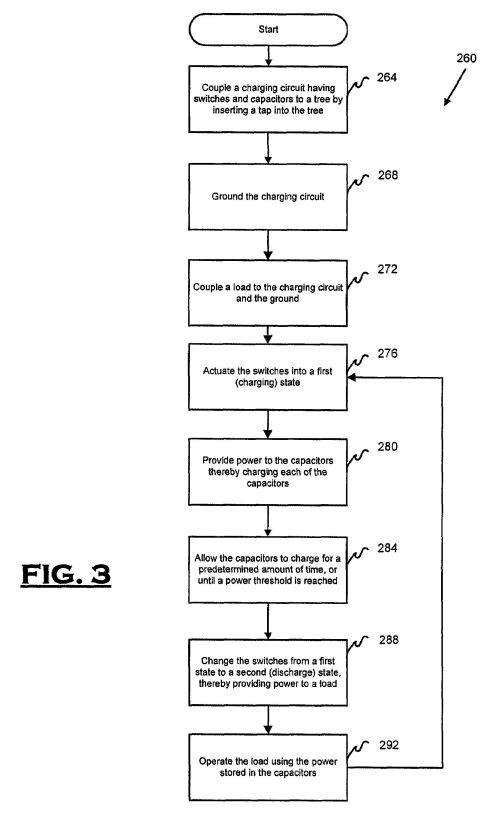
- Charging a battery or powering a load via a step-up circuit
Energy Sources
Applications
- Wireless environmental sensor networks
- Wildfire alert systems
- Climate monitoring
- Border security radiation detection
Claimed Performance
Generates approximately 0.5-2 V DC (plus some AC) sufficient to continuously recharge a small battery and power low-power wireless sensors.
Experimental Evidence
Demonstration at MIT in 2006 showed a working circuit; PLoS ONE report measured 0.5-2 V DC from trees; prototype devices have been built and used to power radio-equipped sensors.
Replication Status
Prototype demonstrated; company Voltree Power is assembling a wildfire alert sensor network using the technology.
Limitations
- Very low power output (milliwatts)
- Dependence on tree health and soil acidity
- Variability with weather and season
- Limited to suitable plant species