Goal
Treat HIV/AIDS and degenerative diseases by purifying blood using ozone.
Problem
HIV infection, AIDS, viral load, immune deficiency, degenerative diseases.
Concept Summary
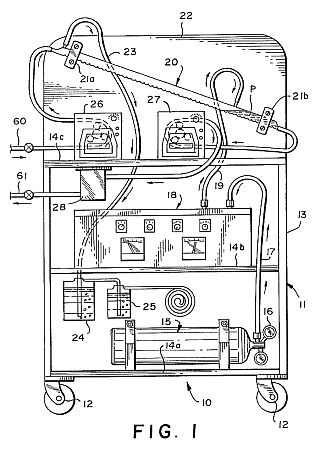
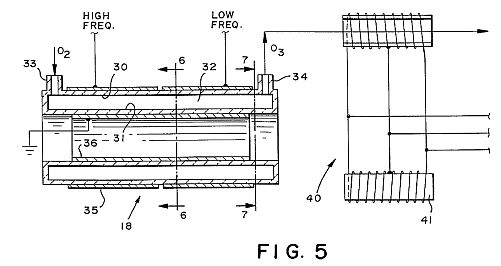
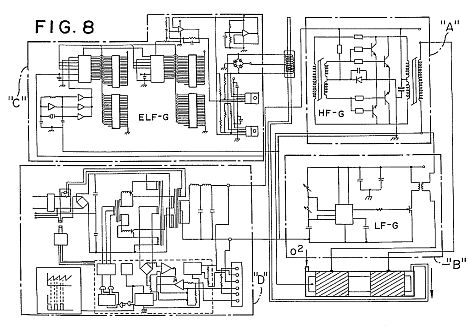
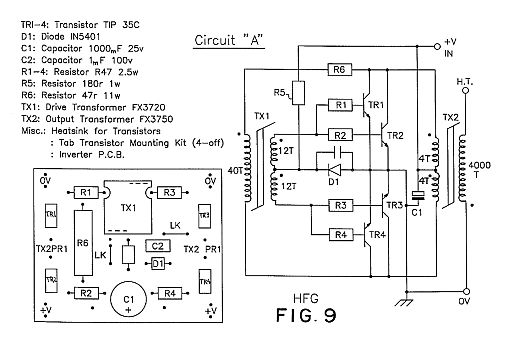
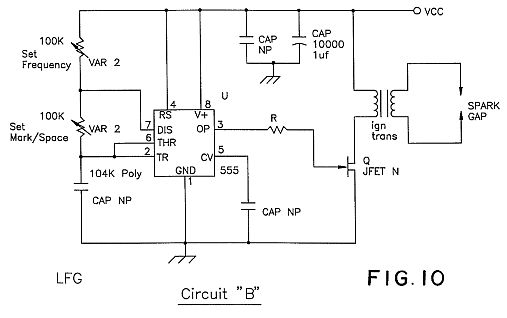
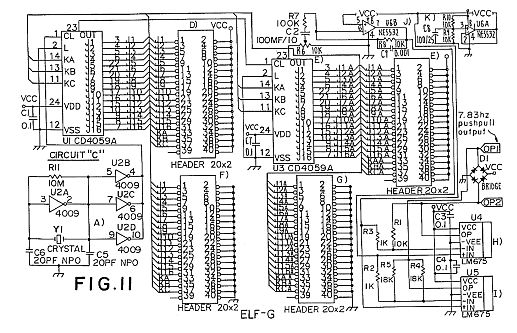
A blood-aeresis system that draws blood from a patient, passes it through a wide-bore cascade tube exposed to high-pressure ozone, and returns the treated blood to the patient. The ozone is claimed to inactivate viruses and improve clinical condition.
Detailed Description
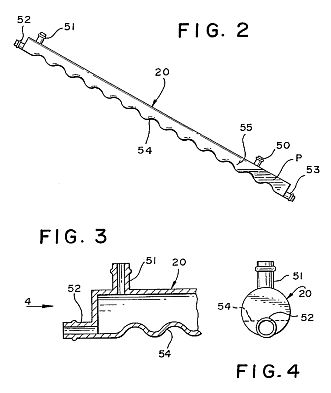
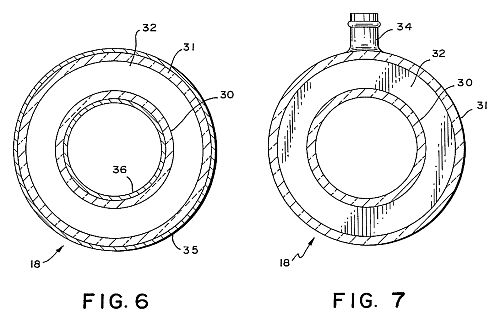
Patients sit in a chair with intravenous needles in both arms. Blood is withdrawn from the left arm, pumped in synchrony with the heart rate through a circuit of tubes, and forced through a cascade tube where it contacts ozone under pressure (the "viral kill" step). The blood then passes an escape tube and a filter before being returned to the right arm. The process is combined with rectal ozone insufflation in some protocols.
Principles
- Oxidative inactivation
- Apheresis
- Ozone therapy
Scientific Domains
Materials
- Ozone gas
- Medical-grade tubing
- Pump
- Filters
- Intravenous needles
Mechanisms of Action
- Ozone reacts with viral particles in blood, causing oxidative damage
- Blood circulation through a cascade tube ensures exposure to ozone under pressure
- Filtration removes debris and oxidized by-products
Energy Sources
Applications
- Treatment of HIV/AIDS
- Management of degenerative diseases
- Immune system modulation
Claimed Performance
Patients showed remarkable clinical improvements; one patient's lesions cleared after 11 hours of treatment, and T-cell counts increased up to 70 % in some cases.
Experimental Evidence
A three-week trial in the Philippines with 19 HIV-positive participants (5 with full-blown AIDS) reported visible health improvements before the clinic was raided and the study halted.
Replication Status
No independent replication reported.
Limitations
- Lack of controlled, peer-reviewed clinical trials
- Regulatory and legal obstacles
- Potential ozone toxicity if dosing is not controlled
Red Flags
- Claims based on anecdotal observations rather than published data
- No independent replication or peer-reviewed validation
- Legal issues surrounding the inventor and the trial