Goal
Generate a secondary gravitational field that can neutralize gravity, provide localized gravitational shielding, and produce propulsion force.
Problem
The need for anti-gravity or gravity-shielding technology to overcome the limitations of conventional propulsion and weight-bearing systems.
Concept Summary
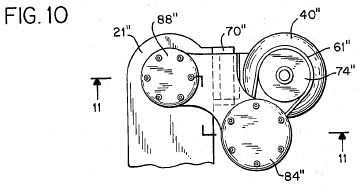
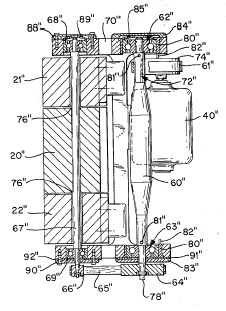
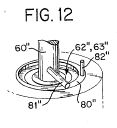
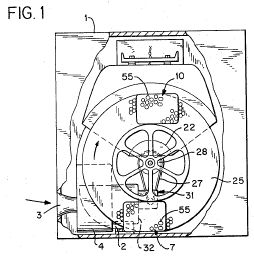
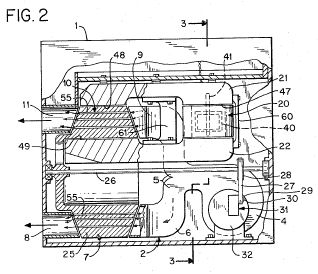
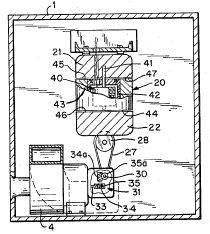
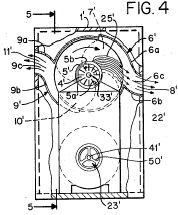
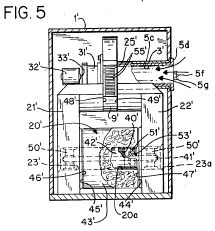
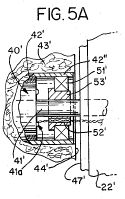
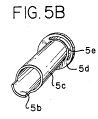
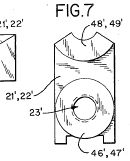
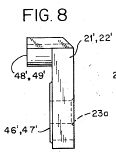
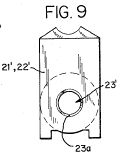
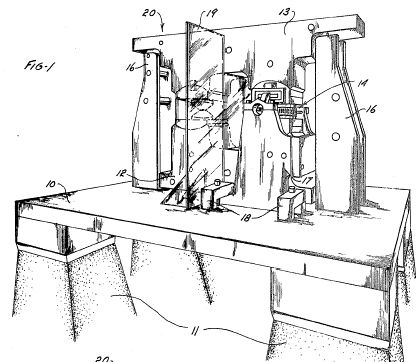
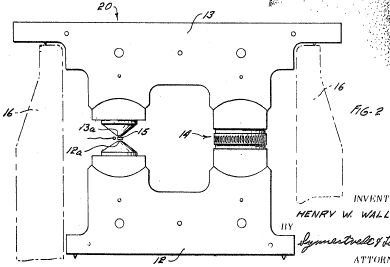
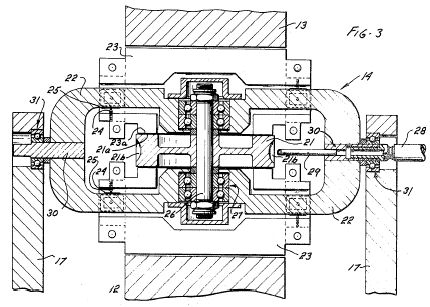
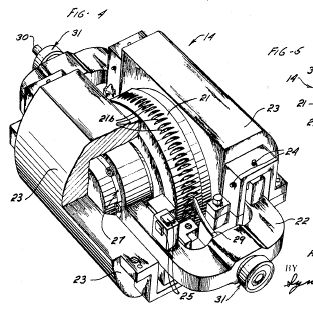
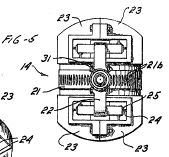
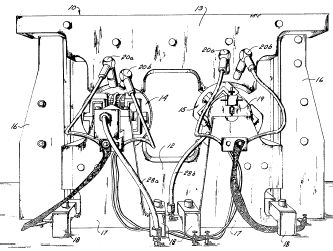
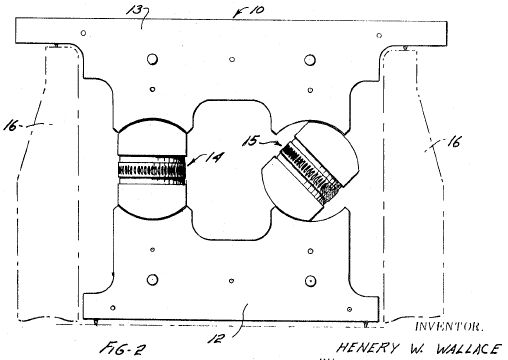
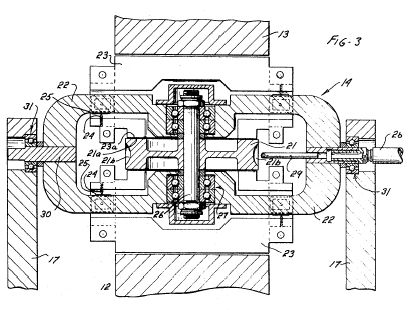
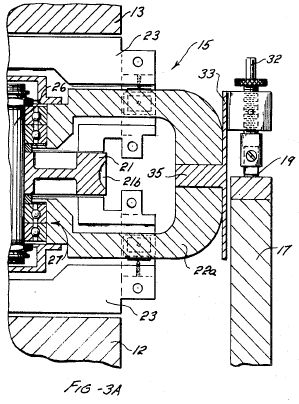
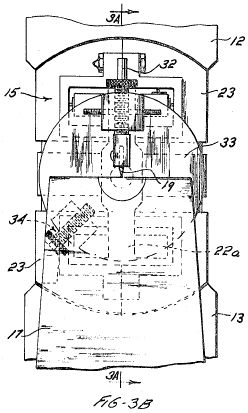
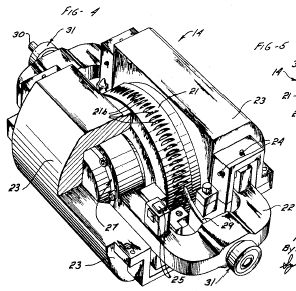
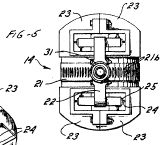
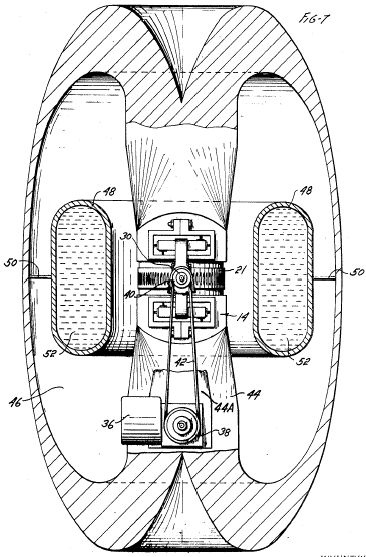
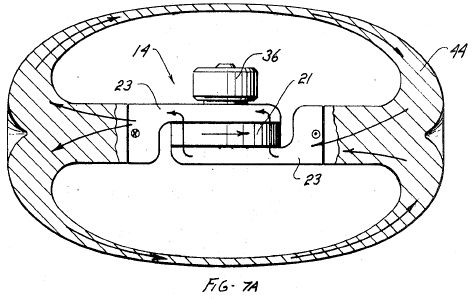
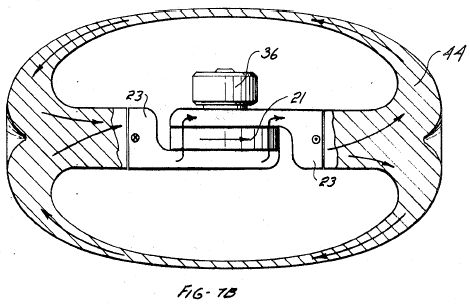
The invention proposes that counter-rotating masses made of odd-A nuclide metals (e.g., copper, zinc, lead, tin, nickel, vanadium, arsenic, gallium, brass alloy) become spin-polarized when spun at high speed (~20 000 rpm) using compressed air or nitrogen jets. The polarized nuclei generate a non-electromagnetic "kinemassic" field. When this field is made to undulate, it induces a secondary, time-variant gravitational field that can reduce the apparent weight of the rotating assembly and, if sufficiently strong, create localized gravity shielding and thrust.
Principles
- Mass dynamic interaction
- Spin polarization of odd-A nuclide nuclei
- Barnett effect analogy
- Mach principle
Scientific Domains
Materials
- copper
- zinc
- lead
- tin
- nickel
- vanadium
- arsenic
- gallium
- brass alloy
- steel
- beryllium
- platinum
- aluminum
- cobalt
Mechanisms of Action
- High-speed rotation of odd-A nuclide material to polarize nuclear spins
- Generation of a kinemassic field from polarized nuclei
- Induction of a secondary gravitational field when the kinemassic field is time-variant
Energy Sources
Applications
- Propulsion for vehicles
- Gravity shielding for structural support
- Potential military anti-gravity devices
Claimed Performance
The rotating wheels are claimed to experience a reduction in apparent weight, and sufficiently strong fields are said to produce localized gravitational shielding and thrust.
Experimental Evidence
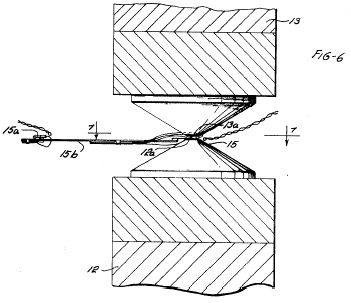
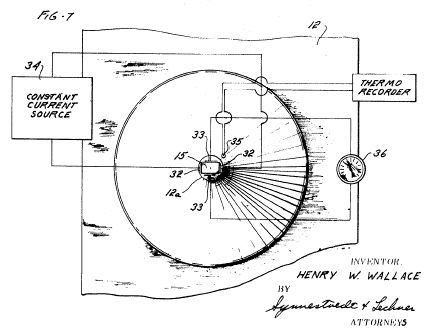
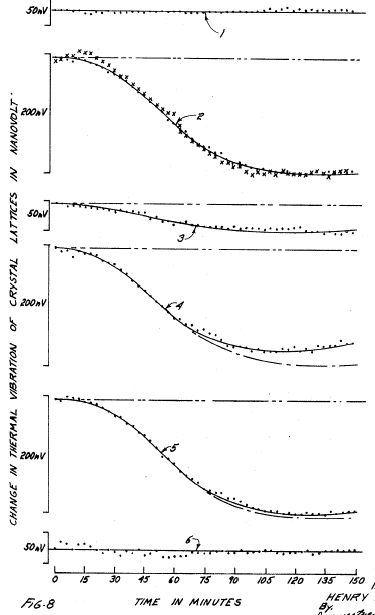
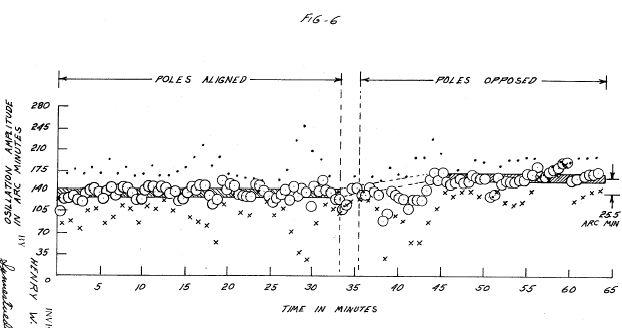
The patents and Wallace's writings mention KF permeability tests, KF ambient air-gap tests, and qualitative testing that showed a diminishing KF energy up to 11.5 cm from the apparatus.
Limitations
- No quantitative performance data provided
- Requires very high rotational speeds
- Relies on odd-A nuclide materials that may be difficult to source in required forms
- Experimental evidence is qualitative and not independently verified
Red Flags
- Extraordinary claims of anti-gravity without peer-reviewed data
- Reliance on secret military investigation rather than open scientific validation
- Lack of independent replication or published quantitative results